
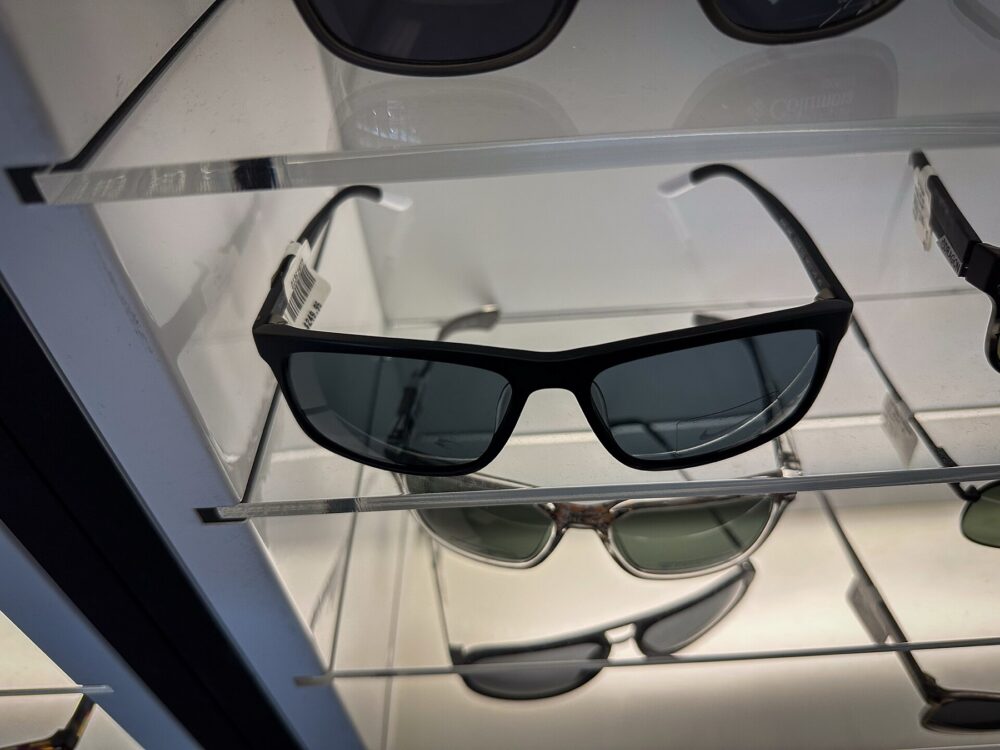
DEA-branded sunglasses and eyeglasses sit in the mid-priced fashion category, but you can absolutely buy them on a budget. The most affordable options tend to be older DEA Eyewear and Fatheadz DEA frames sold through discount retailers and resale platforms, where listings can run far below original retail. For personal use, that usually means targeting past-season models and used/new-old-stock pairs; for small ecommerce sellers, it means mixing these into a broader inventory instead of relying on DEA alone.
DEA isn’t one single product. It generally refers to:
- DEA Eyewear – a fashion brand offering both sunglasses and eyeglasses in vintage-inspired and contemporary styles, with UV-protective lenses in models like the Eunoia and Desire sunglasses.
- Fatheadz DEA collections – women’s eyeglass frames marketed for everyday wear, sold via retailers such as FramesDirect and across resale marketplaces.
On sites like Heavyglare, DEA sunglasses are positioned as stylish acetate frames with UV protection. That puts them above ultra-budget generics, but below luxury designer labels.
For U.S. buyers, realistic single-pair pricing typically looks like this:
- New from online retailers (Heavyglare, FramesDirect): mid-range fashion pricing, often with periodic frame or lens promos.
- Discounted fashion sites and flash sales: older DEA models or limited colorways at sizable markdowns.
- Resale platforms (Poshmark, etc.): listings marketed as “up to 90% off” retail for women’s DEA glasses, especially where sellers are offloading unused or lightly used inventory.
That “up to 90% off” language on Poshmark’s DEA glasses page reflects steep historical discounts on some listings, not a promise for every pair. Still, it’s a useful benchmark: if you’re paying close to full retail for a common DEA style, you likely haven’t shopped around enough.
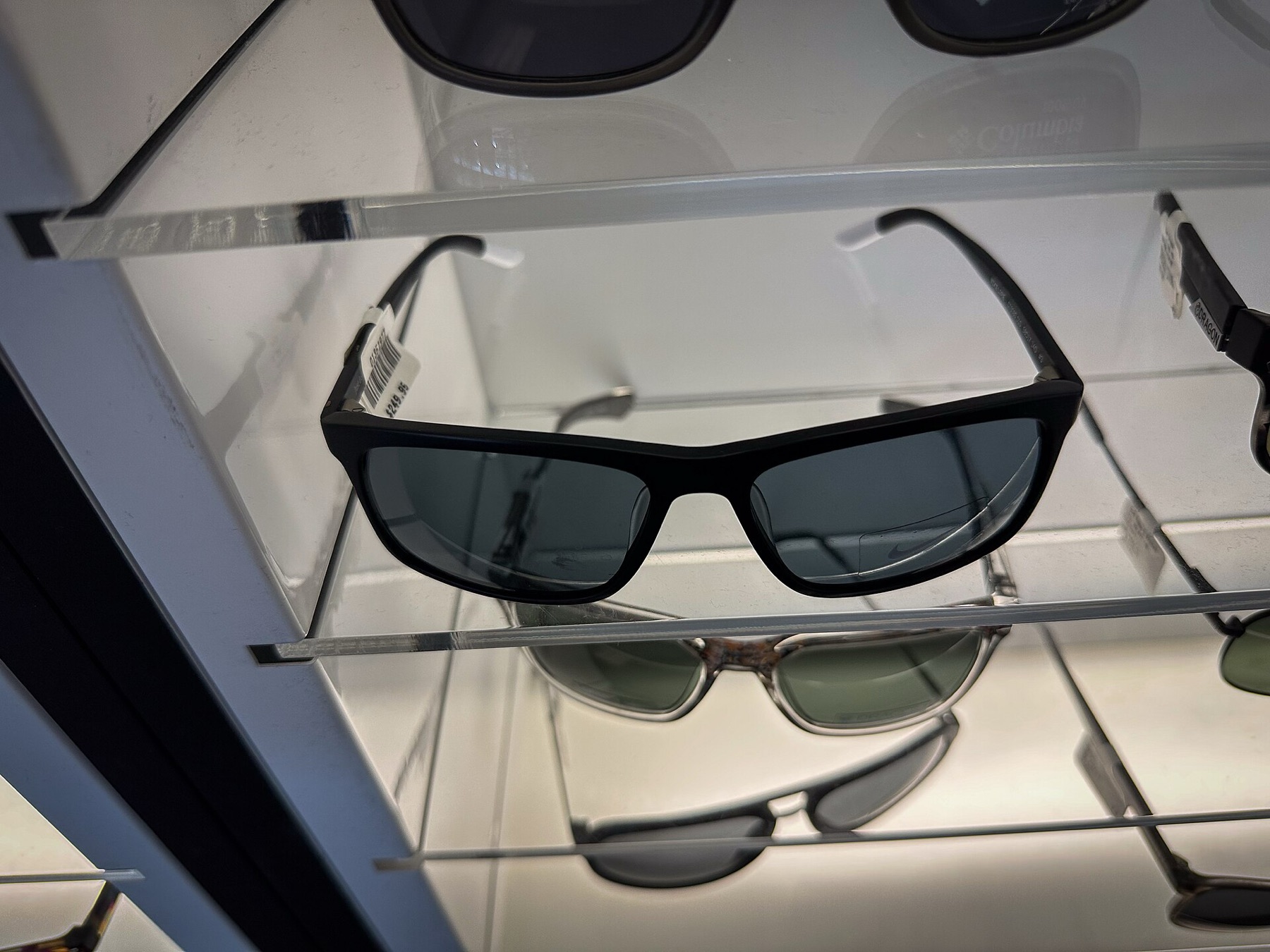
Why DEA Prices Vary So Much: Fit, Materials, MOQ, and Shipping
Where DEA Eyewear gets interesting from a budget perspective is how its features interact with your total cost.
1. Extended fit vs standard fit
DEA-branded collections include extended-fit frames marketed for wider faces, especially in women’s styles. Sites like DeadEyes Eyewear highlight this mix of comfort and contemporary styling. Extended-fit often means more material and slightly larger dimensions, which can push base frame cost up compared with narrower, minimalist designs.
Budget move: if you don’t specifically need extended width, you can usually save by choosing standard-fit DEA frames with similar styling. If you do need extra room at the temples, factor that premium in and avoid trying to “size down” into cheap narrow frames that you won’t wear.
2. Frame materials and lens options
DEA sunglasses on Heavyglare are described with acetate frames and UV-protective lenses. Acetate tends to be more durable and color-rich than the thinnest plastic, and UV protection is a baseline safety feature for sun lenses, but you’ll pay more than you would for no-name plastic shades.
Cost-wise:
- Acetate or mixed metal/plastic frames cost more than very basic plastic, but wear better over time.
- Upgrades like polarization or specialty tints raise lens price, especially on full-price retailers.
For personal use, the low-budget tradeoff is usually: one good DEA pair with solid materials and UV protection vs several ultra-cheap generics with unknown lens quality. For resale, you can position DEA as the mid-tier option in your catalog, with cheaper non-branded frames around it.
3. Order size (MOQs) and sourcing style
If you’re a small ecommerce seller, DEA sourcing typically falls into one of two buckets:
- Piece-by-piece from retailers or resale sites: higher per-unit price, but no minimum order quantity (MOQ) and low risk. You cherry-pick appealing DEA styles and sizes.
- Small batches from overstock, closeout, or cross-border sellers: lower per-unit price if you can move the inventory, but you’ll tie up more cash.
On the cost side, the bigger your DEA order, the more meaningful things like bulk shipping, customs, and payment fees become. We’ll break that down in a moment.
4. Shipping, customs, and total landed cost
Even when the frame price looks great, your “landed” cost per pair includes:
- Product price
- Shipping (domestic vs international)
- Any customs duties and import fees
- Platform/payment fees
Choosing a Buying Channel for DEA Eyewear and Cutting Your Total Spend
You’ve got three practical channels if you’re in the U.S. and care about price: retail, resale, and cross-border sourcing. Each has a different sweet spot.
Here’s a compact view:
| Channel | Best for | Typical DEA Value Angle |
|---|---|---|
| U.S. online retail | One or two personal pairs | Current models, clean prescriptions, promos |
| Resale platforms | Personal budget, niche resale flips | Older/unused DEA frames at steep discounts |
| Cross-border sellers | Small batches, expanding inventory | DEA-style fashion frames at lower per-unit costs |
U.S. retail (FramesDirect, Heavyglare, GlassesUSA)
Retailers like FramesDirect and fashion-focused sites such as Heavyglare are good if:
- You want a specific DEA model (e.g., a Fatheadz DEA Bari eyeglass frame).
- You need prescription lenses and prefer established ordering flows.
- You value virtual try-on tools that retailers like GlassesUSA are known for.
You’ll usually pay mid-range pricing but can trim cost with frame discounts or lens promotions.
Resale marketplaces (Poshmark and similar)
Resale is where DEA turns into a true budget play. On Poshmark’s women’s DEA glasses page, the platform advertises sales “up to 90% off” retail for DEA glasses. You’re often looking at:
- New-old-stock frames from boutiques or individuals
- Lightly used frames you can have re-lensed
- Out-of-season colors and shapes that still look current
For a single pair, this is usually the cheapest path—assuming you’re comfortable with secondhand and inspecting photos closely. For micro-resellers, it’s one way to spin up a small DEA collection without committing to large lots.
Cross-border marketplaces and sourcing, including DHgate
If you’re thinking like a small eyewear shop—online or local—and DEA is just one aesthetic you want in your lineup, cross-border marketplaces enter the picture.
Platforms such as DHgate are described in editorial context as B2B-leaning marketplaces with low-priced sunglasses and frames driven by online-only operations and a huge variety of styles. The value angle here is usually:
- Mix DEA-style silhouettes (cat eye, oval, oversized) with other fashion frames
- Reduce per-unit frame cost by importing small batches
Because these marketplaces host many independent sellers, you need to do more homework on each listing: match frame measurements to your target face shapes, confirm lens type, and run your own landed-cost math including freight and duties. If you go this route, side-by-side comparisons like DHgate vs AliExpress vs Alibaba vs Temu can help you decide where to place your bets.
Micro-Tips on Fit and Quality for Budget DEA Buyers
Because DEA collections lean into extended fit and fashionable shapes, a couple of small, specific checks will keep budget purchases from becoming drawer clutter.
- Face shape vs frame shape: DEA women’s frames commonly appear in cat eye, oval, and rectangular designs. If your face is rounder, a more angular DEA frame can add definition; if your face is square, softer oval styles may look more balanced.
- Extended-fit measurements: For wider faces, look closely at lens width and total frame width in product specs. Extended fit should feel roomy across the temples; if a reseller doesn’t list measurements, ask before you buy.
- UV protection on sunglasses: DEA sun styles like the Eunoia and Desire are marketed with UV-protective lenses. For any budget listing (especially resale or cross-border), confirm that the lenses are described as UV-protective. Avoid mystery lenses just because the price is low.
- Material clues: Listings that specify acetate or mixed metal frames tend to be more robust than unlabelled “plastic”. On resale, inspect photos for whitening, cracks, or warped arms that suggest cheaper materials aging badly.
One-Pair vs Small-Batch: Quick Cost Scenario
To make this practical, imagine two scenarios:
Scenario A: You want one DEA pair for yourself
- You browse Heavyglare for DEA Eyewear sunglasses, then check Poshmark for the same or similar styles.
- You find a DEA frame on resale at a deep discount with UV lenses and clean photos.
- You buy that frame and, if needed, have your local optician add prescription lenses.
Result: lowest overall spend, with most of your budget going to lenses, not the DEA logo.
Scenario B: You run a small online shop and want 10 DEA-style frames
- You pick a few actual DEA frames from resale (for brand appeal).
- You round out the rest with non-branded, DEA-like shapes sourced from cross-border sellers, after estimating landed cost with a tool like the customs and tariffs explainer.
- You price DEA-branded pieces slightly higher and use them to anchor your fashion story.
Result: reasonable average per-frame cost, with DEA used as a stylistic reference point rather than your entire inventory.
For both personal buyers and small resellers, the budget-friendly DEA strategy isn’t chasing the newest release; it’s combining brand, fit, and channel choice so you pay for the features you actually need—and skip the ones you don’t.