
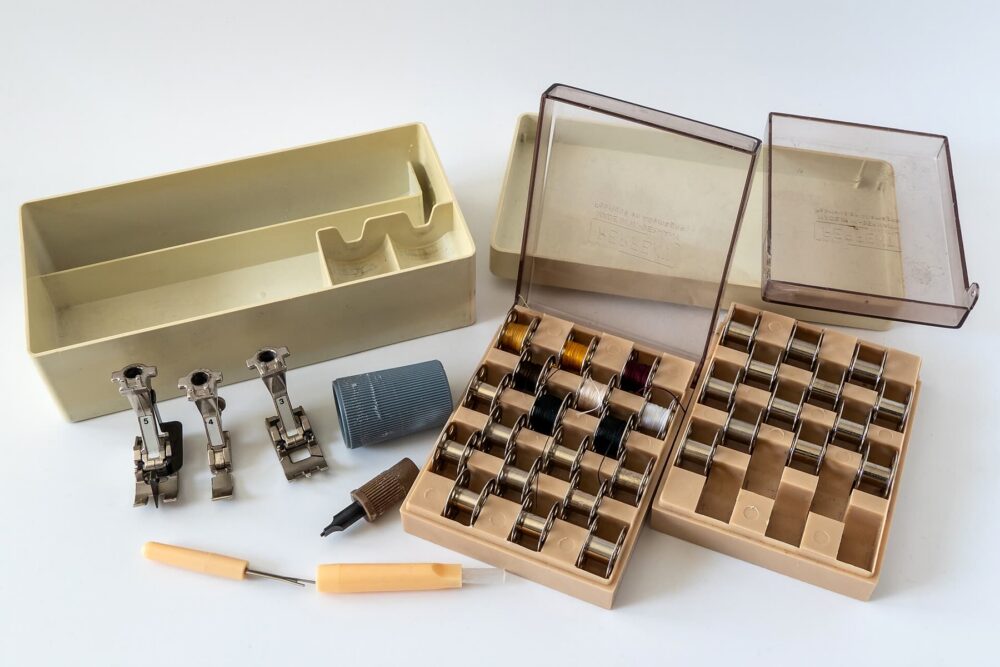
Bernina sewing machine feet are pricey because they’re precision parts, but you don’t have to own every foot in the catalog or pay full retail for each one. You’ll usually save the most by buying only the techniques you actually use, mixing new and used OEM feet with carefully chosen compatible options, and picking the channel—dealer, specialty site, marketplace, or cross‑border—that gives you the lowest total landed cost (product + shipping + fees) for your situation.
The catch is that over‑saving can be expensive: a badly engineered or incompatible foot can damage the machine, ruin stitches, or sit in a drawer unused. This guide focuses on US buyers and small ecommerce sellers who want value without sacrificing safety or functionality.
What Really Drives the Cost of Bernina Feet and Accessories
Bernina’s official accessory catalog shows a huge range of presser feet and add‑ons, each designed for a specific technique—patchwork, walking, zipper, button sew‑on, embroidery, overlock, and more.[Bernina catalog] That specialization is part of why the price adds up.
On US specialty retailer sites such as Aurora Sewing Center, many new Bernina domestic presser feet sit roughly in the $50–$85 range per foot. Straight‑stitch, zipper, and basic reverse‑pattern feet tend to be toward the lower end; walking feet, non‑stick soles, or more complex designs often sit toward the upper end. That’s product cost before you even factor in shipping.
For pre‑owned parts, resale listings for Bernina feet commonly run from about $15 up to around $100, depending on the foot number, rarity, and condition.Pre‑owned examples That means the same foot might cost half as much used, or more than new if it’s rare old‑style stock.
Beyond sticker price, US buyers should factor in:
- Domestic shipping: dealer and specialty sites often ship free above a threshold (e.g., $49) but charge on smaller orders.
- Cross‑border shipping and import: ordering from overseas sellers can bring lower per‑foot prices but higher postage and possible customs or brokerage fees, especially for larger parcels.
- Payment costs: some cross‑border payment methods add currency conversion or card fees, which matter when you’re buying multiple feet or stocking inventory.
If you’re a small seller, your real cost is product + inbound shipping + any import fees, plus what you expect to discount during sales. Your margin depends on buying at the right level for your market—quilters vs garment sewists, hobbyists vs pros.
How Foot Type, Style, and Compatibility Change What You Pay
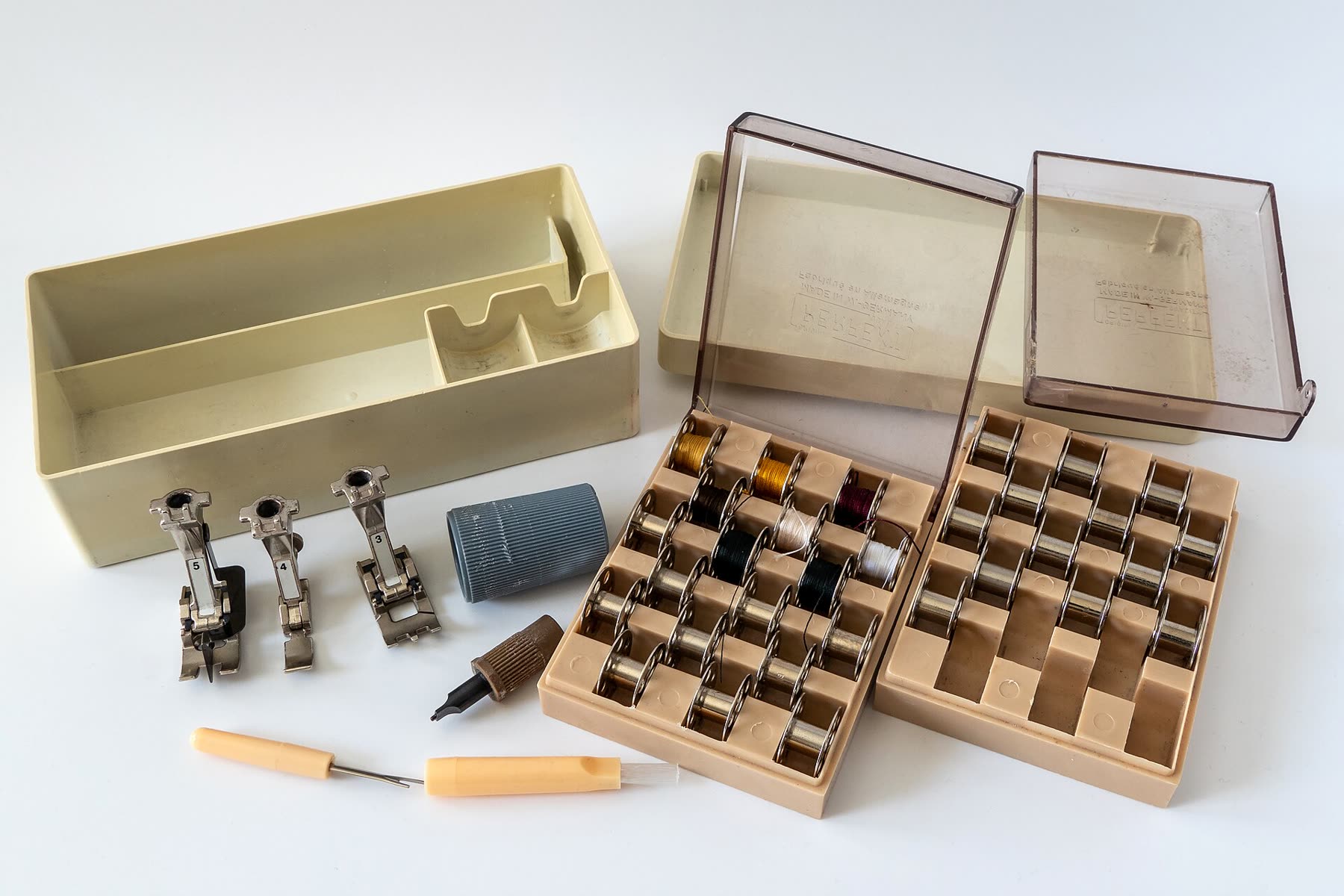
Bernina presser feet are categorized by technique and machine type. The domestic presser foot range on Bernina USA’s shop includes patchwork feet, walking feet, zipper and button sew‑on feet, embroidery and quilting feet, and more. You don’t need all of them. You need the ones that match how you actually sew.
Three big price and risk levers:
- Technique vs frequency of use
A walking foot or patchwork foot you’ll use on almost every quilt top is worth buying new OEM. A very specific decorative couching foot you’ll touch twice a year might make more sense used or compatible.
- Old‑style vs new‑style feet
There’s an active market for old‑style Bernina feet (dual‑prong shank) with dedicated listings and wide price variation compared with modern clip‑on styles.Old‑style examples Older machines can’t use some newer snap‑on feet without adapters, and newer machines may not play nicely with certain legacy parts. Buying a cheap but incompatible foot is pure waste.
- OEM vs compatible/generic
OEM Bernina feet are engineered to match the machine’s feed system and stitch geometry. Third‑party “Bernina‑compatible” feet and generic low‑shank feet often cost less but vary sharply in build quality and actual fit. That tradeoff is usually fine for low‑risk tasks (e.g., a simple edge‑stitch foot you rarely use) and risky for precise quilting, buttonholes, and walking feet.
For used OEM, the main budget tradeoff is between price and certainty. You may pay $20–$40 less than new for a common foot, but you need good photos to confirm wear, bent guides, or damaged snap mechanisms.
To keep costs under control:
- Decide your core set (e.g., #1 reverse pattern, #4 zipper, patchwork, walking) and buy those OEM, new or lightly used.
- Treat rare specialty feet as optional add‑ons sourced used or compatible.
- Always match feet to your exact Bernina series and style before buying.
Price Ranges by Channel: Where Value Usually Lives
The channel you choose often matters as much as the foot type. Here’s a simplified view based on typical US observations:
| Channel type | Typical new OEM price band | Used / old‑style price band | Common pros | Common cons |
|---|---|---|---|---|
| Local Bernina dealer | ~$50–$85 per foot | Occasionally used trade‑ins | Advice, guaranteed compatibility | Highest prices, limited used selection |
| Online specialty retailer | ~$50–$85 per foot | Rarely; focus on new | Wide catalog, bundle shipping | Still premium; impulse overspending |
| Pre‑owned / resale sites | ~$15–$100 per foot | Core source for old‑style | Lower prices, rare foot numbers | Variable condition, slower to build a set |
| Generic/compatible sites & marketplaces | Often below OEM; highly variable | N/A | Low unit cost, bulk options | Compatibility and quality not guaranteed |
US specialty shops like Aurora Sewing Center and Stitch Durango list many new Bernina feet in that roughly $50–$85 band.Aurora feet Resale listings for pre‑owned Bernina feet show that $15–$100 spread used, with common utility feet at the lower end and rare or multi‑piece sets higher.Pre‑owned examples
Where marketplaces and cross‑border sourcing fit
Marketplaces and general sewing sites—domestic or overseas—often carry compatible or generic presser feet at lower unit prices. Platforms like DHgate fall into this bucket: you may see “Bernina‑compatible” or generic low‑shank feet sold in singles or sets. Before you treat these as a bargain, it’s worth verifying three things yourself:
- Exact compatibility: Does the shank and foot style match your Bernina series? Is it clearly labeled for Bernina, or is it a generic low‑shank foot that might need an adapter?
- Seller reliability: Does the seller show clear photos, foot numbers, and realistic descriptions, plus a track record of delivering what’s advertised?
For small ecommerce sellers considering compatible inventory, marketplaces can be a source of low‑cost sets, but only if you’re confident about fit and your buyers understand they are non‑OEM.
Practical Ways to Cut Your Bernina Foot Budget Safely
You don’t need a complicated framework to save; you need a short list and a bit of discipline.
1. Build a lean “must‑have” list Start from Bernina’s own categories—patchwork, walking, zipper, button sew‑on, quilting, embroidery.Bernina presser foot categories Circle the 4-6 feet that match how you actually sew or what your customers buy. Commit to buying those first and ignore the rest until they’re justified.
2. Mix new OEM with used OEM wisely Buy new OEM for feet that take real stress or precision: walking feet, primary patchwork feet, buttonhole or button sew‑on feet. For simple feet you use occasionally, look at pre‑owned OEM in that $15–$40 band and save the difference. Always check photos for bent parts.
3. Use compatible feet where precision matters less Generic or “Bernina‑compatible” feet can be budget‑friendly for simple tasks like basic edge‑stitching or piping, especially if you test one before buying a set. Avoid using non‑OEM for anything that deeply relies on the machine’s feed and stitch settings (walking, free‑motion quilting on high‑end models) unless you’re comfortable with trial‑and‑error.
4. Time and bundle your orders Specialty retailers often have free‑shipping thresholds; waiting until you can buy two or three feet at once can keep your per‑foot landed cost down. For cross‑border orders, combining several compatible feet or accessories in a single parcel can make better use of shipping and import fees.
5. For small sellers, define your margin target up front If you’re stocking feet to resell, decide your target price bands (e.g., $35–$50 for used OEM basics, $60–$85 for new OEM specialty). Then back into sourcing: for a $60 retail walking foot, you may need to buy around the lower half of the specialty range to cover shipping and platform fees. That discipline will keep you from overpaying at retail for inventory you can’t mark up.
If you stay focused on compatibility, buy only what matches your actual sewing, and mix channels and conditions thoughtfully, Bernina feet can be an investment that pays off in better stitching—not a random pile of expensive metal in your drawer.