
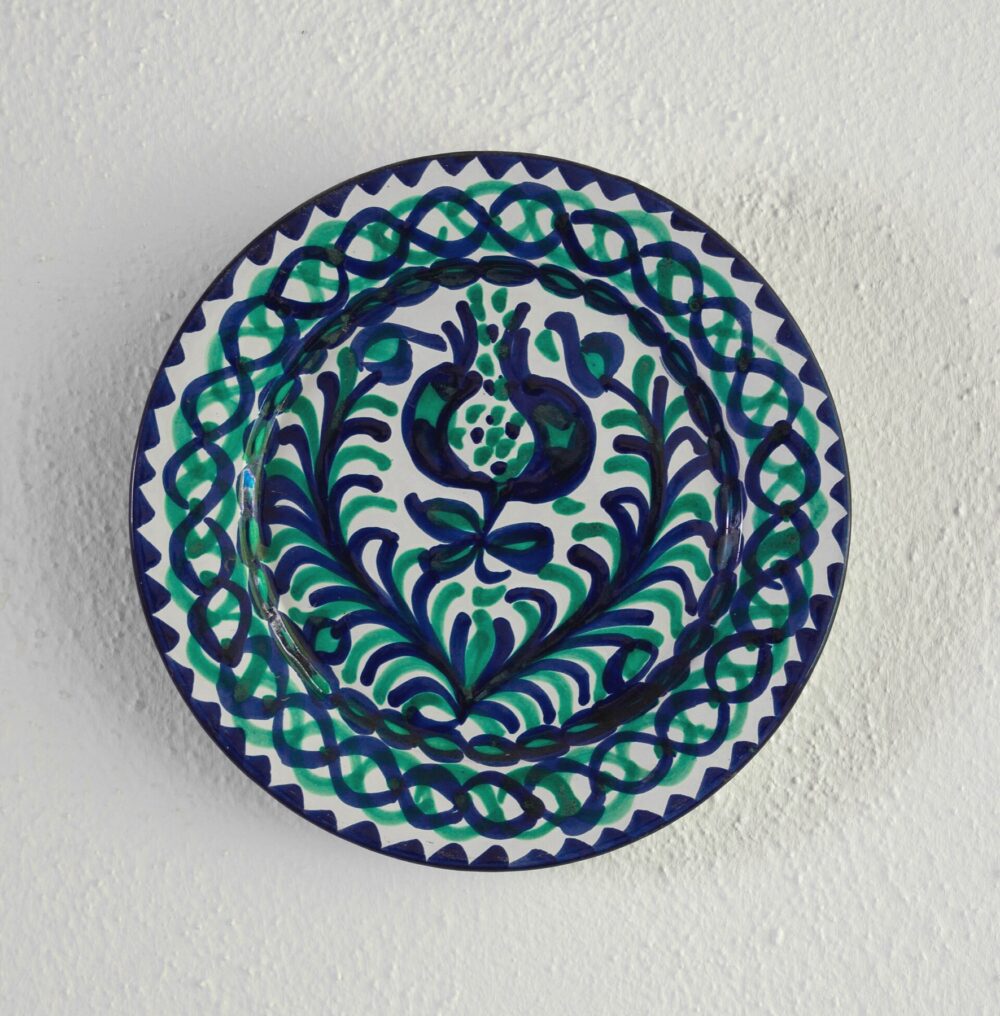
Decorative wall plates can look genuinely high-end even on a tight budget if you focus on the right materials, finishes, and sourcing channel. For Australia, a realistic target for luxe-looking plates is the lower end of the typical per-piece range—roughly the equivalent of about $10–$30 per plate—by choosing mass-produced ceramic or glass designs, buying in sets, and keeping an eye on shipping and import costs if you go cross‑border. For a single feature wall in your home, that might mean 4-8 plates; for a small ecommerce store, it means testing a small batch before committing to a larger run.
Decorative plates used as wall decor are highlighted in home guides as a relatively inexpensive way to create focal points compared with many other wall-art options. Hung in clusters or gallery-style layouts, they can read as “collector” pieces even if they’re mass‑market. The trick is understanding what drives the price per plate and then matching that to the way you plan to use them.
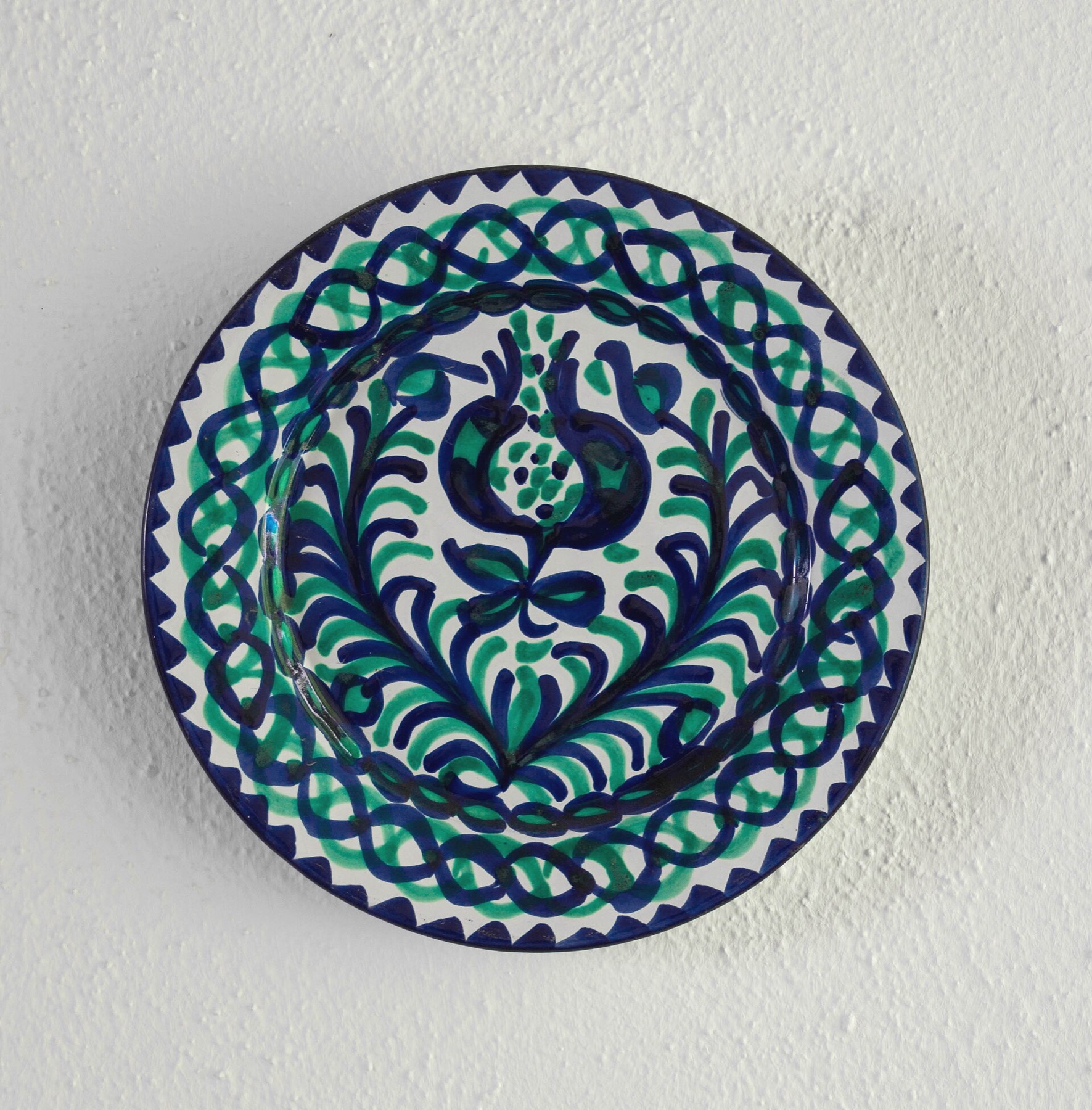
What Decorative Wall Plates Cost and Why
For wall decor, “decorative wall plates” usually means plates designed to be displayed rather than eaten from—often ceramic or glass, sometimes metal. They’re often hung in clusters over a console, sofa, or bed, or used to build out a gallery wall.
Editorial budget guides for wall plates note that ceramic or glass decorative plates commonly sit in the ballpark of about $10–$50 or more per piece, depending on design and brand. That range is a useful reference rather than a guarantee: mass‑market plates at the low end, artisan and designer plates at the high end.
Several retail collections show how wide that spread can be. Sites that focus on decorative plates and hardware, such as Wallplate Warehouse, offer multiple collections and finishes at different price levels, while luxury retailers like Harrods’ Fornasetti wall plates show how quickly prices climb for limited designs and designer names.
For a budget-conscious Australian buyer, this translates roughly to:
- Entry-level decor: Mass‑produced ceramic or glass plates, plain or simple patterns. Good for large clusters on a budget.
- Mid-range “luxe look”: Plates with metallic rims, more detailed artwork, or interesting shapes that still use affordable materials.
- Premium & designer: Branded or artist‑signed plates, sculptural forms, or mixed materials like brass inlays.
Your goal is to shop the entry and mid-range bands while borrowing visual cues from the premium tier: cohesive color stories, metallic accents, and confident placement.
Price Drivers: From Single-Plate Decor to Small-Batch Stock
The same plate can feel cheap or expensive depending on how and why you buy it. Here are the main drivers that change cost per plate, and how they play out for home decorators vs small ecommerce buyers.
1. Materials and finishes
Decorative wall plates typically come in ceramic, glass, and metal, with occasional wood or mixed-media pieces.
- Ceramic: Often the sweet spot for budget and perceived quality. Glazed ceramic with crisp prints or hand‑painted motifs can look upscale at mid-range prices.
- Glass: Good for modern, minimalist or colorful looks. Transparent or frosted finishes read high‑end; thick, heavy glass costs more to ship.
- Metal: From powder‑coated steel to brass-toned designs. Metal plates can look luxurious but may scratch or dent in transit.
High-gloss glazes, metallic trims, and textured surfaces increase both visual impact and price. For a feature wall, mix a few “hero” plates with simpler ones to keep the average cost down.
2. Size, shape, and layout
Guides to plate walls emphasise how grouping and asymmetrical arrangements can create focal points without huge spend. Larger plates obviously cost more, but you don’t need all of them oversized.
- Single statement plate: One large, detailed piece over a narrow wall can be cheaper than filling that wall with many small plates.
- Cluster on a main wall: 6-10 small to medium plates arranged in a loose grid or asymmetrical pattern. Cost depends on your mix of budget vs mid-range pieces.
Australian home buyers decorating a single wall can often get away with 2-3 mid-range plates plus a handful of low-cost fillers. Small ecommerce sellers, by contrast, care more about how the pieces photograph together as a set for their product pages.
3. Customisation and MOQ
If you’re commissioning designs (for example, a logo or original artwork printed onto plates):
- Home use: One‑off custom plates will usually be pricey per piece. They make sense as personal gifts or a single focal point, not for a whole plate wall.
- Small ecommerce batches: Many manufacturers offer lower per‑unit pricing if you hit a minimum order quantity (MOQ). That can drop your cost significantly, but you carry more inventory risk.
Because exact MOQs and pricing vary by seller and platform, treat custom runs as a second-stage move: test interest with non‑custom stock first.
4. Shipping method and fragility
Decorative plates are often breakable and heavy, which drives both packing and freight cost.
- Domestic retail or online: You’re paying for shipping baked into the sticker price or a small parcel fee.
- Cross‑border sourcing: Freight becomes a bigger line item, especially for glass or large ceramic plates. Slower services are cheaper but longer; faster options eat margin.
Small ecommerce sellers should calculate an approximate “per‑plate shipping share” when importing a box. Even rough maths helps avoid “cheap stock, expensive freight” surprises.
5. Seasonality and trend cycles
Style guides highlight decorative plates as affordable wall accents. That also means they can be trend-sensitive.
- Botanical, boho, and vintage motifs may spike in price when they’re featured in decor media.
- Out‑of‑season patterns or colorways sometimes sit closer to the $10–$20 equivalent band while looking just as luxe.
Home decorators have more flexibility to buy slightly off‑trend designs if the colours suit their space; ecommerce sellers should watch what local competitors are promoting before ordering large quantities.
Mini cost breakdown: single wall vs small batch
| Scenario | Product focus | Key cost drivers |
|---|---|---|
| One feature wall at home | 4-8 plates, mix of budget & mid-range | Per-piece price, local shipping |
| AirBnB / café decor | 10-20 plates, cohesive theme | Bulk discount, installation hardware |
| Small ecommerce launch (AU-based) | 20-50 plates, 2-3 designs | MOQ pricing, cross-border freight |
| Established online store | 50+ plates per design | Unit price, long-run freight & fees |
Choosing a Sourcing Channel and Cutting Total Landed Cost
For decorative wall plates, “cheap vs expensive” is less about sticker price and more about total landed cost: product + shipping + import charges + your time. That mix changes depending on whether you buy locally, thrift, or import.
Local retail and online in Australia
Buying from Australian homeware stores or local ecommerce sites is the least complex route.
- Pros: Clear pricing, simpler returns, no cross-border customs handling, faster delivery.
- Cons: Higher per‑plate prices than bulk imports, limited niche designs.
This is usually the best fit for a single wall in your own home or a one‑off project for a café or rental.
Thrift, vintage and second‑hand
Thrifted decorative plates and vintage sets inspired many popular “plate wall” posts on social media.
- Pros: Very low unit cost, unique patterns, built‑in patina that looks high-end when styled well.
- Cons: No consistent stock for ecommerce, variable condition, time spent hunting.
For a personal project, mixing thrifted florals with one or two new plates can produce an expensive-looking wall cheaply. For small sellers, thrift finds are better as occasional “one-of-a-kind” listings, not core inventory.
Cross‑border marketplaces (including DHgate)
Marketplaces that connect buyers to overseas manufacturers and wholesalers can offer large variety and lower per‑unit prices once you order in quantity. That includes platforms like DHgate, which feature decorative wall accents in budget decor content.
For an Australian small business, these channels can make sense when:
- You want a cohesive range (for example, three colorways of the same plate design) that local retail doesn’t carry.
Limitations and checks:
- Listings and sellers vary widely. You need to check each plate’s material, size, finish, and packaging details, plus reviews and photos where available.
Practical Ways to Keep the Look Luxe and the Spend Low
You don’t need designer plates to get a designer look. A few targeted tactics can keep your wall looking upscale while your budget stays under control.
Curate a tight color story
Pick one palette—say, blues and whites, warm terracotta, or black and gold—and buy plates that sit inside that range. Even inexpensive pieces look more intentional when their colours tie together.
Mix “hero” plates with budget fillers
Buy one or two more detailed, mid-range plates with metallic or textural detail, then surround them with simpler plates from the budget band. Cluster them so the eye lands on the hero pieces first.
Use placement as a design upgrade
Guides to decorative wall plates emphasise how grouping and asymmetrical layouts can turn simple plates into art. Hang them:
- In a loose arc above a sofa or headboard
- As a vertical strip on a narrow wall
- In a compact grid in an entryway
Symmetry isn’t mandatory; what matters is spacing and balance. Lay the plates out on the floor first, take a photo, then transfer the layout to the wall.
Buy in sets and think ahead for ecommerce
For small sellers, unit cost drops when you:
- Buy sets instead of single plates (for example, four of the same design rather than a mixed bundle).
- Standardise sizes so your packaging and shipping become repeatable.
If you decide to source cross‑border in bulk for resale, you can explore marketplace-specific tactics—such as finding wholesale suppliers on DHgate via this sourcing guide—while still applying the same cost discipline: test small, calculate landed cost, then scale.
By combining smart material choices, curated layouts, and channel-aware buying, Australian decorators and small ecommerce businesses can get decorative wall plates that look far more expensive than they are—without the budget shocks that often come with impulse imports.