
You can get a polished advent calendar on a tight budget by keeping the structure simple, choosing one cohesive theme for fillers, and mixing low-cost local supplies with any cross-border buys you genuinely need. For most Australian home crafters and micro-brands, a DIY or semi-DIY calendar using paper, cardboard, fabric or repurposed containers will look professional if the colours, numbers and packaging are consistent, and marketplaces such as DHgate only become relevant if you’re sourcing bulk fillers or hardware and are prepared to check each listing’s total landed cost and reviews.
A practical way to think about budget is to separate the calendar into two layers: the structure (24 compartments) and the fillers (the actual treats or activities). Keep both under control and you can hit a budget-friendly sweet spot that still feels curated.
What counts as a budget-friendly, polished advent calendar craft?
Traditionally, an advent calendar has 24 compartments that you open from December 1st through Christmas Eve to reveal a small gift, image or verse each day, as described in the overview of advent calendars on Wikipedia. For DIY makers and small ecommerce brands, “advent calendar crafts” usually means building that 24-part structure yourself or assembling it from simple components, then decorating and filling it in a way that looks intentional.
Polished does not have to mean expensive. Craft-oriented sites show plenty of calendars made from low-cost bases like:
- Paper bags hung on string or a branch
- Cardboard pockets or envelopes arranged on foam board or a backing
- Small jars lined up on a shelf or tray
- Sewn fabric pockets attached to a wall panel or bunting
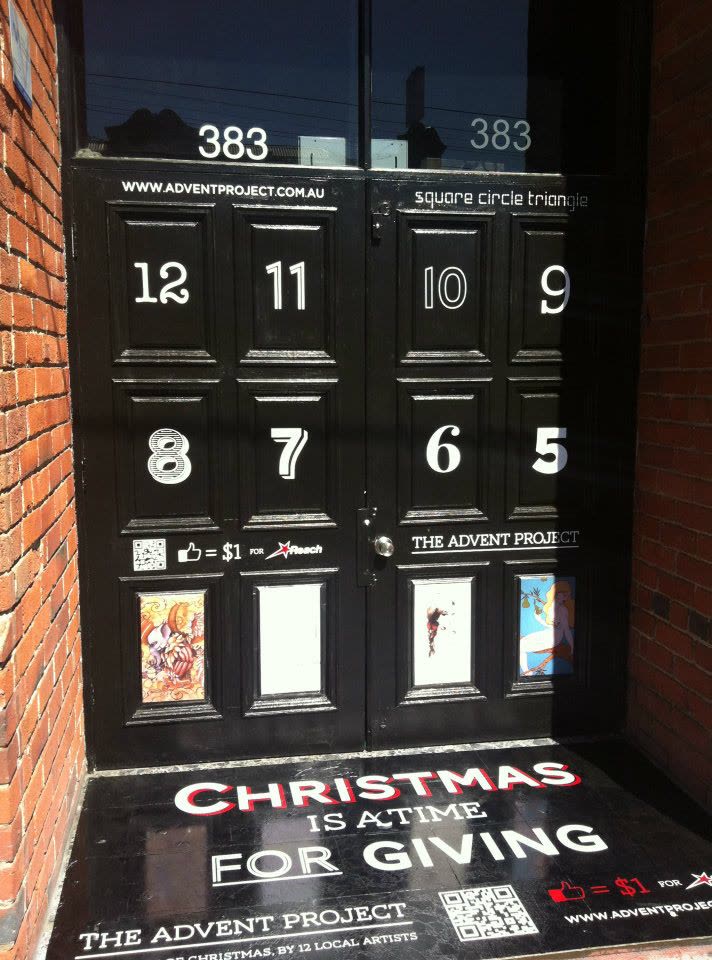
For example, Cook Clean Craft showcases calendars using sewn pockets, envelopes and bags rather than heavy wooden structures; they look finished because the numbers, colours and layout are unified, not because the materials are pricey.
Several kid-focused craft collections highlight simple, cohesive themes such as books, small toys, or daily craft activities so each day feels linked to the next rather than random. A set of wrapped picture books, or 24 small art prompts and supplies, becomes a themed calendar with predictable filler costs and a strong visual identity, as seen in examples on Kids Art and Craft.
From a budget perspective, the polished look usually comes from:
- Repeating one base colour palette (e.g., kraft + white + red)
- Consistent numbering (same font, same size on each pocket/box)
- One or two materials used throughout (all paper bags, all mini boxes, all jars)
These decisions are inexpensive and scalable, making them ideal for home use or a small ecommerce run.
How much should you budget and what drives advent calendar craft costs?
The main cost drivers are straightforward: the structure, the fillers, and the way you source them. You can treat this like a mini bill of materials, even if you’re only making five calendars for friends.
Structure vs filler costs
For a 24-pocket calendar, think in two lines:
- Structure: base (bags/boxes/pockets), backing (board, fabric, string), fasteners (pegs, glue, tape), decoration (stickers, paint, ribbon)
- Fillers: whatever people open—chocolates, toys, craft supplies, beauty minis, handmade notes
DIY-focused sites, such as DIY Crafts, show calendars built largely from everyday items—cardboard, paper, string—which implies you can keep structure costs in the low single dollars per calendar if you use repurposed or discount materials. Recycled cardboard, old fabric, and household jars or tins all serve as bases without driving up spend.
Beauty and toy advent calendars in retail stores demonstrate how the filler theme affects total cost: editorial roundups of advent calendars describe options ranging from simple chocolate calendars at the budget end to beauty product calendars at the high end, with lots of toy and stationery themes in between, as seen in DHgate’s own advent calendar commentary on variety and budgets in its blog. That same spread applies to DIY—24 gourmet skincare minis will cost far more than 24 small craft activities.
Here’s a simple way to model a 24-pocket calendar for an Australian maker or micro-brand:
| Layer | Budget choice (editorial example) | Cost behaviour (qualitative) |
|---|---|---|
| Structure | Paper bags + string + printed numbers | Low, predictable; easy to source locally |
| Structure | Fabric pockets on a sewn wall hanger | Medium; labour time is main cost |
| Fillers | Chocolates or lollies | Low–medium; price spikes near Christmas |
| Fillers | Small toys or stationery | Medium; better in packs or bulk |
| Fillers | Beauty or branded collectibles | High; suited to premium positioning |
Price drivers for DIY and small-batch runs
Several factors push your costs up or down:
- Quantity and batching: Buying 24 unique items is almost always more expensive than choosing 3-4 types and repeating them across days. For micro-brands, designing calendars in batches of the same theme keeps per-unit cost predictable.
- Customization level: Fully personalized calendars (names on each pocket, tailor-made fillers) require more time and, often, more expensive materials. Semi-custom (shared design, personalised gift tag) is cheaper.
- Shipping and seasonality: Within Australia, local shipping on supplies is relatively straightforward; cross-border sourcing can add international postage and potential import charges. Whichever route you choose, prices on common fillers—chocolate, toys, craft kits—often rise as you get closer to December.
- Minimum order expectations: If you shift from local retail to wholesale packs, you’ll usually trade higher upfront spend and storage for lower unit cost, which only makes sense if you’re making enough calendars.
Budget planning is easier if you set a per-calendar target first (for example, “structure materials under a modest threshold, filler value under another threshold”) and work backwards using the table above.
Choosing sourcing channels for budget advent calendar supplies
Australian buyers have four main sourcing routes for advent calendar crafts: local discount / dollar shops, craft chains and fabric stores, online marketplaces and small wholesalers, and their own cupboards and yard (for repurposed and natural materials).
DIY craft articles often rely on readily available household objects—jars, cardboard, twine—and generic craft-store items, suggesting that for many projects, you can shop almost entirely locally and still get a polished calendar, as reflected in examples compiled by DIY Crafts. Budget-friendly Christmas craft features also highlight natural items like pine cones, berries and twigs, and simple paper-based supplies as low-cost decor, which can apply directly to advent calendar embellishment, as discussed in DHgate’s editorial on DIY Christmas scenes (DHgate blog).
In practice, the mix often looks like this:
- Local discount shops & supermarkets: Good for inexpensive chocolates, lollies, small toys, and basic packing materials. Ideal for home calendars and very small runs, with no shipping wait and clear pricing.
- Craft chains & fabric stores: Best for structure components—fabric, felt, ribbon, card, paints. If you’re sewing or doing more elaborate decoration for resale, these shops give you consistency in materials.
For Australian buyers considering cross-border marketplaces versus local retail, a simple channel comparison helps:
| Channel type | Best suited use case | Key cost/risk trade-off (editorial) |
|---|---|---|
| Local discount/variety | Single-family calendars, very small batches | Higher unit price, low risk, instant availability |
| Craft & fabric stores | Reusable fabric calendars, decorative focus | Materials cost > fillers; time is main investment |
| Online marketplaces | Bulk small fillers, bags, boxes, hardware | Lower unit cost, higher shipping/lead-time risk |
| Household & natural | Eco-style calendars, ultra-low budgets | Near-zero material cost, more manual preparation |
To keep your advent calendar crafts both polished and affordable, start by deciding your theme and filler category, then choose the channel that matches your scale:
- Single or few calendars for family: primarily local shops + household items.
- Small ecommerce batch (e.g., 20-100 calendars): local craft stores for structure, marketplaces/wholesalers for standardized fillers in bulk.
If you later decide to scale and rely more on cross-border marketplaces, it’s worth understanding broader marketplace differences and typical import-cost questions; DHgateWiki has coverage on those topics, including marketplace comparisons at DHgate vs AliExpress, Alibaba and Temu and an overview of import charges at customs, tariffs and import fees explained.
For most Australian advent calendar crafters, though, the fastest path to a polished, budget-friendly calendar is still local: a simple bag or pocket structure, a consistent numbering scheme, and a themed set of fillers you can buy or assemble in batches.