
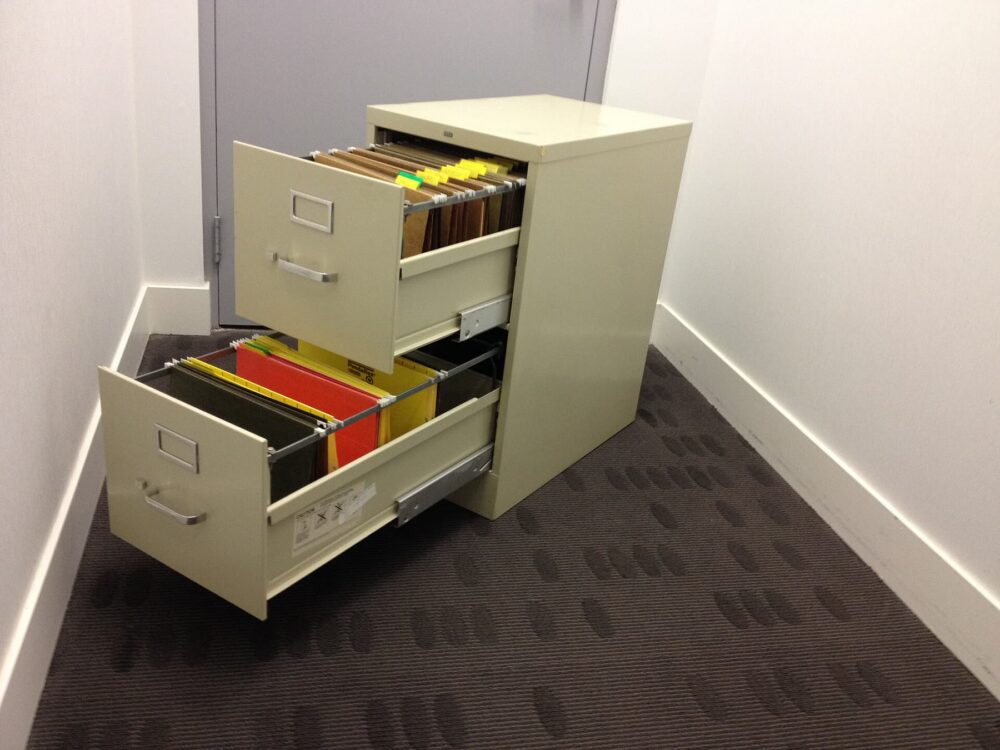
If you’re outfitting a busy Australian workspace, put most of your budget into sturdy drawer dividers and quality file folders, then choose the cheapest reliable buying channel after you’ve priced shipping, taxes and how often you’ll need to replace worn-out pieces. For a small office with one or two cabinets, local retailers and office suppliers usually beat cross‑border marketplaces on real cost. For ecommerce or bulk buyers, wholesale channels—including global marketplaces—can make sense once you spread freight and import fees across a larger order.
The trick is to map what you actually need inside each drawer (dividers, hanging files, index systems, file kits) and then compare total landed cost, not just the sticker price per folder or divider.
What Drives the Real Cost of File Cabinet Organizers in Australia
“File cabinet organizers” covers several different products that keep paperwork upright and easy to find: simple file folders, hanging files on rails, drawer dividers that stop files from slumping, index systems, and full file kits that combine rails and dividers in one modular setup.Source Each type hits your budget differently.
Core cost components to plan for:
- Product price: Basic manila folders and simple hanging files are the cheapest upfront. Systems like steel drawer dividers or modular file kits cost more per drawer but can transform a messy cabinet into neat rows of upright files.Source
- Shipping and handling: In Australia, local office suppliers and retailers often roll shipping into a broader order, or offer click-and-collect. Cross‑border orders add international freight, which can dwarf savings unless you buy in bulk.
- Taxes and import fees: Domestic purchases include GST in the price. Cross‑border sourcing can trigger duties and import processing fees on larger consignments, so those need to be added to your per‑unit cost. For more detail, see Understand customs, tariffs and import fees.
- Replacement frequency: Cheap, thin folders bend, tear and need constant replacement in a busy workspace. Heavier folders and sturdy dividers cost more but often last longer, so your annual cost can actually be lower.
A practical way to budget is to divide your drawers into categories: high‑traffic (invoices, active client files) vs archive (old records). Spend more per unit on heavy‑duty organizers in the high‑traffic drawers and use simpler, cheaper folders where you rarely touch the files.
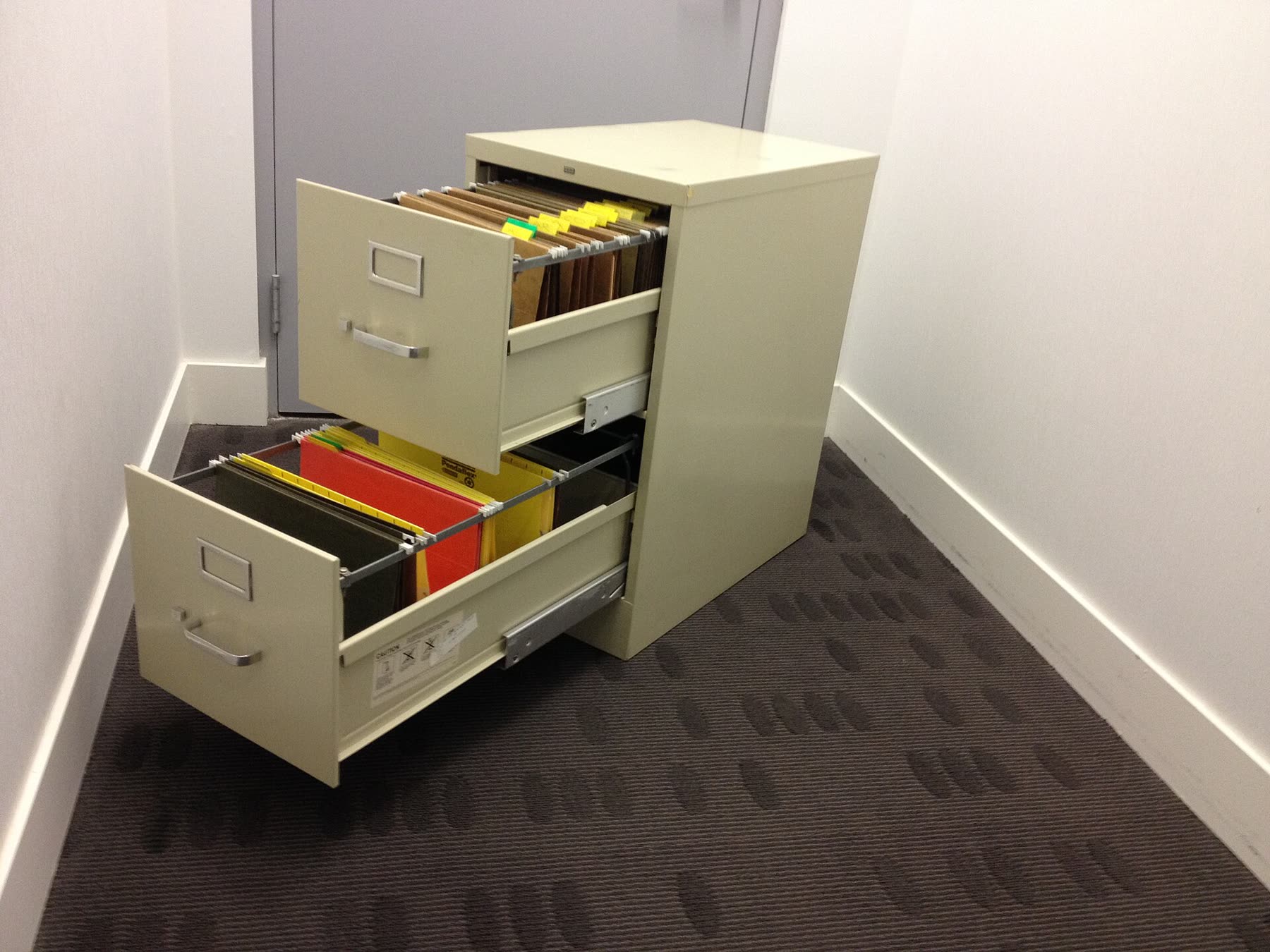
Why Some Organizers Cost More: Materials, Volume, and Use-Case Tradeoffs
Price jumps between organizer types usually come down to material, complexity, and the way you’re using them.
- Basic file folders: Typically made from light cardstock or paper. They’re inexpensive and fine for low‑touch documents. In a busy office, these can sag or tear, making you re‑buy frequently.
- Hanging files and index systems: These add metal or plastic hardware and labeled tabs, which raises manufacturing cost. Specialist suppliers selling hanging files and index systems target offices that need to organize high volumes and will pay more for structure and labeling.Source
- Drawer dividers: Products like steel dividers or adjustable partition systems keep files upright and separated, improving visibility and reducing damage from slumping.Source They’re more expensive than folders alone, but you buy them once per drawer rather than per file.
- Modular file kits: File kits that combine rails and dividers into a system are sold as higher‑end, modular solutions to keep files upright and separated.Source They usually sit at the top of the price range for paper organizers, but they can turn a plain drawer into something that behaves like a dedicated filing system.
For a small office, the smartest budget allocation often looks like this:
- Use a mix of robust hanging files plus mid‑range folders in your most active drawers.
- Add dividers or a file kit in any drawer where files slump and get damaged.
- Stick to basic folders for archives you barely touch.
For ecommerce or bulk buyers (e.g., kitting out multiple client offices or reselling organizers), unit price and minimum order quantities (MOQs) matter more. A supplier of hanging files and index systems geared to bulk office procurement is likely to be a better fit than a consumer retailer because they can support larger volumes and more consistent specs.Source
Choosing a Sourcing Channel: Local Office Suppliers vs Cross-Border Marketplaces
Once you know your mix of folders, dividers, hanging files and kits, the next question is where to buy. In Australia, you’re usually choosing between domestic retail/office suppliers and global marketplaces.
Here’s a compact comparison based on typical scenarios:
| Channel type | Best for | Cost profile | Key tradeoff |
|---|---|---|---|
| Local retailers (e.g., IKEA Australia paper/media organizers) | Small offices needing a few drawers of folders, boxes or trays | Higher unit price, but low shipping hassle and no import fees | Very convenient, but limited bulk customization.Source |
| Australian office/stationery suppliers | Busy offices buying cartons of folders, hanging files, dividers | Mid‑range unit prices, domestic freight, predictable GST | Good for volume, but you may pay more per unit than offshore. |
| Specialist bulk suppliers (hanging files/index systems) | Larger offices, B2B buyers needing structured filing systems | Priced for professional use; often better value at scale | Less suited to tiny orders; expect some volume commitment.Source |
| Global marketplaces | Ecommerce and wholesale buyers sourcing file folders or paper organizers cross‑border | Low headline unit prices, but you must add international freight and duties | Potential savings at scale, but quality and suitability vary and require more verification. |
Domestic channels
Australian retailers such as IKEA Australia’s paper and media organizers offer a broad range of file boxes, magazine files and simple organizers. These are ideal when you need a quick, modest upgrade in a home office or small workplace and don’t want to think about customs or long transit times.
Office and stationery suppliers, including those that stock hanging files and index systems for offices, are better if you’re buying by the box or carton. You may pay a little more per unit than an offshore factory, but freight, returns, and consistent specs are much easier to manage locally.Source
Cross‑border marketplaces
Global marketplaces list file folders and paper organizers that can be sourced wholesale, which appeals to ecommerce sellers or businesses fitting out multiple locations. DHgate, for example, has editorial content highlighting bulk file folders and other paper organizers, and its marketplace lists such products from various sellers. This can make sense if you’re:
- Ordering large volumes, so international freight and possible import fees become reasonable per unit.
- Comfortable doing extra checks: comparing materials and design specs, asking sellers for photos or samples, and calculating total landed cost.
Before picking any marketplace, calculate:
- Product total (folders, dividers, kits).
- International freight to Australia.
- Estimated duties and import processing fees.
- Your realistic defect or return rate.
If that landed cost beats a domestic supplier for equivalent quality, cross‑border sourcing is worth a look. If not, you’re better off buying locally and avoiding the admin load.
For a broader perspective on global marketplaces beyond a single platform, you can compare options via this marketplace comparison overview.
Keeping Costs Down Without Ending Up With Flimsy Organizers
You don’t have to over‑engineer your filing system to stay organised on a budget in Australia. A few targeted tactics can keep costs under control:
- Upgrade only the bottlenecks. Identify drawers where files constantly jam, slump or go missing. Spend on dividers or file kits in those drawers first instead of refitting the whole office.
- Standardise your folders. Pick one or two folder types and stick with them. This makes bulk buying easier and avoids odd sizes that don’t sit properly in hanging files or divider systems.
- Bundle your purchases. Combine file cabinet organizers with other office supplies in a single domestic order to dilute shipping costs.
- Match organizer quality to document lifecycle. Short‑lived paperwork can live in cheaper folders. Long‑term records and high‑value client files deserve heavier folders and sturdier drawer systems.
If you eventually move into bulk cross‑border sourcing, consider reading up on how customs and import charges work for your business size so you can fold those costs into your per‑unit calculations from the start.
Overall, the best budget strategy for Australian workspaces is to decide where structure really improves your work—quality folders, dividers, hanging files—and then choose the channel that delivers those pieces at a fair landed cost, whether that’s a local office supplier or a verified cross‑border seller.