
For most beginner quilters on a budget in Australia, a simple manual die cutter or a basic electronic craft cutter is the sweet spot. Manual die cutters in the AccuQuilt GO! or Sizzix Big Shot family are popular because they can quickly cut accurate quilt shapes; entry-level electronic machines like Cricut Maker, Silhouette Cameo or Brother ScanNCut add flexibility for labels and vinyl but cost more and depend on software. Industrial fabric cutting machines are built for factories and are usually overkill until you’re producing at serious scale.
The key is matching the tool to your volume. If you’re cutting a few quilts a month or sewing in small batches for an Etsy or Shopify store, spending like a factory doesn’t make sense. Below, we’ll map realistic cost levels, show the tradeoffs that quietly raise the true price, and help you decide if you should buy locally or look at cross-border options, including global marketplaces.
What Fabric Cutting Machines Cost at Hobby vs Small-Business Scale
Fabric cutting machines cover a wide spectrum, from table-top hobby cutters to large industrial systems used across apparel, upholstery, automotive interiors and technical textiles. Industrial setups, like the CNC fabric cutting machines shown by manufacturers such as ATOM, are engineered for high-volume production, precision and efficiency. That design focus comes with a very different price profile than home quilting gear.
At a high level, you can think in three bands:
- Hobby / quilting cutters (lowest overall spend): Manual die cutters (Sizzix Big Shot, AccuQuilt GO!) and smaller electronic craft cutters (Cricut Maker, Silhouette Cameo, Brother ScanNCut) are widely used at home. The machine itself is relatively affordable, but you also budget for dies, mats, blades and software access.
- Prosumer / small studio cutters (mid-range spend): Larger-format electronic cutters, multi-tool craft machines and semi-industrial rotary or straight-knife fabric cutters start to make sense if you’re doing short runs of apparel or homewares and need more speed than manual cutting but don’t have factory-level throughput.
- Industrial fabric cutting machines (highest spend): Automated spreading systems and CNC cutters are capital equipment. The machine price is only part of the picture: installation, training, maintenance plans, and sometimes software licenses all sit on top. These are sized for apparel plants, automotive interiors, or technical textile lines where cutting thousands of units per day is normal.
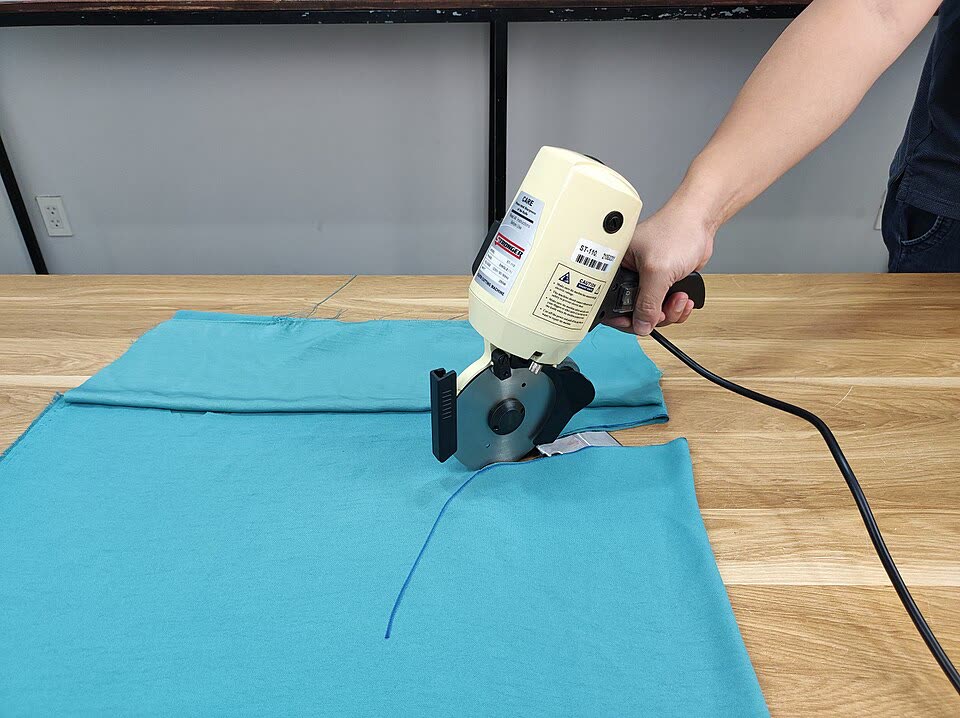
Across all three bands, total cost is driven by the same core components:
- The base machine price.
- Ongoing consumables (dies, blades, mats, sharpening stones).
- Software and design ecosystem for electronic cutters.
- Shipping and logistics to Australia, especially for heavy equipment.
- Duties, GST and import fees on cross-border purchases.
You don’t need exact dollar figures to make a smart decision; the bigger question is whether your cutting volume and product mix justify moving up a band.
Budget Tradeoffs: Features, MOQ and Shipping That Change the Real Price
Sticker price is only the start. Two machines that look similarly priced can differ a lot once you account for features, accessories and how you’ll source them.
Feature and ecosystem tradeoffs
- Manual die cutters for quilting: AccuQuilt-style fabric cutters use shaped dies and can cut multiple fabric layers at once, which is a big time saver for repetitive quilt blocks. The tradeoff is that you buy individual dies or sets, and those become a major long-term cost. If you mostly use a handful of classic blocks, this is efficient; if you improvise or need custom shapes, it can get expensive or limiting.
- Electronic craft cutters: Machines like Cricut Maker, Silhouette Cameo 4 and Brother ScanNCut are versatile – they can cut fabric, paper, vinyl and more, and some models can even scan designs. But they rely on proprietary software ecosystems such as Design Space, Silhouette Studio or CanvasWorkspace. That affects:
- How easy the machine is to learn.
- Whether you pay for design content or premium features.
- How locked-in you are to that brand’s accessories and updates.
- Industrial machines: Factory-scale cutters often come with dedicated nesting and CAD software. That’s powerful if you’re planning markers for hundreds of units, but it adds both complexity and licence cost. For a small ecommerce brand, that level of tooling can be overkill.
MOQ and batch-size considerations
If you’re a small seller, your minimum order quantity (MOQ) decision is really about how many pieces you realistically produce per run:
- A beginner quilter selling a few throws per month doesn’t need to chase industrial throughput; a manual or electronic hobby cutter will keep up.
- A micro-brand cutting 20-50 garments per style can often get by with a prosumer electronic cutter or a simple electric rotary fabric cutter. Jumping to industrial gear before your sales justify it ties up capital that might be better spent on fabric or marketing.
Shipping, weight and cross-border costs
Fabric cutting machines range from a few kilos for a manual die cutter to heavy, crated equipment for industrial systems. For Australian buyers, that matters because:
- Lightweight hobby cutters are cheaper to ship and often available locally through sewing and craft retailers.
- Heavier prosumer machines and industrial cutters may require freight shipping, customs brokerage and more paperwork.
You won’t always know the exact landed cost upfront, but you can narrow it by asking suppliers for:
- Packed weight and dimensions.
- Incoterms (for industrial suppliers) or who covers freight.
- A clear breakdown of any taxes or fees they expect you to pay on arrival.
Choosing a Sourcing Channel and Cutting Your Costs Safely
Once you know roughly which machine level fits your quilting or small ecommerce plans, the next decision is where to buy: local retail, global marketplace, or direct industrial supplier.
Local Australian retail and distributors
For beginner quilters and very small sellers, buying from Australian sewing and craft shops is often the most straightforward path:
- You can see or at least talk through machines like AccuQuilt GO!, Sizzix Big Shot, Cricut Maker, Silhouette Cameo and Brother ScanNCut before buying.
- Shipping is simpler within Australia, and you’re working within familiar consumer law frameworks.
- If you run into issues, you’re dealing with a local business rather than overseas customer service across time zones.
This channel usually carries the highest per-unit price, but the overall value can still be good once you factor in lower shipping risk and easier support.
Global marketplaces (including DHgate) for hobby and prosumer cutters
Global marketplaces can make sense if you’re very price-sensitive or you’re comfortable evaluating overseas sellers yourself. Platforms that list cutting machines – including DHgate alongside competitors – might offer:
- Off-brand or generic fabric cutters and accessories at lower sticker prices.
- A wider range of prosumer tools than you’ll find in a local craft store.
- Read listing descriptions carefully for voltage, plug type, and fabric compatibility.
- Check seller ratings and reviews specifically mentioning fabric, quilting or small-business use.
If you’re considering DHgate specifically, treat it as one marketplace in a broader comparison rather than a default choice. You can benchmark it against other platforms using resources like this marketplace comparison of DHgate vs AliExpress, Alibaba and Temu and then decide where the listings, prices and seller quality look strongest for the exact cutter type you want.
Direct industrial suppliers for factory-scale cutting
If your small ecommerce operation grows into a real production facility – or you’re supplying cutting services – direct contact with industrial fabric-cutting manufacturers becomes relevant. Companies in this space, such as those featured on ATOM’s industrial fabric cutting machines page, focus on:
- Automated spreading and cutting lines.
- Precision cutting across apparel, automotive and technical textiles.
- Integration with CAD and nesting software.
For Australian buyers, this channel usually involves:
- Quotation-based pricing rather than online carts.
- Freight, installation and training spelled out in contracts.
- More formal discussion of throughput, maintenance, and support.
This is rarely the right first step for a beginner quilter or micro brand. Consider it when your cutting workload is consistent and high enough that manual or electronic craft cutters are obviously slowing your business down.
Scenario-Based Recommendations for Budget Buyers in Australia
To pull this together, here are concise starting points for two common scenarios.
Scenario 1: Beginner quilter, mostly personal projects
- Start with a manual die cutter (e.g., an AccuQuilt-style or Sizzix Big Shot machine) from a local Australian retailer. You’ll get fast, accurate cutting for common quilt blocks, simple purchasing, and manageable accessory costs.
- If you later want custom shapes or mixed-media projects, add an entry-level electronic craft cutter such as Cricut Maker, Silhouette Cameo or Brother ScanNCut. Be ready for a learning curve around their software ecosystems.
Scenario 2: Small ecommerce seller doing limited apparel or homewares
- If you’re cutting short runs (tens, not hundreds) per style, a prosumer electronic cutter plus a good rotary cutter and mat is usually enough. Focus on machines with reliable fabric handling rather than the absolute lowest price.
- Consider cross-border sourcing only if you’ve compared the total landed cost – machine + accessories + shipping + import fees – against a local deal. Very cheap tools can look attractive but often introduce frustration and wasted fabric.
- Industrial fabric cutting machines should stay on your long-term roadmap. Look at them once your order volumes clearly justify the capital, not as your first investment.
If you decide cross-border sourcing is worth exploring, pair these product decisions with a clear understanding of taxes and duties. Guides like Understand customs, tariffs and import fees at DHgateWiki’s import explainer can help you estimate how much extra you’re likely to pay when bringing a cutting machine into Australia.
Quick comparison: where each channel shines
| Buyer situation | Best first channel | Why it fits on a budget |
|---|---|---|
| Beginner quilter, small projects | Local craft/sewing retailers | Simple purchase, support, curated hobby machines |
| Micro brand, mixed materials, short runs | Local + global marketplaces | Balance of reliability and price; more options |
| Growing factory-scale operation | Direct industrial suppliers | Equipment tailored to high-volume cutting |
For most Australian readers in the beginner or small-seller bracket, staying in the hobby/prosumer band and buying through local or carefully vetted marketplace listings will keep your cutting costs under control – and your fabric in better shape.