
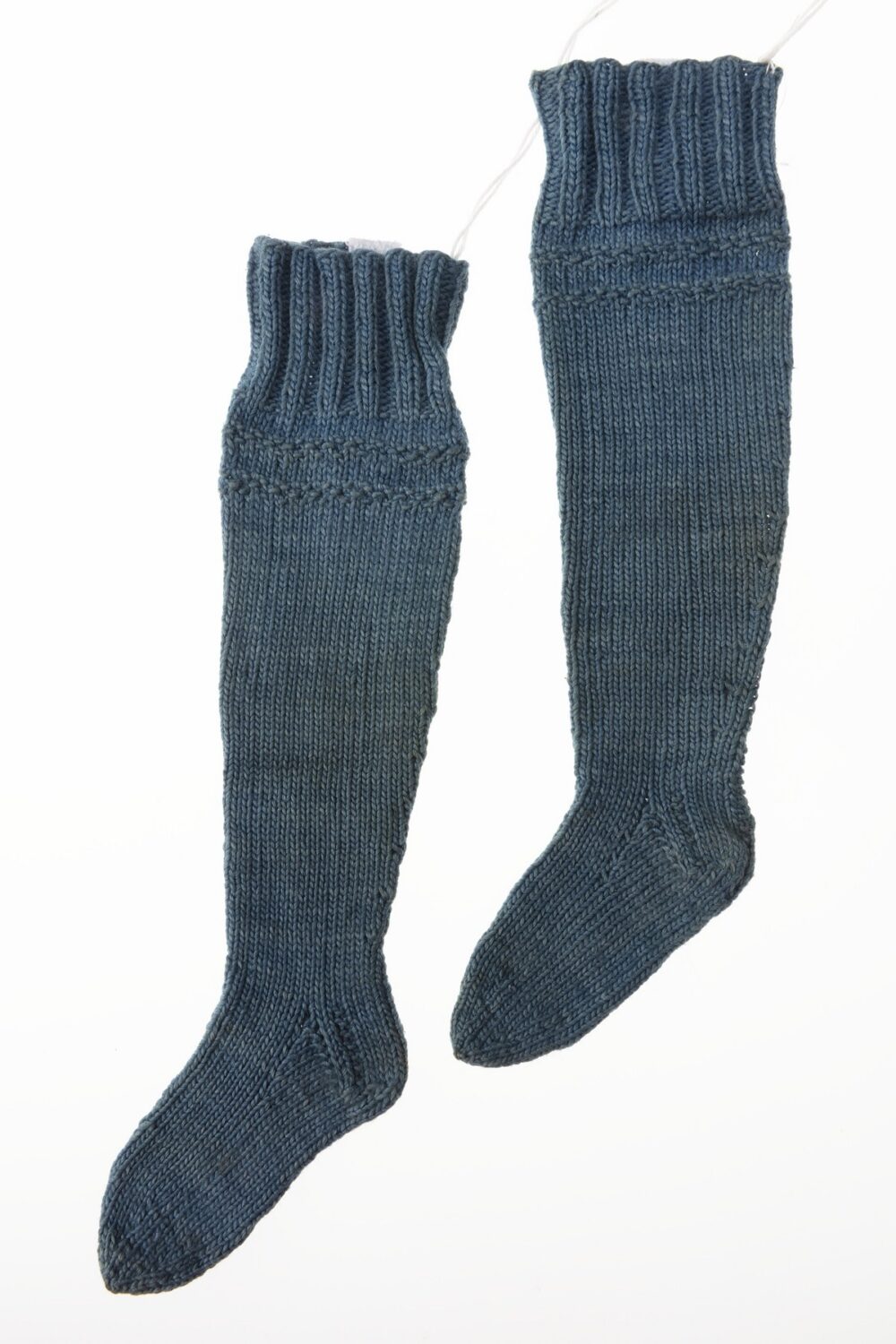
You’ll generally pay in the low-to-mid price range for cotton cable knit jumpers in Australia, whether you’re buying one for yourself or testing styles for a small ecommerce store. Mass retailers sit at the entry tier, while imported and branded options cost more once you factor in shipping. The real swing in value isn’t the ticket price; it’s how the cotton feels, how the cables are knitted, and what you pay to actually get the jumper to your door.
For a single jumper, Australian mass-market chains like Target offer affordable cotton cable knits that set the baseline for casual winter wear. Their Australian cotton cable knit jumper is representative of the entry tier: pure cotton, simple cable, accessible pricing aimed at everyday buyers rather than luxury knitwear. Imported mid-range players, such as Next’s cable-knit cotton crew styles listed on Next Australia, usually sit above that baseline and may include cross‑border shipping in the total cost.
What cotton cable knit jumpers cost in Australia: price tiers and cost breakdown
Think of cotton cable knit jumper pricing in three broad tiers:
- Entry-level, mass market – Australian chains like Target sell Australian cotton cable knits as everyday basics. Construction is straightforward and sizing runs wide, which makes them a reference point for “budget but wearable” jumpers.
- Mid-range imported – Retailers such as Next Australia ship cotton cable knits from overseas. You’re paying for brand positioning and added design details, and your effective cost depends heavily on delivery fees and any currency conversion.
- Specialist knitwear labels – Dedicated knit brands (for example, cable knit collections from Cotton Traders) emphasise pattern variety, weight and fibre quality. Their jumpers can feel noticeably denser or softer, and are often priced for buyers who prioritise longevity over initial outlay.
For Australian buyers and small resellers, it helps to separate garment price from landed cost:
- Garment price: the advertised jumper price.
- Shipping: local postage or international freight; cross‑border can quickly push a “cheap” jumper into mid-range territory.
- Taxes and duties: for personal use you may not see much applied, but for business importing multiples you need to factor GST and any duty on the shipment value.
If you’re sampling one or two jumpers, entry-level retail often ends up cheaper than chasing the lowest sticker price overseas once you include delivery.
Why similar-looking jumpers are different prices: fabric, knit, brand and order size
Scroll through cable knit jumpers online and many look interchangeable in a thumbnail. The price differences usually come from a few specific things.
1. Cotton quality and blends
A jumper described simply as “cotton” can be anything from firm, budget yarn to softer long-staple cotton. Specialist retailers like Cotton Traders show how fibre choice changes weight and feel: heavier yarns create a denser cable, lighter yarns feel cooler and more breathable. Blends with acrylic or polyester often lower the garment price but can trade off breathability.
Australian fashion buyer commentary on knitwear quality points out that cheaper knits tend to pill and lose shape quickly, especially after a season of wear and washing. That means your “cheap” jumper may cost more per wear than a slightly pricier piece that keeps its structure.
2. Cable pattern complexity and knitting time
Simple vertical cables, as seen on many mass-market jumpers, are quicker to produce than multi-directional or heavily textured patterns. Collections like Cotton Traders’ cable knit range illustrate this: more intricate layouts and all-over textures signal more knitting time and can justify a higher price for both end buyers and bulk sourcing.
3. Brand and positioning
Mid-range brands selling through platforms like Next or Australian fashion sites charge for style and brand story as much as fabric. DHgate’s own editorial on cotton sweaters highlights that mainstream labels such as Gap and Uniqlo have historically offered cotton cable or crew knits at accessible prices, generally under about US$60, but still above mass-market basics due to design and brand value.
4. Single purchase vs bulk sourcing
For a one-off jumper, you’re paying full retail plus shipping. For small-bulk orders (say, 10-50 units for a boutique), the cost per jumper becomes a mix of:
- unit price at wholesale or marketplace level
- minimum order quantity (MOQ)
- any custom work (private labels, color changes)
- per-shipment freight and duties spread across the order
A cheap-looking listing with a low unit price can end up costing more than a local wholesale deal once you layer shipping and import charges.
Here’s a quick way to reality-check pricing when jumpers look similar:
| Factor | Budget mass-market cotton cable | Mid-range branded cotton cable | Impact on small-bulk sourcing value |
|---|---|---|---|
| Fibre & feel | Basic cotton, may feel stiffer | Softer or finer cotton yarn | Higher-quality yarn can justify resale mark-up |
| Cable pattern | Simple, repeating cables | More complex or varied textures | Complex patterns can differentiate your range |
| Expected durability | More risk of pilling/stretch | Better shape retention with care | Lower returns and complaints over time |
| Per-unit price (no shipping) | Lowest sticker price | Mid-range sticker price | True value depends on freight and duties |
Choosing a sourcing channel on a budget: local retail, wholesale and marketplaces
You have three realistic channels for cotton cable knit jumpers on a budget: local retail, local/nearby wholesale, and cross-border marketplaces.
Local retail (Target, THE ICONIC, etc.)
- Best for: single jumpers, quality testing, small test orders.
- Pros: predictable sizing, local consumer law coverage, easy returns, clear pricing.
- Cons: limited margin if you’re reselling; you’re paying full retail.
Buying a Target Australian cotton cable knit or a cotton cable style through an Australian platform like THE ICONIC gives you a concrete feel for what entry-level and mid-range quality look like in person before you commit to any bulk source.
Local or regional wholesale suppliers
- Best for: small ecommerce businesses wanting reliable replenishment and manageable MOQs.
- Pros: clearer communication, easier returns and replacements, shorter lead times.
- Cons: per-unit prices may be higher than the lowest overseas listings, and styles can be more generic.
If your brand promises Australian-quality basics, sourcing from local wholesalers who carry similar cotton cable knits to what Target and mid-range retailers sell often lines up better with your positioning than chasing ultra-cheap imports.
Cross-border marketplaces (including DHgate)
Cross-border marketplaces can be useful only when you’re disciplined about total landed cost and quality checks. You may find very low unit prices for cotton cable knit or cotton-blend sweaters, but you must:
- calculate item price + international shipping + any duties or import taxes per shipment
- check seller ratings and buyer photos for knit density and pilling issues
- clarify how returns or defects will be handled, particularly for business orders
If you’re weighing marketplace sourcing against other routes, it can help to first understand how customs and import fees will affect your overall budget. The explainer on customs, tariffs and import fees breaks down that piece so you can plug realistic numbers into your jumper sourcing maths.
Practical ways to keep jumper costs down without trashing quality
To balance budget and quality, focus on a few concrete moves:
- Use mass-market jumpers as a fit and fabric benchmark. Try an Australian cotton cable knit from Target, then compare any potential wholesale or marketplace source against that feel and weight.
- Prioritize cotton density and cable definition over trend details. Collections like Cotton Traders’ cable knit jumpers show how a well-defined cable in solid cotton can look timeless without heavy branding.
- Avoid the cheapest cotton blends for your core range. Australian knitwear experts warn that very cheap knits tend to pill and stretch out quickly; that’s a red flag for any jumper you plan to sell through your store.
- Batch your imports if you go cross-border. Spreading freight and duty across a meaningful order size often makes more sense than testing one or two jumpers via overseas marketplaces, where shipping can outweigh the savings.
For many Australian buyers, the sweet spot is an affordable cotton cable knit from a local retailer or mid-range brand, bought in-season when you need it. For small ecommerce businesses, the sweet spot is usually local or regional wholesale for your staple jumpers, with cross-border marketplaces as an occasional source of experimental styles once you’ve done the numbers on total landed cost.