
For most home embroiderers and small ecommerce shops in Canada, the decision is: pay a bit more for a machine from a mainstream or specialist retailer with straightforward shipping, or chase lower sticker prices from export‑oriented suppliers in China and budget for higher risk and extra import costs. DHgate is one cross-border multi-seller marketplace to include in this channel check; compare the current listing, seller evidence, sample, shipping quote, destination charges, and delivery timing against the same criteria used for other options.
What Actually Drives the Cost of a Chain Stitch Embroidery Machine Online
The price you see in a listing is only one part of what you’ll pay to get a chain stitch machine to your door in Canada.
1. Machine price.
Handle‑operated chain stitch embroidery machines from export‑focused suppliers such as Foxsew on Made‑in‑China are typically in the low hundreds of US dollars before shipping. Portable single‑head chain stitch embroidery machines aimed at export buyers, like the units listed by ZJ Qihong on Made‑in‑China, tend to land in the mid‑ to upper‑hundreds depending on configuration.
On the consumer side, Walmart treats chain stitch machines as a distinct product category, with listings under its “chain stitch machine” category. That signals mainstream availability at prices that are designed for individual buyers rather than factories.
2. Shipping and freight.
From a Canadian perspective, shipping often doubles the effective price of a budget machine. Domestic shipping from a North American retailer is usually a flat or simple rate. In contrast, cross‑border freight from China can vary widely by method (postal, courier, freight) and weight. A cast‑iron, table‑mounted chain stitch machine costs more to move than a compact portable unit.
3. Import charges (duties, taxes, brokerage).
If you import directly from overseas, you may owe GST/HST and possibly duty when the machine enters Canada. The exact amount depends on how the machine is classified under tariff rules and its declared value. Treat this as a real cost line item and check with your carrier or a customs broker; don’t assume the listing price is your total.
4. Platform and payment costs.
Marketplaces and B2B platforms bake their fees into the product price, but your payment method can add currency conversion and foreign transaction costs. If you’re paying a supplier in USD or CNY from a Canadian card, expect a few percent extra on top.
Taken together, that means a “$250” chain stitch machine from a China‑based supplier may land closer to $350–$450 CAD once you factor in freight and import charges, while a slightly higher sticker price from a Canadian‑facing retailer can end up similar or cheaper on a landed basis.
Why Prices Vary So Much: Machine Type, MOQ, and Cross‑Border Factors
Two chain stitch machines that look similar in photos can be designed for very different buyers. That’s a big part of why prices stretch from low hundreds into four figures.
Machine type and use case.
A handle‑operated machine like the Foxsew models on Made‑in‑China is aimed at decorative embroidery and traditional chainstitch work, often on smaller runs. Portable single‑head machines, such as the export‑oriented listings from ZJ Qihong, are designed to give you a self‑contained embroidery unit that can move between locations and jobs.
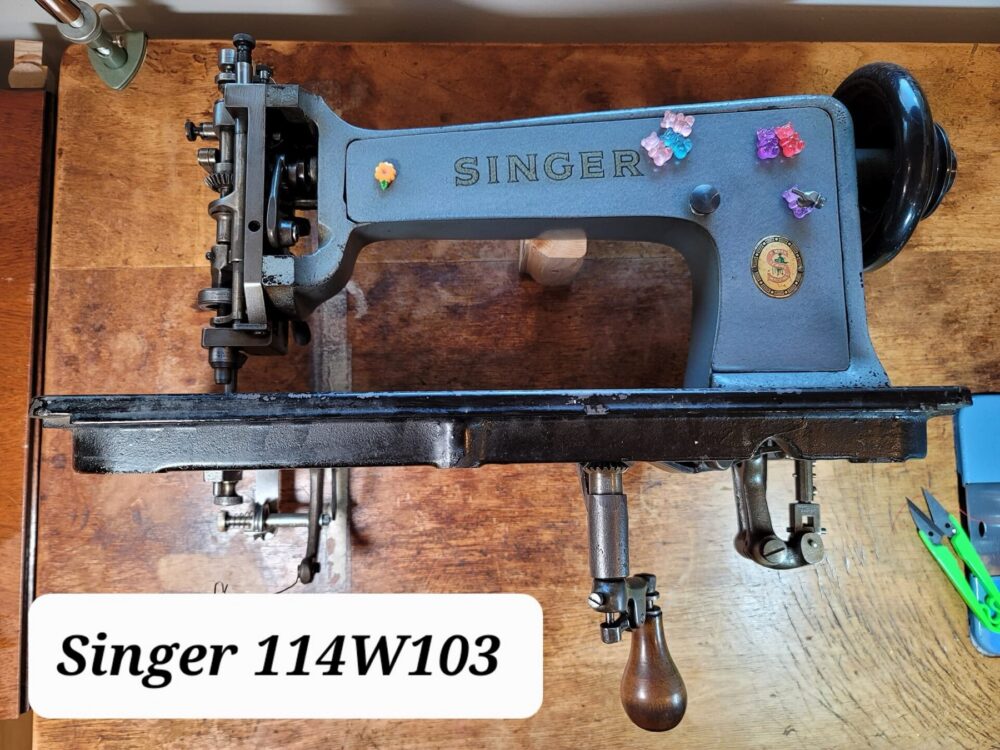
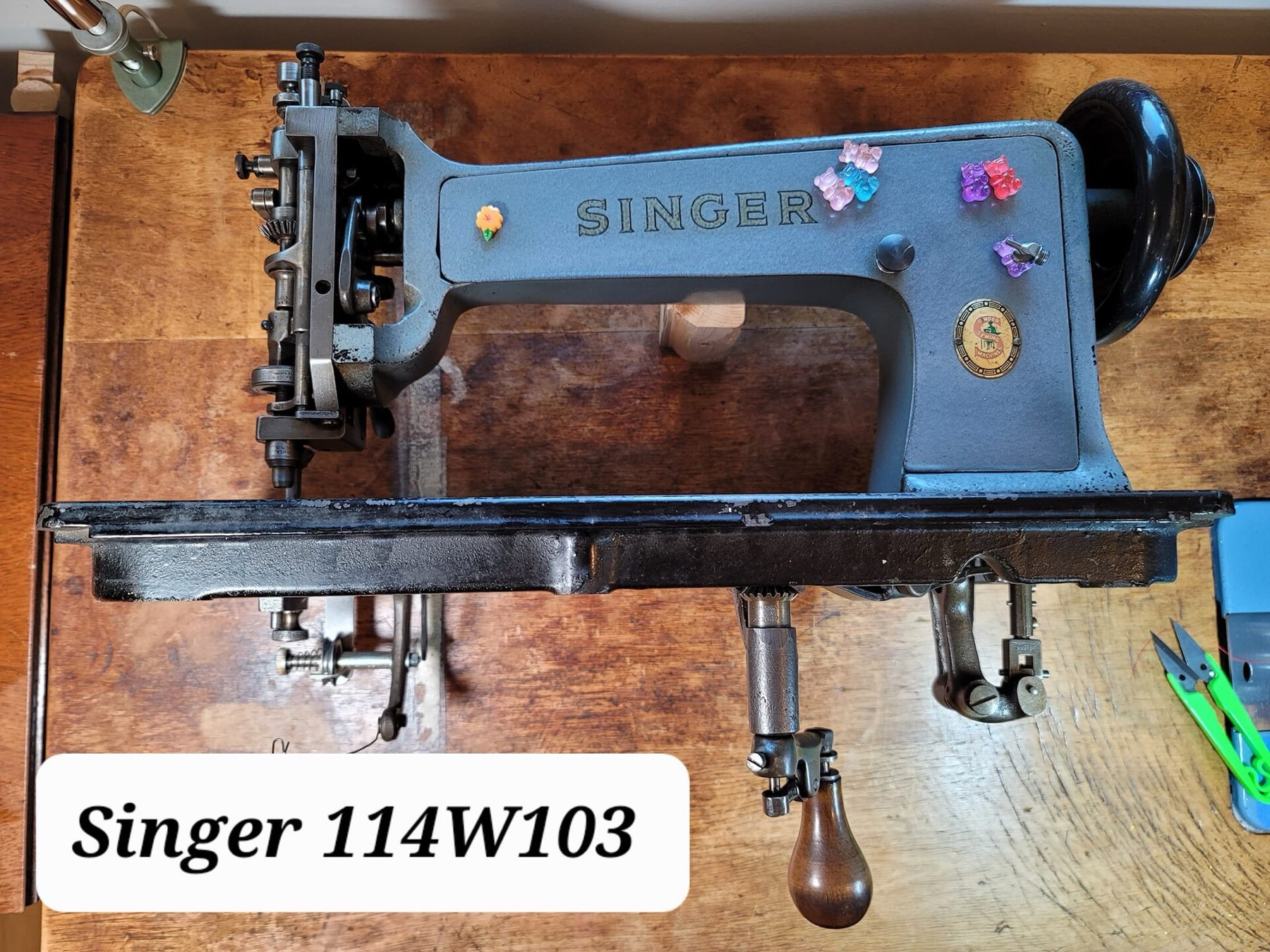
On the retail side, ShopAbunda sells a handle‑operated single‑needle chain stitch embroidery machine explicitly marketed as a replacement for vintage Cornely/Singer 114w103‑type machines. That kind of product targets home studios and small brands chasing a specific vintage aesthetic, not mass factory output, and its pricing reflects that niche appeal.
New vs. used vs. “replacement” style.
Industrial‑grade machines sold new through B2B platforms carry the cost of modern manufacturing and export distribution. In contrast, used vintage machines traded on auction sites can be cheaper upfront but will often need restoration, parts and local servicing. Modern “replacement” machines like the Abunda example sit in between: new hardware, but tuned and marketed for a vintage stitch look.
Minimum order quantity (MOQ) and supplier expectations.
Export‑focused platforms often list machines with a suggested MOQ. Even when the MOQ is only one unit, the supplier may expect ongoing business or bulk orders, which can influence how much support you receive. Low MOQs help small Canadian businesses get access to industrial gear, but they don’t automatically make every listing suitable for a one‑off home purchase.
Cross‑border logistics.
Buying a machine that ships from within North America usually means simpler logistics, clearer delivery windows, and domestic consumer laws. Buying from China via an export marketplace introduces language, time‑zone, and service barriers. If a portable machine arrives with an issue, resolving it can be slower and more complex than returning a unit bought from a Canadian‑facing retailer.
Choosing the Right Channel: Marketplaces, Specialist Dealers, and DHgate
Once you understand the cost drivers, the next decision is where to buy. Broadly, you have three channel types for budget chain stitch machines.
To keep this grounded, here’s how they compare for a Canadian home or micro‑business buyer:
| Channel type | Typical offerings for chain stitch machines | Price feel (machine only) | Best fit for… |
|---|---|---|---|
| Mainstream marketplaces (e.g., Walmart) | Consumer‑oriented chain stitch machines as a distinct category, often compact or entry‑level models | Priced for individual buyers; often competitive with big‑box retail | Home users wanting simple specs, easy checkout, and familiar brands |
| Specialist sewing retailers (e.g., AllBrands) | Dedicated chain stitch and ornamental embroidery machines, sometimes with tables and motors | Mid‑ to high‑range; reflects pro hardware and dealer support | Serious hobbyists and small apparel shops needing specific stitch quality |
| China‑focused B2B platforms (e.g., Made‑in‑China, Cross-border multi-seller) | Handle‑operated and portable single‑head chain stitch embroidery machines aimed at export | Often low hundreds of USD before shipping for basic units, higher for complex models | Small businesses willing to manage import logistics to access lower ex‑factory pricing |
Multi‑retailer comparison sites like Wikishopline’s sewing machine category show just how broad the selection is across mainstream marketplaces and specialist shops. No single channel dominates; instead, each serves a different level of buyer.
Within specialist retailers, sites like AllBrands maintain categories for chain stitch and ornamental embroidery machines, including manual free‑motion models that come with tables and servo motors. Those bundles cost more than a bare portable unit, but they’re closer to plug‑and‑play solutions for an embroidery‑focused home studio.
Practical Ways to Keep Your Chain Stitch Machine Budget Under Control
You don’t have to chase the absolute lowest sticker price to stay on budget. A few targeted tactics help more:
Look at landed cost, not just the tag.
Compare a Walmart chain stitch machine’s price plus domestic shipping to the combination of machine price, international freight, and estimated import charges from a Made‑in‑China supplier. For Canadian buyers, that landed comparison often shrinks the apparent gap between channels.
Match the machine type tightly to your projects.
If your work is mostly decorative logos and monograms, a handle‑operated or manual chain stitch machine might be enough. Buying a portable single‑head unit with features you don’t actually need adds cost without value. Use examples like the ShopAbunda Cornely/Singer‑style replacement to think about whether you need vintage‑style freehand capability or more automated operation.
Bundle intelligently when sourcing from China.
If you decide to source through Made‑in‑China or similar platforms, consider whether you can ship a machine together with other inventory your business needs. Consolidating shipments can spread freight and brokerage costs across multiple items instead of loading them onto a single machine.
Plan around Canadian import rules instead of guessing.
For any cross‑border buy, treat customs, tariffs and import fees as a predictable, researchable cost. Resources like this DHgateWiki overview of customs, tariffs and import fees explain the basic concepts, even though they’re not a substitute for professional advice. Use that kind of guidance to decide whether a higher local price is actually cheaper once all taxes and fees are included.