
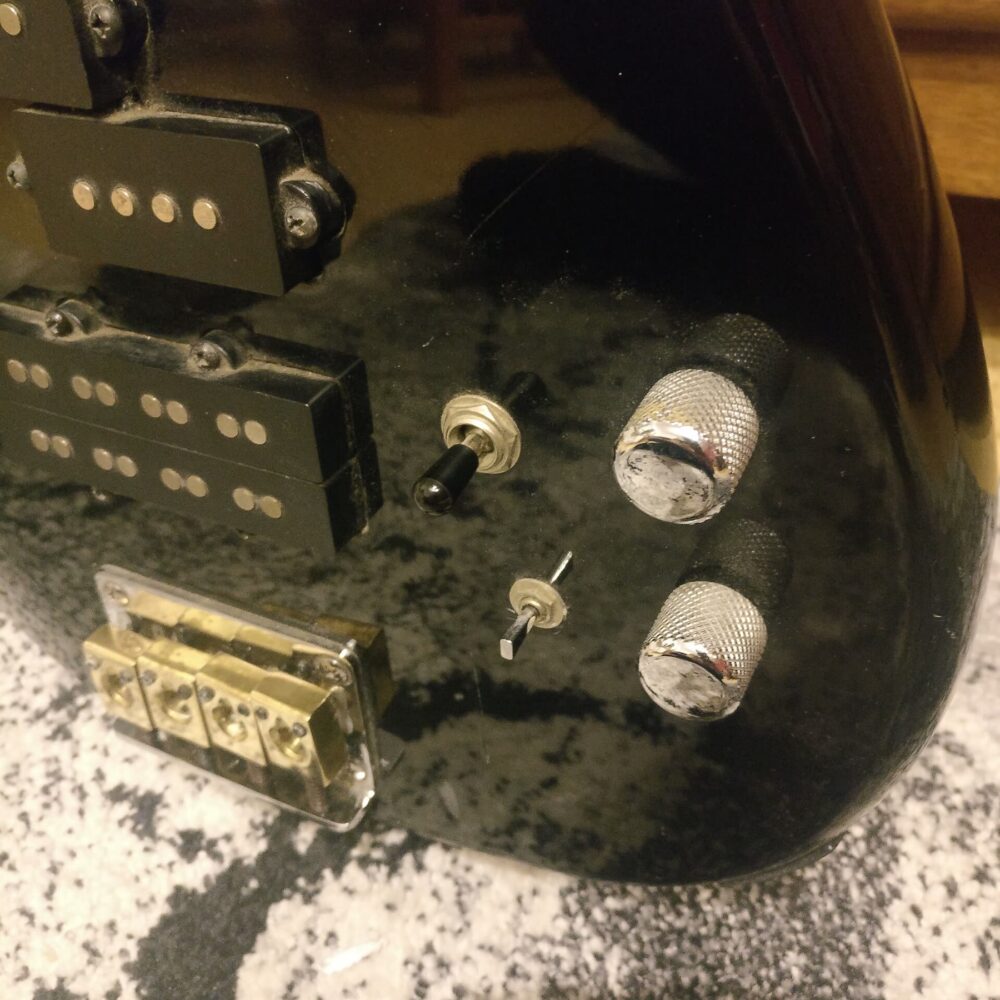
If you’re chasing better jazz or rock tone on a tight budget, bass pickups are often the highest-impact upgrade. For jazz, blues and funk, players commonly favor passive single‑coil pickups: they tend to sound bright and clear, with enough articulation to let walking lines and syncopated riffs speak. For rock and metal, humbuckers or other higher‑output designs usually win out because they deliver a thicker, warmer, more compressed tone that takes overdrive well. That tonal shift is real, but the total cost of upgrading is driven as much by installation, shipping and import charges as by the pickup price itself.
Upgrading makes the most sense when your current bass plays well but sounds dull or noisy. If the neck is stable and the hardware is usable, a decent pickup set from widely recommended budget brands (like Seymour Duncan or DiMarzio mentioned in editorial sources) can transform the instrument’s voice without forcing you into a new bass purchase. If the bass has playability problems, you’re often better off putting that pickup money toward a better instrument instead.
What Drives the Real Cost of Upgrading Bass Pickups for Jazz and Rock
Pickups convert your string vibration into an electrical signal; they play a key role in your bass’s tone and dynamic feel. That doesn’t mean every upgrade is cheap.
For a Canadian or US buyer, the real cost of a pickup upgrade typically breaks into four buckets:
- Pickup hardware itself – The set price is obvious, but specs matter. A basic passive single‑coil set for a Jazz‑style bass will usually run less than specialized noiseless or active systems. Higher‑output humbuckers and active pickups with built‑in preamps cost more because there’s additional winding and electronics involved.
- Installation and setup – If you’re not doing the soldering yourself, factor in a tech’s bench rate. Swapping a direct‑fit J‑bass single‑coil set is straightforward; converting a passive bass to active with battery compartment work can be substantially more labor. Any upgrade should include a basic setup afterward (pickup height, action, intonation) because those adjustments affect the tone just as much as the pickup choice.
- Shipping, taxes and import charges – Ordering cross‑border can save on sticker price but add:
- International shipping to Canada/US
- Currency conversion fees on your card or payment service
- Possible customs duties, GST/HST or state sales tax on arrival
For higher‑value sets, those extras can erase most of the savings from a cheaper headline price. Our internal guide on customs, tariffs and import fees breaks down how those charges tend to be calculated.
- Risk and returns – Buying a widely reviewed pickup model through a domestic retailer or established brand distributor makes exchanges easier if the tone isn’t what you expected. Cross‑border returns are slower and costlier, which matters if you’re experimenting.
A simple scenario illustrates the tradeoff:
- Cheap bass + upgrade: You own a low‑end J‑style bass that plays fine but sounds noisy and thin. Dropping in a budget single‑coil set tuned for vintage jazz/funk clarity can give you a convincing club‑ready tone with moderate spend.
- Higher‑end bass instead: If your current bass has dead frets and unstable tuning, you might spend almost as much fixing it as buying a mid‑range Jazz or PJ bass that already includes decent pickups and hardware.
On a strict budget, ask yourself: Does this instrument deserve better pickups? If the answer is yes, you can safely prioritize a pickup upgrade before bridges or tuners.
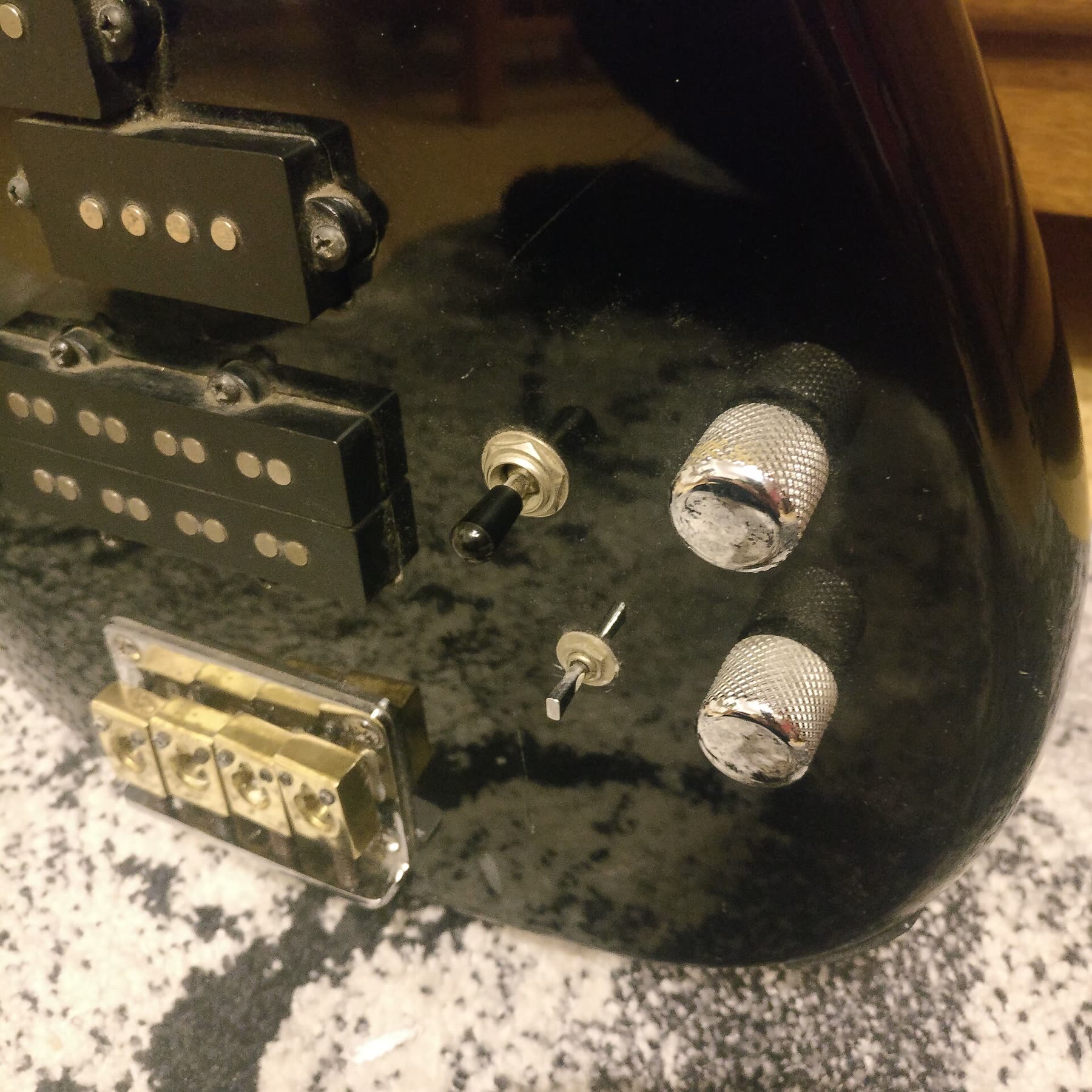
Pickup Types, Tone Goals, and Price Factors for Budget Jazz and Rock Basses
Different pickup designs have predictable tonal tendencies. Matching those tendencies to your genre and budget is more useful than chasing brand names alone.
Here’s a compact way to think about it:
| Pickup type | Typical jazz/funk use | Typical rock/metal use | Cost trend (budget level) |
|---|---|---|---|
| Passive single‑coil | Bright, clear, articulate; popular for jazz, blues, funk and similar styles as noted in genre guides like BSharp-Cville. | Can work for classic rock; more noise and less thickness at high gain compared with humbuckers. | Often the most affordable; wide choice of budget “vintage” or modern sets. |
| Humbucker / split‑coil | Warmer and thicker; good if you want more low‑mid punch than traditional J‑bass sparkle. | Widely used for rock and metal; thicker, fuller tone with less single‑coil noise, as outlined in ProducerHive’s overview. | Typically mid‑priced; more wire and magnet mass, sometimes dual‑coil construction. |
| Active pickup | Can deliver very clean, hi‑fi jazz/fusion tones and consistent output across the fingerboard. | Often chosen for modern rock/metal where high output and clarity at high gain are desired, as discussed by My New Microphone. | Higher initial cost plus wiring and battery compartment work. |
For budget jazz tone:
- A passive single‑coil set voiced for “vintage” or “60s” character is a common choice. These usually emphasize upper mids and treble for clarity.
- If you play in noisy clubs, a noiseless J‑style pickup (still single‑coil‑inspired but hum‑cancelling) costs more but can be worth it.
For budget rock tone:
- Many players gravitate to humbucker or split‑coil designs for a more muscular low‑mid push and reduced hum under distortion.
- Active pickups are a step up in price but give a very controlled, high‑output signal that stays defined as gain increases.
Brand impacts cost as well. Editorial sources that discuss budget bass hardware often point to Seymour Duncan and DiMarzio as examples of widely recommended, reasonably priced upgrade options, not necessarily the cheapest on the market but a safer bet than no‑name imports when you want predictable quality.
If you’re a small ecommerce seller building inventory, sticking to 2-3 proven models in each category (e.g., one passive J set, one P or PJ humbucker style, one active soapbar-style) simplifies customer support and reduces the risk of being stuck with hard‑to‑sell pickups.
Choosing a Sourcing Channel and Keeping Your Bass Pickup Budget Under Control
Once you know roughly what you want (say, a vintage‑voiced single‑coil J set for jazz, or a high‑output humbucker for rock), the next question is where to buy.
For Canadian and US buyers, the main channels look like this:
- Domestic retailers and online music shops – Easiest for returns and warranty, and you can often hear demos of specific models. Total cost is usually just item price plus local tax and shipping.
- Brand‑aligned distributors – Good for small ecommerce businesses that want a steady supply of specific models. You may get better pricing at modest volumes, but MOQs and account setup add friction.
- Online marketplaces (including DHgate) – These platforms list a mix of branded and generic bass pickups. For cross‑border sourcing, they can be attractive for experimenting with low‑cost hardware or building a budget line, but your margin lives or dies on the landed cost.
On a marketplace like DHgate, treat each listing as its own micro‑deal:
- Compare item specs closely (single‑coil vs humbucker vs active, resistance/output numbers, wiring diagrams) instead of relying on generic descriptions.
- Read buyer reviews for noise levels, reliability and fit in common bass formats (Jazz, Precision, PJ, soapbar).
For small ecommerce batches, a practical approach is:
- Test tone and reliability with a very small order from any cross‑border marketplace before committing to inventory.
- Use domestic channels for known branded pickups you plan to advertise explicitly, so you don’t run into authenticity questions or long return cycles.
To keep your budget under control:
- Decide upfront whether you’re targeting jazz‑leaning clarity or rock‑leaning thickness, and filter pickups by type accordingly. This avoids buying “everything” to experiment.
- Stick to passive designs unless you specifically need active output and clarity at high gain; passive pickups are cheaper to buy and install.
- Bundle purchases: if you’re upgrading two band‑member basses or stocking your small shop, shipping per pickup usually drops when you order several at once.
- Time cross‑border orders around your gig or sales schedule; give yourself a buffer so slower shipping doesn’t force you into last‑minute domestic rush purchases.
If swapping pickups feels like overkill for your current instrument, don’t forget the alternative: a mid‑range Jazz or PJ bass with decent stock pickups can sometimes be the most budget‑friendly “upgrade,” especially once shipping, import fees and installation are added to the pickup line on your spreadsheet.