
You can keep bass guitar cabinet costs under control by treating the price tag as only one part of the bill. For a UK buyer, the real cost is the product price plus domestic or international shipping, import VAT and any handling fees. Heavy cabs are expensive to move, so local and used options often beat cross-border buys unless you’re ordering multiple units or going for very cheap generic cabinets.
What Makes a Bass Cabinet Expensive or Cheap?
A bass guitar cabinet is the speaker enclosure that projects the instrument’s low frequencies; it may house one or more drivers in different sizes and configurations, each with its own tone and portability tradeoffs. Sources like American Musical’s bass cabinet listings show cabinets ranging from compact single-speaker boxes to larger multi-speaker rigs, all built to handle bass’ low end.
For a UK buyer, the total cost for a cab breaks into four buckets:
- Product price – The base price of the cabinet itself, which varies widely with brand, power handling, and configuration.
- UK shipping – Parcel courier for lighter, compact cabs or pallet freight for bigger 4×10/6×10 boxes. Heavy cabinets distort the shipping bill fast.
- Import VAT and duty (for cross-border orders) – On top of the product and shipping cost, international purchases usually incur UK VAT and sometimes customs duty. The exact rate depends on classification and value, so treat it as a material extra cost, not a rounding error.
- Handling and payment fees – Carrier brokerage, card FX fees, and platform charges can add a few percent to an overseas purchase.
For a single UK player buying one cab, the weight often dominates the cost decision. A mid-sized (say 2×10 or 1×12) cabinet from a domestic retailer avoids international shipping and import charges altogether, making the product price much closer to your true spend. Shops such as GigGear in the UK list multiple configurations, illustrating that budget-friendly cabs are available domestically without crossing borders.
For a small ecommerce seller importing a batch of cabinets, the picture changes. Freight can be spread across several units, and VAT becomes a standard part of the landed cost. In that case, lower ex-factory prices on generic or lesser-known brands might offset the extra logistics.
How Specs, Weight, and Order Size Push Your Price Up or Down
The way a bass cab is built has a direct impact on cost, especially once you factor in shipping and duties.
1. Configuration and speaker count
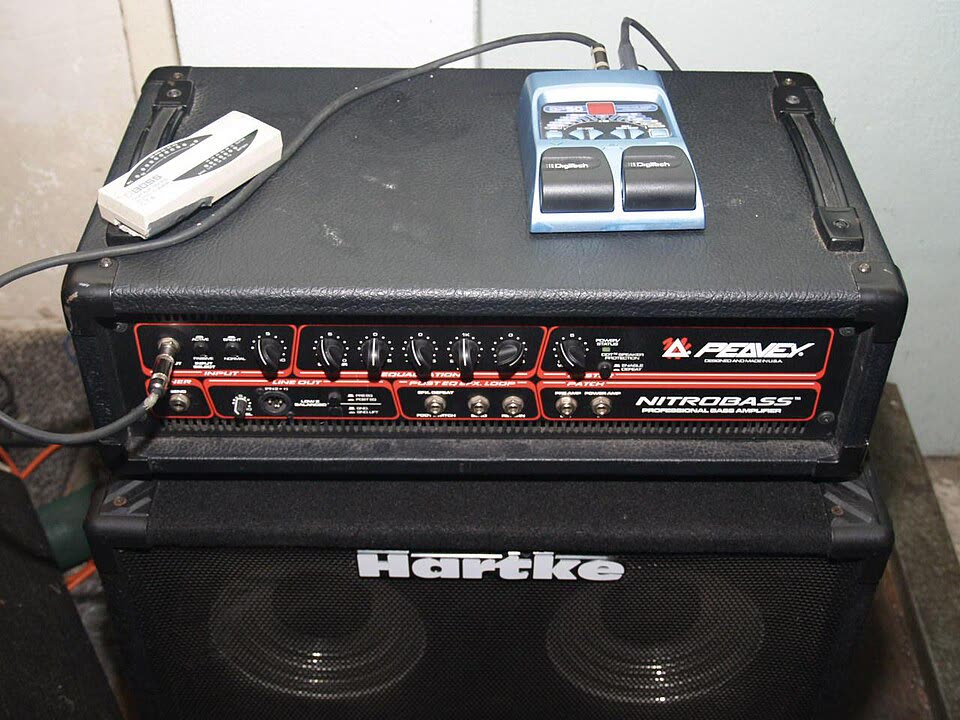
Multi-speaker cabs cost more and weigh more. The Peavey bass cabinet range, for example, includes 1×15, 2×10 and 4×10 designs with power ratings suited to budget and midrange rigs, showing how adding drivers and wattage shifts a product into a higher tier of performance and price (Peavey bass cabinets). More speakers mean more volume and headroom, but they also mean a larger box and higher freight costs.
2. Driver size and power handling
Bigger drivers (like 15-inch) and high power handling are great for loud rock or metal but need robust construction. That tends to push both manufacturing cost and shipping weight up. A smaller 1×10 or 1×12 is easier to carry, can ship by standard parcel services, and often suits rehearsals or small venues on a budget.
3. Branded vs generic cabinets
Branded gear typically carries a premium for design, materials and tone. Warwick’s bass amp and cabinet offerings are a good example of how a recognisable brand commands higher prices than unbranded boxes with similar basic specs (Warwick bass amps). That premium might be worth it if your business sells on name recognition; a generic cab will be cheaper per unit but harder to market.
4. Custom work and features
Custom tolex, unusual form factors or boutique driver choices all add cost. For a budget-focused buyer, anything that isn’t essential to tone or reliability is a good candidate to cut.
5. Order size and shipping method
A single cab shipped cross-border almost always travels as an oversize parcel or single pallet, which is costly relative to the product price. A batch of cabs can move on consolidated freight, flattening per-unit logistics.
Here’s how those factors play out for two typical buyers:
| Buyer Type | Best Value Configs | Shipping Style | Practical Tradeoff |
|---|---|---|---|
| Solo UK bass player | 1×12 or 2×10, moderate wattage | UK parcel from retailer | Lower freight, enough volume for pubs and small clubs |
| Small ecommerce seller | 2×10 or 4×10, mix of branded/generic | Pallet or LCL freight | Better per-unit cost, higher upfront logistics and outlay |
| Function band player | Compact 2×10 or 1×15 | Local courier or pickup | Balance of volume, reliability and manageable transport |
| Studio-focused player | 1×10 or 1×12, lower wattage | Standard parcel | Cheaper, lighter cab tuned for recording rather than gigs |
A solo player usually saves money by choosing a smaller, lighter cab that still matches their amp’s output, while a reseller can justify heavier cabinets if they move enough units to spread freight and marketing costs.
Choosing a Sourcing Channel and Keeping the Bill Down
Once you know the specs you need, the biggest savings usually come from choosing the right channel, not shaving a few watts off the cab.
1. UK retailers and brand sites
Buying from UK retailers such as GigGear or directly from brands like Peavey or Warwick keeps things simple: you pay the UK product price plus domestic shipping, with VAT included at checkout. The upside is predictable costs and straightforward customer service; the downside is that you rarely access the very lowest unit prices you might see on generic imports.
Brand sites show the premium end of the spectrum. A Warwick or Peavey cabinet helps you benchmark power ratings, multi-speaker designs and typical mid-tier pricing, even if you eventually buy a cheaper alternative.
2. Used and refurbished marketplaces
Platforms like Reverb’s bass cabinet marketplace mix new and used cabinets from many brands. For a budget buyer, used 4×10 or 1×15 cabs are common, and the price drop compared with brand-new is often substantial. As a solo player, used local stock can be the sweet spot: no import VAT, often seller-collected, and you can judge weight and real-world condition in the listing.
A small ecommerce seller can source used cabs too, but volume and consistency are harder. You’re trading lower cost for more time spent hunting and more variability in condition.
3. Cross-border and general marketplaces (including DHgate)
Generic cabinets and unbranded stock sometimes show up on general marketplaces aimed at cross-border buyers. DHgate is one example that lists musical products among many other categories; in some cases generic cabinets may be cheaper per unit than branded gear. The catch is that bass cabs are heavy and bulky, so you need to:
- Check driver size, impedance, claimed wattage and dimensions carefully against your amp and use case.
- Look at seller ratings and photos to judge build quality, especially for unbranded products.
For a solo player, a single imported cabinet rarely beats a local used or budget-brand purchase once freight and VAT are added. For a small ecommerce business ordering a pallet of generic cabs, cross-border marketplaces may make sense if the ex-factory price is low enough and you’ve run the numbers on import costs. To tighten those estimates, it helps to understand UK customs, tariffs and import fees in more detail; you can explore that via this import-cost explainer on DHgateWiki.
4. Channel choice in two quick scenarios
- Solo UK player, tight budget, needs rehearsal and small gig volume: Prioritise a 1×12 or 2×10 from a UK retailer or Reverb. You avoid import charges, keep shipping cheap, and get a cab you can actually carry.
- Small ecommerce shop testing bass cabs as a product line: Start with a split order — a couple of recognisable branded cabs from UK/European distributors and a small batch of generic cabs sourced cross-border. Track how freight, customs and sell-through compare over a few months before committing to large pallets.
Quick Checklist: How to Keep Costs Down Without Ruining Your Rig
For either type of buyer, this targeted checklist helps you stay on budget:
- Define the minimum cab size and power you truly need (e.g., single 12-inch vs full 4×10 stack).
- Cap the maximum weight you’re willing to move; this narrows you to more shipping-friendly cabinets.
- Decide if you require a recognised brand (like Warwick or Peavey) or can live with a generic cab.
- Price the cab in at least two channels: UK retail/used and one cross-border option.
- Add realistic estimates for shipping plus VAT/import costs before choosing any overseas listing.
If a cross-border offer still looks cheaper after all those add-ons, it might be worth exploring. If not, a domestic or used cabinet is usually the better value, especially for one-off purchases.