
If you want authentic Blarney or Irish Celtic jewelry at a good price, your best bet is usually to start with Ireland-based specialists online (including Blarney’s own shop), then compare those offers to a few US Celtic retailers and budget marketplaces. Irish-made silver or Connemara marble pieces tend to cost more per item than generic Celtic designs, but when you factor in shipping, duties, and how long you’ll keep the piece, buying one or two well-made items directly from Ireland often delivers better value than chasing the absolute lowest sticker price.
For small ecommerce businesses, margins are typically better on non-branded Celtic-style jewelry from wholesalers or marketplaces, while Blarney-branded or clearly Irish-made lines work as higher-ticket, story-rich items.
What Counts as Blarney Jewelry vs General Celtic Jewelry—and Why It Affects Price
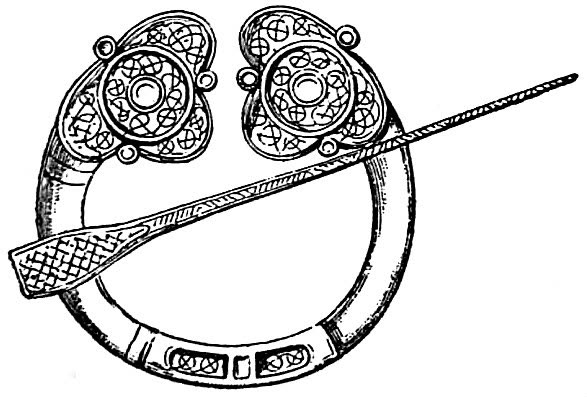
“Blarney jewelry” isn’t a generic category; it refers to Celtic jewelry sold under the Blarney Woollen Mills and Blarney Castle retail umbrella. Their ranges include iconic Irish motifs, such as Claddagh rings, Celtic crosses, and knotwork designs tied to Irish craft traditions, as described in their own overview of Celtic jewelry as a traditional craft.
On Blarney’s sites and blog, you’ll see pieces in sterling silver, gold, and designs that incorporate Irish materials like Connemara marble, a green stone quarried in Ireland and featured in their article on making Connemara marble jewelry. Those choices of metal and stone move a piece up or down the price ladder: sterling silver Claddagh earrings sit in a different band than a heavy gold Celtic cross or a multi-stone marble bracelet.
General Celtic jewelry is broader. US-based retailers such as CelticJewelry.com, The Irish Jewelry Company, and St Patrick’s Guild offer Celtic knots, crosses, Tree of Life designs, and triskele motifs that may or may not be made in Ireland. Some lines are handcrafted, others are more mass-produced.
For your budget, the key distinction is:
- Blarney / Irish-made artisan pieces – You’re paying for brand, origin story, and craft, plus higher material inputs.
- Generic Celtic styles – You’re mostly paying for the look; origin and craft vary widely, so prices do too.
Before you even look at shipping, decide which camp you’re in: do you need “Irish-made, bought from Ireland,” or simply “Celtic-inspired design that fits a price point”?
Cost Drivers for Blarney and Celtic Jewelry: Product, Shipping, and Cross-Border Fees
For US buyers, your total cost is more than the item price. Four big variables drive what you actually pay.
1. Product tier: metals, stones, and craft
Blarney’s Celtic jewelry spans:
- Sterling silver – Common for Celtic knot pendants, Claddagh rings, and earrings.
- Gold – Used in higher-end Celtic crosses or more elaborate knotwork designs.
- Connemara marble and other stones – As Blarney’s marble article shows, cutting and setting local stone adds labor and uniqueness.
Independent retailers like CelticJewelry.com emphasize handmade and custom pieces; those labor costs show up in final pricing even when they use similar metals.
Editorial rule of thumb: if two pieces look similar but one is Irish-made, uses local stone, and claims hand-finishing, expect that item to sit at a higher price tier than a generic machine-made design.
2. International shipping from Ireland
Buying from Ireland-based shops like Blarney or Erin Giftstore in Blarney typically means international shipping to the US. That can add a noticeable surcharge, especially for small orders.
Some retailers offer free or reduced shipping above a certain spend, but that threshold varies and isn’t guaranteed. For a single gift, you might pay a shipping fee that equals a substantial slice of the jewelry value; for a bundle of several pieces, shipping becomes more efficient per item.
3. Customs duties and import fees
US-bound orders from Ireland may be subject to customs duties or taxes when the order value crosses certain regulatory thresholds. The exact rates depend on current US rules and the HS code for the jewelry, and they can change over time.
Practical approach for both individuals and small resellers:
- Treat possible duties as a maybe-cost that kicks in on higher-value shipments.
- Factor an estimated percentage into your budget for large orders instead of assuming “no duties.”
- If you’re planning repeated imports, get familiar with tariff basics. A more detailed, platform-neutral explainer on customs and import fees is available at Understand customs, tariffs and import fees.
4. Retail vs small-bulk buying
If you’re a gift buyer, you’re almost always paying retail per piece. The main lever you have is choosing the right channel and timing, then bundling items to soften shipping.
If you’re a small ecommerce business, you might:
- Pay retail for a few flagship Irish-made pieces.
- Mix in small-bulk or wholesale orders of generic Celtic styles from non-Irish suppliers so your average unit cost stays competitive.
In both scenarios, you need to look past the product page and calculate a rough per-item cost that includes shipping and likely fees.
Choosing the Best Buying Channel for Your Budget
Different channels serve very different needs. Here’s how they usually stack up for US buyers and small resellers.
Quick comparison of common channels
| Channel | Typical strengths for buyers | Budget risks / tradeoffs |
|---|---|---|
| Blarney & other Ireland-based shops | Authentic Irish branding, craft, clear story; good gift selection | Higher per-piece price; international shipping; possible duties |
| US Celtic jewelry retailers | Easier shipping/returns; mix of artisan and mass-market designs | Origin varies; truly Irish-made lines can still be premium |
| General online marketplaces | Huge variety, often lowest sticker prices on Celtic-style pieces | Origin/craft often unclear; mixed quality; verification work |
| Blarney-area tourist shops | Good prices reported in travel reviews; tactile selection | Only useful if you’re physically in Ireland; no online efficiency |
Travel reviews of Blarney Woollen Mills describe it as a huge shop with separated sections for woolens, crystal, souvenirs, and jewelry, with “good prices” and wide gift selection. That’s great value if you’re already there, but doesn’t help a US shopper who would need a plane ticket to access the same shelves.
Direct from Ireland: Blarney and similar shops
Best for:
- Sentimental or milestone gifts (weddings, anniversaries, graduations).
- Buyers who care about brand, provenance, and Irish storytelling.
You’ll typically get:
- Strong Celtic motif coverage (Claddagh, Celtic crosses, tree of life).
- Clear references to Irish craft and sometimes named makers, such as the Boru jewelry legacy highlighted on Blarney’s blog.
To keep the budget sane:
- Favor sterling silver or modest marble pieces if gold pricing runs away from your ceiling.
- Batch purchases (e.g., one main item plus smaller gifts) so shipping spreads across multiple pieces.
US-based Celtic jewelry retailers
Retailers like The Irish Jewelry Company, St Patrick’s Guild, and CelticJewelry.com are good middle-ground options.
They can be better for your wallet when:
- You want Celtic design without strict Irish-made requirements.
- You’d rather not deal with international returns or customs surprises.
Aim for product pages that specify:
- Country of origin or at least “Irish-designed” or “handmade” notes.
- Metal type (e.g., 925 sterling silver) and any natural stones used.
This lets you approximate how close you are to Blarney’s level of craft while staying in a US-friendly shipping and tax environment.
Marketplaces (including DHgate) for budget Celtic styles
Large online marketplaces frequently list Celtic-style rings, pendants, and bracelets. These channels usually prioritize variety and low prices over verified Irish origin.
DHgate is one such marketplace. It can make sense if:
- You are a small ecommerce seller looking for low-cost Celtic-inspired fashion jewelry to test demand.
- Authentic Irish provenance is not central to your product story.
The tradeoff is that you need to do more work at the seller and listing level:
- Check photos carefully for design quality and finish.
- Look for clear statements about metals used (e.g., “stainless steel,” “alloy,” “925 silver”) and avoid vague descriptions.
- Treat any “Irish” or “Celtic” labeling as design language unless origin is specifically documented.
If you’re deciding whether marketplaces fit your business, broader platform context is available at Compare DHgate with AliExpress, Alibaba and Temu and Find wholesale suppliers on DHgate.
Tourist shops around Blarney
If you’re traveling to Ireland, tourist-focused shops near Blarney, including Blarney Woollen Mills and local gift stores like Erin Giftstore, are consistently described in reviews as offering good prices and a wide range of Irish products.
For budget-conscious travelers, the value plays are:
- Compare prices across two or three local shops before buying.
- Focus on silver, pewter, or marble pieces that are easier to carry home and less costly than large gold items.
For US-based non-travelers, these shops mainly illustrate what local Irish pricing looks like; they’re not practical ongoing channels.
Practical scenarios: how to balance authenticity and budget
Scenario 1: Individual gift buyer with mid-range budget You want a real Irish Claddagh necklace for a graduation gift.
- Start with Blarney’s Celtic or Claddagh collections and at least one Ireland-based peer shop. Pick a silver piece with a clear Irish origin story.
- Compare the total (item + shipping + estimated duties) against a similar design from a US Celtic retailer that states where it’s made.
- If Irish origin matters more than a small price difference, buy direct from Ireland and bundle small extra gifts to smooth shipping.
Scenario 2: Small ecommerce seller testing Celtic designs You want 20-50 affordable Celtic-style pendants to test in your store.
- Use marketplaces or non-Irish wholesalers for low-cost, generic Celtic motifs where unit price and margin matter most.
- Add a handful of Blarney-branded or clearly Irish-made pieces as a premium tier. Market them with their craft story and price them accordingly.
- Track sell-through: if customers respond strongly to authentic Irish pieces, slowly shift your mix upward; if not, keep them as limited, higher-margin accents.
If you approach Blarney jewelry this way—seeing Irish-made pieces as your story-driven core and marketplace Celtic styles as budget fillers—you’ll be able to respect authenticity where it matters without blowing the budget for yourself or your customers.