
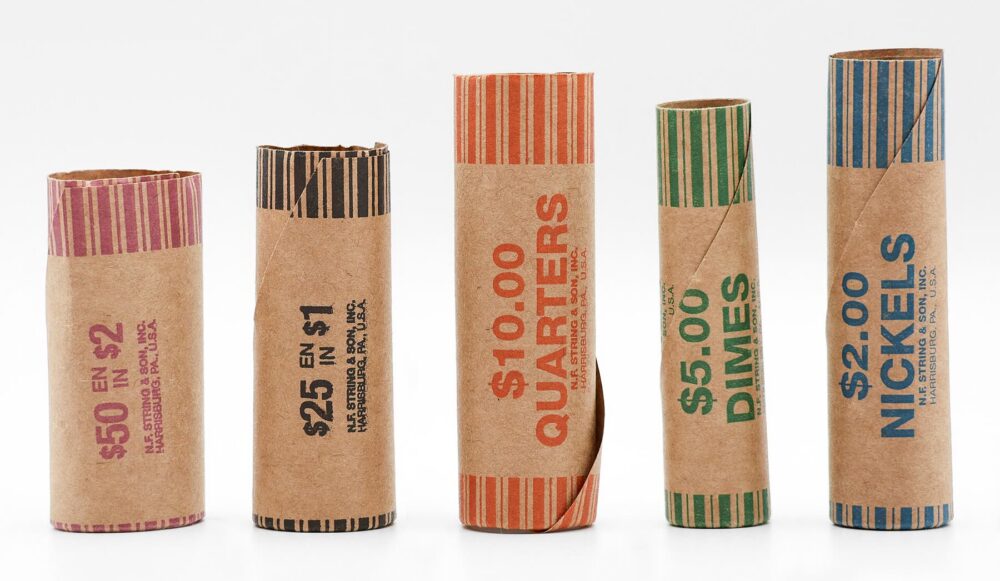
Most 2026 Emerging Liberty dimes you’ll see in change are worth 10 cents. The standard high‑mintage Philadelphia and Denver circulation coins usually trade right at face value, and even fresh rolls from the bank only bring a modest premium. The money starts to show up in uncirculated mint rolls, silver proof issues, and third‑party graded pieces at top grades, where prices move into low double‑digit territory on specialist marketplaces.
If you’re holding a handful of worn 2026 dimes, there’s no hidden jackpot. If you have an untouched roll, a proof coin, or a slabbed MS‑level piece, you may have something worth listing thoughtfully instead of spending.
What a 2026 Emerging Liberty Dime Is Worth Right Now
The 2026 Emerging Liberty dime is part of the U.S. Semiquincentennial program, with a commemorative design used on a full year’s dime mintage. Price guides like Coins‑Value.com and editorial overviews such as The Coin Wiki’s 2026 dime page and HeriBase all point in the same direction:
- Circulating P and D dimes (worn) – Usually worth face value. You might see small premiums if someone is building a date set, but they are budget coins.
- Uncirculated P and D dimes (BU single coins) – A bright, uncirculated piece might sell for slightly over face on collector platforms, but still in the low single‑digit range.
- Uncirculated mint rolls – Full rolls of Emerging Liberty dimes from the mint or bank can attract collectors. These typically sell with a modest premium over the roll’s face value, often in the low double digits.
- Proof and silver proof dimes (S mint) – Special proof issues, especially silver proofs, are where higher prices start. Guides describe these as carrying significantly more than face value, often in low double digits per coin depending on packaging and grade.
- Graded high‑MS coins (e.g., MS67) – Certified examples from major grading services at very high Mint State levels can sell for collector premiums, again generally in the low double‑digit price band per coin.
HeriBase’s editorial notes highlight that most of the value is concentrated in high‑grade and special‑finish pieces, while everyday circulation coins remain pocket change.
Why Some 2026 Dimes Bring Premiums and Others Don’t
The Emerging Liberty dime is not a low‑mintage rarity. Sites tracking mintage such as LuckyCoin describe the standard 2026 coins as high‑mintage, which means scarcity alone won’t push prices up. The factors that move a single dime beyond 10 cents are specific:
Mint mark and finish
The Coin Wiki overview explains that value depends heavily on mint mark and whether the coin is a standard circulation strike or a special finish. In practice:
- P and D circulation strikes: Very common, little or no premium in circulated condition.
- S proof (especially silver): Lower mintage and a collector audience, so they trade as small numismatic items, not pocket change.
Grade and eye appeal
Price guides such as Coins‑Value.com’s 2026 dime page separate values by condition. The jump is not between “lightly worn” and “average worn”; it’s between ordinary grades and sharp, uncirculated, certified pieces.
A raw BU dime might bring a tiny premium. A slabbed MS67 Emerging Liberty dime from a respected grading service can justify a noticeably higher price because it is a known, verified top‑end example.
Packaging and form factor
How the coin is packaged matters for what a buyer will pay:
- Loose singles: Easy to sell but limited upside unless graded or proof.
- Mint rolls: Appeal to collectors and small resellers building inventory; rolls often sell for a noticeable premium over face.
- Original mint packaging (sets): Intact proof sets or special Semiquincentennial products can pull collector demand beyond the value of the individual dime.
Market timing
The Semiquincentennial theme can create short bursts of interest as 2026 products launch and publicity spikes. But because the dime is a regular circulating denomination, values for standard issues tend to settle near face once the initial excitement passes.
If you’re a small ecommerce seller, that makes the Emerging Liberty dime most useful as a low‑cost entry product: inexpensive to stock, easy to ship, and occasionally boosted by design‑driven interest, not by rarity.
Picking the Right Selling Channel for Your 2026 Dime
You’ll get different net proceeds depending on whether you sell a single dime, a roll, or a graded or proof coin—and where you list it. DHgate’s editorial blog notes that people commonly sell government‑minted coins via online marketplaces, auction houses, and local coin shops, each with its own fee and convenience tradeoffs. That broad pattern fits what we see for 2026 Emerging Liberty dimes.
Here’s a compact view of how channels line up for typical 2026 dime scenarios:
| What you’re selling | Best‑fit channel (editorial view) | Why it fits for 2026 dimes |
|---|---|---|
| Single circulated Emerging Liberty dime | Spend it or include in a mixed lot online | Worth face value; fees will exceed any premium. |
| 1-2 nice BU circulation dimes | eBay, Etsy, Mercari | Active collector traffic and search visibility. |
| Full uncirculated P/D roll | eBay or specialist coin retailer listing | Buyers search specifically for rolls; fair reach. |
| Silver proof or proof set including the dime | eBay, Etsy, coin auction, or coin shop | Collector audience and ability to inspect images. |
| Graded MS67+ Emerging Liberty dime | eBay or a coin auction house | High‑end buyers look in these venues first. |
Online marketplaces (eBay, Etsy, Mercari)
Search results show active 2026 dime listings on eBay, Etsy and Mercari, which confirms that collectors and casual buyers are already browsing there. These platforms are usually the best choice for:
- Small lots of BU dimes.
- Mint rolls with clear photos.
- Proof or graded coins where you want national reach.
You’ll need to factor in selling fees and shipping, so low‑value single coins rarely make sense. Bundle them or focus on rolls and special issues.
Local coin shops
Local shops are efficient if you want speed over top price. For ordinary rolls or low‑grade material, a shop may offer close to face value plus a small premium. For nicer pieces, they’ll usually pay less than a full retail marketplace price but in cash and on the spot.
Shops are practical if you’re clearing inventory or don’t want to ship coins individually.
Auction houses
For truly standout items—a top‑pop graded Emerging Liberty dime, or a rare error variety—a coin auction house can expose your coin to serious collectors. DHgate’s blog mentions auction houses as a common route for rare coins precisely because of this reach and expertise, but they do charge percentage‑based fees.
Unless your 2026 dime falls into the “exceptional” bucket, auction fees will eat more than they return.
Where DHgate actually fits
DHgate itself is not a mainstream venue for selling U.S. government‑minted coins, but as a cross‑border marketplace it can be relevant around the edges. If you’re a small ecommerce business building a 2026 coin line, you might use DHgate to source coin‑adjacent supplies—like flips, tubes, presentation boxes, or display stands—and then sell the actual dimes on more coin‑focused platforms.
If you go that route, treat each DHgate listing as its own business: check seller feedback, product photos and descriptions, and sample small before buying packaging in bulk. For comparing DHgate with other sourcing sites, a broader marketplace overview like this comparison of DHgate, AliExpress, Alibaba and Temu is useful.
Practical scenarios: should you sell, hold, or spend?
To ground all of this in decisions:
- You found one 2026 dime in change. It’s circulated, P or D, with ordinary wear. Spend it; selling would net less than face after effort.
- You bought an uncirculated P&D roll. List it on a collector‑heavy marketplace with crisp photos and clear description. Expect a modest premium over face if demand stays steady.
- You own a silver proof Emerging Liberty dime in original mint packaging. This is worth listing individually. Price it in the low double‑digit band guided by current proof listings and price guides.
- You had a standout coin graded and it came back MS67 or higher. Check recent auction realizations and fixed‑price listings for similar graded pieces. If prices look strong, consider eBay with a Buy It Now and offers, or consign to an auction house if you’re comfortable with their fee schedule.
For small ecommerce sellers, the takeaway is simple: build your 2026 dime strategy around packaging, lots, and presentation, not raw face‑value coins. The Emerging Liberty design gives you a story; proofs, rolls, and high‑grade pieces are where the budget‑level profits actually sit.