
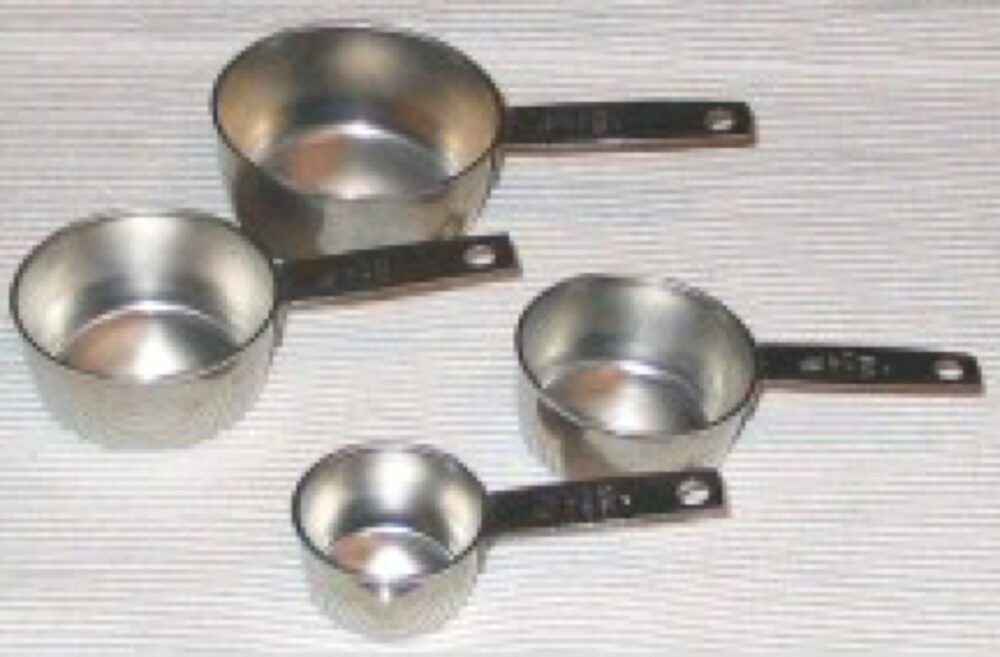
Cat-themed measuring cups are worth paying for when they’re both cute and accurate: food-safe plastic, ceramic, or stainless sets that include the standard volumes (¼, ⅓, ½, 1 cup), have clear markings you can read mid-recipe, and nest or stack properly despite the cat ears and tails. For most Australian buyers, Amazon, BigW, and Etsy are the easiest sources for single sets and branded gifts, while DHgate makes more sense for low-cost, generic or bulk cat-style pieces if you’re testing a product idea or topping up inventory.
The trick is to treat them as tools first, décor second. Compare material, markings, how exaggerated the cat shapes are, and where each platform is strong before you decide.
What Cat-Themed Measuring Cups Are (and Who They Suit)
Cat measuring cups are regular dry or liquid measuring cups that add a cat element: painted faces on the bowl, ear-shaped rims, tails as handles, or sculpted cat bodies that stack into a set. They show up both as functional baking tools and as giftable décor for cat people.
They usually make sense for:
- Home bakers who bake often and love cats. Here you need reliable volumes and durable materials, so you’re basically choosing between a standard set and a cat version that’s just as practical.
- Gift buyers. Cat-themed nesting ceramics or pastel plastic sets photograph well and pair with recipe books or baking mixes. Accuracy still matters, but presentation and packaging start to matter just as much.
- Small ecommerce shops. If you run a niche store (cat gifts, kawaii kitchenware, pet-owner hampers), cat cups can be a hero product or bundle add-on, as long as you understand how the design affects shipping, breakage risk, and margins.
If you rarely bake or just need one accurate set, a basic stainless or plastic set from BigW or a supermarket might be enough. You only really need the cat layer if it will be seen on the bench, in photos, or in your product range.
Key Choices: Materials, Markings, and Cat Details That Actually Matter
The same buying factors that make any measuring cup good apply here, but cat styling can amplify the downsides.
Material vs how “cute” you can go
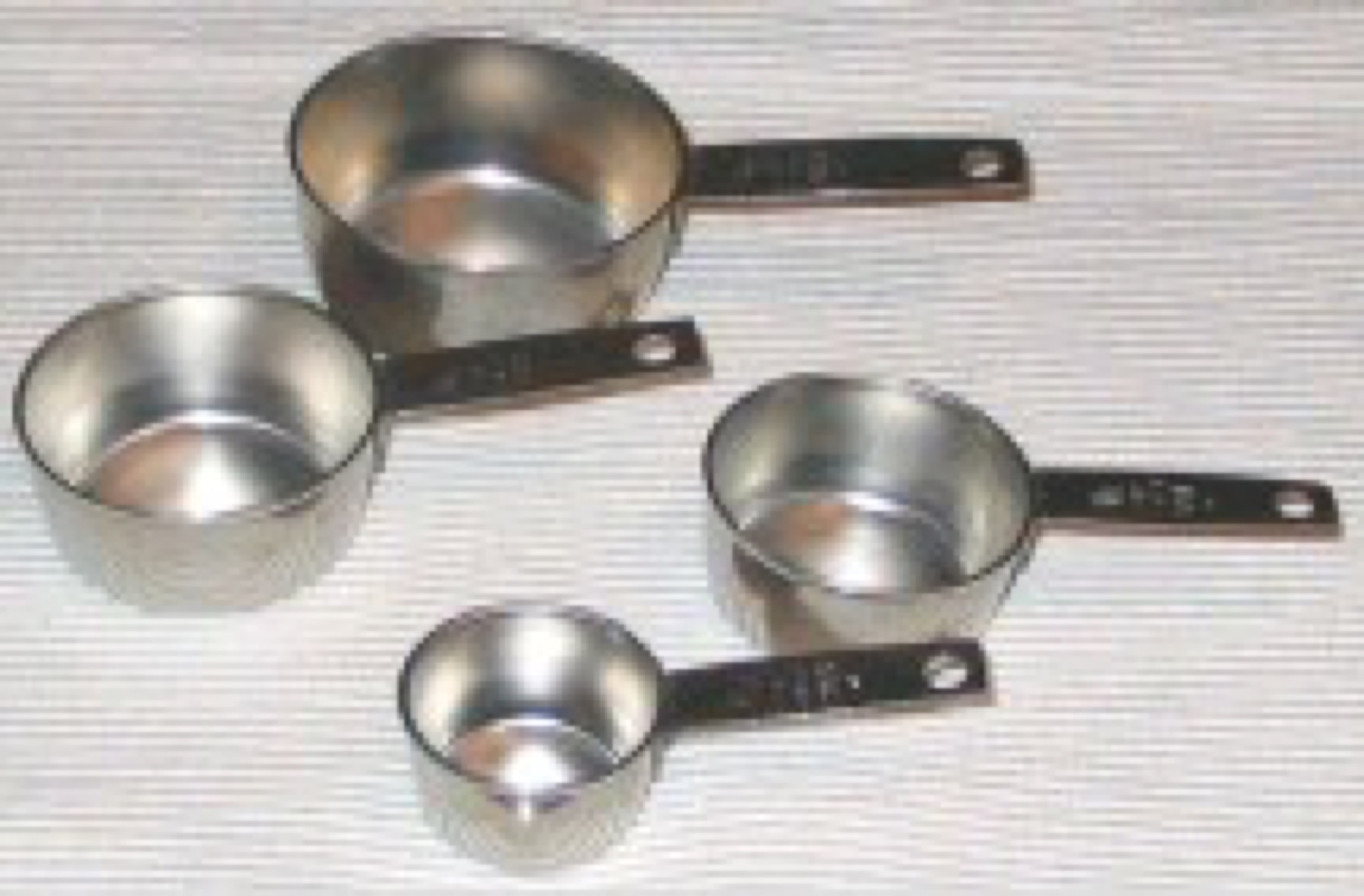
Most general measuring-cup guides, including DHgate’s own piece on baking cups, highlight durable materials, standard sizes, and easy-to-read markings as the core criteria. The trade-offs for cat designs look like this:
- Stainless steel cat cups – Best if you bake a lot. Look for laser-etched volumes on the inside and cat details limited to engraved faces or silhouettes on the handles. These won’t chip the way painted designs can. They’re rare in mainstream retail but closer to what you’ll see in generic multipacks on marketplaces.
- Ceramic/stoneware cats – Common on Etsy and gift sections of Amazon. They’re great as display pieces and gifts, but heavy and breakable. Watch out for very curved or irregular shapes: if the “cat body” is also the measuring bowl, you want a flat base and clearly marked rim.
- Plastic or melamine cats – Lightweight and cheaper, typical on mass-market listings and in some supermarket or BigW ranges. For cross-border sourcing on DHgate, many generic sets in the measuring tools category are plastic without specific cat theming; a cat print or tail-shaped handle may be the only difference.
Standard sizes and usability
Any useful cat measuring-cup set should cover the basic dry volumes: ¼ cup, ⅓ cup, ½ cup, and 1 cup, which DHgate’s baking-cup editorial also treats as the core lineup for baking sets.
Check listings for:
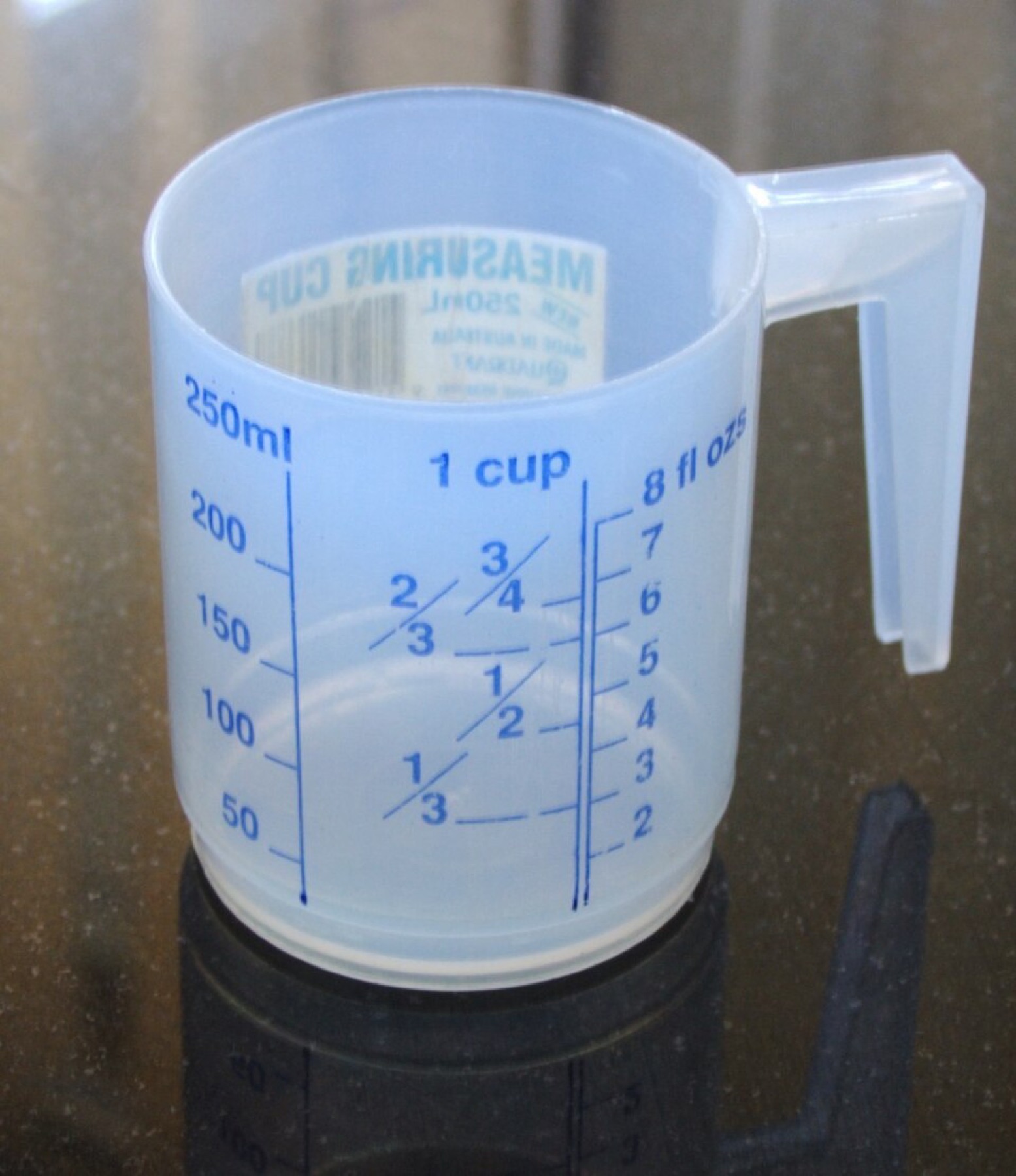
- A clear list of volumes (including metric equivalents if you prefer ml).
- A photo where you can read each marking while the cups are nested or fanned out.
- Whether the cat ears or tails stop the cups from nesting fully, which affects drawer space and how quickly you can grab the right size.
If the design replaces printed text with little icons or just different cat faces, it might be cute on a shelf but tedious in daily use.
How cat details can hurt accuracy or durability
Some cat features are harmless decoration; others get in the way:
- Ear-shaped rims – If the rim isn’t level all the way around, it’s harder to sweep off flour with a knife. For serious baking, prefer bowls that are round and flat at the top, with ears printed rather than sculpted.
- Tail handles – Tail-shaped handles can be slippery or unbalanced if they’re too thin or curved away from the cup. You want the handle to support the weight of a full 1-cup scoop, which DHgate’s measuring-cup guide also calls out as a general requirement.
- Printed faces and decals – On ceramic or plastic cups, thick decals can chip or bubble in the dishwasher. If you’re buying for resale, assume customers will run them through dishwashers, and favor baked-on glazes or engravings over surface stickers.
For small ecommerce brands, think about product photos, too: high-contrast markings (dark ink on pale ceramic, etched steel) are easier to show clearly, which reduces pre-sale questions and returns.
Where Cat Measuring Cups Are Sold – and When DHgate Belongs on Your Shortlist
You’ll find cat-themed cups in slightly different guises on mainstream retail platforms versus a wholesale-style marketplace like DHgate.
Typical availability across platforms
Marketplaces such as Amazon, BigW, and Etsy typically stock cat-themed kitchenware as part of their broader home and gift categories. You’ll often see:
- Amazon AU: branded ceramic cat nesting sets, stainless baking sets with subtle cat engravings, and impulse-priced plastic sets.
- BigW: budget-friendly novelty kitchenware that turns over with seasonal ranges; stock can be patchy, but it’s convenient for in-store pickup.
- Etsy: highly decorative, sometimes hand-thrown ceramic or 3D-printed cat cups aimed at gifting and collectors rather than pure utility.
On DHgate, current listing snapshots (checked 2026-09-22) show mainly generic measuring cups and pet food scoops, with only light cat theming:
- Generic plastic sets like “3Pcs Kits Baking Liquid Measuring Cups PVC Scale Cup Plastic Measuring Volume Beaker Kitchen Baking Tools” in the Measuring Tools category.
- Stainless or plastic kitchen tools with cat wording in the title, for example “Baking Tools Kitchen Stainless Steel Measuring Cup Spoon Seasoning Scale (1/4cup 60ml) Cat Cups Reusable Teacups Measuring Cup”, which looks more like a single novelty cup than a full measuring set.
- Pet-focused scoops such as “Pet Food Measuring Scoop Electronic Dog Cat Food Measuring Cup Digital Spoon Scale Kitchen Food Scale with LED Display” and “Measuring Spoon With Scale Plastic Dog Cat Feeding Shovel Pet Tableware Supplies”, classified under pet and scale categories.
Prices and availability on those listings can change, and they’re not lab-grade tools, but they show how DHgate currently leans: more generic measuring gear, plus cat-branded pet-feeding scoops, rather than the highly stylised ceramic cat sets common on Etsy.
Matching platforms to real scenarios
For an Australian buyer or small seller, the most useful comparison is by use-case rather than by brand.
| Scenario / Need | Amazon / BigW | Etsy | DHgate |
|---|---|---|---|
| Single set for your own kitchen | Easy one-off purchase, reviews on practical use | Niche if you want handmade or very specific style | Less relevant unless you’re okay with generic designs |
| Cute, ready-to-wrap gift | Branded sets, gift boxes, faster local fulfilment | Strong for artisanal and personalised gifts | You’d need to add your own packaging locally |
| Stock for a small Aussie ecommerce shop | Small wholesale via retail margins; limited control | Good for unique hero items but higher unit costs | Useful for low-cost generic or test batches |
| Pet portion scoops for cat food bundles | Some options, often pet-brands only | Occasional handmade scoops, not very scalable | Wide mix of cat/dog food scoops and digital spoon scales |
In practice:
- Buying one cute set for yourself or a friend? Start with Amazon AU or BigW for convenience, or Etsy if the look matters more than price.
- Launching or expanding a cat-themed kitchen line? Use Etsy or local suppliers for your standout, high-design set, and consider DHgate for generic measuring spoons, basic cups, or cat-branded pet scoops you can bundle with your core products.
If you do decide to involve DHgate more deeply, it can help to understand how the marketplace works and what to watch out for before you place larger orders. Background explainers like What DHgate is and how the marketplace works and the DHgate order-readiness checklist before checkout are worth a read so you go in with clear expectations around product descriptions, reviews, and seller consistency.
Quick examples: when including DHgate makes sense
- Micro-brand gift box: You sell “New Kitten Welcome” boxes with toys, treats, and a recipe card for cat-shaped biscuits. You might source decorative ceramic cat cups from a local wholesaler, then use DHgate’s digital cat food scoops as a lower-cost upsell for portioning kibble.
- Testing a kawaii kitchen concept: Before committing to custom-moulded cat cup sets, you trial generic plastic sets plus one or two lightly cat-themed items from DHgate. If the category sells, you graduate to better-designed products from more specialised suppliers.
For additional DHgate platform context, use Find trusted sellers on DHgate.
If your only goal is a single cute, reliable set for your own baking, you probably don’t need DHgate at all. If you’re building a wider range of cat-related products and are comfortable with cross-border sourcing trade-offs, adding it to your shortlist can open up inexpensive, generic pieces that work alongside more distinctive Amazon, BigW, or Etsy finds.