
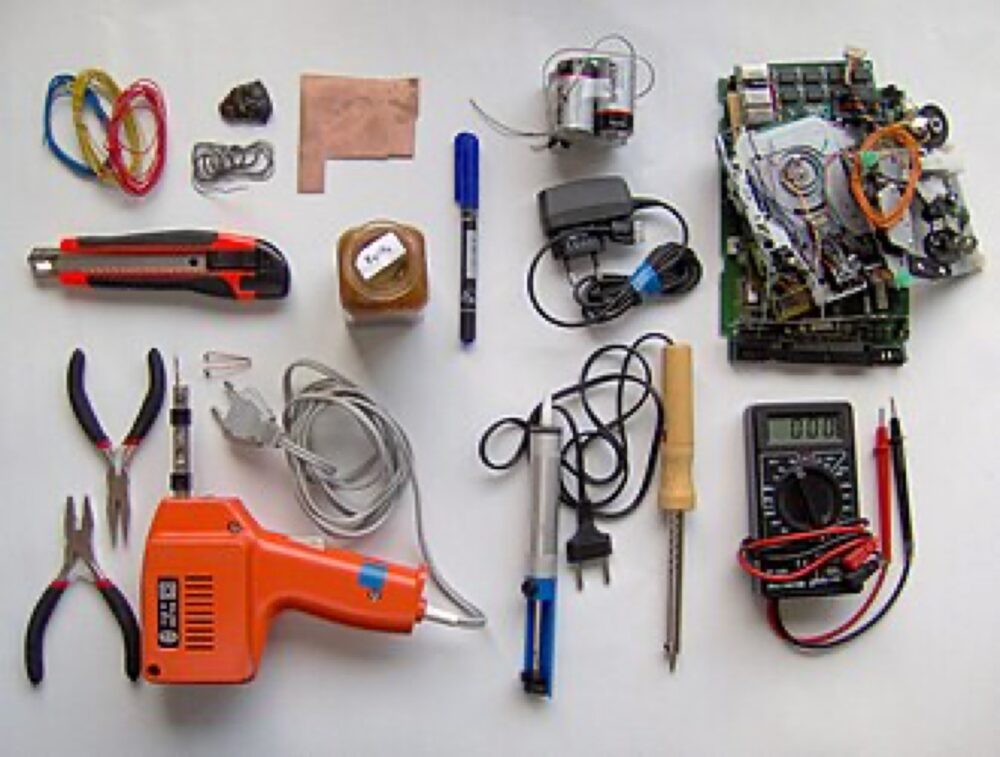
uxcell sits in a very specific niche: low‑to‑mid priced hardware, small parts, and light tools that are easy to ship and buy in ones or small packs. For US buyers, it usually competes less with local pro‑grade brands and more with marketplace listings on Amazon, Walmart business, and niche importers. If you need a precise connector, fastener size, or inexpensive hand tool for light duty, uxcell often looks attractive on price and assortment. If you need contractor‑grade durability or fast local replenishment, other channels will usually serve you better.
uxcell’s quality perception is mixed and project‑dependent. You’ll find plenty of basic hand tools and accessories that are fine for DIY and hobby use, but they’re not positioned like premium brands. The real strength is breadth of small components—nuts, bolts, connectors, switches, bearings, springs—that can be hard to find in consistent sizing elsewhere. How useful that is depends on whether you’re solving an occasional home repair, stocking a small shop, or building inventory for resale.
What uxcell Hardware and Tools Actually Offers
uxcell’s main site has a broad tools and hardware catalog under its home and garden section, featuring things like microscope magnifiers, magnifying glasses, knife and plier sets, cutters, multimeters, measurement tools, watch/jewelry tools, twist drills, tweezers, and assorted hand tools and accessories.Home Garden Tools & Hardware on uxcell reads more like an online parts wall than a walk‑in hardware store: lots of SKUs, many small, with a strong bias toward light‑duty and hobby use.
The dedicated uxcellhardware.com site sharpens that focus. It positions uxcell around “nuts, bolts, switches, and connectors for daily fixes” and highlights bearings, fasteners, connectors, and specialty components. The messaging—”Small Parts, Big Difference”—makes clear that the brand expects you to be ordering specific pieces a maintenance team or small shop actually uses, not just grabbing a random toolkit.
You don’t have to buy direct, though. uxcell‑branded hardware and tools are also sold on the Amazon marketplace through an uxcell hardware store page, and you’ll see uxcell tools and hardware categories surfaced on Walmart’s business site in “Tools & Hardware Savings” where items like hooks, screws, and other small hardware kits appear.Walmart business uxcell tools & hardware shows the brand as one of several discount suppliers, not a flagship.
A third buying option is Harfington, a separate reseller that curates uxcell hardware and tool parts. Its uxcell collection covers electrical and lighting, hardware, fasteners, hand tools, pipe/tubing fittings, DIY, and more, with a clear emphasis on components—bearings, soft tubings, capacitors, connectors, drill bits, knobs, springs.Harfington’s uxcell collection also flags that bulk orders can usually be replenished in about 7-14 days and that orders above a certain value get upgraded to faster shipping. Those timelines apply to Harfington’s operation, not to uxcell overall, but they’re useful if you plan recurring small‑bulk purchases.
So in practice, uxcell hardware and tools are available to US buyers via:
- uxcell’s own retail site
- uxcellhardware.com for a component‑heavy view
- Marketplace listings on Amazon
- Business‑oriented listings on Walmart
- Curated assortments from a reseller like Harfington
Each channel presents roughly the same brand but with different filters, pricing structures, and shipping setups.
How uxcell Compares on Price, Quality Signals, and Assortment
From public catalog and positioning, uxcell competes on breadth of small parts and low‑to‑mid pricing rather than premium tool quality. You can see the differences more clearly if you look channel by channel.
Price and assortment vs. Amazon, Walmart, and Harfington
On Amazon, the uxcell store groups hardware, kitchen & bath fixtures, plumbing, paint and supplies, and power & hand tools. You’ll often see multipacks of hooks, screws, basic hand tools, and fittings where uxcell undercuts many branded equivalents. On Walmart business, uxcell appears in deal‑oriented tools and hardware sections, again suggesting value pricing.
Harfington’s uxcell catalog leans into small components and tool parts—bearings, capacitors, connectors, springs—plus categories like hand tools, abrading/polishing, and DIY. The reseller explicitly focuses on small‑bulk quantities, with the 7-14 day replenishment note for larger orders and shipping upgrades on higher‑value purchases. That’s targeted at buyers who don’t need pallet‑level wholesale but do need repeatable access to very specific parts.
Here’s a simplified comparison based on what’s observable from those channels:
| Channel | Main focus for uxcell brand | Typical price positioning (editorial view) | Notable for US buyers |
|---|---|---|---|
| uxcell.com | Broad tools & hardware, consumer + DIY accessories | Low to mid | Huge SKU range; more browsing effort |
| uxcellhardware.com | Nuts, bolts, switches, connectors, bearings, fasteners | Low to mid | Clear small‑parts focus for daily fixes |
| Amazon marketplace | Hardware, fixtures, basic power/hand tools | Often budget vs. name‑brand alternatives | Fast shipping via Amazon; mixed seller reviews |
| Walmart business | Discount tools & hardware multipacks | Value/deal‑oriented | Convenient for business buyers; limited range |
| Harfington reseller | Components and tool parts with small bulk options | Budget to moderate | Replenishment note (7-14 days) for bulk orders |
These are editorial impressions, not guaranteed pricing rules, but they fit how each site presents uxcell.
Quality signals and where uxcell likely fits
Across these channels, uxcell is not marketed like a pro‑grade tool brand. There’s no heavy emphasis on industrial certifications or lifetime guarantees in the tools and hardware categories. Instead, uxcell positions itself around:
- breadth of SKU coverage for small hardware and components
- convenience of buying in modest quantities
- budget‑friendly pricing for everyday fixes
For small parts—like specific screw sizes, hooks, connectors, or DIY accessories—that’s often perfectly adequate. Many buyers care more about “does this fit” and “can I get 20 of these cheaply” than about brand cachet.
For tools, the signal is “light duty” rather than “contractor.” A basic plier or cutter from uxcell can suit electronics tinkering or household jobs, but if you’re outfitting technicians who use tools all day, you’d typically compare uxcell against established tool brands and test samples before committing.
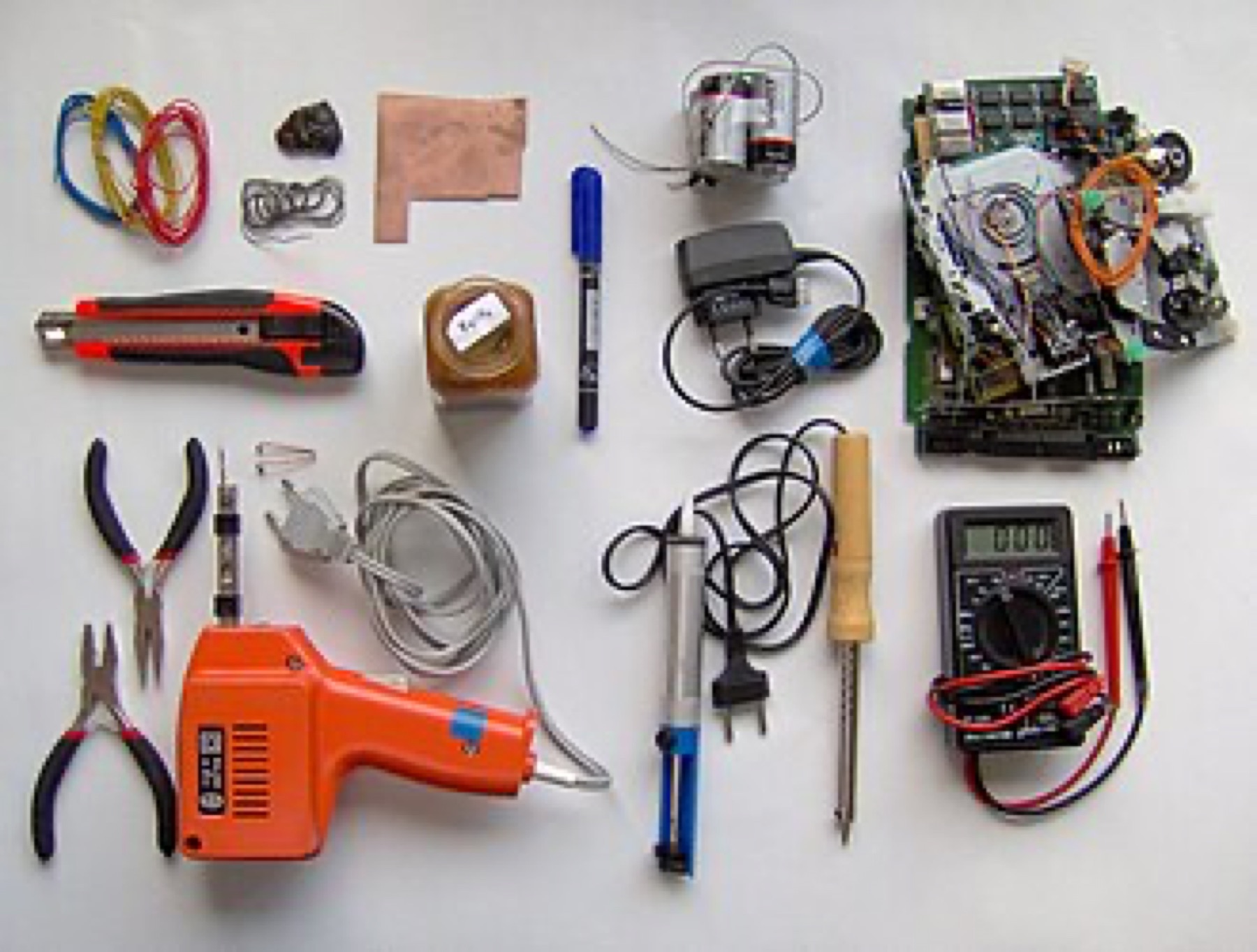
For assortment, uxcell is strong wherever the component range matters: bearings, springs, knobs, specialized fasteners, small tubing, and connectors. Harfington’s curated uxcell lines highlight that: you can source quite specific parts without jumping to full industrial catalogs.
Which Buyers uxcell Suits Best—and When to Choose Other Channels
uxcell hardware and tools make the most sense in some scenarios and less in others. Thinking through your use case is the easiest way to decide whether uxcell should be a primary source or just one of several options you check.
Scenario 1: DIY hobbyist or home tinkerer
If you’re repairing appliances, building hobby electronics, customizing furniture, or doing light DIY:
- uxcell’s own site and uxcellhardware.com are useful for niche parts and low‑cost tools.
- Amazon’s uxcell store is good when you want the same parts but prefer Amazon’s ordering and shipping flow.
In this scenario, uxcell is often competitive or better than generic no‑name marketplace listings because the brand leans into small components and gives you many size/format options. You trade pro‑level durability for breadth and low price, which is usually fine for occasional use.
Scenario 2: Small repair shop or maintenance team
If you run a small shop and need repeatable access to specific connectors, fasteners, or small hardware—but not container‑level wholesale quantities—uxcell can be part of your sourcing mix:
- Harfington’s uxcell catalog is useful for recurring small‑bulk orders; its 7-14 day replenishment guidance for bulk quantities and shipping upgrades on larger orders set expectations for lead time at that reseller’s scale.
- uxcellhardware.com can function as a catalog for ad‑hoc replenishment when you’re topping up particular parts.
You’d still want to compare uxcell’s offerings with local industrial suppliers for critical components or tools that see heavy daily use. For non‑critical fasteners and fittings, uxcell often makes sense as a cost‑saving secondary source.
Scenario 3: Small ecommerce business reselling hardware or kits
If you’re packaging hardware kits or reselling components:
- uxcell’s breadth of sizes and variants is an advantage when building assortments.
- Buying via Amazon or Walmart business may simplify logistics, but tends to limit you to whatever SKUs those platforms carry and their pack sizes.
- Harfington’s focus on small bulk can be helpful for initial runs before you commit to larger‑scale sourcing.
You should test sample orders to check consistency across batches and confirm that pack counts and specs match your listing needs. uxcell’s value proposition here is variety and low price per piece, not premium branding.
Where other marketplaces—including DHgate—might fit
If you reach a point where you need cheaper tools or hardware directly from factories at larger scale, you may look beyond uxcell entirely. DHgate, for example, is a marketplace that connects buyers to OEM factories for tools and home improvement items at competitive pricing, but quality and reliability vary by seller rather than being uniform. Editorial guidance from DHgate’s own blog stresses that you should check individual supplier ratings and buyer reviews carefully before committing to a tools purchase.
For a US small business, that means:
- uxcell is usually better suited to small parts and light‑duty tools in low‑to‑mid price bands.
- OEM‑oriented marketplaces like DHgate may be worth exploring if you need factory‑level pricing or customizations and are prepared to put more effort into vetting suppliers.
If you find yourself routinely comparing platforms, resources like Compare DHgate with AliExpress, Alibaba and Temu and What DHgate is and how the marketplace works can help you understand how OEM‑focused marketplaces differ from component‑focused brands like uxcell.