
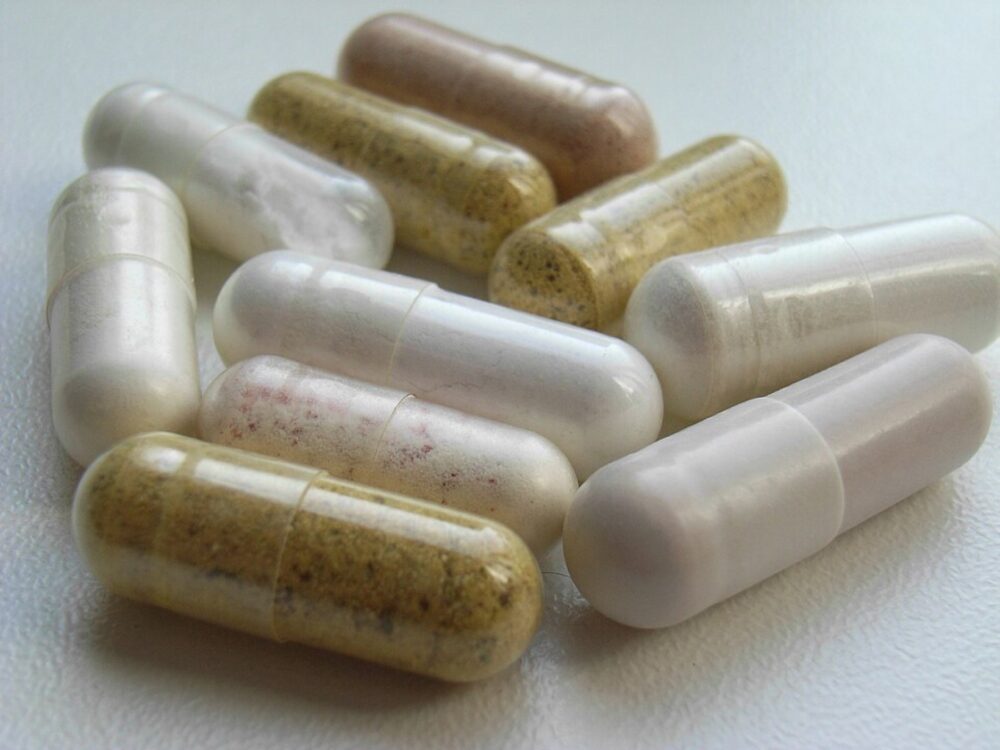
For US retailers and small supplement brands, the right sourcing route for empty capsules depends mostly on what you’re selling and how regulated it is. If you’re filling ingestible gelatin or vegetable capsules for dietary supplements or pharmaceuticals, your primary options are established capsule manufacturers and regional distributors that can support documentation and audits. If you’re stocking pill bottles, pill boxes, medicine storage bags, or non‑ingestible plastic capsules for vending, you have more flexibility and marketplaces like DHgate, Alibaba, and Made‑in‑China become realistic low‑MOQ choices.
In short: use professional capsule manufacturers and their distributors for regulated ingestible capsules; use global marketplaces when you’re mainly buying packaging, organizers, or novelty capsules and want smaller runs with less customization.
How Empty Capsule Supply Works for US Retailers
Before you pick a sourcing channel, separate three product types:
- Ingestible empty capsules – Gelatin or HPMC/vegetable shells that customers actually swallow as part of a supplement or medicine.
- Pill packaging components – Empty plastic pill bottles, jars, blister packs, and medicine storage bags used to package tablets or capsules.
- Non‑ingestible capsules and containers – Plastic capsules for vending machines and pill boxes/organizers used to store doses.
Industry analysts describe the empty capsule market for ingestible shells as a multi‑billion‑dollar, steadily growing segment through the 2030s, driven by oral dosage forms and supplement demand worldwide. That growth has attracted many new manufacturers, especially in Asia, which is good for pricing but makes supplier choice more complex. A recent overview from Future Market Insights highlights this long‑term growth trend.
For ingestible capsules, the typical structure is:
- A handful of large global manufacturers supplying pharmaceutical companies and serious supplement brands.
- Regional distributors and brokers who hold stock locally in the US/EU, handle smaller orders, and provide customer service, but usually at higher per‑unit prices.
By contrast, pill bottles, pill boxes, medicine bags, and vending capsules are more like general plastic or consumer‑goods categories. Manufacturing is spread across many mid‑size factories, and supply often flows through global B2B marketplaces, trading companies, and packaging distributors instead of tightly regulated pharma channels.
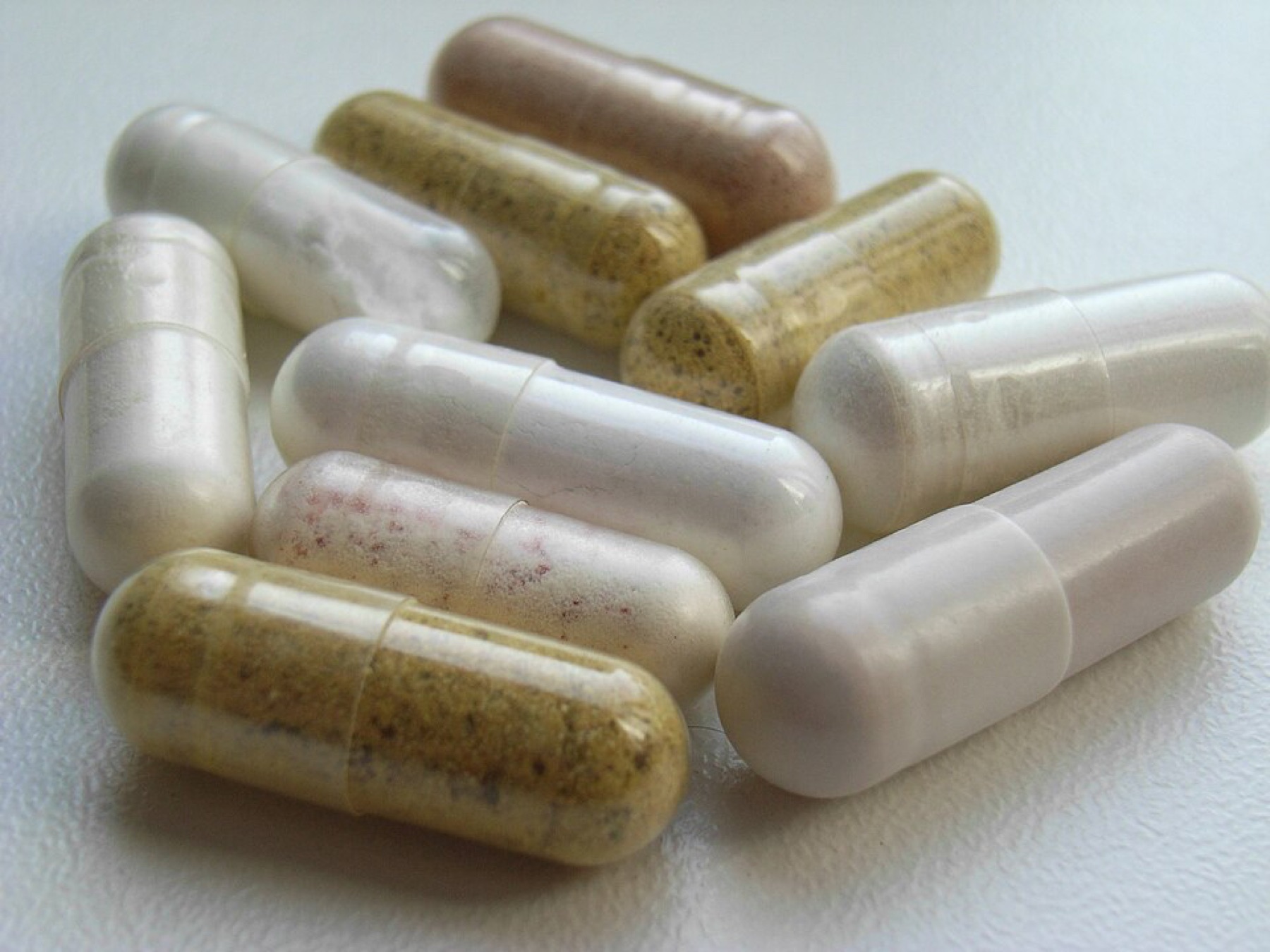
For your business, the key question is: are customers swallowing the product you buy, or are you buying accessories/packaging around that product? The answer should drive your sourcing route.
Choosing a Supplier Route by Volume, Customization, and Compliance Burden
Professional guidance for ingestible capsules emphasizes three broad steps: use business sustainability logic, eliminate non‑issues, and focus on real value drivers like quality, continuity of supply, and documentation rather than chasing the cheapest headline price. Industry commentary from Tablets & Capsules Magazine makes this point in capsule‑specific terms.
Here’s a practical comparison by scenario:
| Scenario / Need | Best‑fit supplier type | Typical volumes | Compliance & documentation workload |
|---|---|---|---|
| Branded supplement capsules you fill in‑house | Established capsule manufacturer | Hundreds of thousands+ | High: specs, change control, audits, certificates |
| Regional retail of white‑label supplements | Regional capsule distributor | Tens of thousands | Medium: COAs, lot tracking, less direct auditing |
| Small herbal shop filling capsules for locals | Niche capsule distributor or US specialist shop | Thousands to low tens of thousands | Medium: verify food‑grade, basic documentation |
| Selling pill organizers, bottles, medicine bags | Global marketplaces or packaging distributors | Hundreds to low thousands | Low to medium: focus on materials claims and consistency |
| Vending machine toy capsules | Global marketplaces, novelty/packaging wholesalers | Hundreds to thousands | Low: materials & breakage risk, not ingestible |
For ingestible capsules, going direct to manufacturers is usually justified only if:
- You have sustained, high volume.
- You or your co‑packer can manage technical audits and detailed specifications.
Smaller US brands often rely on distributors because they reduce operational workload: they hold local stock, consolidate shipping, and handle some QA conversations. You pay more per capsule but spend less time on logistics and supplier management.
For pill bottles, organizers, and vending capsules, marketplaces and packaging distributors are often enough. Here, your main work is verifying:
- Stated material (e.g., food‑grade plastic) aligns with your product claims.
- Factory can keep supplying the same design and dimensions if you re‑order.
That’s a lighter burden than GMP or pharma audits, which is why many smaller retailers use marketplaces for these non‑ingestible items.
DHgate and Marketplace Sourcing: When It Fits Capsule‑Related Buyers
DHgate, Alibaba, and Made‑in‑China all connect global buyers with primarily Chinese suppliers, but they occupy slightly different niches. DHgate’s editorial material describes the platform as friendly to small and medium‑size businesses, with minimum order expectations that tend to be lower than some wholesale sites and a mix of business and consumer‑oriented listings. Competitor commentary often positions Alibaba more as a powerhouse for large bulk orders, while Made‑in‑China is associated with highly customized, often higher‑volume manufacturing.
On DHgate, capsule‑related products mainly show up as packaging and organizers, not regulated supplement shells. A snapshot of listings observed on 2026-09-21 includes:
- Pill boxes and weekly organizers such as the “New Large Capacity 7‑Day Weekly Pill Organizer, Food Grade Portable Pocket Medication Storage Box for Daily Pills” (category: Everything Else, price range roughly $20.97–$24.99 USD at that date) and the “Portable Multi‑grid Pill Organizer – Personal Travel Box for Early‑Middle‑Night Doses Home Medicine Storage Solution” (Everything Else, around $18.97–$22.60 USD). These are sold as bulk units but framed as general organizers.
- Medicine storage bags and pouches like the “Medicine Storage Bag Pill Organizer Bag for Emergency First Aid Kits Box for Home Travel Organizer Empty 240826” (Storage Bags, about $59.68–$61.22 USD) and the “Pharmacy‑Themed Storage Bag – Multifunctional Medication Organizer Travel Cosmetic Pouch, Colorful Pill & Vitamin Print 26Y0119” (Storage Bags, roughly $7.97–$16.35 USD).
- Non‑ingestible plastic capsules for vending machines, for example “50Pcs Empty Round Capsules Reusable Fillable Capsules Vending Machines Plastic Containers” (Tag Gun category, around $21.53–$22.09 USD), highlighting that capsule‑shaped containers exist as novelty packaging.
- Empty pill bottles and capsule containers such as “10Pcs 15ml‑100ml Plastic Pill Bottles Empty Medicine Dispenser Bottle Capsule Containers For Kitchen Liquid Cosmetic W/ Seal Cap” (Lab Supplies, in the $21.14–$28.68 USD range), which can be used as packaging components if you verify suitability for your product.
You can click through these DHgate examples to see current details and bulk options:
- New Large Capacity 7‑Day Weekly Pill Organizer
- Portable Multi‑grid Pill Organizer – Travel Box
- Medicine Storage Bag Pill Organizer Bag
- Pharmacy‑Themed Storage Bag
- 50Pcs Empty Round Capsules for Vending Machines
- 10Pcs Plastic Pill Bottles Empty Capsule Containers
DHgate vs Other Marketplaces for Capsule‑Related Products
Here’s a concise comparison of how marketplaces typically fit capsule‑related sourcing needs:
| Channel | Typical fit for capsule‑related products | Order size sweet spot | Buyer workload focus |
|---|---|---|---|
| DHgate | Pill organizers, medicine bags, vending capsules, pill bottles | Low to medium bulk (e.g., cases or small lots) | Check materials, design consistency, and seller reliability |
| Alibaba | Larger‑scale packaging orders, potential access to OEMs for custom bottles/blister packs | Medium to high bulk (pallets, container‑level) | Factory vetting, long‑term supply, custom tooling discussions |
| Made‑in‑China | Highly customized packaging and machinery for capsule lines | High bulk, often project‑based | Specifications, engineering support, and formal contracts |
The table focuses on order size and buyer workload, not on platform policies or protections.
When DHgate Is a Good Fit
DHgate tends to suit US buyers that:
- Want low‑to‑medium volume of pill boxes, medicine bags, or vending capsules to supplement a retail assortment.
- Prefer direct access to factories or trading companies without committing to manufacturer‑level MOQs.
- Are comfortable doing their own due diligence on materials and consistency rather than relying on a regulated pharma supply chain.
In that sense, DHgate can complement a more formal capsule supply: you might source ingestible capsules through a manufacturer or distributor, while sourcing pill organizers or display capsules separately via DHgate.
If you’re planning significant cross‑border purchasing on DHgate, it’s helpful to combine this channel‑level view with platform‑specific sourcing habits, such as those covered in DHgateWiki’s guides on wholesale suppliers, supplier search, and supplier selection.
When You Should Look Beyond DHgate
For ingestible empty capsules used in regulated supplements or medications, generic marketplaces (including DHgate, Alibaba, and others) are usually not the starting point. You typically need:
- Documented compliance with relevant manufacturing standards.
- Reliable change‑control and long‑term continuity of supply.
- Direct technical support around capsule performance.
Industry guidance, such as the commentary from Tablets & Capsules Magazine and market overviews like Future Market Insights’ empty capsule report, underline that professional buyers put long‑term sustainability and quality ahead of short‑term price wins.
For a small US retailer, a reasonable mix is:
- Use capsule manufacturers or regional distributors for any ingestible shells you’re filling or reselling.
- Use marketplaces like DHgate for pill organizers, bottles, medicine bags, and vending capsules, where the compliance workload is lighter and low MOQs matter more than deep customization.
Before choosing a DHgate supplier, use Find wholesale suppliers on DHgate, Find DHgate suppliers, and Choose a DHgate wholesale supplier.
If you keep that division clear, you can take advantage of cross‑border cost savings for packaging and accessories without taking unnecessary risks on the capsules customers actually ingest.