
Eprolo is strongest as a low-budget, branding-friendly dropshipping option, not as a one-stop supplier for every store. Its big pitch is a “forever free” platform with sourcing, storage, quality checks, custom packing, and fast shipping, as marketed on Eprolo’s site and the Shopify app listing. That makes it attractive if you want to test products without paying monthly software fees. But compared with subscription platforms, marketplace-style suppliers, and niche US providers, Eprolo’s catalog depth and local inventory can be limited. For most US small ecommerce businesses, it’s better treated as one piece of a multi-supplier stack rather than the only source.
How Eprolo’s Dropshipping Model Works and What Actually Matters to Compare
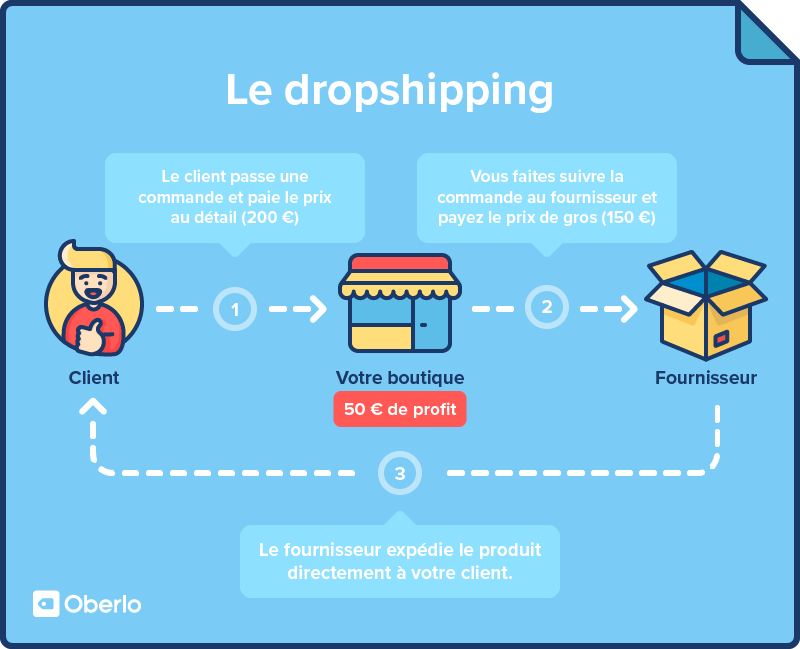
Eprolo describes itself as a free, all‑in‑one dropshipping and branding supplier. Its marketing promises include sourcing products, storing them, doing quality control, adding custom labels or packaging, and arranging fast shipping, all under a pay‑per‑order model. The Shopify app page and a Google Play description position it as a “forever free” dropshipping platform aimed at store owners on various marketplaces.
Independent reviewers, like the team behind this Eprolo review, tend to characterize it as a solid choice for beginners who want to test dropshipping without upfront subscription costs. They also point out limitations, such as some gaps in product variety compared with huge marketplaces and mixed user experiences on service quality.
To compare Eprolo realistically with other suppliers, focus on six practical dimensions:
- Cost model – pay‑per‑order vs monthly subscription; impact on small vs larger stores.
- Catalog breadth and sourcing – how many categories and niches you can realistically cover.
- Branding and packaging – access to no‑MOQ custom labels, hangtags, and boxes.
- Automation and integrations – Shopify and marketplace apps, order syncing, and workflows.
- Logistics profile – typical origin countries and whether US/EU inventory is available.
- Risk and scalability – how well the model scales when you move beyond testing into a real brand with volume.
Those criteria are where Eprolo’s strengths and gaps show up most clearly.
Eprolo vs Common Supplier Types: Cost, Catalog, Branding, Automation
There isn’t just “Eprolo vs competitors.” You’re really choosing among supplier types:
- Eprolo‑style free, branding‑oriented platforms
- Subscription aggregators (Doba‑like) that charge a monthly fee
- Marketplace‑style suppliers (AliExpress‑style sites, large B2B marketplaces)
- US‑based niche dropship suppliers with tight catalogs but faster local fulfillment
A compact comparison helps clarify where Eprolo actually fits:
| Supplier type | Cost model (structure) | Catalog & sourcing | Branding focus | Automation & integrations |
|---|---|---|---|---|
| Eprolo | Pay‑per‑order; markets itself as free to use with no monthly subscription | Moderate catalog; wide range but smaller than large marketplaces; sourcing support | Strong branding pitch: custom labels, hangtags, packaging with low/no MOQ (per Eprolo marketing) | Integrates with Shopify and other platforms; automation tools marketed for order flow |
| Subscription platforms (e.g., Doba‑style) | Monthly or tiered subscriptions plus product costs | Often aggregate many suppliers; broader catalog within certain verticals | May offer basic branding, but usually less central than inventory aggregation | Typically solid automation, feeds, and multi‑channel tools justified by subscription fees |
| Marketplace‑style sources | No platform subscription; pay each supplier; may charge other fees | Very broad catalogs across almost every category | Branding mainly via you arranging separate packaging or working with individual suppliers | Varies: some offer apps; much depends on your tech stack and chosen sellers |
| US‑based niche suppliers | Often free to join; margins baked into product pricing; sometimes membership fees | Narrow but deep in a niche; strong focus on local inventory | Limited custom branding; some private label options depending on the supplier | Integrations range from simple CSV to solid Shopify/WooCommerce apps; varies brand by brand |
Cost: who actually benefits from “free” vs subscription? Eprolo itself contrasts its pay‑per‑order model with Doba‑style tiered subscriptions in an article on its site. That structural difference matters: if you’re running a small test store, avoiding a monthly subscription can keep your fixed costs near zero while you validate demand. Subscription platforms can make more sense once your order volume is high enough that the extra catalog, support, or tooling justify a recurring fee.
Catalog: breadth vs focus. Reviewers note that Eprolo offers a decent range of general merchandise but doesn’t rival the scale of giant marketplaces. Marketplace‑style suppliers can carry millions of SKUs across electronics, fashion, toys, and more, while US niche suppliers focus tightly on a category (say, outdoor gear or supplements) with strong depth and local stock. If your strategy is “test lots of random trending products,” Eprolo’s catalog may be enough; if you’re building a deep niche brand, you may hit limits and need other channels.
Branding: Eprolo’s main differentiator. Eprolo’s home page highlights one‑stop branding services like personalized labels, hangtags, packaging, gift cards, and tapes with no minimum order quantity. That’s a clear selling point if you want your packages to look like a real brand from the first order. Many marketplace sellers and some subscription platforms can arrange custom packaging, but you usually negotiate that supplier by supplier. Eprolo aims to centralize it.
Automation and daily workflow. The Eprolo app is pitched as a dropshipping and branding tool that plugs into Shopify and other marketplaces, syncing products and orders. Subscription aggregators lean on automation as part of their value proposition too. Marketplace sources can be more fragmented: some have official apps, others require third‑party tools or manual work. For a beginner, having Eprolo’s integration plus a simple dashboard reduces friction; for a larger operation, you might eventually prefer systems that consolidate multiple suppliers.
Logistics and US suppliers. Eprolo promotes a list of “dropshipping suppliers USA” and “fast shipping” on pages like this overview of US suppliers. Treat that as marketing: they’re signaling that they can connect you with US‑based dropship inventory, not guaranteeing specific delivery times. Dedicated US niche suppliers are more straightforward if you strictly need domestic stock for short lead times, while marketplace sources can offer both overseas and local sellers depending on how carefully you search.
Which Stores Should Use Eprolo (and When to Pick Another Main Supplier)
For a US‑based small ecommerce business, Eprolo is rarely an all‑or‑nothing choice. It’s one tool you combine with other channels based on where your store is in its lifecycle.
Best‑fit scenarios for Eprolo
- First test store on Shopify or similar platforms. You want to validate a handful of products, keep software costs at zero, and still ship in branded packaging. Eprolo’s free, pay‑per‑order model and one‑stop branding claims line up well with this. You can test whether your audience responds to a branded unboxing experience without prepaying for packaging inventory.
- Low‑budget brand experiments. You have a logo and basic visual identity but limited capital. Eprolo’s no‑MOQ marketing for labels, hangtags, and boxes helps you look more established than a generic dropshipper while you’re still in the “side‑hustle” phase.
- Supplemental supplier in a multi‑channel stack. Your main catalog comes from marketplace or US niche suppliers, but you use Eprolo for specific items where its branding services or sourcing are advantageous. For example, accessories shipped in branded boxes while your core products ship from a domestic partner.
Situations where another main supplier is usually better
- You need very broad product variety across many categories. Marketplace‑style sources often give you much more breadth. Large B2B marketplaces can be combined with platforms like Eprolo, but if your strategy is “build a massive general store,” Eprolo alone likely won’t be enough.
- You’re optimizing purely for fast US/EU shipping and tight SLAs. US‑based niche suppliers who stock locally are a more direct way to achieve consistently short transit times. Eprolo’s pages about US suppliers suggest options exist, but they’re still part of a broader, mixed‑origin ecosystem.
- You’re scaling into a high‑volume, multi‑channel brand. At some point, paying for a subscription aggregator or investing in marketplace integrations and your own fulfillment relationships can offer more control, redundancy, and negotiation leverage than relying primarily on one free platform.
As you build that stack, marketplace options like DHgate can sit alongside Eprolo as additional sourcing channels. DHgate’s own editorial describes it as a large marketplace with millions of products, competitive bulk pricing, and flexible minimum order quantities. That kind of breadth can cover niches Eprolo doesn’t reach and may be useful once you’re ready to move some winning SKUs from pure dropshipping into more controlled bulk buying. For more context on how DHgate compares with peers, you can look at DHgateWiki’s coverage such as what DHgate is and how the marketplace works and its position vs AliExpress, Alibaba, and Temu.
Practically, the safest way to use Eprolo is to treat it as:
- a testing and branding layer for new stores and product ideas, and
- a complement to at least one other supplier type once you see real traction.
If you’re clear on that role, Eprolo’s strengths can help you look more like a brand from day one, without locking you into a single supplier model as you grow.