
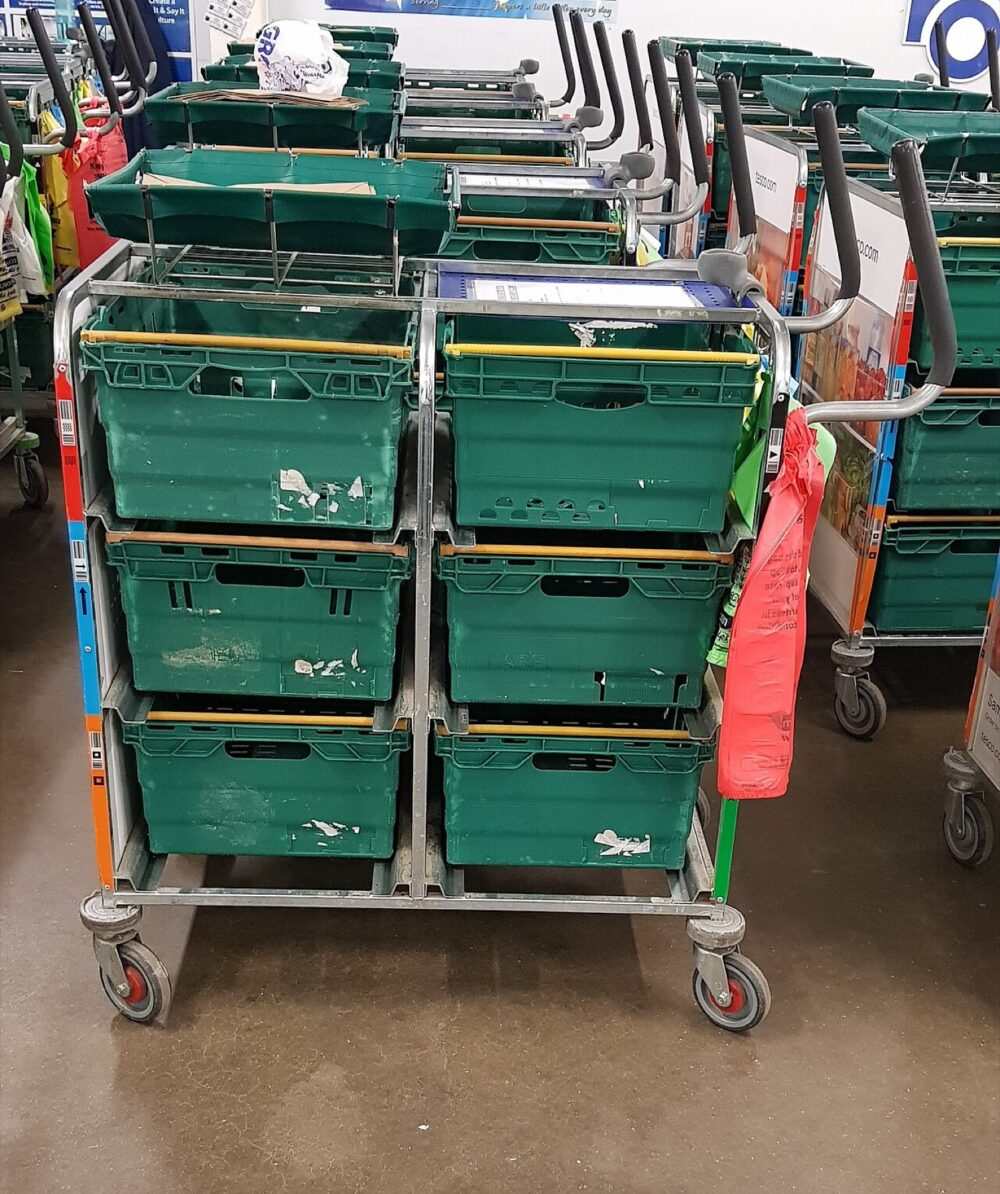
Affordable pulley carts absolutely exist on Amazon, eBay and similar marketplaces, but reliability ranges from “fine for a picnic” to “wheels collapsed on the first heavy run.” For Australian buyers and small ecommerce operations, the safe way to buy is to match cart type to your terrain and load, then interrogate each listing’s materials, wheel design, load rating and review patterns. Marketplace protections can help with clear defects or misdescription, but they won’t rescue you from choosing a cart that’s simply too light‑duty for your job.
You’ll also need to navigate one basic confusion: most people typing “pulley cart” into a search bar actually mean a pull cart or folding wagon, not pulley hardware or kids’ cable rides, and you’ll see all three categories mixed into the results.
What Buyers Are Really Worried About With Pulley Carts
On big marketplaces, “pulley cart” is used loosely. You’ll see:
- Folding wagons and trolleys used for garden work, beach trips, event gear and stock moves.
- Utility and welding carts for workshop equipment.
- Children’s cable‑ride trolleys that run on a rope or wire – like the pulley trolley cart sold in Australia under toys on Amazon.com.au.
If you just need a wagon to haul boxes, accidentally buying a cable‑ride toy or pulley hardware is a real risk, especially with fuzzy listing titles.
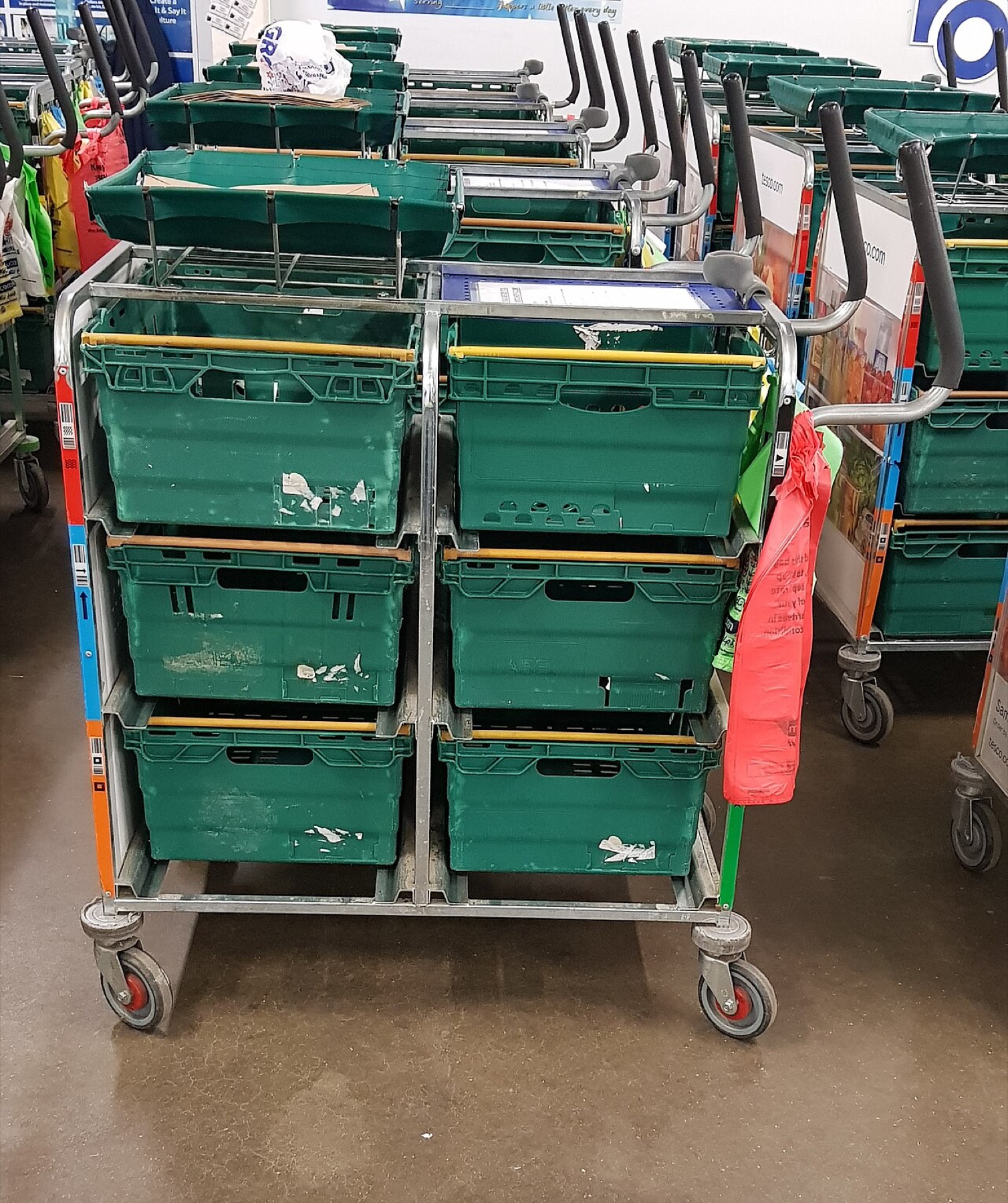
For pull carts and folding wagons, the common worries are pretty specific:
- Wheels that fail under real loads. A bass player on a UK forum described a cheap Amazon folding trolley whose wheels literally collapsed mid‑use when loaded with gear. DJ and musician groups have similar anecdotes – fine for light bags, but not for heavy speakers or cases.
- Frames that twist or fold unexpectedly. Lightweight frames and weak hinges can feel wobbly when you’re dragging a cart up kerbs, over gravel or across grass.
- Inflated load ratings. A cart advertised at “200 kg” might struggle well below that if the wheels are thin plastic and the frame flexes.
- Pulling on rough terrain. Many budget wagons are built for smooth concrete. Once you hit Australian beach sand, bush tracks or uneven warehouse yards, small hard wheels dig in and strain your arms.
Workshop and welding carts show the same pattern from user reports: budget units found on Amazon and eBay are often described as usable but needing “fettling” – reinforcing shelves, improving wheel brackets, adding better casters – to feel truly stable under cylinders, welders and tools.
By contrast, Australian garden guides point out that heavy‑duty poly dump carts rated in the 200-400 kg range – with chunky, pneumatic tyres and solid frames – tend to hold up far better for serious garden work than lighter decorative pull carts. For example, a buying guide for garden dump carts notes that these higher‑rated carts “consistently hold up” for 200-400 kg tasks and make weekend jobs easier than flimsier alternatives.
If you’re a small ecommerce business using a cart for moving stock, parcels or event equipment, the gap between “budget home use” and “daily workhorse” matters. A failed wheel when you’re moving orders to the car, or a twisted frame that sends a box of inventory onto the ground, can cost more than the cart itself.
Universal Checks Before You Trust Any Pulley Cart Listing
Regardless of whether you’re shopping on Amazon, eBay, a specialist Australian retailer or a cross‑border marketplace, you can use the same verification logic. Think of it as a compact checklist embedded in how you read each listing.
1. Match cart type to your real load and terrain
Start by writing down what you’ll actually carry and where:
- Loads: parcels and clothing; DJ or PA gear; garden soil and pavers; kids’ beach gear.
- Weight range: is it usually under 50 kg, often 100+ kg, or occasionally up near 200+ kg?
- Terrain: smooth indoor floors; concrete ramps; grass; gravel; loose sand.
For example, if you regularly move 80-120 kg of gardening material over grass, guides to garden dump carts for Australia suggest looking in the 200-400 kg rated range with large, air‑filled tyres. That’s a very different spec from a slim folding shopping trolley designed only for groceries.
2. Read materials and wheel design like a mechanic
Instead of just glancing at the photo, read the spec line‑by‑line:
- Frame: steel vs thin aluminium tubing vs plastic. Welded joints and cross‑bracing generally outlast riveted, minimalist frames.
- Tray or bed: poly (plastic) dump tubs are common for heavy garden carts; fabric slings in folding wagons are fine for lighter loads.
- Wheels: diameter, width and material matter. Editorial guidance on cart parts emphasises that poor‑quality wheels make carts wobbly and hard to steer, while durable wheels improve maneuverability and reduce strain.
For off‑road use (grass, gravel, sand), look for:
- Larger diameter wheels (think 8″+), preferably pneumatic or soft rubber.
- Wheels bolted to solid axles, not tiny plastic casters.
- Metal hubs rather than fully plastic units when loads are heavy.
On top of that, check the handle: an ergonomic, height‑appropriate handle makes a big difference over a long pull. Handles that are too short or thin can dig into your hands and make the cart feel unstable.
3. Treat load ratings as claims to stress‑test
Load ratings on marketplace carts are marketing numbers as much as engineering ones. To sanity‑check them:
- Compare the stated rating with the wheel type. A fabric wagon on narrow, plastic wheels claiming 200 kg is a red flag.
- Look for photos of the cart actually loaded in reviews or listing images.
- When available, cross‑compare with similar carts in Australian garden guides; if heavy dump carts in the 200-400 kg tier all use large pneumatic tyres and steel frames, a cheap flat‑pack wagon with toy‑like wheels probably shouldn’t be trusted at those loads.
Treat manufacturer ratings as a ceiling for smooth ground, not a promise on rough terrain.
4. Mine the reviews for failure patterns, not star averages
Large marketplaces often have overwhelming review sections. The useful checks are:
- Sort by “Most recent” and scan the last year’s comments, not just the highlighted ones.
- Use keyword searches in reviews like “wheel,” “tyre,” “frame,” “handle,” “sand,” “grass,” “heavy,” “stock,” “equipment.”
- Look for photo reviews that show how the cart is actually used.
Buyers replacing cart wheels often rely on marketplaces like Amazon and eBay and must match wheel size, material and load capacity carefully. That same attention to specs helps you avoid carts whose original wheels are undersized.
If multiple reviewers mention:
- Wheels popping off or bending.
- Frames twisting under modest loads.
- Carts being fine “for light groceries only,” but not heavier runs.
…assume the cart is light‑duty even if the overall rating is decent.
5. Document the purchase like you expect to argue about it
Protections aside, you’ll have a smoother time if you keep a paper trail:
- Take screenshots or save PDFs of the product page at purchase time – especially any claims on load rating, materials and use case.
- Keep photos of how you loaded the cart the first few times, in case you need to show that you used it within reasonable limits.
- Use mainstream, secure payment methods offered by the marketplace rather than off‑platform transfers.
For small ecommerce buyers sourcing several carts, maintain a simple spreadsheet of:
- Which model is assigned to which task.
- When it was purchased and from whom.
- Any failures or issues.
That makes it easier to standardise on reliable models and avoid repeating a bad purchase.
How Marketplace Protections Actually Work for Pulley Carts
Every large marketplace has some mix of return windows, dispute resolution and review systems. They do help, but mostly with clear defects or misrepresentation. They don’t guarantee that a cart will be suitable for your unique use case.
Here’s a high‑level comparison of how three common channels interact with pulley carts and pull trolleys, based on editorial and community sources rather than formal policies:
| Marketplace / Channel | Typical cart selection experience | Buyer protection strengths (high level) | Key limitations for pulley carts |
|---|---|---|---|
| Amazon (incl. Amazon AU & Global) | Very wide range of folding wagons, garden carts, welding carts and even kids’ pulley trolleys. Choice can be overwhelming. | Centralised ordering and returns flow; detailed customer reviews help you judge real‑world use; some items fulfilled by Amazon have relatively straightforward return processes described on product pages. | Easy to buy something mis‑matched to your terrain or loads; reviews can be noisy; protection usually hinges on defects or misdescription, not on “this cart wasn’t heavy‑duty enough for my warehouse.” |
| eBay | Mix of new carts from retailers and used/clearance units from individuals; many budget welding carts and trolleys discussed in forums are sourced here. | Item condition descriptions and seller ratings give extra context; dispute mechanisms exist for items significantly not as described. | Variation in seller professionalism; budget carts are often usable only after modifications; returns for bulky items can be inconvenient or costly. |
| Local Australian retailers (e.g., Bunnings) | Stock garden carts, dump carts and trolleys at warehouse prices; you can physically inspect build quality, wheel size and frame stiffness. | In‑person inspection and local presence make returns and exchanges simpler; staff can demonstrate carts and discuss typical use. | Range may be narrower than global marketplaces; prices for truly heavy‑duty carts can be higher than some online imports; store models might not cover niche workshop or event‑gear needs. |
Community discussions about Amazon have some buyers feeling that the overall experience has declined post‑COVID, pushing them to explore alternatives like eBay or other sites, but this is perception rather than hard data from the platforms themselves.
The practical takeaway for pulley carts:
- Use protections to address clear failures (broken parts on arrival, wildly wrong product, unsafe defects).
- Don’t expect protections to compensate for a cart that technically matches its description but isn’t tough enough for your purpose.
- Factor return logistics into your decision: a folding trolley is bulky. Shipping it back cross‑border can be time‑consuming compared with returning a cart to a local store.
Choosing Between Local and Cross‑Border Sources
For Australian buyers, the decision is less “Is Amazon or eBay safe?” and more “Do I buy locally or import – and for what jobs?”
Local options: seeing the cart before you trust it
Retailers like Bunnings garden carts let you:
- Physically push and pull the cart in‑store, feeling how the wheels track and whether the handle height works for you.
- Inspect welds, frames and wheel hubs up close.
- Compare heavy‑duty dump carts and lighter pull trolleys side‑by‑side.
For:
- Regular garden work with heavy loads.
- Daily warehouse or stockroom use.
- Business tasks where downtime is expensive.
…being able to inspect carts before you buy – and to handle returns locally – often outweighs the savings of a cheaper, untested import.
Cross‑border marketplaces: choice and risk
Cross‑border channels, including Amazon Global, eBay international sellers and DHgate, offer:
- A wider variety of specialty carts – from compact folding utility wagons to professional tool carts and hand trolleys.
- Access to brands or designs not carried by Australian retailers.
On DHgate specifically, current listings include professional tool carts and hand trolleys from multiple sellers, which can be attractive if you’re fitting out a workshop or warehouse. But those carts sit alongside many other categories, and seller histories and review counts vary.
If you look at cross‑border platforms for pulley carts or pull trolleys:
- Apply the same verification steps you’d use on Amazon or eBay: scrutinise materials, wheel size, load claims and review photos.
- Ask yourself how return friction compares to a local store – bulky carts are not trivial to ship back overseas.
- For business use, consider whether you can source replacement parts (wheels, handles) locally if something wears out. Guides on replacement cart wheels highlight that you can often match size and load capacity via marketplaces, but it still takes careful spec checking.
For small ecommerce operations, a pragmatic split often works best:
- Use local, proven carts for core tasks like daily stock movements and heavy loads.
- Experiment with one or two imported carts for lighter or niche tasks, only after vetting listings thoroughly and accepting higher risk on returns.
If you later decide that cross‑border sourcing via platforms like DHgate should be part of your strategy, the same principles you’d use to assess any overseas listing apply. For more detail on evaluating DHgate sellers and listings in general, you can use broader trust resources like assessing DHgate listing and seller risk or finding trusted sellers on DHgate, but the core pulley‑cart decisions – load, terrain, wheels, frame, and review patterns – don’t change.
For most Australian buyers, that’s the real filter: start with how and where you’ll use the cart, then choose the marketplace that lets you verify build quality and handle returns with the least pain for that job.