
DHgate is one cross-border multi-seller marketplace in this channel comparison; evaluate it against alternatives using the same product, cost, and operational criteria.
How Escape Room Props Are Typically Sourced Today
Escape room supply is no longer a niche, cottage industry. Independent editorial sources like EscapeRoomData’s supplier roundup show a full ecosystem:
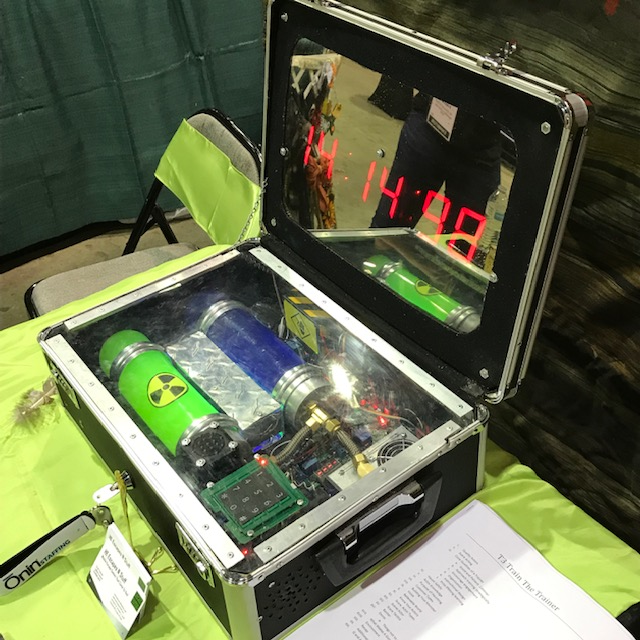
- Specialist escape room manufacturers: companies that design and build props, puzzles, electronics, software, and even full turnkey rooms for operators worldwide.
- Scenario/script designers: firms that sell narratives, puzzle logic, and game flow, sometimes paired with physical kits.
- Prop and FX houses: horror and haunt-industry suppliers that focus on lighting, sound, pneumatic gags, and atmospheric set pieces, not game logic.
- Broad marketplaces and general wholesalers: DHgate, Alibaba, and others connecting Chinese manufacturers with global buyers across categories like toys, party supplies, and electronics.
US escape room operators and small ecommerce businesses rarely rely on just one type of supplier. A typical pattern looks like this:
- Commercial venues buy interactive puzzles and tech from escape-room specialists (for reliability and support), then layer generic décor from marketplaces and party suppliers on top.
- DIY or low-budget rooms lean more on marketplaces and local retail for locks, boxes, costumes, and props, occasionally adding one or two specialist pieces.
- Prop resellers or small ecommerce stores often source bulk atmospheric items (for example, masks, horror décor) from general B2B marketplaces, then experiment with custom OEM electronics from specialist escape-room factories if demand justifies it.
Understanding which bucket your needs fall into is the first step before you compare DHgate against more specialized routes.
Choosing Suppliers: Signals That Matter for Escape Room Projects
Escape rooms punish weak hardware. Locks get yanked, props get dropped, sensors misfire under constant use. So the supplier you choose needs more than just a nice catalog.
Look for escape-room-specific experience
For specialist vendors and general props suppliers, check for:
- Explicit focus on escape rooms: some companies described in EscapeRoomData’s overview mention turnkey rooms, custom gadgets, and electronics specifically designed for escape rooms.
- Portfolio or case studies: examples of installed rooms, client lists, or photo/video walkthroughs of working props.
- Reset and durability philosophy: any mention of player wear and tear, maintenance, or how puzzles are designed to reset quickly.
If a supplier only talks about Halloween parties or haunted houses, they may be fine for décor but not for core puzzles.
Technical documentation and support
Complex puzzles and electronic props should come with:
- Clear manuals: wiring diagrams, trigger logic, troubleshooting steps.
- Remote support channels: email, ticketing, or scheduled calls for installation help.
- Spare parts or repair options: even just a stated ability to sell replacement boards or sensors.
When you contact vendors listed in the EscapeRoomData article, ask directly:
- Do you provide wiring diagrams and reset procedures?
- What happens if a controller fails during peak season—can you ship replacements?
For marketplace sellers (including DHgate), these questions become a pre-screen. Many listings for masks or Halloween props are fine without deep documentation; electronic puzzles are risky if the seller can’t explain how they work in plain English.
Online presence and communication red flags
Before you send money to any cross-border supplier:
- Website quality: is there a real site with company details, or just a bare contact form? Does the catalog show escape-room props, not just generic gadgets?
- Consistent branding: same name, logo, and company info across the website, social profiles, and marketplace storefronts.
- Responsiveness: do you get clear answers to technical questions, or only copy-pasted phrases?
Red flags for escape room projects include:
- No mention of installation support for complex props
- Refusal to send photos or short videos from their workshop or installed rooms
- Vague or inconsistent answers about voltage, safety, or reset procedures
You’re buying things players will physically interact with. If a supplier can’t clearly explain how their prop works and how you’ll fix it, they’re probably not the right fit.
Order Size, Customization, and Cost: Matching Requirements to Sourcing Routes
Different escape-room business models push you toward different sourcing strategies. Think about your project in one of these buckets:
1. Single DIY room (home, school, or small venue)
- Order size: tens of items, often 1-3 units each.
- Customization: light. You can adapt puzzles from DIY guides and use off-the-shelf props.
- Best-fitting routes:
- Marketplaces (DHgate, AliExpress, etc.) for locks, masks, boxes, atmospheric décor.
- General prop/party suppliers for themed decorations and simple FX.
DHgate’s editorial materials describe the platform as friendly to low minimum order quantities, sometimes allowing buyers to purchase one or a few units, and using tiered pricing where per-unit prices decrease for larger orders. This aligns well with a DIY room where you might need a handful of horror props and masks rather than pallets.
Buyer workload is moderate: you’ll piece the room together yourself, but you can afford to test and swap out props if one doesn’t perform.
2. Multi-room commercial venue
- Order size: hundreds of items across several rooms; multiple copies of key components for spares.
- Customization: medium to high. You need unique experiences and reliable electronics.
- Best-fitting routes:
- Specialist escape room vendors for core puzzles, control systems, and turnkey room packages.
- FX and haunt suppliers for lighting, sound, pneumatics.
- Marketplaces only for non-critical décor and costuming.
Here, DHgate-type marketplaces can still save budget on atmosphere—costumes, set dressing, generic locks—but relying on them for safety-critical hardware (for example, anything influencing emergency exits) or core game logic is risky. You’ll spend more time vetting sellers and debugging products than running your business.
3. Prop resale or small ecommerce business
- Order size: dozens to hundreds of units per SKU.
- Customization: varies; you may white-label generic props or commission exclusive puzzles.
- Best-fitting routes:
- DHgate and similar marketplaces for bulk-friendly, generic items like masks, decorative horror pieces, and party props.
- OEM relationships with specialist escape room manufacturers if you want exclusive electronic puzzles or kits.
DHgate editorial content notes that buyers can access OEM factories through the platform in some categories, enabling sourcing directly from producers. That can matter if you want to brand atmospheric props or tweak designs for resale. But OEM for complex escape-room electronics is still better negotiated with vendors who explicitly build for escape rooms and can support your downstream customers.
The common theme: use marketplaces where low MOQ, tiered pricing, and wide selection help, and reserve specialist vendors for anything that must not fail in front of paying players.
Comparing Sourcing Channels: Specialist Vendors, Marketplaces, and Direct Deals
Here’s a compact comparison of the main sourcing channels through an escape-room lens. Cells are editorial judgment based on observed supplier types and DHgate’s positioning in its own blog content.
| Channel type | Escape-room product focus | Typical MOQ tendency | Customization realism | Buyer workload & support |
|---|---|---|---|---|
| Specialist escape room vendors | Complete puzzles, electronics, scripts, turnkey rooms | Moderate – kits/rooms rather than single trinkets | High – puzzles and scenarios built to spec | Lower workload, vendor-led support for installs and resets |
| General prop/FX suppliers | Lighting, sound, horror props, pneumatics | Low–moderate – individual pieces and small batches | Low–medium – colors, sizes, minor tweaks | Medium – you assemble your own games from components |
| Marketplaces (e.g., Cross-border multi-seller, Alibaba) | Generic props, masks, locks, party décor | Often low; some listings allow small quantities | Medium on bulk orders for some categories | High – you vet sellers, combine shipments, and handle tech issues |
| Direct factory/OEM deals | Any component you can spec and manage | Medium–high; factories prefer volume | High – if you can communicate requirements clearly | High – engineering, QC, and safety compliance are on you |
For many US operators, the practical mix is:
- One or two specialist escape room partners for core experiences.
- A couple of FX/haunt suppliers for set and scares.
- Selected DHgate or similar marketplace sellers for décor and costumes where low MOQ and price matter more than deep support.
If you want deeper process detail specifically on using DHgate, you can hand off to internal material such as the pages on finding wholesale suppliers or evaluating DHgate sellers.
Query-time DHgate listing example
Observed on 2026-09-20, Halloween props haunted house secret room cosplay security isolation zone terrifying atmosphere scene decoration supplies appeared in Other Pet Supplies. This is a time-bound, illustrative listing example; availability and listing details may change. Compare the stated specifications and order a sample before considering a larger purchase.
Using DHgate for Escape Room Atmosphere and Generic Props
DHgate positions itself in its editorial blog as a global B2B marketplace connecting Chinese manufacturers with international buyers across categories like toys and party/event supplies. It also highlights broad product selection for event planners, competitive wholesale pricing, and potential OEM factory access for party-related goods.
For escape rooms, this maps best to atmospheric and generic props, not your core game electronics.
What DHgate realistically covers for escape rooms
Around the research date 2026-09-20, DHgate listings included many Halloween and horror-themed decorations and props that can double as escape-room atmosphere. Examples drawn from product snapshots include:
- A listing titled “Halloween props haunted house secret room cosplay security isolation zone terrifying atmosphere scene decoration supplies”, noted above, intended to set a spooky scene.
- “Halloween Door Decoration Theme Party Supplies Decorative Ornaments Props Wall Hanging”, in the Other Fashion Accessories category, with a price range of roughly $5.51–$15.55 at that time.
- Several party masks, such as:
- “Halloween Headgear Horror Mask Halloween Game Cosplay Prom Props Masks Party Horror Costume Accessory Creative Halloween Mask” in the Party Masks category, with a price range around $14.06–$30.02 on 2026-09-20.
- “Mask Halloween Cosplay Props Plastic Masquerade Costume Accessory Party Decor” and “Photo Prop Masquerade For Women Men Cosplay Props Half Face Mask Prom Party Supplies Halloween Masks”, also Party Masks listings with mid-teens to high-20s price ranges.
Prices and availability can change quickly, but the pattern is clear: you’ll find a wide range of masks, horror pendants, themed wall hangings, candy bags, and similar décor that suit escape-room themes, especially horror, thriller, and party-style rooms.
DHgate blog content also highlights tiered pricing, where unit prices generally decrease as you order more, and mentions merchant badges such as “top merchant” or “China brand” that signal sales volume or origin of goods. Those can be extra data points when you compare multiple sellers for similar props, alongside your own due diligence.
How to use DHgate effectively for escape rooms
In practice, DHgate works best for:
- Atmosphere: masks, horror figurines, fake body parts, themed wall décor, candy bags and small giveaways for school escape games.
- Generic hardware: padlocks, boxes, chains, non-safety-critical doors and windows props.
- Costuming: role-play masks, hoods, cosplay accessories for actors.
A practical workflow:
- Define what is “atmosphere” versus “game-critical.” Anything that must trigger reliably, meet local building/safety codes, or control exits should not be sourced blindly from generic marketplace listings.
- Search with specific keywords like “Halloween props haunted house secret room,” “party masks,” or “horror pendant decorations,” then filter by price range and order quantity.
- Compare multiple sellers for similar items, checking badges, product photos, and description detail.
- Order samples first, especially for items that will see heavy wear. Use them in a test environment to see how they hold up to rough handling.
For complex electronics, integrated puzzles, or anything tied to emergency egress, your safer path is still a specialist escape room vendor or a well-documented FX supplier. DHgate’s strengths—low or flexible MOQs, broad selection, and wholesale-oriented pricing—don’t replace the engineering and compliance work those props require.
Before choosing a DHgate supplier, use Find wholesale suppliers on DHgate, Find DHgate suppliers, and Choose a DHgate wholesale supplier.
Table data and DHgate traits are based on editorial material from DHgate’s own blog and on observed escape-room supplier categories in independent sources such as EscapeRoomData.