
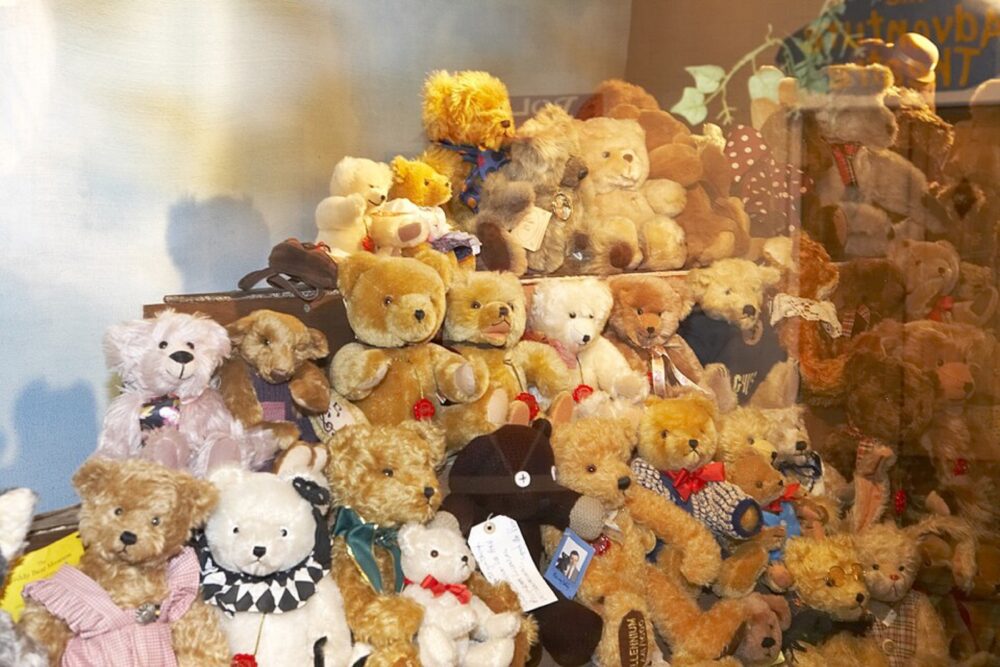
For a Canadian buyer, the best way to compare wholesale teddy bear and plush toy suppliers is to reduce every option to a landed cost per unit and weigh that against quality, safety, customization, and reliability for your specific order size. That means taking each quote—whether from a Canadian wholesaler, a US custom maker, or an overseas B2B marketplace—and adding shipping to Canada, duties, and any customization fees, then checking what you actually get: fabric and stuffing quality, safety testing, minimum order quantities (MOQs), delivery timelines, and how much risk you’re taking on a late or defective shipment.
This guide walks through that comparison in a plush-specific way, using real supplier types and examples that Canadian small ecommerce sellers and event buyers actually use.
What Canadian buyers should compare for wholesale teddy bears & plush toys
You don’t compare wholesale plush the same way you’d compare, say, phone cases. Plush is child-facing, soft goods that can shed, tear, and fail safety tests. For Canadian buyers, the practical checklist looks like this.
1. Landed cost per unit (not just unit price)
For every supplier, build a simple landed cost per unit:
Landed cost per unit = (product cost + shipping + customs/duties + customization fees) ÷ number of sellable units
Why it matters:
- Domestic suppliers usually have higher unit prices but shorter shipping distances and simpler customs handling.
- Overseas factories and marketplaces often show much lower headline prices. A teddy-bear-focused manufacturer like Yifang Plush notes that basic small bears sourced domestically tend to cost more per unit than overseas alternatives once you’ve added shipping and import costs, but “cheaper” overseas bears can lose their edge once you factor in long transit and duties.
- For Canada, you need to consider:
- International courier vs ocean/air freight cost.
- Brokerage fees if applicable.
- GST/HST and any duties at the border. Actual tax and duty treatment depends on the product and can change, so confirm current rules with the Canada Border Services Agency (CBSA), a customs broker, or your carrier.
If you’re buying, say, 200 bears for a fundraiser, a small difference in duties or courier surcharges can erase the savings from a cheaper overseas unit price.
2. Quality and safety specific to plush
Editorial guidance on toy manufacturing stresses comparing quality and price together by looking at:
- Materials: Fabric (e.g., short-pile vs long-pile plush), stitching density, plastic vs embroidered eyes.
- Safety standards and regulations: Whether the supplier says their plush is tested to applicable toy standards. For child-facing bears in Canada, that typically means alignment with North American toy safety norms. Treat any claim as a starting point; ask for documentation when in doubt.
- Production process & testing procedures: Some suppliers highlight safety-tested lines; custom-focused companies like Stuffed Animal Pros emphasize safety-tested custom plush in their marketing.
- After-sales support: How they handle defects or misprints in your logo T-shirts or bandannas.
Because plush is often handed to kids, you should scrutinize small parts, seams, and stuffing more than you would on a typical branded swag item.
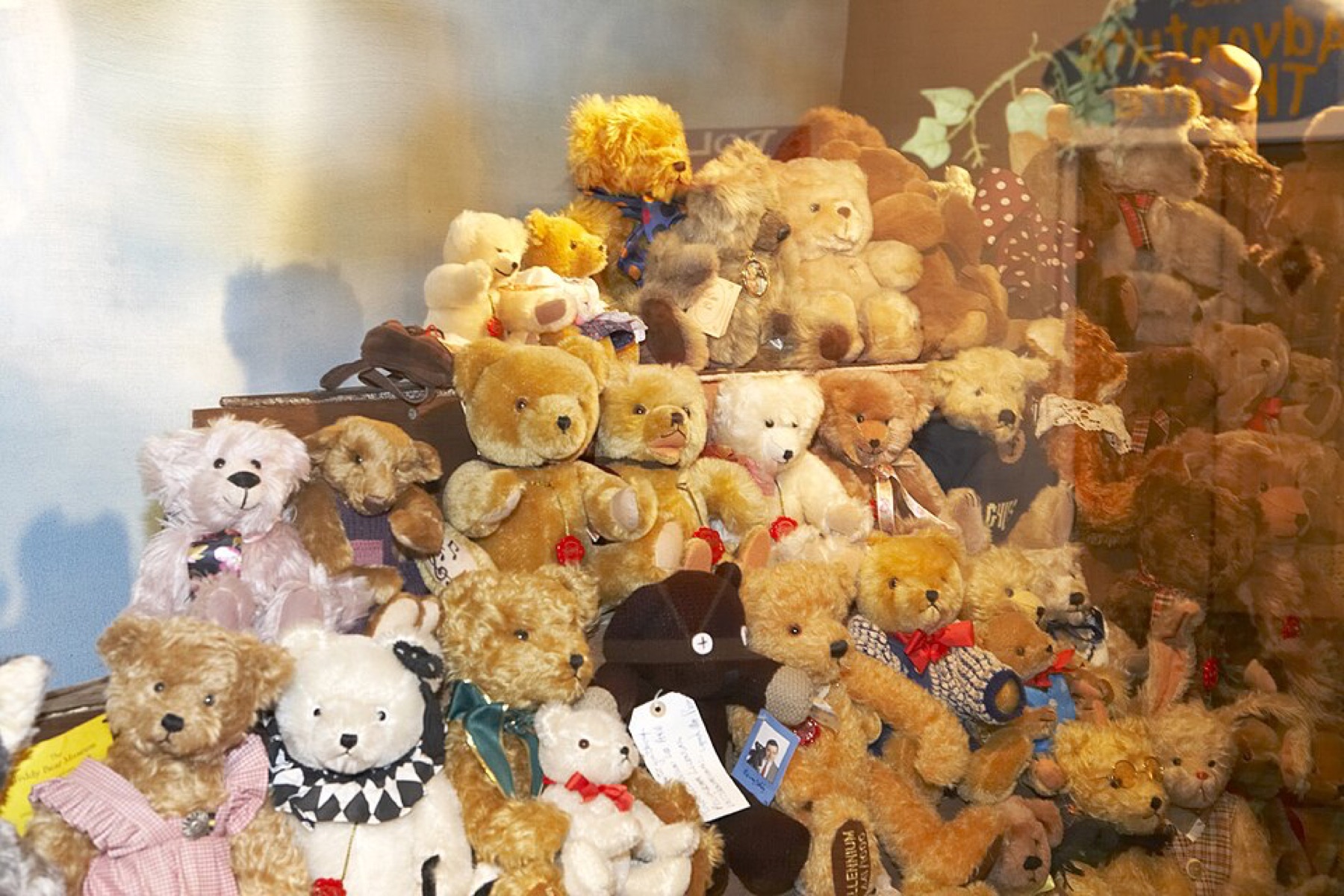
3. Customization and MOQs
Canadian small businesses often need branding, not just blank bears. When comparing suppliers, look at:
- Customization methods: Printed T-shirts, sewn-in labels, embroidered logos, custom body designs.
- MOQ for custom work: Custom specialists such as Stuffed Animal Pros market “low minimums” for custom plush, which can be attractive for early-stage brands.
- Standard vs fully custom:
- Standard: Buy existing bear shapes and just add a printed T-shirt or ribbon (common with wholesalers like Plush in a Rush).
- Fully custom: New character, pattern, and packaging—usually longer lead times and more sampling.
Align this with your business model: event giveaways can often live with standard designs; a DTC plush brand may need fully custom characters.
4. Reliability and relationship fit
Wholesale price guides emphasize that you should reassess suppliers periodically using questions like:
- Are their prices still competitive for your category?
- Are orders shipped within the promised timeframe often enough for your calendar (e.g., Valentine’s Day bears)?
- Do they offer meaningful bulk discounts at volumes you can realistically hit?
For a plush line, consistency matters. Switching suppliers mid-season because of missed shipments can leave you with mismatched colors or slightly different bear faces in the same product listing.
5. Lead times and seasonality
Toy-focused editorial guidance on sourcing from Chinese wholesale sites notes that overseas orders can often take around three weeks or more to arrive depending on the destination. For Canada, that’s a wide enough range that you should build in extra buffer for customs and potential delays.
For seasonal bears (Christmas, Valentine’s), compare:
- Production lead time: How long to make your order.
- Transit time: How long to get to your warehouse in Canada.
- Reorder feasibility: Can you restock mid-season if a SKU unexpectedly takes off?
You want lead times that match your sales curve: overseas for predictable, long-run lines; nearer suppliers for last-minute top-ups.
Common supplier and marketplace types for wholesale plush
Most Canadian buyers end up choosing between four broad channels, often using more than one.
1. Domestic and nearby specialist plush wholesalers
These are companies whose whole business is plush.
- US-based wholesale designers/distributors:
- Plush in a Rush is a US designer and distributor of wholesale stuffed animals and teddy bears, including options like custom-printed T-shirts or ribbons.
- This type of supplier often maintains deep seasonal lines (Valentine’s, Christmas, graduations) and can be attractive for Canadian buyers who want North American-style designs and coordination across SKUs.
- Canadian wholesalers and importers: While not in the evidence set, you’ll see similar players in Canada that import plush and warehouse it locally, cutting down transit time and customs complexity.
Good fit for: gift shops, hospital gift stores, florists, and small ecommerce sellers that want ready-made bears, sometimes with light branding.
2. Custom plush manufacturers and brand partners
These suppliers focus on designing and producing custom plush characters and branded items:
- Stuffed Animal Pros highlights custom stuffed animals, pillows, keychains and more, with low minimums and bulk options.
- Their marketing emphasizes safety-tested products and a US-based team supporting the process.
Good fit for: Canadian brands or creators needing a mascot plush, game character, or fully branded line with specific features.
3. Online B2B marketplaces for overseas factories
Toy and wholesale shopping guides repeatedly recommend B2B marketplaces to connect with overseas vendors:
- Platforms in the “Alibaba style” category let you browse many factories offering teddy bears and plush toys at bulk pricing. Multi-seller marketplaces like DHgate sit in this same general category: cross-border platforms where multiple vendors list plush toys and you can compare offers.
These marketplaces are often the cheapest headline option for basic bears but come with longer shipping and more variability in supplier reliability. To manage that, you’ll typically request samples, compare multiple sellers, read reviews carefully, and factor in import duties and transit time before committing to a large run.
Good fit for: Canadian buyers who are comfortable managing imports, need large volumes, and can build relationships over multiple orders.
4. Bulk listings on retail platforms
Retail platforms can function as “micro-wholesale” for small runs.
- Amazon.ca bulk packs: The Canadian site lists various teddy bears in bulk packs, such as multi-packs of small or mid-size plush. These are retail listings but sold in quantities that can cover small events or early-stage online shops.
- Other retail channels like Walmart.com also carry bulk teddy bear packs, though cross-border shipping from US warehouses may add complexity for Canadian buyers.
Good fit for: event organizers, fundraisers, and very small ecommerce tests where you want to avoid formal wholesale accounts or international freight entirely.
Comparing channels on cost, quality, and risk
This table gives a high-level comparison for Canadian buyers evaluating different channels for wholesale teddy bears and plush toys.
| Channel type | Cost profile (landed to Canada) | Quality & safety consistency | Customization & MOQs | Risk & convenience for Canadians |
|---|---|---|---|---|
| Domestic/nearby plush wholesalers | Higher unit price than overseas; lower shipping distance; simpler customs; good for mid volumes | Often focus on plush, with curated lines; easier communication about safety and materials | Usually offer standard bears plus add-ons (T-shirts, ribbons); MOQs moderate, suited to stores and mid-size runs | Lower import complexity; shorter transit; moderate risk; easier recourse if something goes wrong |
| Custom plush manufacturers | Setup and sampling costs; per-unit can be higher but amortized over longer runs | Strong emphasis on materials, safety testing, and process; built for brand consistency | High customization (new characters, packaging); often low to mid MOQs for custom work | Longer development timelines; better long-term fit for brands; relationship-driven; moderate complexity |
| Overseas B2B marketplaces (incl. cross-border multi-seller sites) | Low headline unit prices; shipping and duties add up; best economics at larger volumes | Quality varies by factory; you must evaluate materials, standards, and testing for each seller individually | Wide range: stock bears with custom T-shirts up to fully custom plush; MOQs often higher but negotiable | Higher import and logistics complexity; longer transit (often around 3+ weeks); higher variance in reliability |
| Retail platforms with bulk packs | Retail-level unit prices but no need for wholesale accounts; shipping within Canada is often straightforward for smaller quantities | Quality varies by brand and seller; you rely on listing details and reviews; easier to test a sample order before committing | Limited customization—mostly standard designs with no or light branding; quantities suited to events and micro-tests | Low import complexity when shipped from within Canada; familiar checkout; easier returns than cross-border freight; good for last-minute or small orders |
Use this as a shortlist tool rather than a verdict. For example, if cost is your main constraint and you’re comfortable with imports, overseas marketplaces may win. If your brand reputation rests on safety and long-term consistency, domestic specialists or custom manufacturers will often justify their higher landed costs.
Scenario-based recommendations for different plush buyers
Canadian buyers often fall into a few common situations. Matching your scenario to the right channel saves time and headaches.
Scenario 1: Community event or fundraiser needing 50-200 bears
Typical needs:
- Fixed date (school event, charity gala, corporate holiday party).
- Tight budget but small quantity.
- Low risk tolerance for late shipments.
Best-fit channels:
- Retail bulk packs (e.g., Amazon.ca): For quantities under ~100-200 units, bulk teddy bear packs on Amazon.ca can be cost-effective when you factor shipping and duties into a comparable overseas order.
- Domestic/nearby wholesalers: If you need higher perceived quality or themed designs, a specialist like Plush in a Rush or a Canadian wholesaler can supply seasonal bears with a predictable lead time.
Watch out for: Ordering from overseas marketplaces too close to your event date; editorial guidance on toy imports from China notes three-week-ish transit as a typical baseline, which leaves little margin for delays.
Scenario 2: Small ecommerce shop testing plush as a new category
Typical needs:
- Initial test batch of 50-300 units.
- Mix of designs (colors, outfits) to see what sells.
- Ability to re-order quickly if a SKU hits.
Best-fit channels:
- Domestic/nearby wholesalers: Let you test multiple SKUs with manageable MOQs; easier returns and restocks.
- Retail bulk packs: Good for very early testing; you can move to wholesale once you validate demand.
- B2B marketplaces (e.g., DHgate-type sites): Once you see clear winners, you can approach overseas factories for larger, cheaper runs—but only after you’ve calculated landed costs and vetted suppliers via samples.
DHgate’s own editorial advice on wholesale shopping emphasizes comparing multiple suppliers and negotiating on large orders; that’s especially true here. Start with samples, then escalate to larger volumes only when quality and communication check out.
Scenario 3: Building a long-term branded plush line
Typical needs:
- Unique characters and packaging.
- Repeatable quality, safety testing, and brand consistency.
- Long-term relationships and negotiated pricing.
Best-fit channels:
- Custom plush manufacturers: Partners like Stuffed Animal Pros are designed for this; they handle custom shapes, branding, and safety-tested lines, often with project managers guiding the process.
- Hybrid approach: Some brands work with a domestic custom partner for design and sampling, then migrate mature SKUs to an overseas manufacturer found via B2B marketplaces, once they understand the spec and can tightly control quality.
As Maple Eye Toys notes in its guidance on plush suppliers, clarifying your needs and understanding supplier types is the first step. For a brand line, that means writing down your quality and safety expectations before you ever ask for a quote.
How to run a price comparison that includes shipping and duties
You’ll often have one quote from a domestic/nearby wholesaler and another from an overseas marketplace seller. Here’s a simple method to compare them in Canadian terms.
Step 1: Normalize quantities and specs
Make sure you’re comparing apples to apples:
- Same size range (e.g., all ~8-inch bears).
- Similar materials (e.g., embroidered eyes vs plastic eyes, same plush weight).
- Same accessories (T-shirts, ribbons, packaging).
If one supplier includes branded T-shirts and another doesn’t, note that separately; don’t bury it in the unit price.
Step 2: Collect full cost components from each supplier
For each quote, ask for:
- Product unit price and MOQ.
- Total product cost for your target quantity.
- Shipping quote to your Canadian postal code: specify whether it’s air courier, postal, or freight.
- Any handling or packaging fees: especially for custom T-shirts, hangtags, or polybags.
Wholesale pricing guidance encourages you to also probe:
- Whether there are bulk discounts at higher quantities.
- What the typical turnaround time is from order to dispatch.
Step 3: Estimate Canadian import costs for overseas options
For overseas marketplace suppliers only:
- Check HS codes and duties for plush toys (your customs broker or carrier can help).
- Assume you’ll pay GST/HST on the declared value plus any applicable duty.
- Add potential brokerage or clearance fees if your carrier charges them.
You don’t need to calculate exact dollars for every quote; the key is to use the same assumptions across all overseas options so your comparison is fair, and to double-check specifics with CBSA, a broker, or your carrier since rules and rates change.
Step 4: Calculate landed cost per unit for each supplier
For each supplier/channel:
- Add up:
- Product cost
- Shipping
- Estimated duties and taxes (for overseas)
- Customization/branding fees
- Divide that total by the number of sellable units.
Now you can see, for example, that a domestically sourced bear at a higher unit price might actually be competitive once you incorporate international shipping and import costs on the overseas option.
As Qround Toy’s comparison of Christmas plush suppliers points out, getting multiple quotes and comparing them systematically can lower your average per-order cost when you buy in bulk—not because one supplier is universally cheapest, but because different suppliers are efficient at different volumes and specs.
Step 5: Layer in non-price factors before you decide
Once you’ve got landed cost per unit, revisit the non-price factors that matter for plush:
- Safety confidence and documentation.
- Lead time and your event or launch date.
- Customization needs (brand story, character uniqueness).
- Supplier communication and responsiveness.
For supporting DHgate context in this channel comparison, use Compare DHgate with AliExpress, Alibaba and Temu, What DHgate is and how the marketplace works, and Find wholesale suppliers on DHgate.
DHgate’s editorial guides on toy manufacturers and wholesale shopping highlight this balance: price is only one dimension of value. For teddy bears and plush toys going into kids’ hands—or into your brand’s reviews—quality and reliability deserve just as much weight in your comparison as a few cents’ difference per unit.