
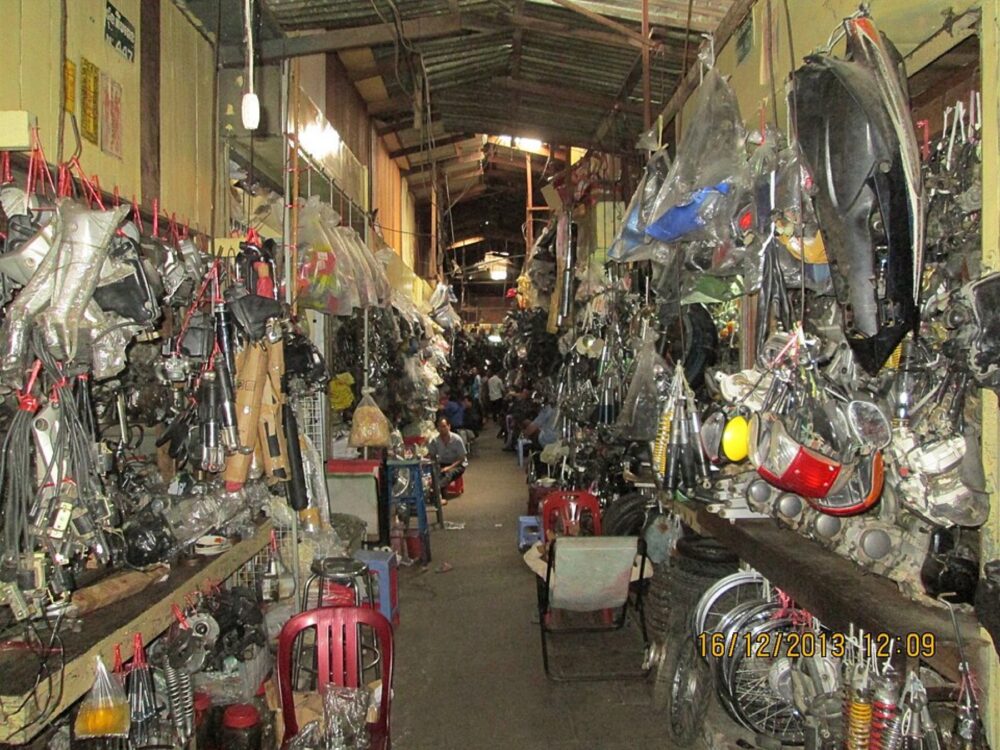
Quick answer: Save money on auto parts by comparing total landed cost, fitment, warranty, return options and safety risk across local stores, online sellers and suppliers.
You get the best deal on auto parts by comparing the total landed cost of each option, not just the sticker price. That means adding up part price, shipping, taxes or customs, and what you risk if the part doesn’t fit, fails early, or is hard to return. For common maintenance items in the US, big chains and online discounters often win on convenience and predictable quality. Cross-border marketplaces or direct suppliers start to make sense for bulk orders, workshop tools, and simple hardware or plastic components where the design is clear and safety risk is low.
This guide focuses on price and value, not any one retailer. The goal is to help you choose the cheapest viable channel for your specific repair or resale plan, and know when paying more for a safer or faster option is the smarter move.
How Auto Parts Pricing Really Works Across Retailers and Suppliers
Most buyers try to compare part prices in isolation (“brake pads are $45 here and $30 there”), but auto parts pricing is really a stack of costs.
For any part, your real cost =
- Part price
- + Shipping / delivery costs
- + Taxes / possible customs
- + Risk costs (fit problems, downtime, returns hassle)
Those pieces change depending on where you buy.
Local US parts chains (AutoZone, Advance, NAPA)
Chains such as AutoZone and Advance Auto Parts combine physical stores with online catalogs. Their part prices on common maintenance items (brake pads, filters, batteries, belts) are usually higher than the bare-bones online discounters, but you’re paying for:
- Instant availability: same-day pickup when your car is down.
- In-person help: staff can cross-reference part numbers, and many locations offer basic diagnostic help in broad terms.
- Easy returns: if the part doesn’t fit, you drive back to the store.
Total landed cost may be lower in an emergency because you’re not adding towing, rental car, or days of lost use while you wait for a shipment.
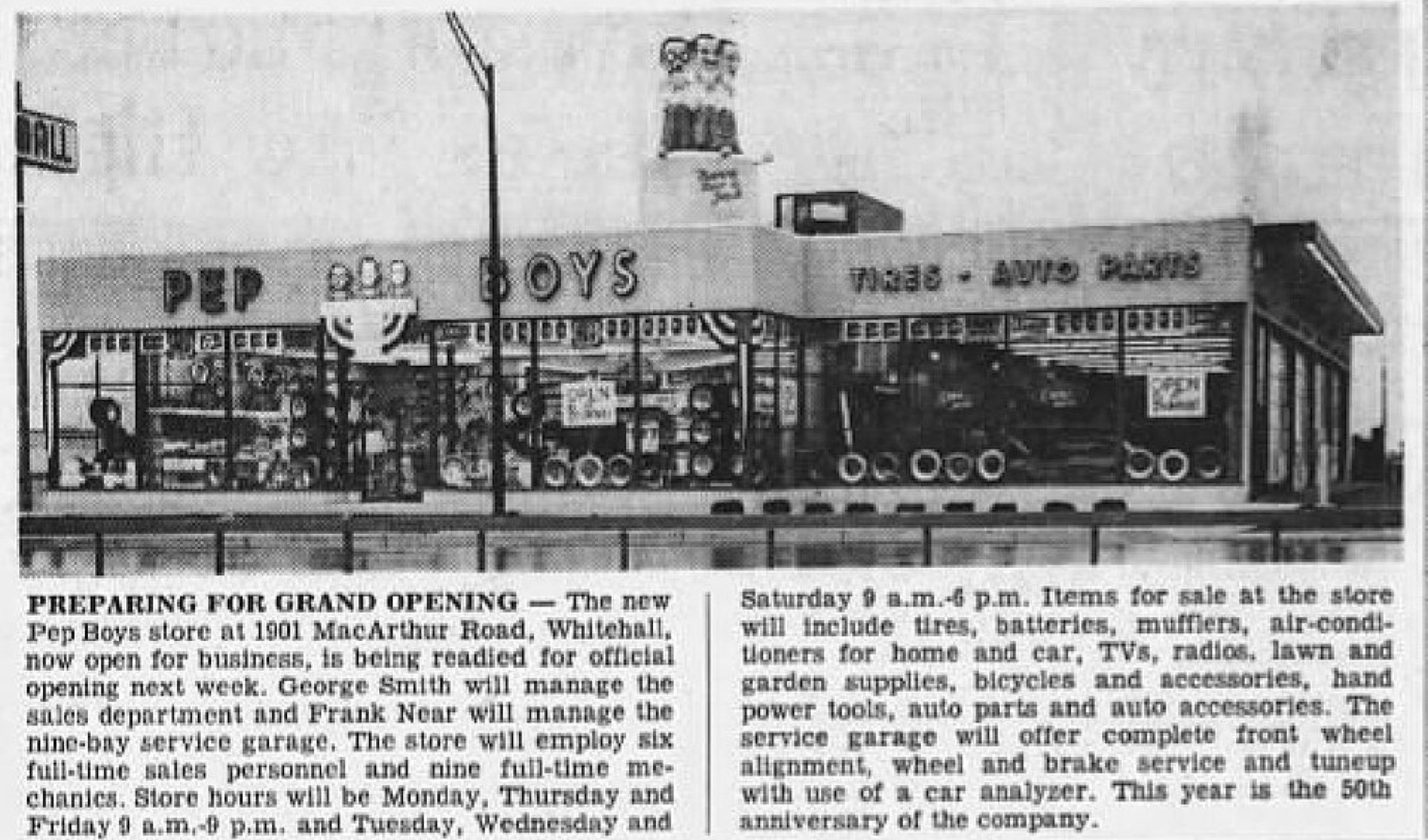
US online discounters (RockAuto and similar)
US-based online discounters like RockAuto focus on competitive pricing and a wide catalog. You enter your year/make/model and see multiple brands and price points in one place.
Typical tradeoffs:
- Lower part prices on many items vs walk-in chains.
- Clear brand choices (OE-equivalent vs budget aftermarket).
- Shipping costs vary by weight and warehouse, and can erase savings on heavy items.
- Returns may be more structured and slower than a local store.
For planned maintenance (full brake job next month, tune-up, shocks), the total landed cost from a discounter is often best: you can bundle multiple items in one shipment and avoid emergency markups.
Marketplaces and cross-border suppliers
Marketplaces like eBay host both US and overseas sellers. Cross-border marketplaces based in China (such as DHgate) connect global buyers directly with manufacturers and traders, including auto parts and tools. Editorial content on DHgate’s blog highlights advantages common to many online platforms:
- Huge variety, including rare and custom parts.
- Digital documentation: specs, compatibility notes, and buyer reviews.
- Ability to compare multiple sellers side by side.
However, your total cost here must include extra verification work and longer lead times. Listing prices can be very low, but shipping, customs, and risk of mismatch or poor quality are on you to manage.
Key Price Drivers: From One-Off Repairs to Bulk and Custom Orders
The same part can have very different pricing depending on how and how many you buy.
1. Order size (single vs bulk)
For a DIY repair on your own car, you’re usually buying one set of pads, one hose, one sensor. Volume discounts rarely apply, so your best bet is a US chain or online discounter.
If you’re a small shop or e-commerce seller, buying in tens or hundreds can unlock lower per-unit pricing from wholesalers or cross-border suppliers. For example, as of 2026-09-16, DHgate product snapshots show:
- A customizable automotive radiator hose listed at about $8.25 per piece in the “Pipes” category (radiator hose listing).
- High precision custom automotive plastic parts priced around $4.83 per unit in an “Other Machining & Fabrication Service” category (custom plastic parts listing).
That kind of unit pricing can be attractive for bulk or repeat use, but it only becomes a real landed savings once you factor in tooling, shipping, and any import fees.
2. Customization and complexity
Custom or semi-custom parts (special brackets, trim pieces, bespoke plastic clips) are often expensive from US catalogs because they’re niche. Cross-border manufacturers may quote low per-piece prices for simple shapes or repeat orders, as the plastic-part snapshot above shows.
Price tends to go up when:
- You need a new mold or jig created.
- Tolerances are tight (precision alignment or safety-critical applications).
- You change specs frequently.
For basic hardware and plastic components that don’t affect safety (interior trim, non-structural brackets, cosmetic pieces), customization from a supplier can be cost-effective. For suspension, steering, airbag, or braking components, cutting corners on design and testing is not worth any savings.
3. Shipping method and weight
Shipping is often the swing factor.
- Lightweight parts (sensors, interior switches, clips) ship cheaply and make online discounters or cross-border listings more viable.
- Heavy or bulky items (rotors, springs, body panels, full exhausts) can erase price advantages because shipping is high.
When comparing channels, always add estimated shipping to the cart total and consider how delays affect your repair schedule.
4. Timing and seasonality
Part prices themselves don’t fluctuate like consumer electronics, but your buying conditions do:
- Demand spikes around winter prep (batteries, wipers, tires) and summer travel (AC components, cooling parts).
- Many retailers run sales around Black Friday, Memorial Day, and year-end clearance.
Online shopping tips drawn from DHgate’s editorial content apply here: set a budget, comparison shop across sites, and time bigger orders around sales seasons when possible.
Choosing the Right Channel for Your Situation
You don’t need a complex framework; you need a quick, realistic way to pick the cheapest reasonable option for this part and this timing.
Channel snapshot for common repair scenarios
Here’s a practical comparison of common channels for a typical repair, like replacing brake pads and rotors on a mainstream sedan in the US:
| Scenario / need | Local chain store (AutoZone, Advance) | US online discounter (RockAuto, etc.) | Marketplace / cross-border supplier (eBay, DHgate) |
|---|---|---|---|
| Emergency repair, car undriveable | Verify the exact listing and seller evidence for this channel | Compare a current sample and written specifications before scaling | Confirm current order terms and timing with the exact seller |
| Planned maintenance with common parts | Verify the exact listing and seller evidence for this channel | Compare a current sample and written specifications before scaling | Confirm current order terms and timing with the exact seller |
| Rare or niche component | Verify the exact listing and seller evidence for this channel | Compare a current sample and written specifications before scaling | Confirm current order terms and timing with the exact seller |
| Bulk stock for resale or shop use | Moderate: some volume options | Strong: multi-pack/catalog options | Strong: direct manufacturers, custom hardware and plastic components |
| Safety-critical parts (brakes, steering, airbags) | Verify the exact listing and seller evidence for this channel | Compare a current sample and written specifications before scaling | Confirm current order terms and timing with the exact seller |
These are editorial judgments based on typical behaviors, not a rulebook, but they match how many US buyers actually use these channels.
Where a cross-border marketplace like DHgate can fit
For certain categories, a China-based marketplace with direct access to suppliers can make financial sense, especially for small garages or online sellers buying tools or non-critical components.
On 2026-09-16, DHgate listings show, for example:
- The radiator hose mentioned earlier at about $8.25 per hose in the “Pipes” category.
- Custom plastic parts at around $4.83 per unit in a machining/fabrication service category.
- A brake drum pliers hand tool priced roughly $18.84–$19.32 in an “Other Vehicle Tools” category (brake tool listing).
These prices suggest that for workshop tools, interior trim, and simple hoses, cross-border suppliers can be competitive, particularly if you’re buying several items together.
However, using a marketplace like this wisely means:
- Sticking to low-safety-risk categories: tools, cosmetic parts, simple hardware.
- Carefully reading specs and compatibility notes, and comparing them to OEM part numbers.
If you also want to understand how import charges affect your total budget when you buy overseas, see Understand customs, tariffs and import fees.
For broader marketplace choices beyond DHgate, you can also read Compare DHgate with AliExpress, Alibaba and Temu.
Cost Optimization Strategies That Don’t Compromise Safety
You can cut your auto parts bill without gambling on your brakes or steering. Here’s how to focus savings where risk is low.
Bundle and plan service kits
For routine maintenance (oil change, air and cabin filters, spark plugs, wiper blades), plan ahead.
- Use a US online discounter to order full kits: all filters, plugs, and small wear parts in one shipment.
- Compare the total cost of a cart from a discounter vs a chain store, including tax and any delivery fee.
The savings per part may be small, but the combined order can cut your overall maintenance cost by a meaningful amount.
Use compatibility tools and cross-check part numbers
DHgate’s editorial guidance on trusted auto parts sites highlights the value of compatibility tools and secure sites. Apply that broadly:
- On US chains and discounters, enter year/make/model and confirm the part fits.
- Cross-check OEM part numbers between sites; don’t rely on vague descriptions.
This matters financially because the cheapest part is the one you only buy once. Wrong-fit parts cost you return shipping, downtime, and sometimes restocking fees.
Target savings on non-critical items
For safety-critical parts, prioritize proven brands and channels. Shift your bargain-hunting to categories where failure is annoying, not dangerous:
- Interior trim pieces and clips
- Cosmetic exterior parts (badges, some body trim)
- Workshop tools (pliers, brushes, minor specialty tools)
- Detailing supplies
Those are good candidates for marketplaces or cross-border suppliers, directly or via platforms like DHgate, because the risk profile is lower and design requirements are clearer.
Time bigger purchases around promotions
For multi-part jobs (full brake overhaul, suspension refresh, cooling system work), timing can matter.
- Watch for promo periods on major US sites: many run coupons or category-wide discounts at predictable times of year.
- Subscribe to newsletters from your preferred discounter or chain; they often send codes.
- If you’re ordering from a marketplace, group multiple items from the same seller to reduce per-unit shipping costs.
These are the kind of strategies DHgate’s broader deal-finding content recommends for online shopping generally, and they translate well to auto parts.
For small ecommerce businesses and garages
If you’re buying for resale or shop stock rather than a single repair, it’s worth building a simple sourcing strategy:
- Use domestic wholesalers and online discounters for fast-moving, safety-sensitive parts (pads, rotors, filters, sensors).
- Explore cross-border suppliers for non-critical hardware, plastic components, and tools where unit price differences are largest.
- Negotiate volume and customization once you’ve tested samples and verified specs.
If you’re specifically evaluating DHgate as one source in that mix, see Find wholesale suppliers on DHgate for more on how to locate and contact potential sellers.
If you keep that structure in mind, you’ll buy fewer overpriced emergency parts, make smarter use of low-cost online channels, and reserve higher-cost local options for the moments when they genuinely save you time and trouble.
Safe auto-parts buying checklist
First identify the exact part number or a verified interchange number. Next, compare only equivalent parts for fitment, material or specification, delivered cost, warranty and return terms. Ask whether the part affects braking, steering, restraint, emissions or another safety-critical system; if it does, prioritise verified fitment and a reliable supplier over the lowest listing price. Keep photos of the old part and the order confirmation until installation is complete.
Saving Money on Auto Parts FAQ
What is the safest way to save money on auto parts?
Confirm the exact part number or fitment first, then compare the delivered price, warranty and return path for equivalent parts rather than choosing by sticker price.
When is a cheap auto part a false economy?
It is a false economy when a poor fit, early failure, missing certification or expensive return removes the initial saving or creates a safety concern.