

AliExpress-style alternatives exist in every direction—Temu, Shein, DHgate, Alibaba, Zendrop, Banggood, Wish and many more. But if AliExpress already feels risky, simply switching logos rarely fixes the problem. The safer move is to treat this as a risk-management job: pick the right type of platform for your use case, and apply strict vetting, sampling and payment protection to every new supplier, whether you’re buying one gadget or a pallet of stock for your UK store.
Below, we’ll look at why UK buyers go hunting for sites like AliExpress, the practices that make any platform less risky, and how the main alternative platform types actually handle bulk orders and disputes. Then we’ll map those types to real UK scenarios—from casual consumer to micro-brand and dropshipper—so you can decide where AliExpress still fits and where you might move part of your sourcing.
Why UK Buyers Look for AliExpress Alternatives (and What They’re Worried About)
People rarely search for “AliExpress alternatives” because everything is going smoothly. Commonly reported frustrations in industry guides and buyer forums include:
- Inconsistent product quality. Two orders of “the same” item can arrive with different materials, build quality or packaging.
- Slow or unpredictable shipping to the UK. Post‑pandemic, threads on communities like Reddit are full of buyers complaining that what used to be smoother now involves longer transit times and more lost parcels.
- Dispute and refund friction. Buyers describe needing to chase sellers for responses, upload photos, and sometimes fight to get partial refunds on defective goods.
For small ecommerce businesses, the stakes are much higher than a disappointing phone case:
- Stock reliability. If a supplier quietly changes a design or runs out of stock, your Shopify or eBay listings suddenly show products you can’t deliver.
- Hidden costs that kill margin. Low headline prices can be wiped out by shipping, import VAT, customs duties, and courier handling fees. Industry guides on AliExpress alternatives, such as SendFromChina’s overview, emphasise that these cross-border extras can dramatically change your real per‑unit cost.
- Reputational damage. An inconsistent batch of clothing or electronics doesn’t just mean returns; it can mean bad reviews, lost repeat buyers and payment disputes.
For UK buyers, there’s an extra layer: taxes and border rules. HMRC generally expects you to pay import VAT and, depending on the goods and their value, customs duties and courier admin fees. This affects:
- The true landed cost of stock.
- Whether returning goods to an overseas seller is economical.
- How practical refunds are if the platform asks you to send items back.
You should always check current HMRC guidance before budgeting for bulk imports or promising delivery timelines to UK customers.
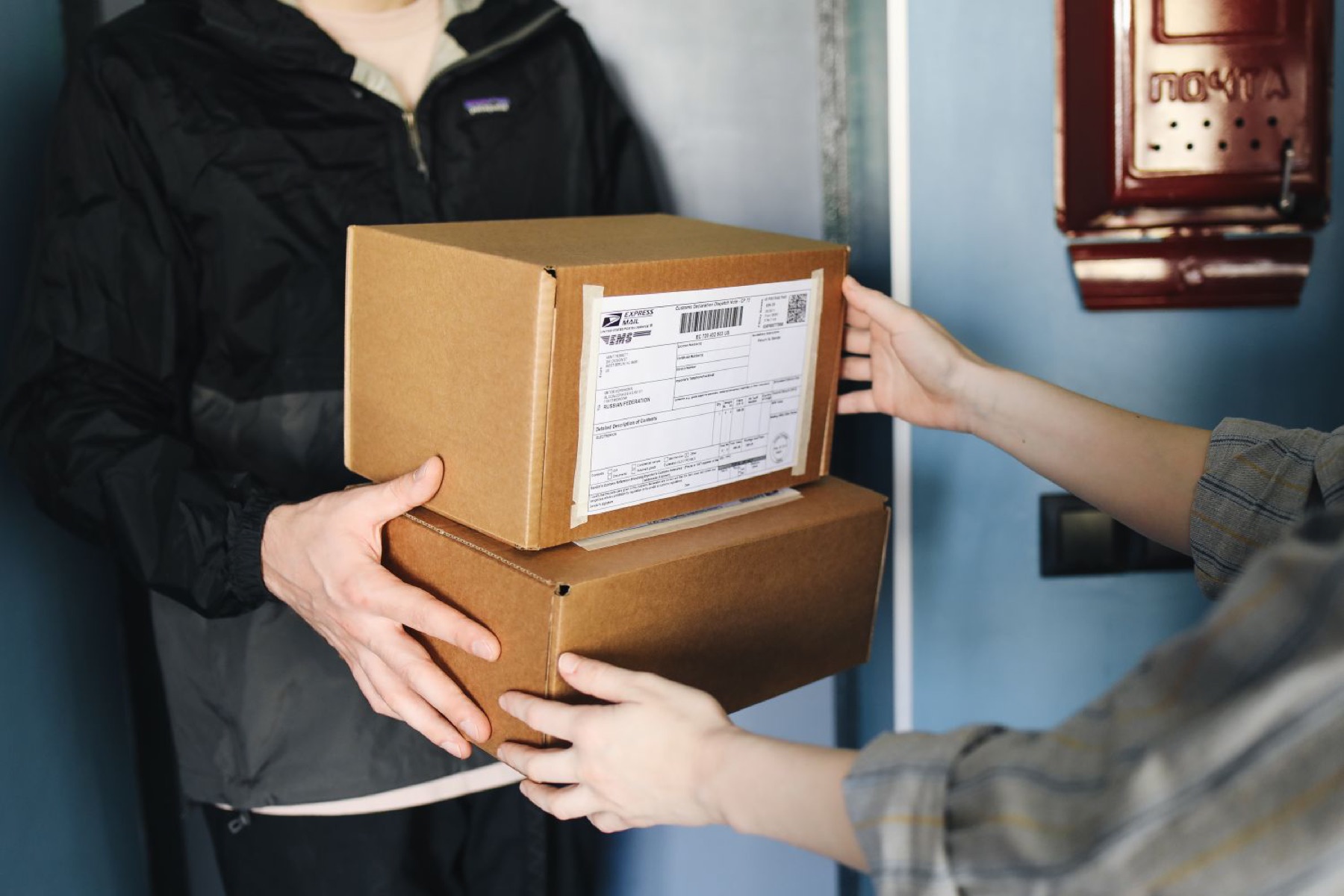
The real question isn’t “Is there a site exactly like AliExpress?” It’s: What problem am I solving—quality, speed, disputes, margin—and which platform model actually helps without creating new risks?
Safer Buying on Any AliExpress-Style Site: Steps Before You Switch Platforms
Before you decide where to move, you can make any AliExpress-style platform less risky with a simple workflow. Think of it as your universal safety net.
1. Treat every seller like a new supplier
On open marketplaces and wholesale platforms, the brand name doesn’t guarantee a seller. For each seller:
- Check review patterns over time, not just the star score. Look for detailed comments, photos, and mentions of repeat orders.
- Scan negatives first. Are people complaining about sizing, quality changes, shipping delays, or missing items? A few isolated issues are normal; a theme is a warning.
- Test communication. Before placing a large order, message the seller with a specific question: sizing chart, material spec, packaging options. Slow, vague or copy‑paste replies are a red flag for complex orders.
2. Use samples and split test orders for bulk
Cross-border sourcing specialists are broadly aligned on this point: never jump straight into a big order with a new supplier. Widely recommended practices include:
- Order physical samples of every key variant (size, color, design) you plan to stock.
- Run a small test order to see real-world quality and shipping performance.
- Split your risk by testing two or three suppliers for the same product if you plan ongoing volume.
For UK businesses, factor shipping times and customs clearance into your timeline. If your sample takes several weeks to arrive, assume real bulk orders may be similar or slower without paid express services.
3. Keep your payments as protected as possible
Consumer-protection guidance from regulators and card issuers consistently recommends:
- Card payments (credit or debit) via the platform checkout, which typically give you chargeback rights if things go badly wrong.
- PayPal, where available, for its own dispute process.
- Avoid wire transfers and direct crypto to unknown suppliers, especially for bulk orders. These are hard or impossible to reverse if the goods never show up.
None of these channels guarantees a win in a dispute, but each adds another layer of leverage compared to sending money directly to a bank account.
4. Document everything like you expect a dispute
On AliExpress-style platforms, documentation is your evidence if there’s a problem. Best practices include:
- Written specs: size charts, materials, colors, packaging, logo placement, labelling requirements. Keep this in the platform messaging system or email.
- Order records and screenshots: product pages at the time of purchase, prices, estimated delivery windows.
- Photo and video evidence: of samples, defects, packaging, and any differences from the listing.
Logistics and sourcing content, including the SendFromChina guide, repeatedly stress that this kind of record-keeping can strengthen your position both with platforms and, if necessary, with your bank.
5. Calculate UK landed cost before judging any platform
Price comparisons between AliExpress and alternatives can be misleading if you only look at the unit price. For a UK buyer, the real cost usually equals:
product price + shipping + import VAT + customs duty (if applicable) + courier/handling fees
Ask suppliers for:
- HS codes for the product category (used by customs to decide duty rates).
- Declared value and likely shipping method.
Then run rough landed-cost calculations based on current HMRC guidance. This is especially important for fashion, electronics and branded goods where duties or handling fees can be significant.
Types of AliExpress Alternatives and How Their Protections Really Work
Most “sites like AliExpress” fall into four broad categories. Each handles risk and protection differently.
1. Open cross-border marketplaces
Examples: AliExpress, DHgate, Banggood, Wish
These are large platforms that connect many independent sellers with global buyers. Typical characteristics include:
- Wide product range from small accessories to bulk‑friendly items.
- Platform-hosted checkout and messaging between buyer and seller.
- Ratings and reviews on each product and seller.
Buyer protection usually takes the form of platform-mediated payments and a protection window—you’re expected to open a dispute within a set period if goods don’t arrive or are significantly not as described. Guides such as Jingsourcing’s AliExpress alternative overview note that there are important limits:
- Enforcement can be uneven across different sellers.
- Review systems can be gamed; overly perfect scores with generic comments deserve scrutiny.
- Protection windows may expire before very slow shipments arrive if you don’t track timelines.
A marketplace like DHgate fits this pattern: it hosts many sellers and products and acts as a platform connecting buyers and independent sellers, not as the direct manufacturer. As on AliExpress and other marketplaces, you still need to research each DHgate seller, interpret ratings and reviews cautiously, and rely on sampling, clear specs and secure payment methods to reduce risk.

2. B2B wholesale platforms
Examples: Alibaba, 1688, Global Sources
These platforms are built around larger, often custom bulk orders. Typical traits:
- Many factory and trading-company profiles targeting business buyers.
- Tools like “trade assurance” or supplier verification tiers on some platforms.
- Negotiated quotes, contracts, and sampled production runs.
Protection is less about consumer-style refunds and more about contract and program design:
- You may negotiate detailed supply agreements covering specs, lead times, and defect thresholds.
- Platform programs (where offered) can backstop certain risks, but they don’t replace your own contracts.
For UK buyers planning to import dozens or thousands of units, these platforms can make sense—but you should be ready to invest in sampling, possibly third‑party inspections, and basic legal review of larger contracts.
3. Curated dropshipping platforms and agents
Examples: Zendrop, Spocket, CJ Dropshipping, Wholesale2B
These services sit between raw marketplaces and full-blown logistics providers. Dropshipping content, like Zendrop’s discussion of AliExpress alternatives, highlights common features:
- Supplier vetting and curation. They screen or partner with selected suppliers, not every factory on earth.
- Centralised fulfilment. Orders can flow from your store into their system, which then handles picking, packing, and shipping.
- Support teams. There’s usually a helpdesk focused on ecommerce operators.
The trade‑off widely discussed in dropshipping circles:
- Lower risk and hassle (fewer random sellers, more consistent packaging, clearer service levels).
- Higher per‑unit cost compared with buying directly on AliExpress-style marketplaces.
For UK stores, curated dropshipping platforms can be a way to stabilise quality and transit times enough to scale, even if you sacrifice some margin.
4. Fast-fashion and discount retail apps
Examples: Shein, Temu and similar ultra-low-price apps
These feel familiar to AliExpress buyers because they’re app-driven, visually rich, and heavy on deals. But structurally, they’re closer to retail brands with vast supplier networks than open B2B marketplaces:
- You buy directly through the app; suppliers are largely invisible.
- Refund and return decisions are handled by the app’s policies, not negotiated per supplier.
Protection for UK buyers is usually framed around returns and refunds via the app, not building long-term relationships with individual factories. This can work reasonably well for low-value personal orders, but it’s risky for:
- Bulk purchases for resale.
- Any business model that needs consistent repeat stock with stable quality.
Quick comparison of platform types
Here’s a high-level view to help you match your risk profile to a platform type, not a specific brand:
| Platform type | Typical use case | Relationship to supplier | Trust strengths | Trust limitations |
|---|---|---|---|---|
| Open marketplace | Mixed consumer & small bulk | Direct to many small sellers | Choice, price competition, visible reviews | Uneven enforcement, review gaming, window-based |
| B2B wholesale platform | Larger bulk & custom production | Factory/trader relationships | Trade programs, contracts, sampling culture | More complex deals, fewer consumer-style refunds |
| Curated dropshipping service | Shopify/online stores scaling sales | Indirect via platform/agent | Vetting, central fulfilment, support focus | Higher unit cost, less control over source factory |
| Fast-fashion/discount app | Personal low-value orders | Mostly hidden supply chain | Simple app refunds, easy ordering | Weak supplier ties, bulk resale often discouraged |
No row here is universally “safe” or “unsafe.” Each asks you to manage risk differently.
Matching Platform Types to Your UK Use Case
Which AliExpress alternative is right for you depends less on brand names and more on what you’re trying to do from the UK.
Scenario 1: Individual UK consumer, low-value orders
You mainly buy phone cases, small gadgets, or occasional clothing for yourself.
- Platform types that fit: Open marketplaces or fast-fashion apps.
- What to focus on: Honest reviews, realistic shipping expectations, and simple refund routes.
- Risk controls: Stick to card or PayPal payments, keep screenshots, and set reminders so you don’t miss dispute deadlines if a parcel goes missing.
This is the scenario where switching from AliExpress to a retail app like Temu or Shein might feel smoother—but remember, quality swings still exist, and returns may involve overseas shipping.
Scenario 2: Micro-brand testing products (Etsy, TikTok Shop, small Shopify store)
You’re experimenting with a small line of products—jewellery, accessories, homeware—with limited initial volume.
- Platform types that fit: Open marketplaces and curated dropshipping platforms.
- Suggested workflow:
- Use open marketplaces (AliExpress, DHgate, Banggood, etc.) for broad product scouting and samples.
- Once you find winners, consider migrating repeat orders to curated dropshipping platforms that can handle fulfilment more reliably.
- Risk controls: Aggressive sampling, strict documentation of specs, and small test orders before you list items publicly. Pay particular attention to UK labelling and safety requirements for anything that touches skin, food or mains power.
If you later want to focus on evaluating individual DHgate sellers and listings specifically, you can use DHgateWiki’s seller-evaluation guidance for additional detail.
Scenario 3: Established Shopify/eBay store relying on dropshipping
You already make regular sales and can’t afford a flood of slow shipments or defective stock.
- Platform types that fit: Curated dropshipping platforms and a shortlist of well-tested open marketplace suppliers.
- Strategy:
- Use curated platforms (Zendrop, Spocket, CJ Dropshipping) as the backbone for your main SKUs.
- Keep 1-2 tightly vetted suppliers on open marketplaces for niche or experimental products where curated options don’t exist.
- Risk controls:
- Negotiate handling of defects and reshipments with your dropship platform.
- Track UK landed cost carefully; curated services often quote more realistic shipping but higher product prices.
This mix can reduce day‑to‑day operational stress while preserving the flexibility AliExpress-style sourcing offers.
Scenario 4: Small UK wholesaler or private-label brand
You’re ordering hundreds or thousands of units, maybe with customised packaging or logos.
- Platform types that fit: B2B wholesale platforms (Alibaba, 1688, Global Sources) plus, in some categories, carefully selected suppliers on open marketplaces for gap-filling orders.
- Recommended approach:
- Use B2B platforms to identify factories capable of consistent bulk production.
- Build relationships that include clear contracts, quality standards, and timelines.
- Consider third‑party inspections in China before shipment for high-value orders.
- Risk controls:
- Formal specs, samples signed off as “golden samples,” and documented acceptance criteria.
- Professional advice on UK import rules for your category, especially if you’re dealing with electronics, cosmetics or children’s products.
AliExpress and similar marketplaces might still play a role here—for example, as sources of test designs or low-risk accessories—but they’re unlikely to be your main channel for large recurring orders.
For UK buyers and small ecommerce businesses, the safest move isn’t to crown a single “best” AliExpress alternative. It’s to recognise that each platform type trades price, speed, and protection differently, and to build your own safety net—sampling, documentation, careful payment choices and realistic landed-cost maths—around whichever mix of channels you choose.