
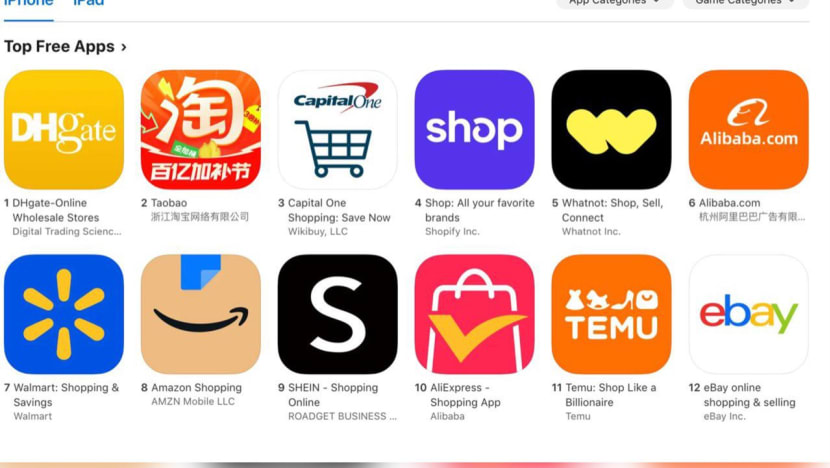
Quick answer: You may be able to use DHgate as a sourcing marketplace for an Amazon dropshipping workflow, but entering an Amazon customer’s address at DHgate checkout is not enough by itself. Amazon’s public seller guidance says dropshipping can be used when you are the seller of record. Before listing a DHgate-sourced product on Amazon, confirm that you can remain responsible for the customer-facing order, that the supplier can meet your packaging and fulfillment requirements, and that the product and listing comply with Amazon’s current rules.
This article is written for sellers considering Amazon.com. It provides general operational information, not legal, tax, intellectual-property, or Amazon-account advice. Amazon policies, category requirements, product restrictions, and seller-account obligations can change. Review the current policy in Seller Central before listing or fulfilling an order.
Can you use DHgate for Amazon dropshipping?
DHgate can be used as a sourcing marketplace, and DHgate describes a workflow in which a buyer places an order and enters an end customer’s delivery address at checkout. However, a supplier’s ability to ship to a customer does not automatically make the transaction compatible with Amazon.
Amazon’s public dropshipping guidance explains that dropshipping is generally allowed when the Amazon seller is the seller of record. In practical terms, the Amazon seller sets the price, records the sale, communicates with the customer, and remains responsible for the customer experience.
That means the useful question is not simply, “Can DHgate ship to my Amazon customer?” The useful question is:
Can I use this supplier while remaining the seller of record and meeting Amazon’s current order, packaging, customer-service, and return requirements?
If you cannot answer that question with documented information, do not list the product on Amazon yet.
What does being the Amazon seller of record mean?
Being the seller of record means you cannot treat the supplier as the customer-facing seller. Even when a third-party supplier ships the physical item, you remain responsible for the sale and the customer relationship.
Before using a DHgate supplier for Amazon orders, confirm that your workflow allows you to:
- Set the customer-facing price and maintain accurate Amazon listing information.
- Be identified to the customer as the seller, rather than allowing another retailer or supplier to appear as the seller.
- Take responsibility for customer-service questions, refunds, exchanges, and returns.
- Monitor the supplier order, tracking status, and delivery outcome for every customer order.
- Resolve an order problem rather than telling the customer to contact the DHgate supplier.
- Keep records that connect the Amazon order, supplier order, customer communication, and delivery outcome.
A supplier may be able to ship a parcel, but that alone does not show that the supplier can support a seller-of-record workflow. The packaging, documents, customer-service process, and return arrangement matter as much as the shipping address.
What must you confirm with a DHgate supplier before listing on Amazon?
Confirm the details for the exact product, selected variant, quantity, and destination you intend to sell. Do not rely on a general statement that the supplier “supports dropshipping.”
| What to confirm | Why it matters for Amazon selling | When to pause |
|---|---|---|
| Exact product and variant | Your Amazon listing must accurately describe the item, model, size, color, material, and quantity that the customer will receive. | The DHgate listing is vague, the selected variation is unclear, or the supplier suggests an unreviewed substitute. |
| Packaging and documents | You need to understand whether the parcel, invoice, packing slip, promotional insert, or other document identifies another seller or retailer to the customer. | The supplier cannot clearly explain what the customer will receive in or on the package. |
| Shipping method and delivery expectation | Your Amazon delivery promise must be realistic for the current shipping option and destination. | The estimate is unclear, inconsistent, or too slow for the delivery expectation you set for Amazon customers. |
| Availability and price stability | A customer order should not be your first notice that the product is out of stock or has changed materially in price. | Stock, price, or the selected variant changes after you publish the Amazon listing. |
| Returns and problem handling | You remain responsible for the customer experience and need a workable process for damaged, incorrect, delayed, or missing items. | The supplier gives no usable process for a product or delivery problem. |
| Product and brand status | You must not list products, use trademarks, or make authenticity or authorization claims without a reliable basis. | You cannot verify the product source, listing permissions, category requirements, or claims you would make on Amazon. |
Do not treat a supplier’s message as proof that a branded product is authentic, authorized for Amazon resale, or eligible for a restricted category. Supplier communication can help you identify the product and fulfillment arrangement, but it does not replace Amazon’s policies, brand authorization, or your own compliance review.
Supplier message template: Amazon fulfillment suitability
Use the DHgate message system and ask direct questions before you publish an Amazon listing. Keep the supplier’s answer with your product and fulfillment records.
Copy and send this message:
Hello, I am considering this exact item for a small test order before using it in my online store. Please confirm the following for the selected variant and quantity:
- Please confirm the exact material, model, dimensions, color or option, quantity, and included accessories.
- Is this selected variant currently available for repeat orders?
- Can you ship directly to a customer address in my destination market?
- What shipping option and delivery estimate apply to that destination?
- What will appear on the parcel, packing slip, invoice, promotional insert, or other documents included with the shipment?
- Will the package identify your store, another retailer, or a different seller to the recipient?
- What happens if the item is unavailable, damaged, incorrect, delayed, or materially different from the listing?
- Will the item sent match the photos and written specifications in this listing?
Please reply through the DHgate message system so I can compare the details with the listing before placing a test order. Thank you.
If the supplier cannot answer a requirement clearly, do not solve the uncertainty by making a customer-facing promise. Keep researching, choose another supplier, or do not list the product.
Why should you place a test order before listing on Amazon?
A test order cannot guarantee that every future order will be identical, but it is the most practical way to compare the supplier’s listing and written answers with a real shipment.
Send the first order to yourself when possible. Review:
- Whether the item matches the selected variant, photos, written specifications, and quantity.
- Whether product quality and condition support the claims you would make in your Amazon listing.
- Whether the packaging, invoice, slip, insert, labels, or branding create a customer-facing problem.
- Whether the tracking and delivery experience support the handling time and delivery expectation you plan to offer.
- Whether the supplier’s communication is clear when you raise a question.
- Whether the actual total cost leaves room for Amazon fees, returns, replacements, customer service, and other business costs.
Save the listing, seller messages, order confirmation, shipping method, tracking record, photos of the package, and notes on the delivered item. A successful test order is evidence for one transaction, not a reason to stop monitoring future orders.
What should you check before creating an Amazon listing?
Do not create an Amazon listing from a DHgate product page alone. Check that you can accurately describe the exact product and that the listing does not make claims you cannot support.
- Product identity: Confirm the exact item, variant, quantity, material, dimensions, and included accessories.
- Brand and intellectual-property claims: Do not use brand names, logos, images, authenticity claims, or affiliation claims without a reliable basis and required authorization.
- Amazon category requirements: Check the current requirements for the category and the specific product before listing.
- Inventory and pricing: Monitor the DHgate listing; do not assume stock and cost will remain unchanged.
- Delivery promise: Use a delivery expectation that reflects the shipping method you can actually choose for the destination.
- Return and support process: Be prepared to respond to customer questions and handle issues as the seller, even when the physical item shipped from a supplier.
Amazon’s policies and category rules are separate from the supplier’s product page. Check the current requirements in your own Seller Central account before you publish or change a listing.
What is a cautious Amazon-to-DHgate order workflow?
Use a manual review process until you have a workflow that you have independently tested. Do not assume that an Amazon order, a DHgate order, stock status, customer address, and tracking number will automatically synchronize.
- Receive the Amazon order: Review the customer’s selected item, quantity, and address.
- Recheck the DHgate listing: Confirm the exact variant, current availability, price, and shipping option.
- Compare the delivery expectation: Make sure the current shipping estimate is consistent with the promise made to the Amazon customer.
- Place the supplier order carefully: Enter the customer address accurately and review the final checkout summary before payment.
- Save order records: Keep the Amazon order number, DHgate order number, selected variant, shipping method, supplier messages, and checkout total together.
- Monitor tracking: Connect the correct tracking information to the correct customer order and update the customer only when the record supports the status.
- Handle exceptions promptly: Investigate stock changes, supplier substitutions, unclear tracking, delivery delays, damaged goods, or incorrect items before they become customer-service failures.
For a detailed order-handling process, use a documented fulfillment checklist rather than relying on memory or assuming that a supplier will manage the customer relationship for you.
When should you avoid using a DHgate listing for Amazon dropshipping?
Do not list the product until you have more information when:
- The supplier cannot explain what packaging or documents the customer will receive.
- The supplier’s identity, invoice, pricing, promotional material, or other third-party information may be shown to the customer in a way that conflicts with your seller-of-record responsibilities.
- You cannot accurately identify the product, variation, quantity, materials, or included accessories.
- The delivery estimate does not support the promise you plan to make on Amazon.
- The product appears branded, restricted, regulated, or otherwise subject to requirements you have not verified.
- The supplier cannot provide a workable response for wrong, damaged, delayed, missing, or unavailable orders.
- The total fulfillment cost does not leave room for Amazon fees, returns, replacements, customer service, and reasonable operating risk.
The lowest listed item price is not the same as a workable Amazon fulfillment model. A supplier is only useful when its actual product, packaging, delivery, and issue-handling process support the responsibility you retain as the Amazon seller.
FAQ: using DHgate for Amazon dropshipping
Can DHgate ship directly to an Amazon customer?
DHgate describes a workflow in which a buyer can enter an end customer’s address at checkout. Whether that workflow is suitable for an Amazon order depends on the exact supplier, product, packaging, shipping arrangement, and your ability to comply with Amazon’s current seller requirements.
Does a supplier’s agreement to dropship make the product Amazon-compliant?
No. A supplier may agree to ship an item, but that does not establish that you meet Amazon’s seller-of-record, category, listing, brand, intellectual-property, customer-service, or return requirements.
Why does packaging matter?
The customer-facing package can affect whether you appear to be the seller of record. Confirm what appears on the parcel and in the shipment before using a supplier for Amazon customer orders.
Should I test an order before listing?
Yes. A test order lets you inspect the item, packaging, documents, shipping experience, tracking, and supplier communication before you expose Amazon customers to a new fulfillment arrangement.
Can I rely on DHgate seller reviews to decide?
No. Reviews may provide context, but they do not prove that the supplier can meet your Amazon-specific packaging, seller-of-record, listing, return, or customer-service requirements.
Next step
Choose one candidate DHgate listing and complete the supplier message above. Do not create an Amazon listing until you have reviewed the supplier’s written reply, placed a test order, inspected the shipment, and checked the current Amazon policy and category requirements in Seller Central.
Sources and further reading
- Amazon: What Is Dropshipping? How Does It Work?
- Amazon Seller Central: Drop Shipping Policy (review the current version in your Seller Central account)
- DHgate: How To Dropship Using DHgate
Amazon and DHgate materials provide platform information only. They do not determine whether a specific product, supplier, listing, fulfillment arrangement, brand claim, or transaction is permitted or suitable for your business.