
Quick answer
A “Dunk-style” description on a marketplace listing does not prove that a shoe is made by Nike, authorized by Nike, or authentic. DHgate is a marketplace with independent sellers, and its listing, payment, messaging, order-record, and after-sales tools do not independently verify a seller’s brand-related claim.
If you need confirmed authentic Nike shoes, use Nike’s official store or an authorized retailer. A product title, logo in a photo, seller statement, buyer review, or price is not enough to establish authenticity.
Bottom line: A marketplace listing can help you compare what a seller says they are offering, but it is not a substitute for an authorized purchase channel when brand authenticity is essential.
What “Dunk-style” can mean in a shoe listing
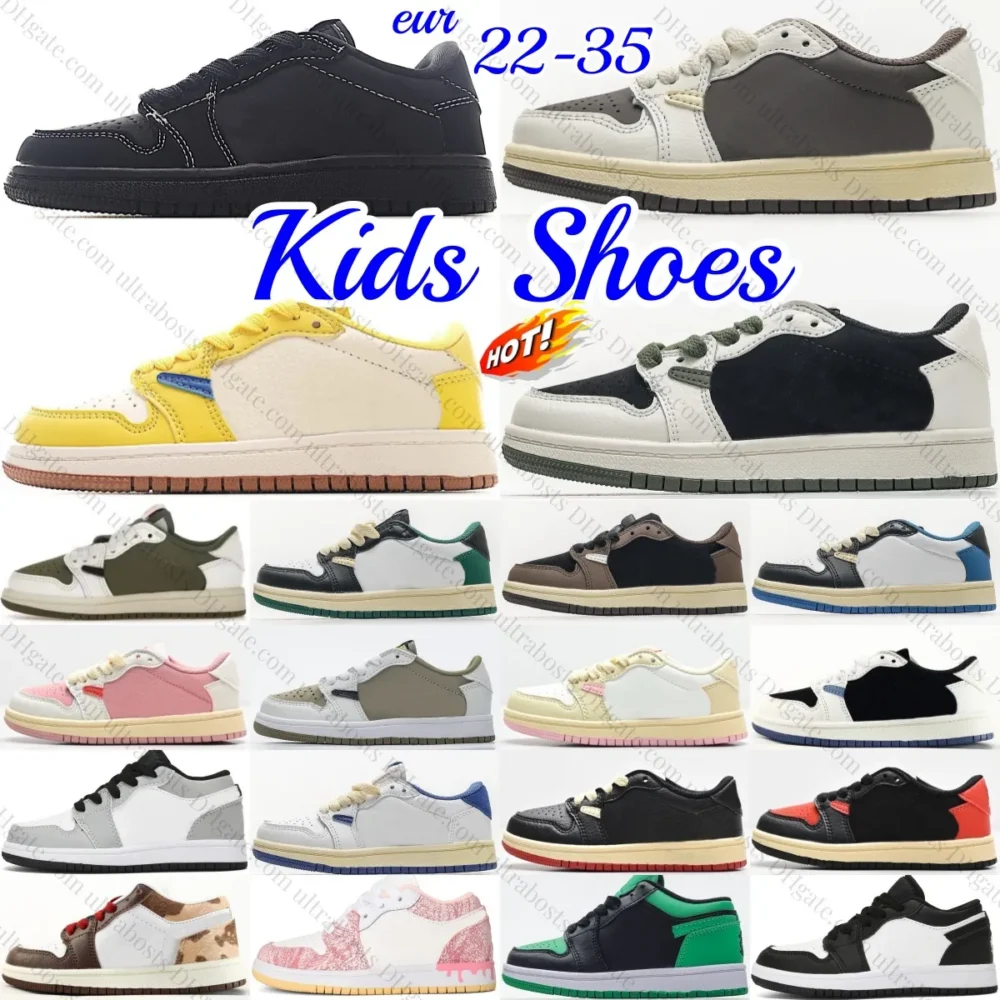
Buyers may use “Dunk-style” to describe the general look of a low-top basketball-inspired sneaker. However, a style description can refer to appearance rather than brand identity, authorization, manufacturing source, or product authenticity.
Before you decide whether a listing is suitable, separate these questions:
- What does the seller say the product is? Read the full title, description, size information, materials, selected variation, and product photos.
- Does the listing clearly describe the item you expect to receive? Check whether the text, photos, color options, size chart, and product details are consistent.
- Is the seller’s brand claim independently supported? A marketplace listing alone does not provide that assurance.
- Do you require confirmed Nike authenticity? If yes, choose Nike’s official store or an authorized retailer rather than relying on a marketplace listing.
It is possible for a listing to be clear about a generic shoe style while still offering no reliable basis for treating a Nike-related claim as verified.
Why transaction safety and brand authenticity are different
When buyers ask whether it is safe to buy Dunk-style shoes through a marketplace, they may be referring to several different concerns. These should not be treated as the same question.
- Transaction record: Can payment, messages, order information, tracking, and any after-sales communication remain connected to the order?
- Listing accuracy: Does the product page provide clear, consistent information about the item, size, materials, color, and shipping?
- Seller reliability: Does the seller have relevant recent feedback and answer specific product questions clearly?
- Brand authenticity: Is the shoe genuinely made by Nike and sold through an authorized channel?
A documented transaction can be useful if there is an order-related issue. However, a transaction record does not verify that a Nike-branded shoe is genuine, authorized, or sourced through an approved retailer.
When an official or authorized retailer is the better choice
Use Nike’s official store or an authorized retailer if any of the following is important to you:
- you need a confirmed genuine Nike product;
- you are buying a collectible, limited, high-value, or resale-sensitive release;
- you need reliable brand-backed product details, returns, warranty, or customer service;
- you want confidence about the product source and retail authorization; or
- you would not be comfortable receiving a shoe whose authenticity cannot be independently confirmed.
This does not mean every marketplace listing is necessarily inaccurate. It means that a marketplace listing should not be treated as proof of Nike authenticity when that proof is central to your buying decision.
Practical rule: If you need an authentic Nike product rather than a particular shoe style, use an official or authorized channel.
What a marketplace listing can and cannot tell you
A detailed marketplace listing can help you assess what a seller says they are offering. It may include product photos, size options, material descriptions, shipping information, seller feedback, buyer comments, and selected variations.
However, none of the following independently proves that a Nike-related claim is genuine or authorized:
- a brand name, model name, or keyword in the product title;
- a logo visible in a product image;
- photos that look similar to official product photography;
- a seller statement such as “original,” “authentic,” or “high quality”;
- buyer ratings, reviews, or customer-uploaded photos;
- a high seller score or a long sales history; or
- a price that seems unusually low or unusually high.
These details may help you judge whether a listing is clear or whether a seller communicates well. They do not independently authenticate a brand-sensitive product.
Red flags that should make you stop before ordering
- The listing makes a strong brand claim but offers little verifiable detail. A logo or product title alone is not enough.
- The price is far below what you would normally expect. Price does not prove authenticity, but an unusually low price is a reason to pause and reassess.
- The listing information does not match. Conflicting photos, vague size details, inconsistent colors, or different-looking product options are warning signs.
- The seller avoids direct product questions. Vague reassurance is not a substitute for clear information about size, materials, included items, or shipping.
- You are asked to pay or communicate outside the platform. Moving payment or important messages away from the order record creates unnecessary risk.
- Your decision depends on an unverified authenticity promise. If authenticity is essential, select a retailer that can provide that assurance.
If several warning signs appear together, skip the listing. Do not let a desired colorway, a discount, or polished product photos replace the verification you need.
If you compare general shoe listings on a marketplace
If you are comparing general shoe listings and do not require confirmed Nike authenticity, use the marketplace as a place to evaluate product information and maintain a clear transaction record.
- Read the full product description rather than relying only on the title or first image.
- Check the size chart and measurements rather than relying only on a familiar shoe-size label.
- Compare the photos, material details, colors, options, and written description for consistency.
- Review recent feedback for useful details about fit, comfort, construction, color, shipping, and whether the received item matched the listing.
- Ask specific questions through the platform and keep written replies in the message history.
- Save the listing, selected variation, price, shipping details, and relevant messages before checkout.
- Keep payment and important communication on the platform so the transaction record remains complete.
For a broader pre-purchase checklist covering seller feedback, sizing, shipping, and order records, see Tips for Ordering Shoes from DHgate Safely.
If you already placed an order
Use the order page as your primary transaction record. Keep the saved listing information, seller messages, order confirmation, tracking updates, and delivery notices until you have inspected the item.
When the package arrives, compare the item with the information available when you ordered. If there is an order-related issue, document it factually with clear photos or video showing:
- the package condition and shipping label where relevant;
- the item received and any visible defect or difference;
- the listing details and selected variation saved before checkout; and
- the specific way in which the received item differs from the listing.
Eligibility, time limits, evidence requirements, and available after-sales options can depend on the order status, product type, destination, and DHgate’s current terms. If an issue occurs, review the order page and current help guidance promptly to see which options apply.
Important: An after-sales process may help address an order-related issue, but it does not make a marketplace listing proof of Nike authenticity.
FAQ
Are Dunk-style shoes on DHgate authentic Nike shoes?
A “Dunk-style” description, marketplace listing, product title, logo, seller statement, review, or price does not independently prove that a shoe is authentic Nike merchandise or sold through an authorized channel.
Can a seller’s positive reviews prove that a Nike-related shoe listing is real?
No. Reviews and buyer-uploaded photos may help you evaluate fit, color, construction, or whether an item appeared similar to the listing. They are not independent proof of brand authenticity or authorization.
What does “Dunk-style” mean in a marketplace listing?
It may describe a general low-top basketball-inspired shoe style. It does not, by itself, identify a product’s manufacturer, authorization status, or authenticity.
What should I do if I want guaranteed authentic Nike shoes?
Buy through Nike’s official store or an authorized retailer. That is the more appropriate purchasing route when confirmed brand authenticity is essential.
What should I save before placing a marketplace order?
Save the product title, photos, full description, selected variation, size information, price, shipping details, seller profile, platform messages, order confirmation, and tracking updates.
What should I do if the received item does not match the listing?
Document the issue promptly with clear photos or video, compare the received item with your saved listing information, and review the order page and current platform guidance for available after-sales options.
Sources and further reading
- Nike Official Website — official Nike shopping and brand information.
- The Ultimate Guide to Buying SB Dunks Shoes — DHgate Blog.
- Buying Real and High-Quality Shoes on DHgate — DHgate Blog.
- Are DHgate Sellers Legit for Good Quality Shoes? — DHgate Blog.
- Do DHgate Sell Fake Shoes? — DHgate Blog.
Editorial note: Marketplace guidance can help readers understand product-page and order-record practices, but it does not independently authenticate a specific seller, listing, shoe, or transaction outcome.