
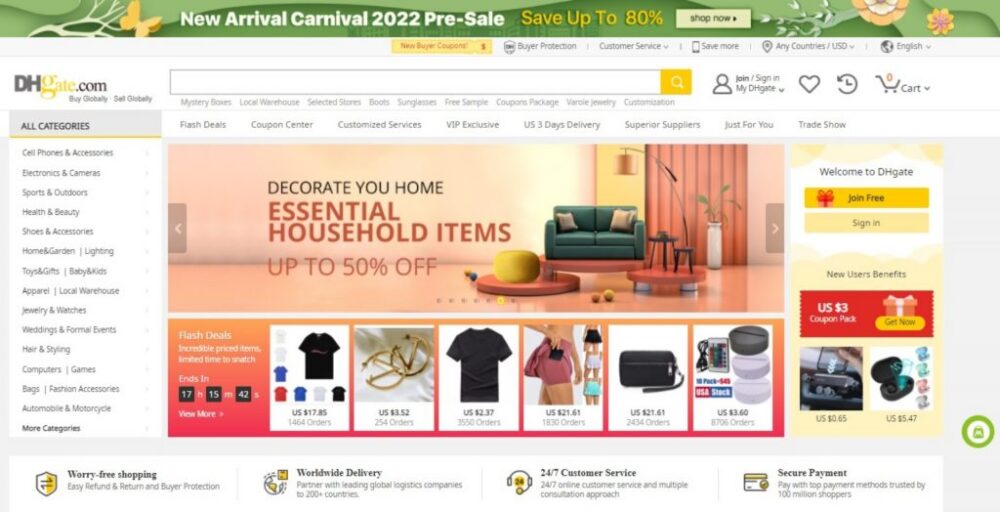
Quick answer: What is DHgate? It is an online marketplace where individual sellers list products for buyers. Your practical task is to judge the specific listing—not merely the platform name—by comparing product options, seller information, delivery, total cost and return or support terms.
If you are asking whether DHgate is a legit website, the practical answer is that DHgate is a real marketplace. The more useful question is how its order process works and how to use it well. For U.S. buyers, that means checking the listing carefully, keeping communication inside the platform, and understanding that DHgate’s protection is tied to the specific order record. Timing and documentation help a buyer use the process correctly.
What Buyers Are Really Checking When They Ask If DHgate Is Legit
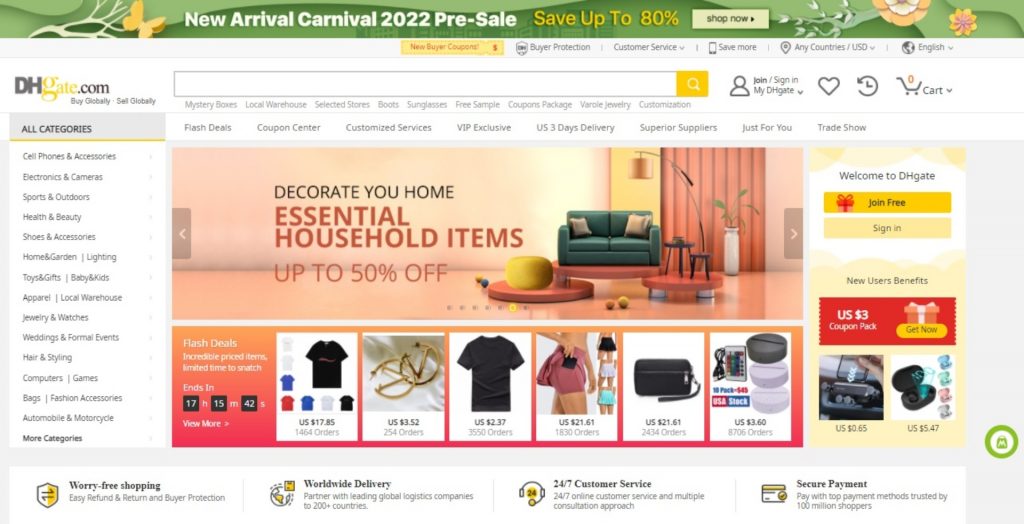
Most first-time buyers are not trying to solve a theory question. They want to know whether DHgate is a real place to place an order, whether the platform has rules, and what happens if an item does not match the listing or does not arrive as expected.
That is the right way to frame the question. DHgate is a marketplace, which means it connects buyers with third-party sellers and provides platform tools for ordering, messaging, payment handling, and disputes. It is not the manufacturer of the items listed on the site.
A useful trust check is this: if a marketplace has visible order records, seller pages, message threads, and a formal dispute path, then the buyer’s job is not to guess whether the site exists. The buyer’s job is to use the marketplace process carefully and keep evidence organized.
How DHgate Works as a Marketplace
DHgate operates as a sourcing marketplace where buyers browse listings from sellers, compare product pages, and place orders through the platform. DHgate’s own brand materials describe it as a platform that connects buyers and suppliers, supports small and large orders, and uses payout and refund mechanisms tied to order confirmation and return or refund rules.
In practical terms, DHgate controls the marketplace structure: the listing format, the order record, the message system, and the buyer-protection and dispute pathway. It does not control every seller’s inventory, packaging, or shipping speed. That is why the listing page matters so much. The platform gives you the transaction framework; the seller fulfills the item.
For U.S. buyers, this makes DHgate a real marketplace with documented rules rather than a simple catalog. The key is to treat each order as its own record and review the seller’s listing details before paying.
How DHgate Buyer Protection and Disputes Work
DHgate’s buyer protection is order-based. In other words, the protection applies to the specific transaction and the evidence attached to that transaction, not as a blanket promise about every possible outcome. If there is a problem with delivery or the item received, the buyer can use the dispute process tied to the order record and submit supporting evidence.
DHgate’s help materials emphasize that timing and documentation matter. Buyers should follow the on-platform dispute instructions shown in their order record, keep photos, screenshots, message history, and tracking details, and avoid confirming receipt if there is still an issue that needs review.
The most important practical point is simple: the order record matters. Photos, screenshots, message history, and tracking details help a reviewer understand what happened. If you need DHgate to review a case, the evidence you saved is part of the process.
How to Judge a DHgate Seller and Listing Before You Order
A careful DHgate buyer does not start with price alone. Start with the listing page and ask whether the page gives you enough detail to compare the item against what you actually want.
Here is a reusable DHgate-specific checklist:
- Seller rating and transaction count: Check the seller’s visible rating and any transaction history shown on the listing or seller page.
- Recent reviews with photos: Read recent buyer reviews and look for photo evidence that matches the item page.
- Product-page detail quality: Review the title, description, variant options, and shipping terms shown on the listing.
- Response to messages: Send a short question before ordering and see whether the seller answers clearly inside DHgate.
- Order and shipping terms: Confirm the shipping method, estimated delivery, and any return or dispute notes shown before checkout.
A strong DHgate listing usually makes it easy to compare what is promised with what is shown. If the page is vague, that is a signal to slow down and ask more questions before ordering.
A Safe First-Order Workflow on DHgate
A careful first order on DHgate is mostly about process. Search, inspect, message, order, document, and keep the record intact.
- Search with specific terms. Use the exact product name, material, size, color, or style you want.
- Open several listings. Compare the visible details across multiple product pages before choosing one.
- Read the full listing. Check the description, variants, shipping estimate, and return or dispute notes.
- Message the seller. Ask one or two direct questions about the item and keep the conversation inside DHgate.
- Place a small first order if that fits your plan. Save the order confirmation, listing screenshots, and message thread.
- Track delivery and inspect immediately. When the package arrives, compare the item with the listing and take photos right away if anything is off.
- Use the order page if needed. If there is a problem, follow the dispute instructions shown in the order record and upload your evidence before the relevant timing window closes.
DHgate is more useful when the buyer uses the platform as designed: compare listings, document the order, and rely on the official dispute path if the order needs review. That is the practical way to approach a first purchase on DHgate without guessing how the process works.
Quick answer
DHgate is a real marketplace, but the buyer experience depends on the specific seller, listing details, and how carefully you use the order record. Before paying, review the product page, seller feedback, shipping terms, and dispute instructions. Keep all messages and screenshots inside the platform so you have a clear record if you need support later.
FAQ
Is DHgate a real online store?
DHgate is a real marketplace, but it connects buyers with third-party sellers rather than selling every item itself.
Does DHgate protect buyers on every order?
Protection is tied to the specific order record and the evidence attached to that order, so documentation matters.
What should I check before buying?
Review the seller page, recent reviews, product details, shipping terms, and any dispute or return notes shown on the listing.
What if the item arrives with a problem?
Use the order page instructions, keep photos and screenshots, and follow the platform’s dispute steps within the relevant timing window.
Should I message the seller first?
Yes. A short pre-order message can help you judge response quality and clarify product details before you buy.
Next step
If you are comparing DHgate with other sourcing options, review the seller page and order terms first, then compare the platform process with your own buying needs before placing an order.
Sources and further reading
- DHgate brand blog: https://www.dhgate.com/blog/?p=15585
- DHgate brand blog: https://www.dhgate.com/blog/?p=12378
- DHgate brand blog: https://www.dhgate.com/blog/?p=12707
- DHgate brand blog: https://www.dhgate.com/blog/?p=12315
- DHgate brand blog: https://www.dhgate.com/blog/?p=12366
- DHgate brand blog: https://www.dhgate.com/blog/?p=9940
- DHgate brand blog: https://www.dhgate.com/blog/?p=8557
- U.S. Customs and Border Protection, Basic Importing and Exporting: https://www.cbp.gov/trade/basic-import-export
- FedEx, How to Pack: https://www.fedex.com/en-us/shipping/packing/how-to-pack.html
Note: The DHgate brand blog snapshots above were used as first-party grounding for marketplace, buyer-protection, and seller-evaluation context. They are time-bound editorial references and should be read as platform statements, not independent verification of any individual seller or order outcome.