
Because dermal fillers are medical‑grade injectables, your decision isn’t only about price. It’s about supply chain control, documentation, and your own regulatory risk. The sections below walk through how the wholesale chain works, how to vet high‑risk suppliers, and how DHgate compares to aesthetics‑focused wholesalers and other B2B platforms.
How Aesthetic and Dermal Filler Wholesale Works for US Clinics and Resellers
Wholesale in this category is the bulk purchase of injectable products used for facial volume, wrinkle reduction and contouring. Citation research across sites like Lyderma, Serelle Aesthetics and Fillersupply shows a consistent pattern: products are positioned for professional use, and sold through B2B channels rather than consumer retail.
A simple supply chain for fillers looks like this:
- Manufacturer – often in Europe or Asia, producing injectable formulations.
- Authorized distributor / aesthetic wholesaler – companies such as Lyderma (which markets itself as a Korean aesthetic wholesale supplier) or DK‑Dermal (which promotes dermal fillers at wholesale prices in the USA) aggregate brands and sell to clinics and trained professionals.
- Clinic / med spa / licensed reseller – buys cartons, stores them under controlled conditions, and uses or resells them under relevant professional rules.
Online B2B marketplaces slot in at different points:
- Specialist platforms like aesthetics wholesalers and medical‑supply sites focus heavily on injectables and related devices.
- General B2B marketplaces (DHgate, Alibaba, Made‑in‑China) mainly connect buyers with factories and trading companies. Their health and beauty categories can include aesthetic‑adjacent items, but you’re dealing with a broad seller base rather than a curated medical network.
For US clinics, the safest baseline is to treat dermal fillers as medical devices or drugs that must come from channels aligned with your licensing and professional obligations. Marketplaces can supplement that strategy for non‑injectable goods; crossing them into your filler pipeline increases both compliance and patient‑safety risk.
Evaluating High‑Risk Suppliers: Clinic‑Grade Criteria vs Marketplace Sellers
For fillers, your supplier evaluation has to be stricter than for skincare or beauty tools. Think of every new source as a potential point of failure in sterility, traceability, and legal exposure.
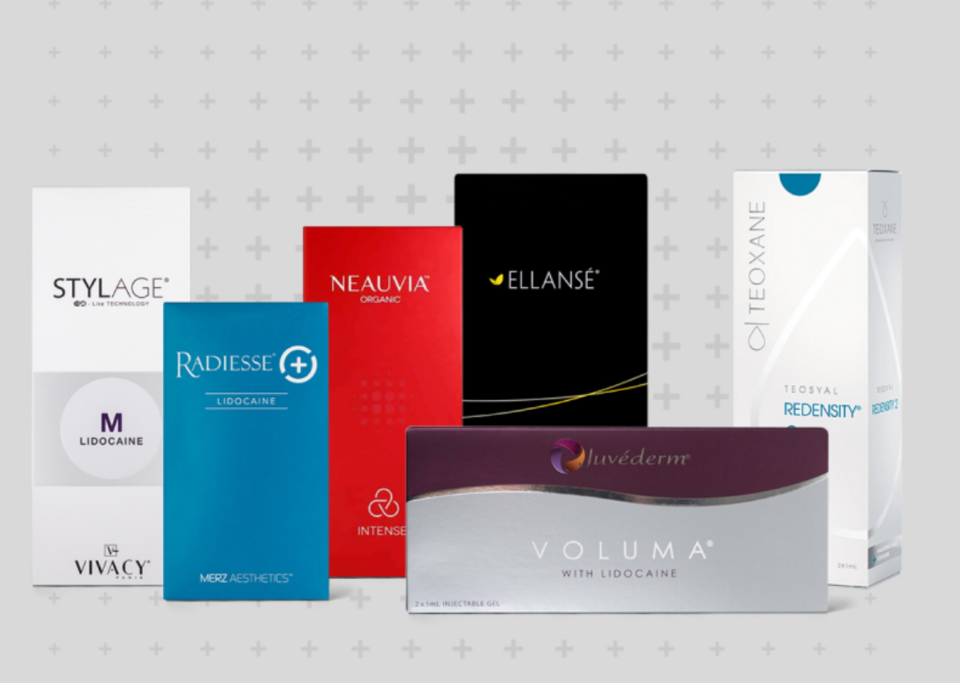
Here’s a practical, clinic‑grade checklist that you can adapt to any channel:
1. Licensing and business status Treat this as a gatekeeper step:
- Confirm the supplier sells B2B and not just to consumers. Aesthetics wholesalers often state they are “trade only” and target clinics or professionals, as reflected in various wholesale sites and social profiles in the SERP.
- Ask for business registration details and, where relevant, any professional‑supply credentials. For US‑based distributors like DK‑Dermal’s dermal fillers page, cross‑check their corporate name against state business registries.
2. Documentation and product origin You’re looking for a clear paper trail:
- Request formal invoices that show manufacturer names and batch or lot numbers.
- Ask where the products are sourced (direct from manufacturer, via an authorized network, or parallel import) and how they are stored and shipped.
On general marketplaces, this information may not be volunteered in the listing. You’ll need to press sellers for specifics in writing and be prepared to walk away if answers are vague.
3. Seller history and peer evidence
On DHgate or similar platforms:
- Use search filters and sorting to find sellers with longer transaction histories in your category.
- Read reviews carefully for mentions of packaging quality, expiry dates, and consistency across repeat orders.
On aesthetics-focused wholesalers:
- Look for case studies, training references, or long‑standing clinic relationships cited on their sites (for example, Lyderma presents itself as a Korean aesthetic wholesale supplier in its branding).
- Ask peer clinics and injectors which distributors they trust; word‑of‑mouth is often more reliable than web reviews for niche medical suppliers.
4. Communication quality and boundaries The way a supplier handles basic questions is a safety signal:
- Ask specific questions about cold‑chain handling, returns for damaged product, and batch documentation.
- Be wary of any seller—especially on broad marketplaces—who is willing to ship prescription‑grade injectables with no interest in your clinic status, licensure, or training. That gap is a red flag.
Compact checklist for high‑risk injectables
- Is this supplier focused on medical/aesthetic products, or a general trader?
- Can they show business registration and clearly describe their sourcing chain?
- Do you have written batch/lot and origin info for each product?
- Are ratings/reviews and transaction history strong and consistent?
- Do they respond professionally when you ask uncomfortable questions about storage, documentation, and compliance?
If you can’t confidently tick these boxes, default back to a licensed medical distributor, even if your landed cost is higher.
MOQ, Pricing, Logistics and Channel Choice: DHgate vs Medical Wholesalers and Other Marketplaces
Aesthetics‑focused wholesalers like Lyderma and DK‑Dermal often set MOQs by box or treatment pack. They may:
- Offer small‑case MOQs to clinics testing a new line.
- Provide better pricing tiers as you commit to regular volume or annual contracts.
General marketplaces operate differently. DHgate’s editorial blog positions the platform as connecting buyers with Chinese wholesalers, with diverse product ranges, competitive pricing, and access to OEM factories for health and beauty categories. It also explains that buyers can use filters, ratings and direct negotiation to secure tiered bulk pricing, samples, and benefit from seasonal promotions or group purchases to bring unit costs down.
For a US buyer, that creates clear trade‑offs across channels:
| Sourcing channel | Typical fit for fillers | MOQ & pricing pattern | Key risks for a US clinic |
|---|---|---|---|
| Licensed US/EU medical or aesthetic wholesaler | Primary source for clinic injectables | MOQs by box/carton; structured tiers for committed volume | Higher headline price but better alignment with professional and regulatory expectations |
| DHgate and similar general marketplaces | Potential source for non‑injectable aesthetics (tools, consumables); high‑risk for fillers | MOQs set by individual sellers; negotiation, seasonal deals and group buying may improve unit cost | Limited visibility into regulatory status; wide seller variance; you must self‑police sourcing and usage decisions |
| Global B2B platforms (Alibaba, Made‑in‑China, Go4WorldBusiness) | Factory‑level sourcing, including some aesthetic devices | Often higher MOQs; more formal RFQ and negotiation processes | Same authenticity and compliance concerns, plus longer lead times and more complex logistics |
A few practical scenarios help clarify where DHgate fits:
- Small med spa stocking injectables for in‑house use – Your risk tolerance should be low. Use licensed US or European distributors and aesthetics wholesalers as your primary channels. DHgate can be added for items like non‑sterile accessories or marketing materials, but treat any injectable listing as off‑limits unless you’ve cleared it through appropriate professional and regulatory guidance.
- Ecommerce reseller of non‑invasive aesthetic products – If you’re selling topical cosmetics, tools, or beauty devices, DHgate’s bulk‑buying features may be useful. You can compare multiple factories, request samples as the DHgate blog suggests, negotiate tiered pricing, and time purchases around seasonal promotions. Fillers themselves, however, still sit in a high‑risk bucket and should go through a medical‑grade supply chain.
For broader marketplace tactics around supplier search and negotiation, you can also lean on DHgateWiki’s guides to finding wholesale suppliers on DHgate, searching for DHgate suppliers, and choosing a DHgate wholesale supplier. Those articles focus on general product sourcing, but the tighter standards above still apply once you move into medical‑grade aesthetics.