
For a US bath-and-body shop, Adams Handmade Soap is a straightforward way to stock natural, handcrafted soaps and bath bombs at wholesale. You buy directly from a North Carolina manufacturer-wholesaler, get consistent formulas, and resell under their brand. DHgate, by contrast, is a China-based B2B marketplace that connects you with many different manufacturers and wholesalers—often at lower per-unit cost and flexible minimum order quantities—but usually for more generic or white-label product. Which route fits you depends on whether your business leans on “handmade, US-made” branding or on rock-bottom costs and broad variety.
Adams Handmade Soap as a Wholesale Supplier: What It Offers and How It Works
Adams Handmade Soap is a US manufacturer and wholesaler of natural, handcrafted bath-and-body products: bar soaps, bath bombs, lotions, and related items, produced in small batches in North Carolina and sold wholesale to retailers via their site naturalsoapwholesale.com.
For a small retailer, that structure matters. You’re buying from a single brand with a defined aesthetic and ingredient philosophy. The typical pattern is:
- You choose from their catalog of scents and product types.
- You purchase case packs or bulk quantities at wholesale pricing.
- You resell under the Adams brand in-store or online, or in some cases use unbranded options if offered.
This domestic handmade wholesale model tends to offer:
- Consistent formulas and scent names that become familiar to your shoppers.
- Shorter, more predictable shipping from within the US, relative to most cross-border factories.
- Higher per-unit cost than generic imported soap, but with brand value baked in—”handmade” and “US-manufactured” often justify premium price points.
Use Adams as your benchmark for what “real handmade wholesale” looks like: one brand, artisanal positioning, and a curated catalog—then compare other channels against that baseline.
Choosing and Vetting Handmade Soap Suppliers on DHgate and Other Marketplaces
On DHgate you aren’t buying from “DHgate” itself; you’re choosing among many China-based suppliers listing their products on the marketplace. DHgate’s editorial materials describe it as a platform with tens of millions of products from hundreds of thousands of suppliers across categories like health and beauty, clothing, electronics, and more, with multilingual communications between buyers and sellers supported across languages such as English, French, and Arabic.Source
The upside is sheer variety and potential cost savings. The downside is that you must vet each supplier. For handmade-style soaps and bath products, focus on these specific checks:
1. Read supplier signals in context
DHgate’s own guidance for ecommerce buyers stresses evaluating suppliers using ratings, reviews, and transaction history, and reaching out to them before large orders.Source For soap and bath products, that means:
- Ratings and feedback volume: Prefer suppliers with a long record of transactions in health/beauty rather than a single recent listing.
- Photo consistency: Look at product photos across listings. Are they clearly from the same production process, or do they look like random catalog shots?
- Ingredient descriptions: Many soap listings are generic. Treat vague ingredient lists as a red flag, especially if your customers care about naturals or allergens.
2. Ask specific product and compliance questions
Handmade-style soaps still sit in the cosmetics/personal-care world, where you’re expected to handle safety and labeling correctly. Without turning this into legal advice, your supplier messages should cover:
- Base oils and surfactants used, and presence of common allergens (nuts, gluten, etc.).
- Whether they can provide an ingredient list and usage directions suitable for US labeling.
- Whether fragrances are synthetic or essential oils.
If a supplier cannot answer these concretely, they’re unlikely to be a reliable long-term partner.
3. Use samples strategically
DHgate’s editorial guidance suggests ordering samples before committing to larger orders.Source For soap/bath products, treat samples as a mini quality and risk test:
- Compare scent strength, hardness, lather, and packaging against your Adams benchmark.
- Check for color bleeding, sweating, or fragrance fade over several weeks.
- Validate that what arrives matches the listing photos and description.
Only after samples pass should you discuss scaling up. This sampling step is where DHgate can shine—you can test several suppliers at relatively low cost before choosing one.
If you want deeper marketplace coverage, platforms like Alibaba also connect you directly with Chinese manufacturers, often geared toward larger-scale factory orders and OEM/private label.Source That’s useful when you’re ready for full custom molds, packaging, and long-term contracts—but more negotiation heavy.
For DHgate-specific supplier selection help, see these internal guides:
MOQ, Pricing, and Channel Tradeoffs: Adams Wholesale vs DHgate and Alternatives
You’ll feel the biggest differences between Adams and DHgate in cost structure, minimums, and brand positioning. Here’s a compact comparison:
| Sourcing route | Who makes the product | Typical MOQ feel (editorial) | Brand & story | Best fit scenarios |
|---|---|---|---|---|
| Adams Handmade Soap | Single US handmade manufacturer | Moderate case packs; sized for small retailers | Strong “handcrafted, US-made” brand baked in | Indie boutiques, gift shops, premium markets |
| DHgate (soap suppliers) | Many China-based manufacturers/wholesalers | Often flexible, can find low to medium MOQs | Usually generic or your own label | Budget ecommerce, subscription boxes, value retail |
| Alibaba-style factory sourcing | Larger factories in China and beyond | Higher MOQs geared to full wholesale runs | Your private label, deeper customization | Scaling brands ready for pallets and reorders |
Those rows are editorial generalizations, not hard rules—individual suppliers vary. But they capture the pattern you’ll see in real negotiations.
How this plays out in two common scenarios
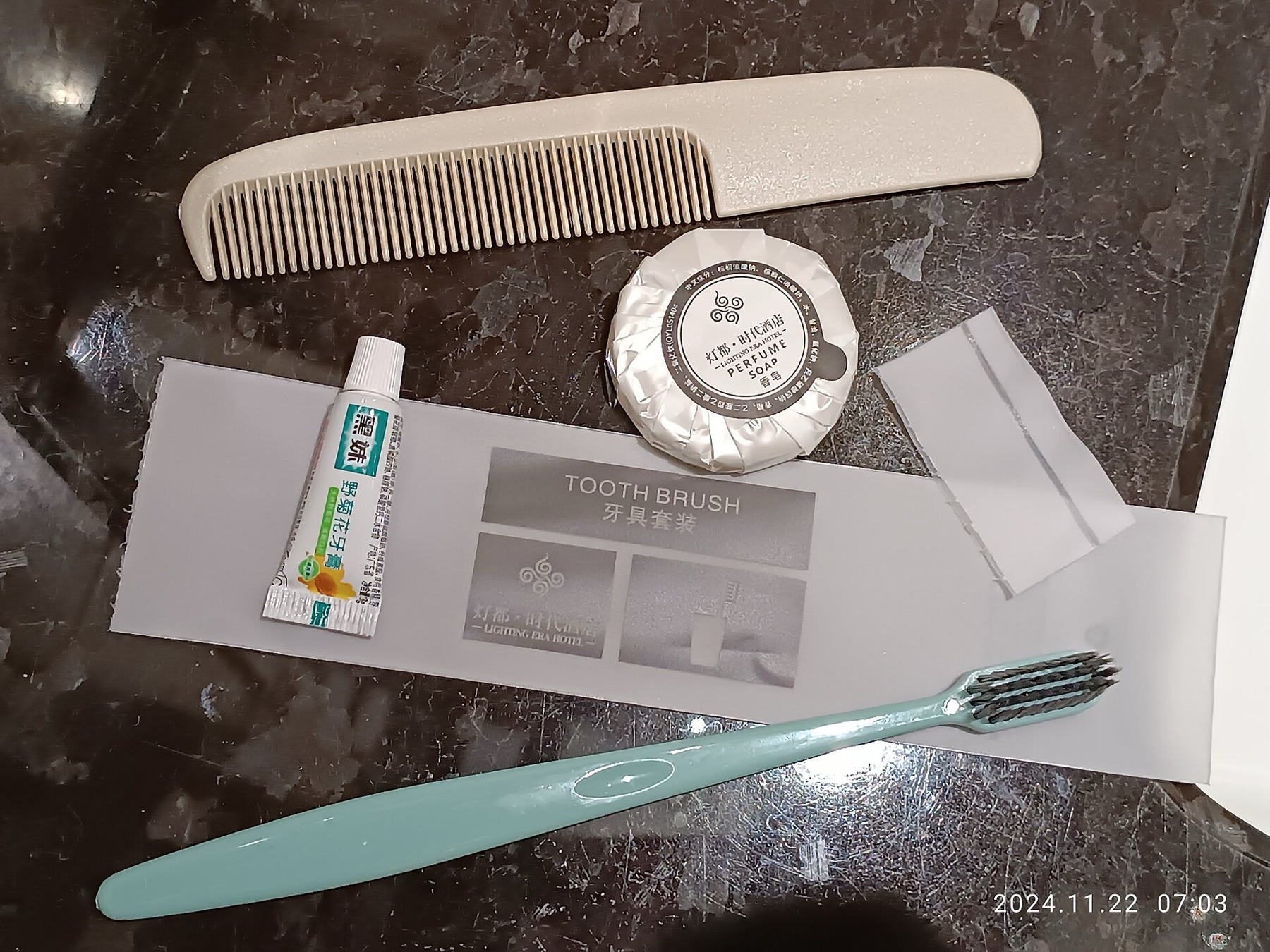
Scenario 2: Budget-focused online seller. You run an Amazon or Marketplace store emphasizing value sets—20-piece bath bundles, hotel-style amenity kits, or party favors. Your shoppers mainly see product photos, bundle composition, and price-per-piece. In this case, sourcing generic or white-label soap via DHgate or similar platforms likely beats Adams on margin. You’d invest more up front in vetting suppliers and sampling, but once you lock in a reliable factory, unit economics usually favor the cross-border route.
Practical cost and logistics questions to ask yourself
Because current prices and MOQs vary by supplier, treat any number you see in listings as negotiable rather than fixed. Instead of chasing a specific price point, ask:
- Can I retail this at a price my customers will pay given its story? Handmade, US-made soaps can command higher shelf prices than unbranded imports.
- What is my total landed cost per usable unit? Include product cost, freight, duties, packaging, and spoilage.
- How often will I reorder, and how tight is my cash flow? Lower MOQs on DHgate can reduce inventory risk, while stable domestic wholesale like Adams can simplify restocking.
If you’re still unsure, start small in both channels: place a modest Adams wholesale order and a set of DHgate samples, test them with customers, and let actual sell-through and reviews guide where you double down.