
Short answer: dresses in this category can look polished and wear well, but quality depends on the fabric, construction, sizing, and how carefully the listing is written. If you are comparing dresses for a wedding, party, prom, vacation, or resale, the smartest approach is to judge the listing first and the platform second. A useful dress listing gives you enough detail to evaluate silhouette, fabric weight, seam finish, lining, and measurements before you spend.
In other words, the question is not just whether a dress looks attractive in photos. It is whether the materials, cut, and sizing information support the look the buyer expects once the dress arrives.
What Counts as a Dress Listing?
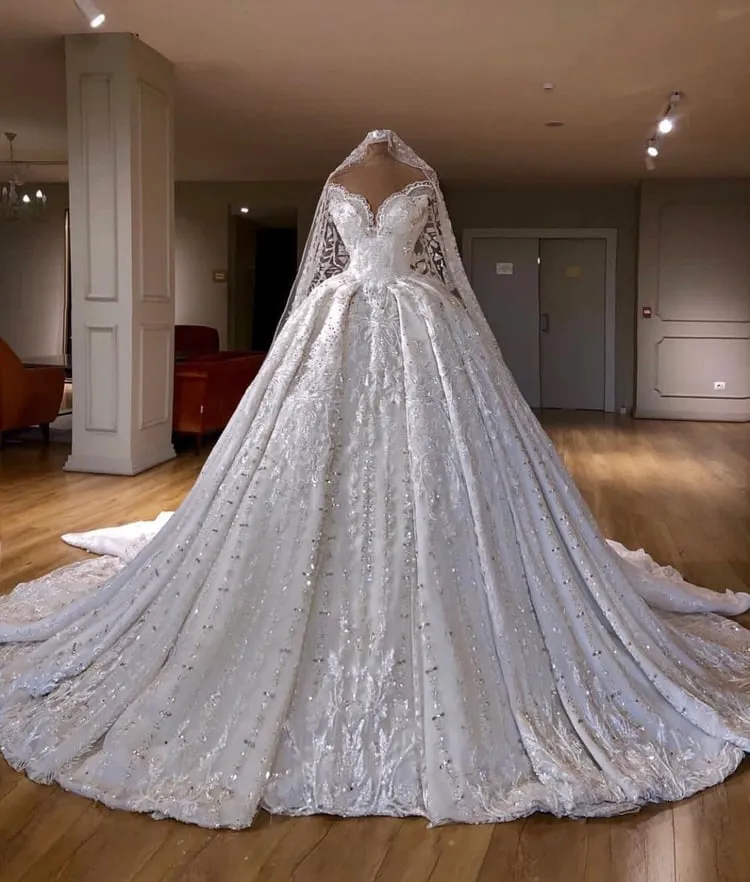
A dress listing is any product page for a one-piece garment designed to be worn as an outfit on its own. That can include casual day dresses, cocktail dresses, bridesmaid styles, formal gowns, prom dresses, maxi dresses, bodycon styles, wrap dresses, and occasion-specific pieces.
What makes dresses distinct as a product class is that buyers are judging both appearance and fit at the same time. A dress can have beautiful styling but still disappoint if the waist sits wrong, the fabric drapes poorly, or the hem length is off. That is why dress shopping usually starts with the event or use case, then moves to material and measurements.
Buyer takeaway: A dress is not just a color and a size. It is a combination of silhouette, fabric, construction, and fit, and all four need to work together.
Dress Types, Fabrics, Fit, and Finish
Different dress types solve different needs. A fitted cocktail dress is built to shape the body closely. A maxi dress usually prioritizes flow and coverage. A bridesmaid or formal dress may focus on drape, structure, and photo-ready finish. A casual shirt dress or sundress usually emphasizes comfort and everyday wear.
Fabric matters just as much as style. Common dress materials include polyester, chiffon, satin, tulle, lace, cotton blends, jersey, and stretch knits. Each one changes how the dress feels, how it moves, and how formal it looks. For example, chiffon and tulle create softness and volume, while jersey and stretch knits usually feel easier to wear and more forgiving in fit.
Finish details are where quality becomes visible. Look at:
- seam alignment
- zipper placement
- lining coverage
- lace or bead attachment
- hem symmetry
- neckline shape
- sleeve construction
A dress can have a strong design concept but still feel less refined if the finish details are rushed. On the other hand, a simple silhouette with clean stitching and good fabric can look better in real life than a more elaborate piece.
Buyer takeaway: Style gets attention, but fabric and finish determine whether the dress feels polished when worn.
When Buyers Choose Different Dress Styles
Occasion is the biggest driver of dress choice. A buyer shopping for a wedding guest outfit usually wants a different balance of elegance and comfort than someone shopping for a prom dress, a pageant look, or a casual summer dress.
Common use cases include:
- Formal events: structured gowns, satin finishes, longer lengths, and more detailed construction
- Semi-formal events: cocktail dresses, midi lengths, and cleaner silhouettes
- Everyday wear: breathable fabrics, easier movement, and simpler care
- Travel or vacation: lightweight materials, wrinkle resistance, and flexible fits
- Resale or boutique testing: styles that photograph well and can be compared across sizes or colorways
Search results and buyer discussions around dress shopping often focus on the same practical questions: Does it look like the photos? Is the fabric comfortable? Does the size chart match the body? Those questions matter because dress purchases are visual, but the final judgment is physical.
Buyer takeaway: The right dress depends on where it will be worn, how long it needs to last, and how much alteration a buyer is willing to do.
How to Judge Quality in Any Dress Listing
The most useful quality checks are the ones you can apply before checkout. Start with the listing photos, then move to the written details.
Look for these signals:
- Multiple photos from different angles. Front, back, side, and close-up images help you judge shape and finish.
- Fabric description. A listing should name the material or at least describe the fabric type clearly.
- Measurement chart. Bust, waist, hip, length, and sleeve measurements matter more than a generic size label.
- Construction details. Lining, closures, stretch, and embellishment notes help you predict how the dress will wear.
- Customer photos or reviews. Real photos are useful because they show how the dress looks outside studio lighting.
- Alteration expectations. If a dress is long, fitted, or formal, plan for possible tailoring.
A practical rule: if the listing only sells the mood of the dress and not the specifics, you do not have enough information yet.
Buyer takeaway: Good dress quality is easier to predict when the listing gives measurements, material details, and real-world photos.
What DHgate Search Shows for This Dress Query
The checked DHgate snapshot is time-bound, and it shows related results rather than a verified exact match for the requested dress phrase. That means the search page is useful for discovery, but it does not prove that the exact dress query is available as written.
What the snapshot does support is a broader browsing path: DHgate search can surface related dress-style listings, let a buyer compare visible card details, and help narrow a broad query into more specific terms such as fabric, silhouette, or occasion. In practice, that makes DHgate a discovery tool when you want to compare related listing formats side by side. It is less useful if you need a verified stock claim, a final shipping outcome, or a quality promise from the search page alone.
Direct answer: the snapshot shows related dress results, not a verified exact match for the phrase in the query.
How to Search and Buy on DHgate
If you want to use DHgate for dress discovery, keep the process specific and methodical. The checked DHgate snapshot is time-bound, so use it as a starting point rather than a final answer.
- Start broad, then narrow. Search on DHgate by dress type first, then add terms like “maxi,” “formal,” “lace,” “satin,” “bridesmaid,” or “cocktail.”
- Open the product page. Use DHgate search results to find related listings, then inspect the full page for fabric, measurements, and photos.
- Compare visible details. On DHgate, compare neckline, length, lining, embellishment, and size chart before choosing.
- Check the listing language carefully. If the description is vague, ask for more photos or clearer measurements before ordering.
- Match the dress to the occasion. A dress for a formal event needs different construction than a casual or travel dress.
- Review order details before checkout. Confirm size, color, quantity, and any notes you need to keep with the order.
- Save the order record. Keep the listing page, measurements, and order details together so you can compare what was promised with what arrives.
Used this way, DHgate is a practical search-and-comparison channel for dress shopping. DHgate search helps you discover related listings, refine a broad query into more specific style or material terms, and compare visible listing details before you decide. The time-bound snapshot helps you browse, but the final decision should still rest on the product page details, not the search page alone.
Buyer takeaway: Search on DHgate for related dress styles, refine by occasion and fabric, and only order after the listing details are specific enough to judge fit and finish.
Quick answer
Dresses on DHgate can look polished and wear well, but quality varies by seller and listing details. The safest approach is to judge the fabric, stitching, lining, measurements, and photos before ordering. DHgate search can help you find related dress listings, but a search snapshot does not verify exact availability, stock, shipping outcome, or final product quality.
FAQ
Can I tell dress quality from the search page alone?
Not reliably. Search results are useful for discovery, but you still need the product page details to judge fabric, fit, and finish.
What matters most for dress fit?
The measurement chart matters more than the size label. Compare your own bust, waist, hip, and length needs before ordering.
Should I rely on photos only?
No. Photos help, but they should be checked alongside fabric details, measurements, and buyer feedback.
What if the listing is vague?
Treat that as a warning sign and ask for more details or move on to a listing with clearer information.
Is a related DHgate search result the same as a verified exact match?
No. A related result only shows that the search returned similar listings, not that the exact requested item is confirmed available.
Next step
If you are comparing dress options, open a few related listings, compare the measurement charts and fabric notes side by side, and only shortlist the ones with enough detail to judge fit and finish.
Sources and further reading
- DHgate search snapshot: https://www.dhgate.com/wholesale/search.do?act=search&searchkey=DHgate+products — query checked: “DHgate products”. Time-bound discovery snapshot; related results only, not a verified exact match. Search results can change and do not confirm stock, final shipping cost, seller performance, product quality, or transaction outcome.
- DHgate blog source: https://www.dhgate.com/blog/?p=12321
- DHgate blog source: https://www.dhgate.com/blog/?p=10802
- DHgate blog source: https://www.dhgate.com/blog/?p=14675
- U.S. Customs and Border Protection: https://www.cbp.gov/trade/basic-import-export
- FedEx packing guide: https://www.fedex.com/en-us/shipping/packing/how-to-pack.html