
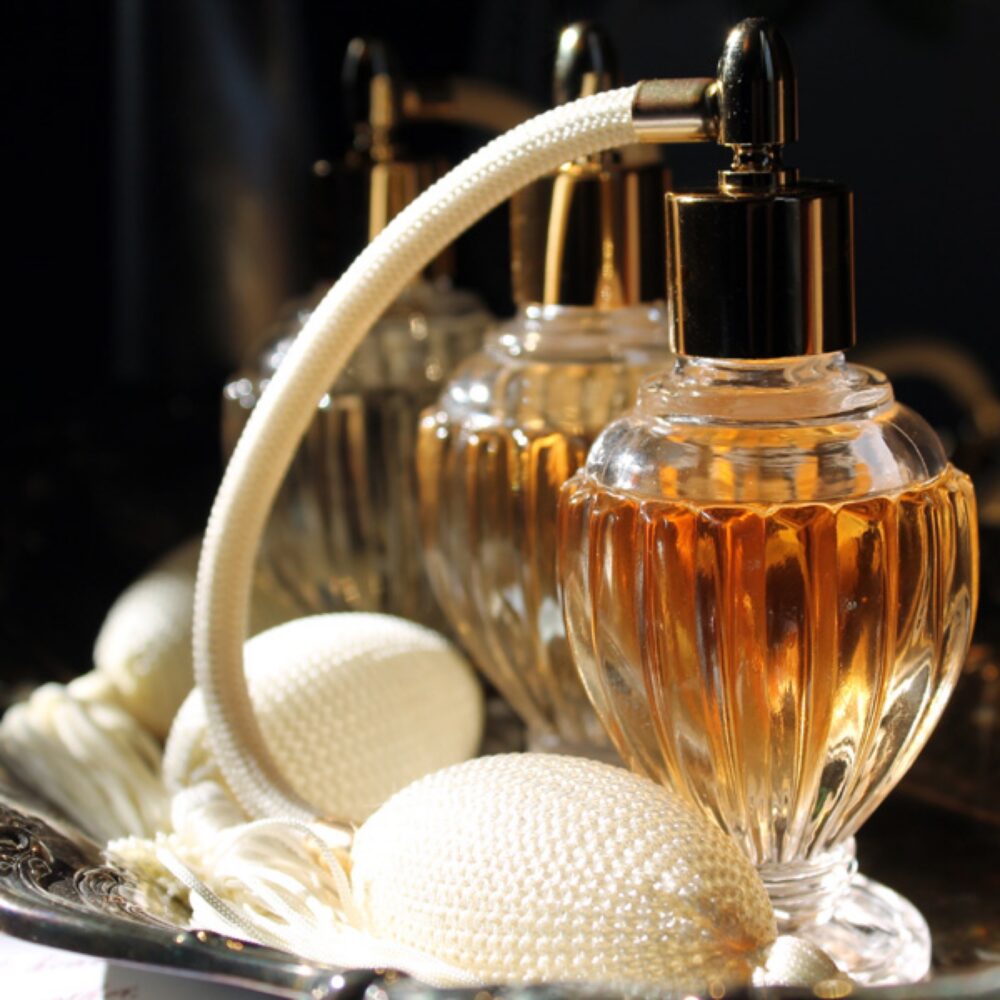
Perfume bottles and atomizers are packaging hardware, not accessories. Your job as a small US brand or decant seller is to match materials, closures, and order sizes to your fragrance and budget, then pick a sourcing channel and vet suppliers before committing. That can mean China-based marketplaces like DHgate or Alibaba, US bottle distributors, or artisan glass studios—each with different MOQs, prices, and branding impact.
The fastest way to narrow options is to decide what you’re actually filling (fine fragrance, body mist, decants, gift minis) and how you’ll sell it. Indie brands usually need repeatable, brandable spray bottles. Decant sellers often need leak‑resistant mini atomizers and simple glass vials. Once that’s clear, you can evaluate whether cross‑border sourcing on a marketplace like DHgate makes sense, or whether domestic distributors and artisan makers are a better fit for your stage.
How Wholesale Perfume Bottles and Atomizers Work in the Packaging Supply Chain
In packaging terms, “perfume bottles and atomizers” covers the entire assembly that stores and dispenses fragrance: the glass or plastic container, the spray mechanism or stopper, and the decorative cap.
Common wholesale types include:
- Glass perfume bottles – Clear or colored glass with crimp neck or screw neck. These are the standard for EDP/EDT and are widely sold by packaging distributors and glass specialists such as GlassBottles.com.
- Spray atomizers – Bottles with a fine‑mist sprayer for traditional perfumes, and small travel atomizers for decants. These often come in aluminum or plastic shells with internal glass or plastic reservoirs.
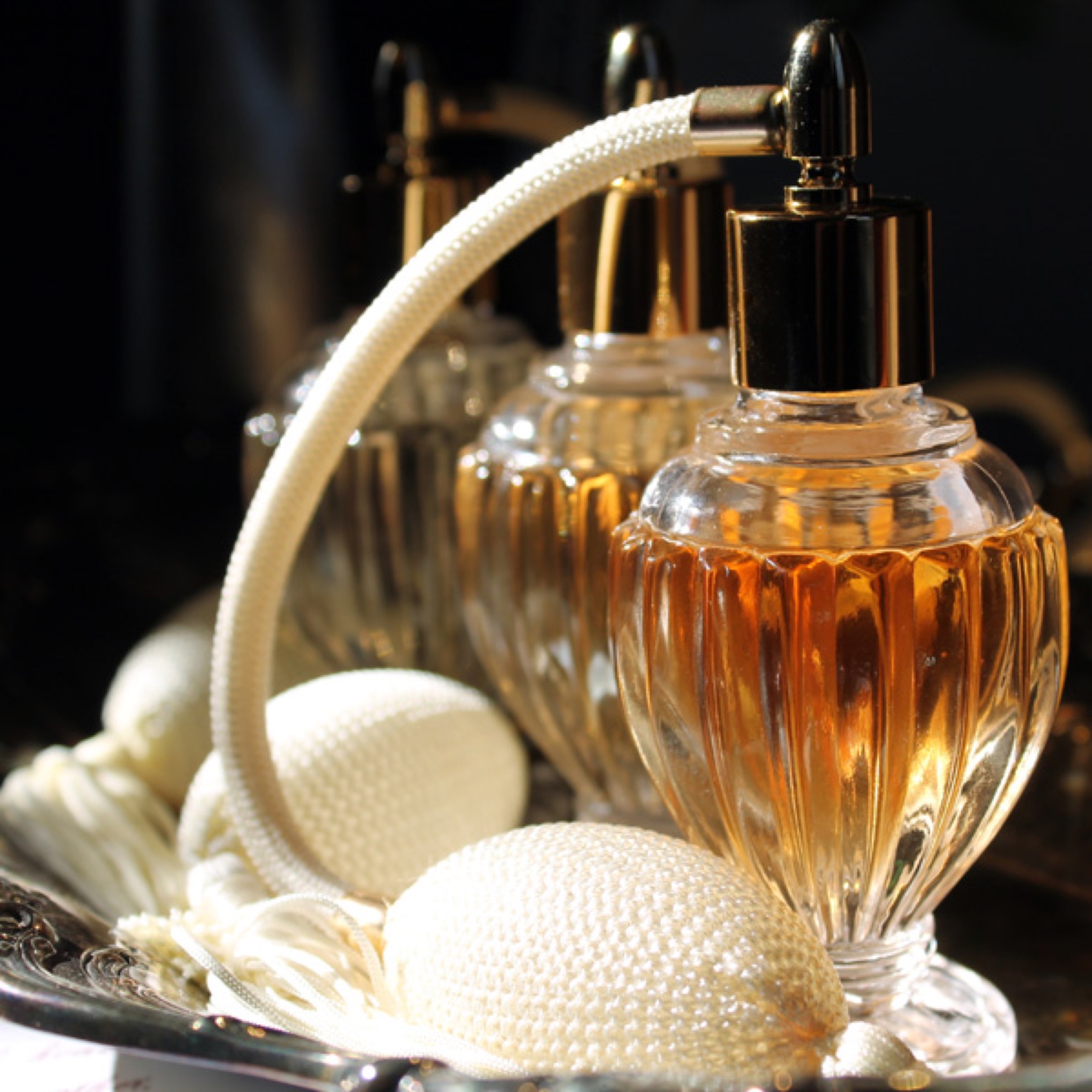
- Vanity and decorative atomizers – Vintage‑style squeeze bulbs, cut glass vanity bottles, and ornate stoppers aimed at display rather than travel.
- Artisan bottles – Hand‑worked pieces, like Murano glass perfume bottles from makers listed by Venetian Murano Glass, used when the bottle is a main part of the brand story.
At wholesale, these components are produced by specialist glass plants or packaging factories, then distributed through:
- Global marketplaces where many China‑based suppliers list finished bottles and components.
- Specialist distributors and manufacturers focused on glass and cosmetic packaging.
- Artisan and vintage sellers on platforms like Etsy or niche sites, where you buy smaller lots or one‑off pieces.
For small buyers, the constraints you feel first are MOQ (minimum order quantity), tooling/customization requirements, and compatibility with your fragrance base (oil vs alcohol, spray vs dab, etc.). High‑volume custom glass usually requires thousands of units and mold costs; stock bottles with surface decoration or printing can often be ordered in the hundreds.
Choosing and Vetting Perfume Bottle Suppliers Across Marketplaces and Distributors
Because you’re buying hardware that touches a flammable, skin‑contact product, generic supplier checks aren’t enough. You need packaging‑specific questions and evidence.
Use this focused checklist when you contact suppliers on DHgate, Alibaba, AliExpress, or US distributors:
- Bottle style and neck spec
- Ask for the neck type (crimp vs screw), neck size, and thread standard.
- Request a drawing or spec sheet, especially if you plan to source sprayers separately.
- Perfume compatibility
DHgate’s own editorial guidance on wholesale perfume bottles stresses asking questions so the bottle matches the “class of perfume you intend selling.” Treat that literally: describe your formula type.
- Is your product alcohol‑based fine fragrance or oil‑based attar?
- Ask whether the glass, plastic, and gasket materials are suitable for your base and if the supplier has sold into similar uses.
- Atomizer performance expectations
You can’t fully test mist quality from a listing, but you can narrow risks:
- Ask for the output volume per spray (often expressed in microliters).
- Ask how many actuations the sprayer is designed for and whether it’s reusable or single‑fill.
- Evidence of repeatability
On marketplaces, look for multiple listings that use the same base bottle or sprayer. This is often a sign that the item is a standard industrial component, not a one‑off clearance lot.
- Photos and samples
Request close‑up photos of the neck, sprayer assembly, and interior coating. Push for samples before placing a full wholesale order, even if you have to pay a sample fee.
- Red flags specific to perfume packaging
- Listings that mix images of several different bottles without a clear spec.
- Vague descriptions like “for all cosmetics” with no mention of perfume or alcohol.
- Sellers unwilling to answer basic compatibility questions.
Short script you can adapt for marketplaces:
“We’re a US brand filling an alcohol‑based fragrance (EDP strength). We need 50 ml and 100 ml glass bottles with fine‑mist atomizers. Please confirm the neck type and size, materials in contact with the fragrance, and whether you have existing customers using this bottle for EDT/EDP. Also confirm your MOQ and sample process.”
For artisan or vintage bottles (including Murano or mixed vintage lots), your vetting shifts from industrial specs to condition and consistency. If you plan to fill and sell them, ask how many identical units you can get, whether stoppers and atomizers seal properly, and expect higher per‑piece pricing.
MOQ, Pricing and Channel Comparison, Including DHgate’s Role for Small Buyers
Minimum order quantities and total landed cost vary dramatically by channel. For a small US business, the realistic question isn’t “who is cheapest?” but “which channel matches my scale and brand story without locking me into bad tooling or surplus stock?”
Here’s a compact comparison based on typical structures and the DHgate blog’s description of its marketplace role:
| Channel type | Typical MOQ feel for small buyers | Customization flexibility | Best fit scenario |
|---|---|---|---|
| China B2B marketplaces (e.g., Cross-border multi-seller, Alibaba, AliExpress) | Often hundreds for stock bottles; some sellers may offer smaller lots, but you must ask | Surface decoration, colors, occasional logo printing without new molds; full custom glass usually high MOQ | Indie brands and decant sellers wanting low per‑unit cost and willing to manage cross‑border lead times and communication |
| US/EU specialist bottle distributors | Frequently smaller case packs (dozens) on stock items; easier for test runs | Good options for printing, labeling, and sometimes custom projects, with clearer communication | Brands prioritizing predictable logistics and easier returns over rock‑bottom unit prices |
| Artisan glass makers (e.g., Murano bottle studios) | Very small batches or one‑offs; often priced as art, not packaging | High: unique shapes, colors, and hand‑work; but not standardized | High‑margin niche brands where the bottle itself is a selling point, or limited editions |
According to DHgate’s fragrance‑related editorial, DHgate is described as a global marketplace linking China manufacturers with small and medium businesses worldwide and listing millions of products across categories including beauty and accessories. That positions it as a B2B‑friendly option if you’re trying to source perfume bottles alongside other packaging or fragrance oils from China.
Practical steps if you’re considering DHgate specifically:
- Use very concrete search terms: “50ml glass perfume bottle screw neck,” “travel perfume atomizer aluminum 5ml,” “EDT spray bottle bulk.”
- Shortlist only suppliers that clearly focus on fragrance or cosmetic packaging, not general household glass.
Before you commit to any channel:
- Map quantity to your production reality. If you’re filling 100 bottles a month, a 5,000‑piece MOQ is a multi‑year commitment and storage problem.
- Factor total cost, not just unit price. Include freight, duties, labeling, and your own time dealing with overseas communication.
If DHgate feels like a fit and you want to go deeper on marketplace tactics, you can pair this guide with DhgateWiki’s more general sourcing playbooks, such as finding suppliers on DHgate and narrowing them to a shortlist: Find wholesale suppliers on DHgate, Find DHgate suppliers, and Choose a DHgate wholesale supplier.
For many small fragrance businesses, the rational path is hybrid: start with accessible stock bottles from a domestic distributor to learn your operations, then selectively add cross‑border suppliers for cost or design advantages once you know exactly what bottle and atomizer specs your brand needs.