

Liquidation and wholesale stores in the US are great for cheap, mixed inventory you can touch and buy quickly, while cross-border marketplaces like DHgate are better for stable SKUs you can reorder and build listings around. If you’re a small reseller, the most resilient strategy is usually a mix: use liquidation pallets and local wholesale for opportunistic flips and margin, and use DHgate-style marketplaces for repeatable products where you control specs and replenishment.
These two channels sit in very different parts of the inventory supply chain, and they behave differently in your business. Liquidation and wholesale warehouses feed off overstock, customer returns, discontinued lines, and store closures. Marketplaces connect you to factories and trading companies. Understanding the differences will keep you from treating a one-off pallet like a reliable long-term SKU, or expecting factory-grade consistency from a truckload of returns.
How Liquidation and Wholesale Stores Work in the US Inventory Supply Chain
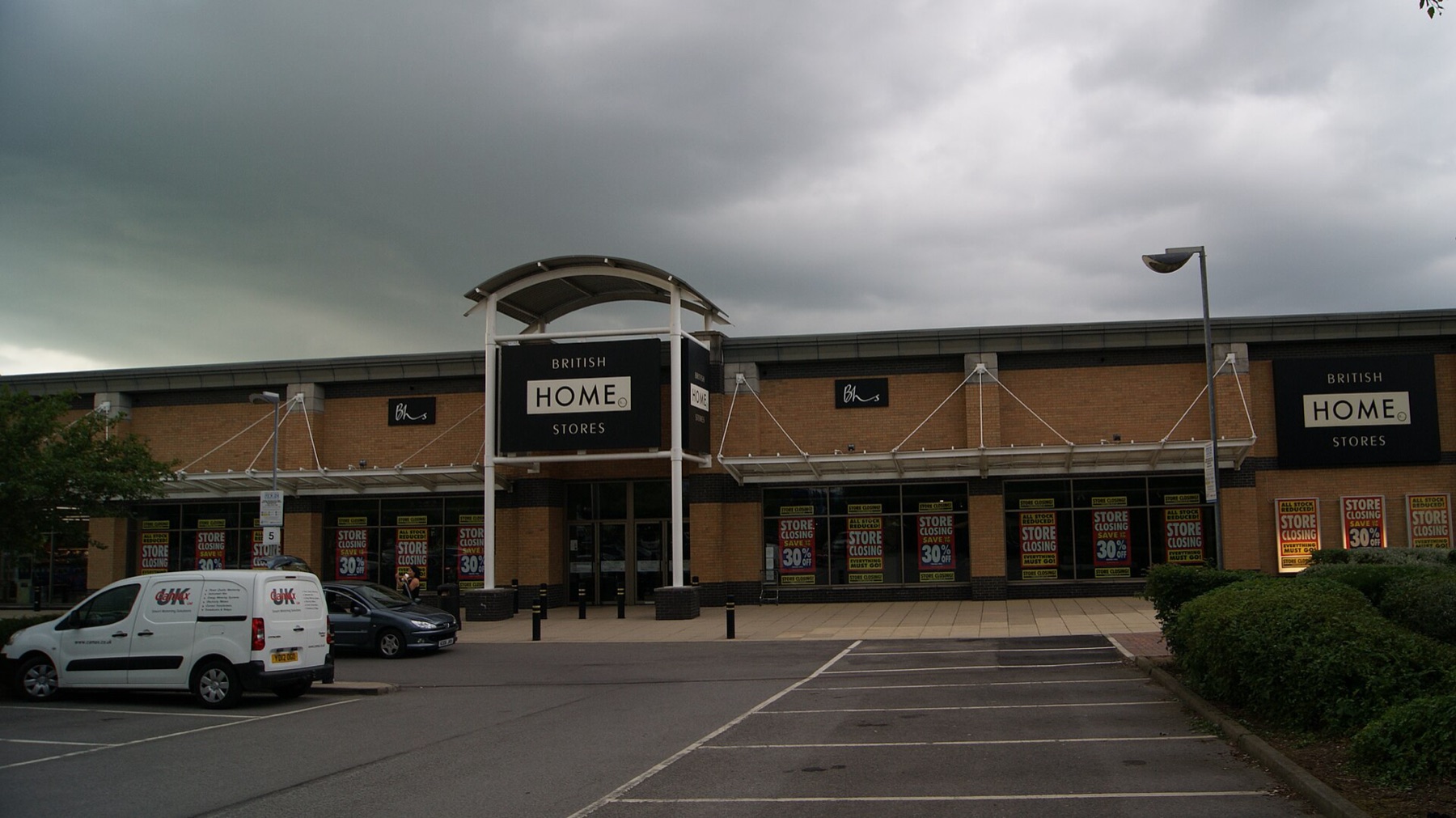
Liquidation and wholesale stores specialize in discounted merchandise sourced from overstock, customer returns, discontinued items, and retail store closures. A liquidation warehouse might be buying truckloads of unsold or returned goods from major retailers and then breaking them down into smaller units for resellers.
In this channel, inventory is typically sold in bulk units geared toward buyers who intend to resell:
- Boxes: smaller mixed lots, often suitable for flea markets, bin stores, or testing a category.
- Pallets: standard for resellers with some storage; often mixed categories (general merchandise) or themed (e.g., apparel, home goods).
- Truckloads: full loads for larger operations, often sourced as store returns, overstock, or closeouts from big-box chains.
Many liquidation businesses openly position themselves as B2B sources for resellers, highlighting manifested loads, truckloads, and wholesale focus on their sites, like Unboxed Liquidation & Wholesale and Liquidation Closeouts.
For your business, this has a few practical implications:
- The mix is unpredictable: Even manifested loads are built around what a retailer needs to clear, not what you want specifically.
- Condition and quality vary: You can see everything from brand new overstock to dented packaging to non-working returns in the same pallet.
- Deals are time-bound: When a chain clears a category or closes stores, that inventory flows once. You may not be able to restock the same items later.
Liquidation shines if your model can absorb this variability – bin stores, discount outlets, flea markets, and fast-moving social media flips – but it’s hard to treat it like a stable wholesale line.
Evaluating Liquidation and Wholesale Suppliers: Stock, Manifest, and Communication
Because liquidation inventory is inherently variable, your choice of supplier matters more than any single pallet.
Here are the core checks that are specific to liquidation/wholesale warehouses:
- Stock type and sourcing
Ask directly what mix they specialize in: customer returns, shelf pulls, overstock, or a blend. Returns will have more non-working items than clean overstock or closeouts.
- Manifest quality
Serious B2B-focused liquidation operations (for example, those advertising manifested truckloads and reseller focus on sites like Go Liquidator) treat manifests as part of the sales pitch. You want manifests that specify categories, quantities, and basic descriptions – not just a vague “mixed merchandise.” The more detail, the easier it is to estimate realistic resale value.
- Inspection options
If the warehouse is within driving distance, seeing a sample pallet or walking the facility is one of the best ways to calibrate your expectations. You’re checking whether the condition and category mix match how they describe their stock.
- Communication and documentation
You’re not looking for polished corporate marketing so much as clear, honest descriptions. Pay attention to:
- How they answer questions about condition and returns percentage.
- Whether they explain their sourcing and lot labeling in plain language.
- Whether invoices or bills of sale clearly describe what you’re buying (pallet type, manifested/unmanifested, category).
Red flags that are specific to this space:
- The supplier refuses to explain whether loads are returns or overstock.
- Manifests are consistently missing or extremely vague for higher-priced pallets.
- They push you hard into truckloads before you’ve seen or tested their smaller lots.
A simple first purchase strategy: start with one or two pallets from a supplier that offers clear manifests and seems transparent, then measure your actual recovery: working units, salvage units, and dead loss. Use that data to decide whether to scale to truckloads or keep them as a side source.
Comparing Liquidation Stores to Online Wholesale Marketplaces like DHgate
Liquidation warehouses and cross-border wholesale marketplaces such as DHgate operate on different models. Here’s a side-by-side view of how they usually compare for a small US reseller:
| Factor | US liquidation / wholesale stores | Cross-border marketplaces (e.g., DHgate) |
|---|---|---|
| Typical sourcing | Overstock, customer returns, discontinued items, store closures | Factory-direct or trading-company goods listed by suppliers |
| Buying units / MOQ | Boxes, pallets, truckloads; minimums often measured in physical lots | Often flexible: from single units up to bulk; many sellers offer tiered wholesale discounts based on quantity as DHgate’s editorial blog describes |
| Consistency of SKU | Low. Same pallet mix rarely repeats; items may be one-off | Higher. You can usually reorder the same product if the supplier keeps listing it |
| Control over product specs | Minimal – you get what the retailer liquidated | Higher – you can choose exact listings; DHgate’s blog mentions common practices like requesting samples and leveraging OEM factories for custom/branded goods |
| Price behavior | Deep discounts per unit, but condition risk and unknown defects baked in | Prices vary by seller and quantity; bulk orders often receive lower per-unit pricing according to DHgate’s market research guidance |
| Best-fit use case | Bin stores, discount shops, local flipping, “treasure hunt” experiences | Branded ecommerce listings, repeatable SKUs, private-label or custom products |
In practice, you don’t need to choose only one channel. Many small sellers run a split strategy:
- Use liquidation pallets locally to feed a bin store or discount corner with highly variable products at attractive prices.
- Use a marketplace like DHgate for repeatable ecommerce SKUs where you want control and replenishment – for example, a specific style of phone case or home accessory that you can list on your own site or marketplaces.
A simple mixed scenario:
- You buy a manifested general-merchandise pallet from a regional liquidation warehouse to stock a weekend bin sale and test local appetite for small electronics accessories.
- The accessories sell fast and customers ask for more of a specific item type (say, a particular style of charging cable).
- You then search a cross-border marketplace like DHgate for that cable style, evaluate suppliers based on ratings and product details, request a sample as their blog recommends, and negotiate a bulk price.
- Liquidation continues to feed your “treasure hunt” bins, while your DHgate-sourced cable becomes a stable SKU in your ecommerce store with predictable restock options.
If you’re leaning more heavily toward marketplace sourcing, you may find it useful to dig into more DHgate-specific guidance on supplier selection and wholesale negotiation, such as:
For most small US resellers, liquidation and wholesale stores are a powerful, local way to source cheap mixed inventory, but they won’t replace the controlled, repeatable sourcing you can get from cross-border marketplaces. Treat liquidation as your opportunistic profit engine and platforms like DHgate as your long-term SKU backbone, and you’ll make far more predictable decisions about stock, cash flow, and growth.