
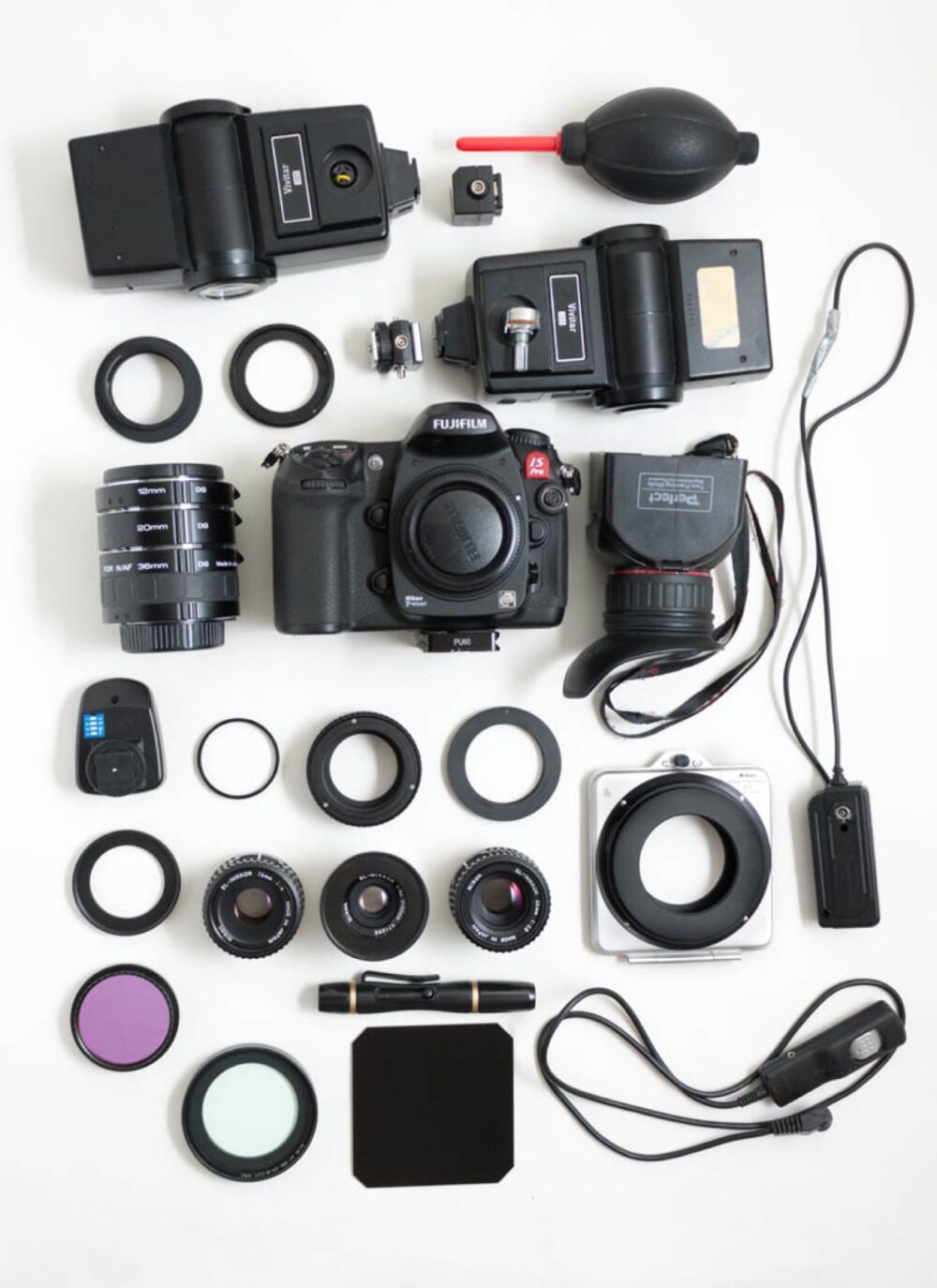
The used camera gear and equipment market is now big, structured, and surprisingly friendly to small resale businesses. One major specialist retailer highlighted by Digital Camera World has recirculated well over half a million used cameras, lenses, and accessories in a single year—just from its own program. For a US-based ecommerce seller, that scale means you can build an inventory model around used gear rather than treating it as occasional one-off flips. DHgate is relevant mainly as a source of new cameras, third‑party lenses, and accessories; structured used programs live on other platforms.
How the Used Camera Gear Market Works Today
The used camera market is the buy–sell ecosystem for pre-owned photography and video equipment: cameras, lenses, flashes, tripods, bags, and more. Inventory usually comes from enthusiasts upgrading, professionals rotating gear, and retailers taking trade‑ins.
Growth has been strong. Digital Camera World reports that demand for used cameras is “skyrocketing” and points to a single retailer recirculating more than 500,000 items in a year, showing how much gear now flows through the secondary market rather than sitting in closets.
Specialist platforms have built full businesses on this trend:
- MPB runs dedicated buy–sell programs for used photo and video gear and even publishes a price index to track value trends.
- KEH is a long‑standing US reseller focused on used equipment.
- GearFocus operates as a marketplace for new and used cameras and related gear.
- Aperture.market positions itself explicitly as a zero‑commission marketplace focused on used camera gear.
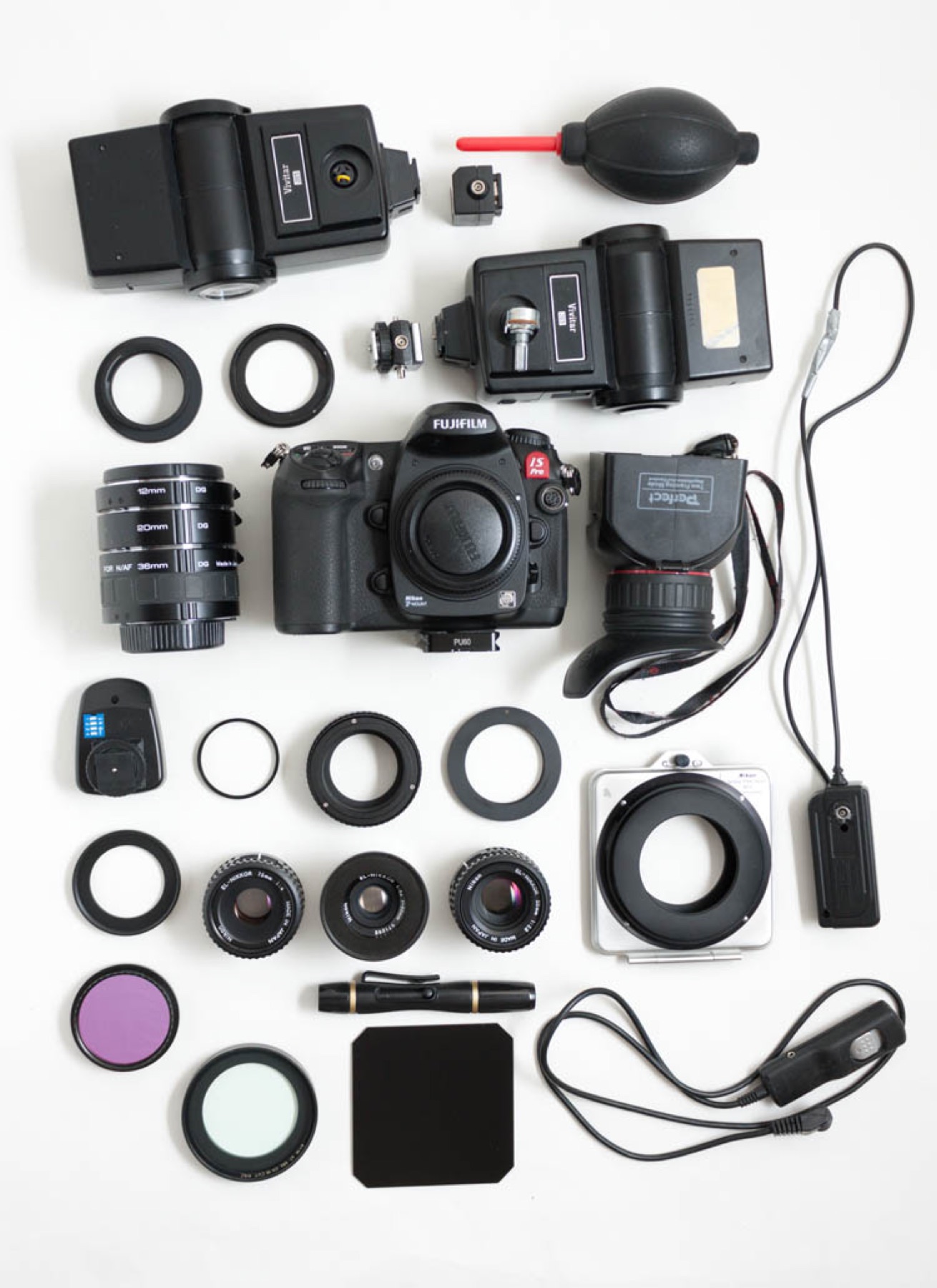
These players sit alongside used sections at big retailers like B&H Photo and Adorama, plus general marketplaces such as eBay and Facebook Marketplace. For a small reseller, that means you can source in several distinct ways:
- Consistent, graded stock from specialist used platforms.
- Opportunistic buys on general marketplaces and local shops.
- New or refurbished accessories and some bodies from wholesale marketplaces like DHgate.
The right mix depends on whether you’re flipping single items or building ongoing inventory.
Choosing Where to Source: Specialist Platforms vs Marketplaces
For sourcing, the practical distinction is between specialist used‑gear platforms and broader marketplaces where used gear is just one category.
What specialist used platforms offer
Sites like MPB, KEH, GearFocus, Aperture.market, and B&H Used share some traits that matter for a business buyer:
- Centralized inspection and grading. MPB, for example, describes a dedicated process for buying, checking, and grading gear before resale. You don’t have to reinvent testing for every unit.
- Standardized condition labels. You can plan your pricing and return policies around their grades (e.g., “Excellent,” “Good”), even if exact scales differ by platform.
- Programmatic supply. You can often buy multiple units of popular bodies or lenses over time, building repeatable listings in your own store.
They’re best suited to resellers who want predictable stock and lower failure rates, even if buy‑in prices are higher than a lucky local find.
General marketplaces: flexibility and risk
eBay, Facebook Marketplace, Craigslist, and local camera shops give you flexibility:
- You can hunt for underpriced individual pieces.
- Negotiation margins may be larger, especially for older lenses and film bodies.
- Local shops sometimes test gear and offer basic grading, but standards vary.
The trade‑off is that inspection and grading are on you. Before you scale purchases, do hands‑on testing routines for sample units:
- Optics: Shine a small flashlight through the lens to check for haze, fungus, and heavy dust.
- Mechanicals: Confirm aperture blades move freely, focus rings are smooth, and zoom mechanisms don’t bind.
- Electronics: On digital bodies, test shutter count where possible, card slots, ports, autofocus, and live view.
If a seller can’t answer specific questions or provide clear photos of glass and mount surfaces, treat that as a red flag.
Scenario callout: flips vs inventory
One‑off flips:
- Best channels: eBay, Facebook Marketplace, local shops.
- Strategy: Aggressively test each item; buy only when margin vs repair risk looks favorable.
Steady inventory:
- Best channels: MPB, KEH, B&H Used, GearFocus, Aperture.market.
- Strategy: Lean on their grading and buy multiple units of the same model so you can standardize your product copy, testing routine, and warranty.
Compact channel comparison
This table summarizes how channels differ for a small US reseller:
| Channel type | Typical condition assurance | Best use case |
|---|---|---|
| Specialist used platforms (MPB, KEH, Aperture.market, GearFocus, B&H Used) | Centralized inspection and published grading scales | Building repeatable, lower‑risk inventory |
| General marketplaces (eBay, FB Marketplace, Craigslist) | Seller‑by‑seller; no standard grading; your testing is crucial | Opportunistic flips and rare items |
| Wholesale marketplaces (e.g., DHgate) | Vendor‑specific; mainly new gear and accessories | Bulk buying new accessories or entry‑level gear |
Wholesale Purchasing Factors and Where DHgate Fits
MOQ, pricing, and sampling
Used‑gear specialists often allow single‑unit purchases but may offer better pricing if you bulk‑buy popular models. General marketplaces are almost entirely single‑unit. Wholesale marketplaces tilt the other way.
DHgate describes itself in its blog as a B2B marketplace connecting suppliers and manufacturers with buyers worldwide and emphasizes bulk purchasing and competitive pricing across categories, including photography products like cameras, lenses, and accessories (DHgate overview; photography sale article). That makes it relevant if you want to:
- Stock new third‑party lenses, stabilizers, or lighting.
- Bundle new straps, bags, filters, and cleaning kits with used bodies.
It does not run a structured, certified used‑gear program in the way MPB or KEH do, so expecting graded used inventory there is likely to waste time.
DHgate’s own editorial guidance for ecommerce buyers suggests practical steps you can adapt for any wholesale marketplace (sourcing guide):
- Use filters and search tools to narrow to the exact accessory types and specs you need.
- Check supplier ratings, reviews, and transaction history to prioritize experienced vendors.
- Order samples before committing to larger orders, so you can test build quality and compatibility with the used cameras you already sell.
Those same habits should guide you on any wholesale platform, not just DHgate.
Cross‑border logistics for fragile gear
Used cameras and lenses are sensitive to impact, moisture, and dust. When you source cross‑border—whether from UK‑based platforms like MPB or from China‑based wholesalers—you need to factor logistics into your cost and risk model:
- Packaging expectations: Ask suppliers explicitly how bodies and lenses are packed (original boxes, foam, bubble wrap, desiccant packs).
- Transit time vs risk: Longer journeys mean more handling; fragile optics benefit from fewer hops, even if freight is slightly more expensive.
- Insurance and declared value: Make sure high‑value shipments are insured, and build potential customs and duty into your margin calculations.
For accessories sourced via DHgate or other wholesale sites, the risk profile is easier: straps, bags, and filters tolerate transit better than precision optics. For used cameras and lenses themselves, you’re generally better off buying through platforms that perform and stand behind detailed condition checks.
Before choosing a DHgate supplier, use Find wholesale suppliers on DHgate, Find DHgate suppliers, and Choose a DHgate wholesale supplier.
If your business model depends on pristine optical performance and low failure rates, prioritize specialist used‑gear suppliers for the core hardware and treat DHgate and similar marketplaces as supporting channels for new, complementary products that round out your offering.