
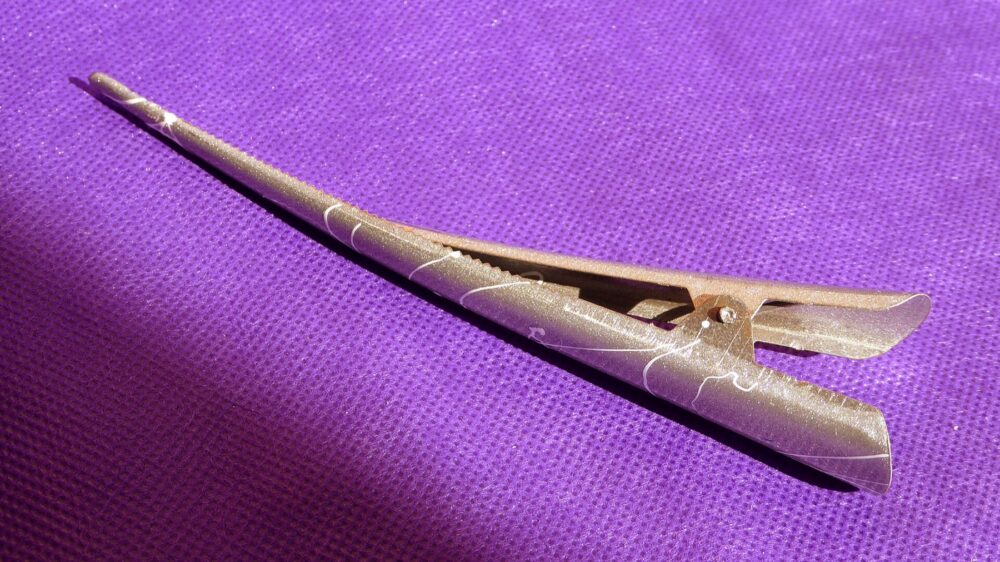
Wholesale hair accessories and clips are low‑cost fashion items bought in bulk—hair clips, barrettes, headbands, ties, claws—for resale. Your profit comes from buying variety at a low landed cost without getting stuck in stale styles or weak quality. That’s true whether you buy from US wholesalers like Atelier Trim or Fame Accessories, cross‑border platforms like FashionTIY and TrendyWholesale, or marketplaces such as DHgate, which positions itself as a global B2B hub linking buyers to mainly Chinese manufacturers.
For a small US boutique or ecommerce seller, the decision is less “which website” and more “which mix of assortment, MOQ, and logistics fits my cash flow and customer base.” This guide keeps the focus on that decision.
How Wholesale Hair Accessories and Clips Are Made, Sold, and Priced
Wholesale hair accessories and clips are bulk quantities of hair adornments—classic snap clips, claw clips, barrettes, headbands, scrunchies and elastics—sold at discounted per‑unit prices for resale. Suppliers range from small design‑led studios to mass producers.
The supply chain tends to look like this:
- Design and manufacturing. Many fashion hair accessories are designed and produced in China, including Yiwu‑based suppliers that specialize in low‑cost, trend‑driven items. Platforms such as FashionTIY’s hair accessories category and TrendyWholesale’s hair clips section showcase these kinds of bulk, value‑focused products.
- Regional wholesalers and distributors. US and UK wholesalers buy from manufacturers, then resell to boutiques with smaller MOQs and faster replenishment. Examples include Atelier Trim’s wholesale hair accessories, Fame Accessories’ hair accessories, CB Flowers & Crafts’ wholesale hair clips, and Inca in the UK.
Hair accessories have three traits that shape your margins:
- Low unit value. Clips and ties are cheap per piece, so freight, duties, and handling can easily double your effective cost if you aren’t careful with shipping method and order size.
- Fast style cycles. Colors, finishes, and silhouettes follow fashion and social‑media trends. Buying too deep in one style is riskier than in evergreen basics like black elastics or school‑uniform bows.
- Need for variety. Boutiques and online stores usually sell assortments: multiple colors, finishes, and pack sizes. That pushes you toward suppliers with broad catalogs or strong mix‑and‑match options, not just one good SKU.
Your job as a buyer is to exploit wholesale discounts while keeping flexibility: enough choice, manageable MOQs, and replenishment that matches how quickly your customers burn through trends.
Finding and Vetting Wholesale Hair Accessory Suppliers
You have three broad supplier types to consider: domestic wholesalers, overseas wholesalers, and global marketplaces.
From the research, some real‑world examples help illustrate the options:
- US‑based wholesalers: Atelier Trim (boutique‑friendly trims and hair pieces), Fame Accessories in Los Angeles, and CB Flowers & Crafts for craft‑oriented clips.
- Specialist hair‑clip wholesalers: HACC Wholesale focuses on wholesale hair clips and custom claw designs (HACC), while UK‑based Inca offers clip assortments.
- Cross‑border bulk platforms: FashionTIY and TrendyWholesale lean into low‑cost, fashion‑forward hair accessories from China.
For a small US business, vetting suppliers is less about abstract “trust” and more about concrete signals:
1. Assortment fit for your store
- Check whether a wholesaler’s catalog actually matches your customers: glam rhinestone clips vs. minimalist matte claws vs. kids’ bows.
- Look for how they group products (by trend, material, age group). A boutique‑oriented supplier like Atelier Trim or Fame Accessories tends to curate more than a pure bulk platform.
2. Evidence of being a real, ongoing business
- Look for a usable website with clear business contact details and wholesale positioning, as you see on Atelier Trim and Fame’s sites.
- Check whether they reference serving boutiques, salons, or ecommerce sellers rather than just one‑off retail shoppers.
3. Practical quality checks
With hair accessories, quality is about three things: finish (no sharp edges or flaking paint), grip (spring strength, teeth alignment), and consistency across lots.
- Ask for samples or buy a small trial pack where possible.
- Compare samples from at least two suppliers side‑by‑side: how smoothly do claws open, do colors look the same across pieces, does the enamel or plastic feel cheap?
4. Landed cost and shipping reality
General wholesale guidance stresses comparing multiple suppliers and including shipping and duties in your total cost, not just unit price. A US‑based wholesaler may quote a higher per‑piece price than a Yiwu‑based one, but lower freight and no customs paperwork can narrow the gap.
Here’s a simple way to frame your options:
| Supplier type | Typical strengths | Typical trade‑offs |
|---|---|---|
| US/UK wholesalers | Faster delivery, easier returns, curated assortments | Higher unit cost, less extreme variety |
| Cross‑border platforms | Very low unit prices, huge style range | Longer transit, import duties, quality spread |
| Marketplaces (incl. DHgate) | Many independent sellers, broad categories | You must vet each seller & listing yourself |
For marketplace sourcing, internal guides like find wholesale suppliers on DHgate and find DHgate suppliers can help you translate general checks (catalog breadth, communication, responsiveness) into listing‑level questions.
MOQ, Pricing, Logistics—and Where DHgate Fits as a Sourcing Channel
Once you have a shortlist of suppliers, the next questions are: how many units, at what price, and how do you get them to the US profitably?
MOQ and pricing tiers
Most wholesalers and cross‑border platforms use minimum order quantities (MOQs) and tiered pricing—larger runs at lower per‑unit cost. Because hair accessories are small and cheap, MOQs for a single style can still mean a lot of physical pieces. General wholesale guidance suggests you:
- Negotiate MOQs based on your real sell‑through forecasts, not just the lowest price you see.
- Use initial orders as tests—buy fewer styles more broadly to see what sells, then go deeper on winners.
Thinking in landed cost, not catalog price
To really compare suppliers and channels, convert everything into a landed cost per usable unit:
Hair clips from an overseas seller can look extremely cheap until you add international freight and customs brokerage. Domestic wholesalers might start higher but end up comparable on a landed basis.
Where DHgate fits
According to DHgate’s own editorial blog, the platform positions itself as a “global leading B2B ecommerce” site linking international buyers with Chinese manufacturers and suppliers, with millions of products across categories including fashion accessories and beauty.Source In practice, that makes it one of several marketplaces you can use to source hair accessories and clips, especially if you’re comfortable working directly with Chinese sellers.
- Search for relevant terms like “hair claw clips wholesale,” “barrette bulk,” or “headbands lot.”
- For each listing, look at catalog breadth (does the seller offer many related styles?), photos, described materials, and any visible trade history.
- Start with small trial orders or sample runs before committing to large MOQs.
If you’re new to DHgate, pairing this article with internal guidance on how to choose a DHgate wholesale supplier can help translate your hair‑accessory‑specific needs (trend variety, grip quality, pack sizes) into concrete questions for each seller.
Scenario callouts
- Small boutique testing trends. You might lean on US wholesalers like Fame Accessories or Atelier Trim for core styles and sprinkle in small cross‑border orders from FashionTIY or TrendyWholesale to trial new looks. DHgate could be a way to experiment with niche designs at low unit cost, but keep order sizes modest until you trust specific sellers.
- Amazon or Shopify seller chasing volume. You may be more willing to work directly with Yiwu‑based suppliers or DHgate sellers for aggressive per‑unit pricing, but you’ll need tighter quality checks and clearer replenishment plans to avoid negative reviews.
In both scenarios, the smartest move is the same: treat wholesale hair accessories and clips as a flexible, experiment‑friendly category, and use DHgate, domestic wholesalers, and other cross‑border platforms as complementary channels rather than betting everything on one website.