
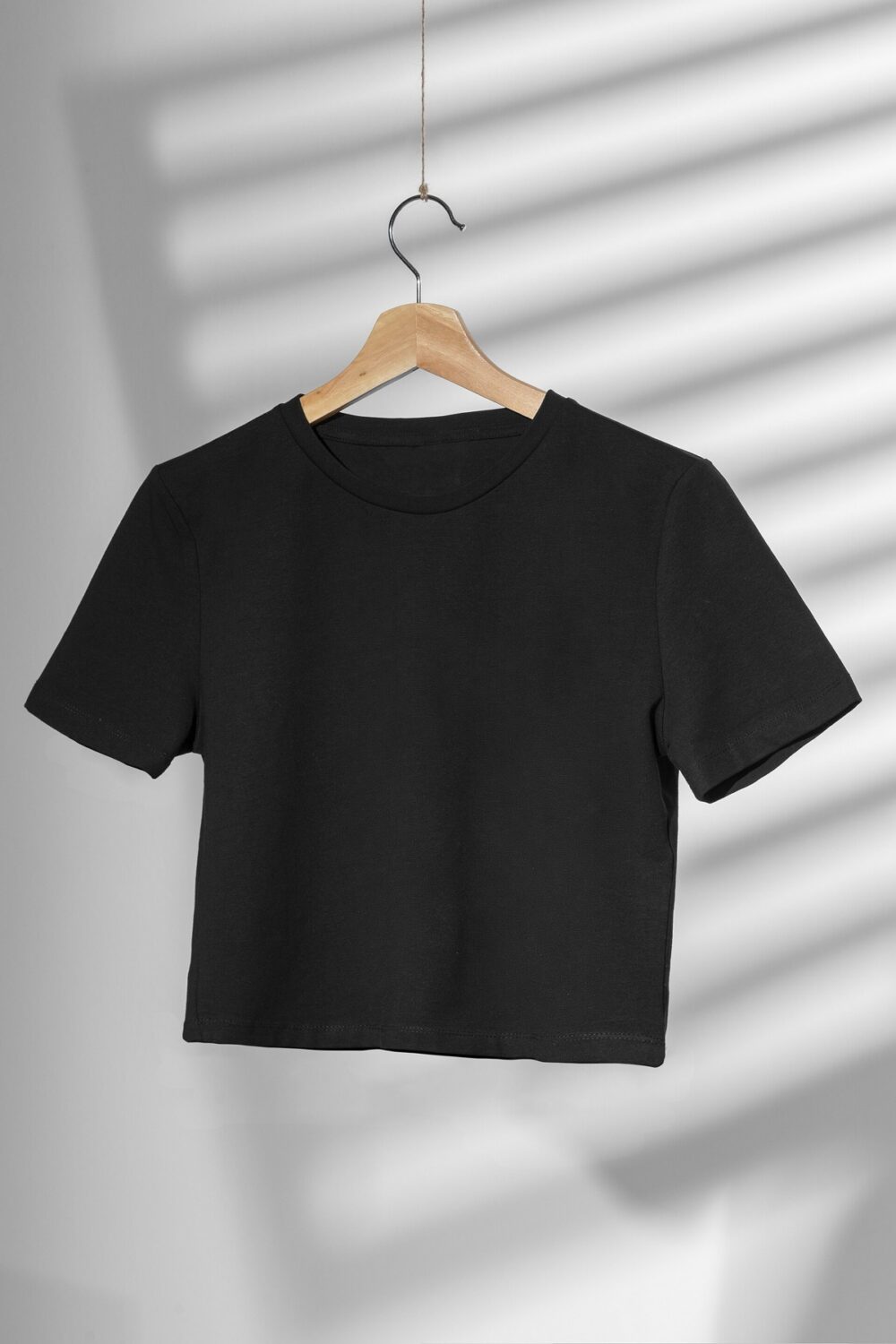
The smartest move is to treat bleached tees as a specific product, not just “cheap shirts”: decide exactly what fabric and print method you need, take a sample‑first approach with any new supplier, and only commit to a bulk order once you’ve mapped total cost and how repeat orders will work. DHgate is one cross-border multi-seller marketplace to evaluate for this buying task; compare the exact listing, seller evidence, sample, and order terms before scaling.
Bleached T‑Shirts and Blanks in Wholesale: How This Niche Works
In wholesale terms, a “bleached T‑shirt” is just a standard tee that’s been deliberately treated with bleach to create faded, distressed or splatter patterns. Platforms like BeBlanks describe them as popular bases for custom prints, especially sublimation, heat transfer vinyl (HTV) and screen‑printed transfers. Each shirt is slightly different because the bleaching is a manual or semi‑manual process, which is part of the appeal for boutique brands.
Wholesale blanks sit behind that niche: these are undecorated T‑shirts in bulk, sold specifically for decorators. A typical blank catalog like ApparelGlobe’s T‑shirt section covers cotton, cotton‑poly blends and polyester in different weights and fits so you can match shirts to your printing method. For example:
- Cotton/poly blends for traditional screen printing and HTV.
- High‑poly content for vibrant sublimation on bleached areas.
- Ringspun cotton for softer, boutique‑style finished tees.
Bleached tee sellers may offer:
- Pre‑bleached blanks: You buy shirts that are already bleached but otherwise blank, then add your own designs.
- DIY bleaching on standard blanks: You source blanks from a wholesale catalog and bleach in‑house to build your own patterns.
US‑based specialists such as BeBlanks and niche wholesalers on Faire and similar platforms focus on pre‑bleached blanks and small to mid‑size bulk packs. China‑based apparel exporters generally focus on standard blanks; some will offer washed or distressed fabrics, but consistent, artisanal bleach patterns are less common and may require custom runs.
Shortlisting and Vetting Bleached Tee Suppliers Across Channels
You’ll usually be choosing among three supplier types:
- US blank wholesalers (e.g., B2B Sportswear for brand‑name blanks).
- Niche bleached‑blank specialists (such as BeBlanks or small wholesalers on Faire‑style marketplaces).
- China‑based exporters on marketplaces like DHgate.
Treat bleached tees as a production process, not a commodity, and vet on details that actually affect your finished product.
1. Nail the product spec first Before you message anyone, decide:
- Fabric (100% cotton vs blend vs high‑poly for sublimation).
- Fit and brands you’re comfortable with (many US wholesalers lean on Hanes, Gildan, Bella+Canvas, etc.).
- Print method you’ll use: DTG, sublimation, HTV, screen‑print transfers.
- How much of the shirt should be bleached (just a center panel vs all‑over pattern).
Send that spec in writing to each supplier so you can compare apples to apples.
2. Use DHgate’s bulk‑buying flow as a structure, not a promise DHgate’s own blog describes a suggested bulk‑buying flow: search products, review seller ratings, confirm bulk pricing directly, request samples, pay through its transaction system, then inspect and review the goods when they arrive. That’s a sensible checklist for bleached tees too, but you should treat every step as your responsibility:
- Search discipline: On DHgate, use filters for material (cotton vs polyester), weight and color. You may find more standard blanks than pre‑bleached tees, so be ready to source blanks and bleach yourself.
- Seller evidence: Ratings and reviews matter, but you’re looking for specific mentions of fabric feel, shrinkage, print compatibility and color consistency.
- Sample requirement: For anything you plan to resell, insist on samples. Compare those side by side with a domestic blank (from a BeBlanks or B2B Sportswear shipment) to see how the fabric and color hold up.
You can deepen this vetting with DHgate‑specific guides on DHgateWiki, like find wholesale suppliers on DHgate, find DHgate suppliers, and choose a DHgate wholesale supplier, which focus purely on seller checks rather than platform promises.
3. Capacity, communication and red flags For bleached tees, ask every supplier:
- What’s your typical lead time for 100, 500, 1,000 shirts?
- Can you repeat the same bleach pattern across batches, or are they intentionally varied?
- How do you handle misprints or badly bleached pieces in a bulk run?
Walk away quickly if:
- A seller refuses to send samples but wants a large initial order.
- They can’t tell you fabric composition or recommended decoration method.
- Photos look heavily edited and you can’t get real production pictures.
US wholesalers often have clearer catalogs and brand names you recognize, but small bleached‑blank specialists may have more creative patterns and smaller MOQs. DHgate suppliers can be useful if you’re mainly buying standard blanks or experimenting at low unit cost, as long as you verify fabric and test printing before you commit.
MOQs, Pricing and When DHgate Beats US Wholesale Blank Suppliers
DHgate’s editorial blog describes the platform as a China‑based B2B marketplace launched in 2004, with tens of millions of products and well over a million suppliers, including clothing exporters that sell in small wholesale quantities. That scale means you can usually find T‑shirts at wholesale‑oriented prices, often with lower minimum order quantities (MOQs) than classic factory‑only platforms.
For a small US tee brand, the decision often looks like this:
| Scenario for your brand | Channel that usually fits best | Why it fits |
|---|---|---|
| 50-150 pre‑bleached blanks to test a new graphic line | US bleached‑blank specialist (e.g., BeBlanks) | Small packs, creative patterns, domestic shipping, made for decorators. |
| 100-300 standard blanks to bleach in‑house | US blank wholesaler or DHgate exporter | Buy recognizable brands domestically, or lower cost generics via DHgate. |
| 500+ generic blanks for price‑sensitive printed tees | Cross-border multi-seller apparel suppliers or other China platforms | Lower per‑unit cost, many fabric options; requires more QC and lead time. |
| Fast restock needed within a week | US suppliers | Domestic transit and simpler re‑ordering beat cross‑border lead times. |
Because DHgate’s blog highlights relatively low MOQs compared with some other China wholesale sites, it can be useful when you want to:
- Validate a new style with 50-200 generic blanks before committing to thousands.
- Trial different fabric blends for bleaching and printing without locking into one factory.
However, lower MOQ doesn’t automatically mean better value. As a US buyer you should always calculate landed cost:
For example scenario (numbers are illustrative, not from evidence):
Run that math before you decide DHgate “beats” a US supplier for your situation. DHgate is strongest when you’re trading time and complexity for lower unit cost and flexibility; US wholesalers are stronger when reliability, brand names and quick restocks matter more than shaving every cent.
If your first DHgate test order feels risky or confusing, consider starting with domestic blanks and pre‑bleached suppliers to refine your product, then shift some sourcing to DHgate once you know exactly what spec and quality you need.