
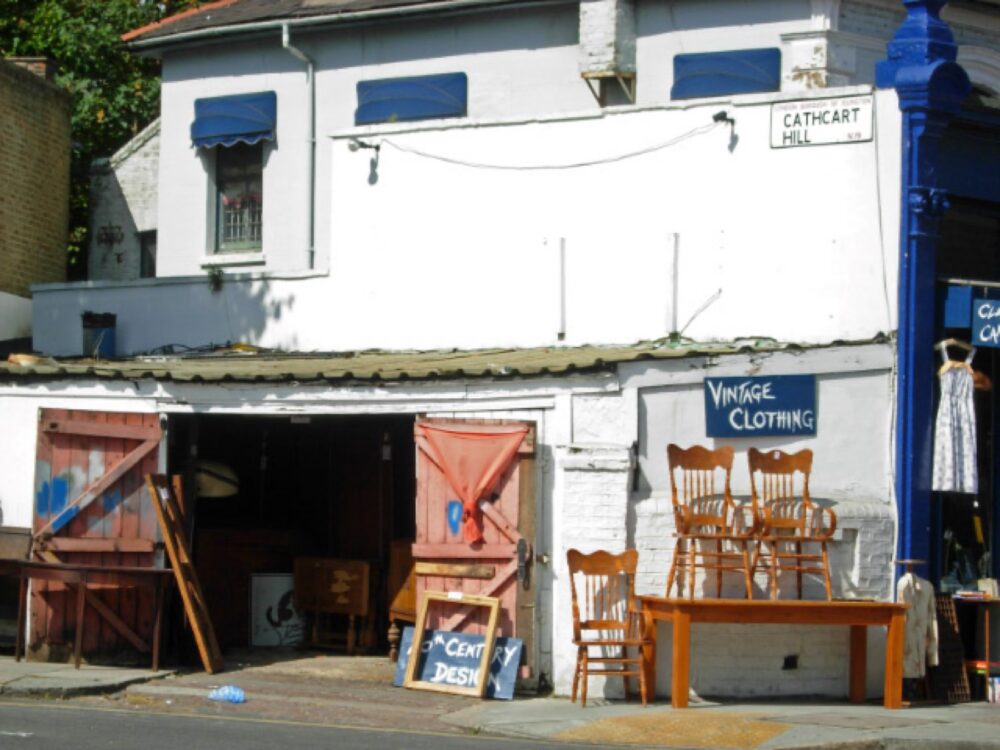
If you run a vintage or resale business in Connecticut, “wholesale” usually means building relationships with nearby vintage shops, consignment stores, flea markets, and liquidators, then negotiating bulk buys. There aren’t many big, formal vintage wholesalers in the state. Global marketplaces like DHgate can help you fill in with cheap retro-style clothing and basics, but they rarely replace local sourcing for true one-of-a-kind vintage.
For most CT-based sellers, the smart move is a hybrid: use local channels for authentic, higher-margin pieces that define your brand, and use online marketplaces for volume-friendly items that round out your size runs or trend categories.
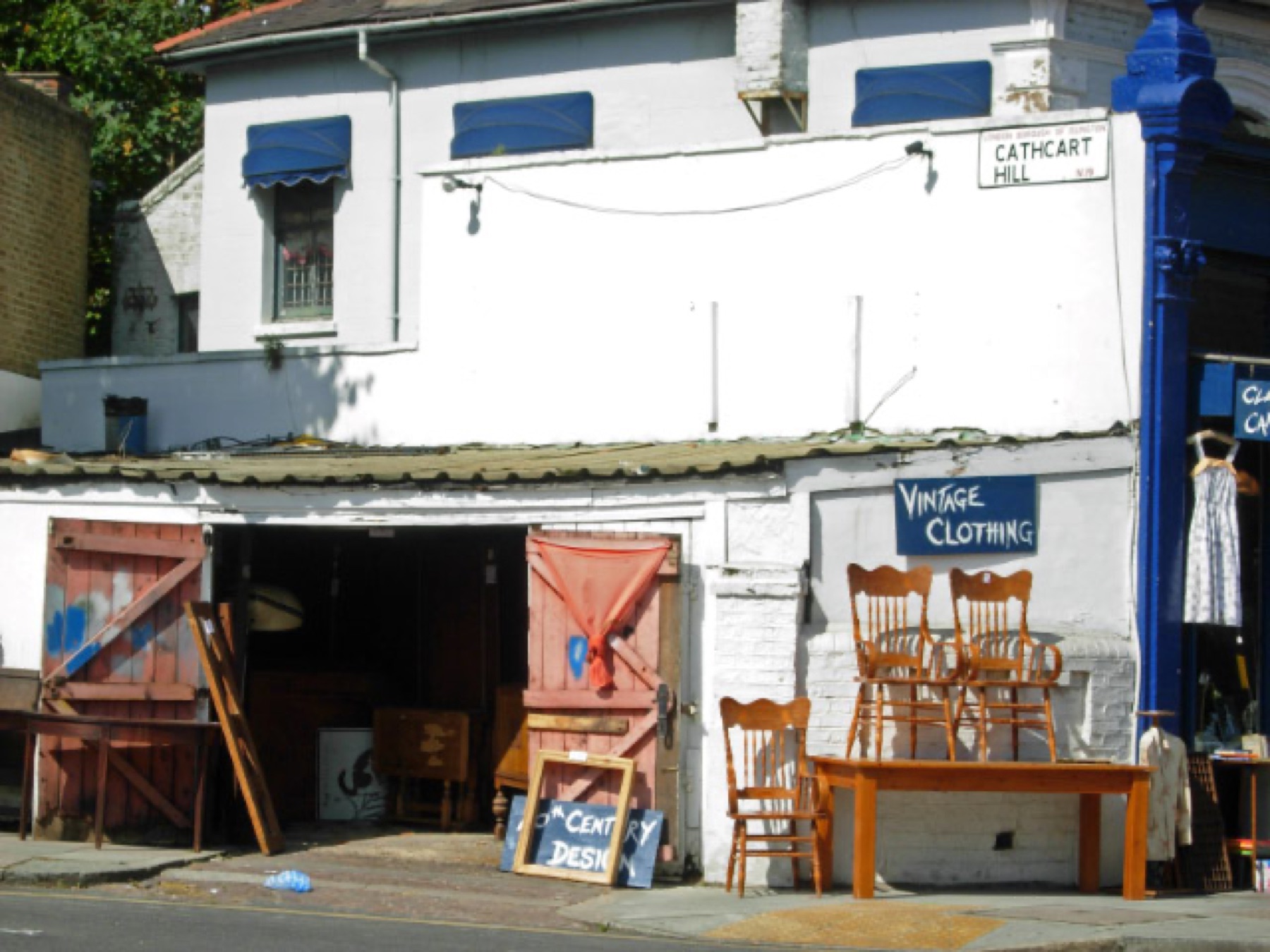
What “Vintage Clothing Wholesale” Really Looks Like in Connecticut
In Connecticut, vintage wholesale is more a loose ecosystem than a formal industry. You’ll mostly be buying from businesses that are set up as retail or resale, then arranging bulk deals once they know you’re a regular buyer.
Typical sources include:
- Vintage boutiques and resale shops. New Haven alone has multiple vintage-focused stores. Fashionista Vintage & Variety and Vintanthromodern Vintage’s shop in New Haven both specialize in vintage clothing and accessories, and similar stores appear in statewide directories like localvintagestores.com. These businesses may be open to selling older or overstock pieces in bulk to resellers if you ask.
- Small-town vintage shops. Tova’s Vintage Shop in Old Saybrook and concept shops featured on sites like Sophia’s Gallery in Cos Cob operate as curated vintage or costume/vintage-adjacent venues. Again, their default is retail, but a steady reseller might be able to negotiate by-the-bag or by-the-rack pricing.
- Resale and outlet-style clothing stores. Stores such as Renee’s Resale Clothing Outlet in Orange (profiled on its own site at reneesresaleclothingoutlet.com) focus on secondhand apparel at low prices. While not “vintage-only,” they can be sources of mixed-era stock and may consider bulk deals on certain categories.
- Flea markets and pop-up venues. The well-known Elephant’s Trunk Flea Market in New Milford (mapped via Google’s local listing data) has a rotating cast of vendors who sell vintage clothing, accessories, and textiles alongside antiques. Consistent buying from a few vendors can turn into informal wholesale: bins of unsorted vintage, seasonal clear-outs, or first pick before items hit their stalls.
Behind these storefronts, you’ll also find regional apparel liquidators and “rag houses” that supply thrift chains. Those players often don’t advertise consumer-facing vintage wholesale, but some do sell by the pound or bale to small resellers willing to sort.
Realistically, terms in Connecticut look like:
- No published price lists or MOQs; you negotiate case by case.
- Bulk often means “fill a large bag,” “take this clearance rack,” or “buy by weight,” not perfect-size runs.
- Quality is mixed: you’ll dig for gems, but you control curation.
If you’re expecting a big warehouse that sells pre-sorted 1980s band tees by the hundred, you’ll be disappointed. The local CT game is relationship-driven and messy—but that’s where the margin and uniqueness often live.
Local CT Sourcing vs Online Marketplaces for Vintage-Style Stock
Global marketplaces change the equation. DHgate, for example, is described in its own editorial content as a B2B marketplace connecting mainly Chinese suppliers with buyers worldwide, with tens of millions of products and low minimum order quantities on many listings. Clothing is a major category, and DHgate’s blog highlights that buyers can often order in small quantities and get tiered discounts as volume increases.
But that isn’t the same thing as true vintage. Here’s how the channels stack up if you’re in Connecticut.
Key differences at a glance
| Channel type | What you actually get | Typical pricing logic | Volume & consistency | Brand impact for “vintage” sellers |
|---|---|---|---|---|
| CT vintage shops & boutiques | Curated true vintage, mixed eras | Per piece, occasional bulk “rack” deals | Limited, depends on each shop’s intake | Strong authenticity, unique stories |
| CT consignment / resale outlets | Mixed secondhand, some vintage | Low per-piece, negotiable bulk on older stock | Better volume, less curated | Good for budget stock, weaker era specificity |
| CT flea markets & vendors | Unsorted vintage & retro, plus junk | Haggle per piece or lot | Seasonal spikes, variable from week to week | Great for treasure-hunting, inconsistent supply |
| Marketplaces like DHgate | Mostly modern, retro-inspired clothing | Unit prices with tiered wholesale discounts | High volume and repeatable styles | Works for “vintage-inspired” or filler basics |
From DHgate’s own blog about wholesale websites, you can infer the typical mechanics: the platform is positioned as a niche wholesale marketplace where small and medium businesses can buy Chinese goods in relatively small amounts at wholesale-level pricing, with minimum order quantities that tend to be lower than many competing B2B sites. Another DHgate blog piece explains its tiered pricing—a common marketplace pattern where per-unit prices drop as you buy more.
For a Connecticut seller, that leads to clear tradeoffs:
- Curation vs control. Buying locally means you’re constantly sifting: some trips yield ten killer pieces, some yield two. On marketplaces, you choose exact colors, sizes, and cuts, but they’ll be mass-produced.
- MOQ and cash flow. A CT shop might let you clear a rack for a few hundred dollars with no formal MOQ. Marketplace suppliers often let you start small but encourage larger quantities with discounts—per DHgate’s blog, you can sometimes buy just a few units and then scale up as you test what sells.
- Logistics. Local sourcing is car trips and storage space. Marketplaces add cross-border shipping times and potential customs considerations, which you’ll need to factor into your cash cycle even though we don’t have verified policy details here.
That’s why for a Connecticut-based “vintage” brand, DHgate and similar platforms are best treated as supplements: sources of retro-style pieces, basics, and plus-size or specialty fits that you can’t reliably find in local vintage, not as your core vintage inventory.
Which Mix Works for Your Vintage Business?
Your ideal sourcing blend depends on how you sell and what your customers expect.
1. Curated boutique or studio in CT
If you’re running a brick-and-mortar shop in New Haven, Hartford, or the Shoreline, or a high-touch studio built on styling and rentals:
- Make local CT vintage your backbone—regular runs to Fashionista Vintage & Variety, Tova’s Vintage, and other boutiques listed on localvintagestores.com, plus early-morning buying at Elephant’s Trunk and similar markets.
- Use consignment and resale outlets for low-priced filler: denim, plain tees, layering pieces that don’t need a specific era.
2. Depop, Poshmark, or Instagram seller
If your business is online-first and trend-driven:
- Lean into local hunting for standout pieces—your feed needs eye-catching items that aren’t already everywhere on the app. CT flea markets and vintage shops are key.
- When you find reliable CT sources (a shop owner who’ll text you before they put out 90s streetwear, a vendor who lets you pre-buy from their car), nurture those relationships; they function as your private “wholesalers.”
- Use DHgate-style marketplaces for trend-volume: modern Y2K basics, corset tops, or matching sets that complement your true vintage. Be open with buyers when pieces are modern—many shoppers just care about the look.
3. High-volume budget online store
If your goal is a Shopify store or marketplace storefront that sells large volumes at accessible prices:
- Accept that CT’s vintage ecosystem is too fragmented to be your only supplier. You’ll spend more time sourcing than you can justify at high volume.
- Use local CT channels for “headline” products—capsule drops of authentic vintage that you can price higher and feature in marketing.
- Build your day-to-day catalog on DHgate and comparable platforms: retro graphic tees, relaxed-fit jeans, dresses with vintage-style cuts. Use the marketplace’s search and tiered pricing to test SKUs in small quantities, then scale only the styles that actually convert.
Across all three scenarios, the pattern is the same: think of Connecticut as your source of character and story, and global marketplaces as your source of control and scale. The right mix is the one that supports your brand promise—and your cash flow—without pretending modern retro is the same thing as true vintage.
If you want a deeper look at how DHgate compares to other large marketplaces for general sourcing decisions, the broader marketplace comparison here is useful context: Compare DHgate with AliExpress, Alibaba and Temu. For a basic primer on how DHgate itself works as a marketplace, see What DHgate is and how the marketplace works, and for listing-level sourcing tactics, Find wholesale suppliers on DHgate.