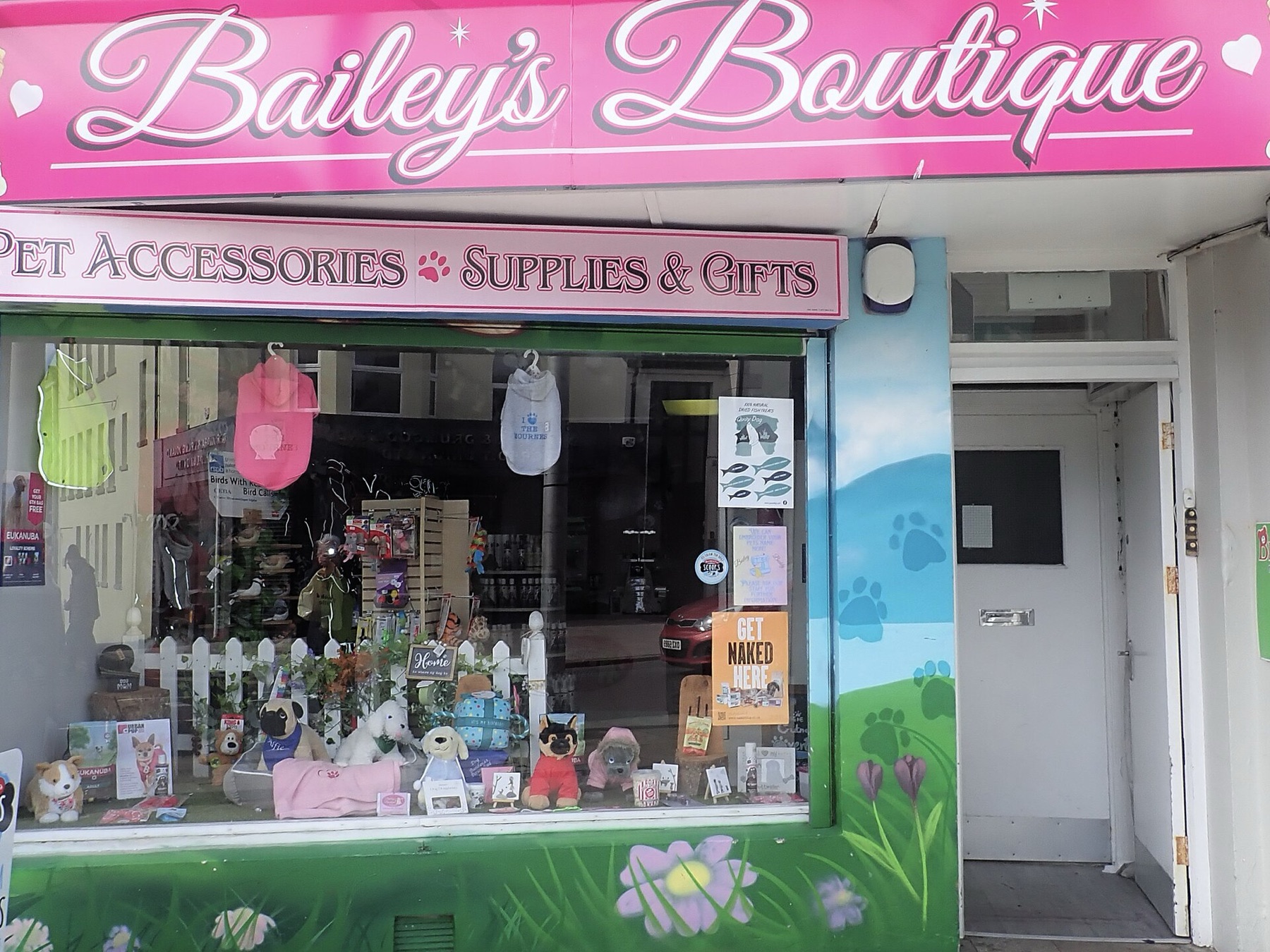
Wholesale pet supplies and accessories mean buying bulk pet products—like collars, leashes, toys, beds, grooming tools—directly from manufacturers or distributors at discounted prices, then reselling them in your US store or online shop. For most small US pet businesses, the practical wholesale mix is a blend of domestic distributors for safety‑sensitive items and cross‑border marketplaces such as DHgate, Alibaba, and others for low‑MOQ, trend‑driven accessories and tools.
The real decision is not “domestic vs China,” but which product types you can safely and profitably source cross‑border, and how you’ll vet each supplier before you commit.
How Wholesale Pet Supplies Work for Small US Pet Businesses
Wholesale pet supplies cover a wide range:
- Hard goods/accessories: collars, leashes, harnesses, apparel, toys, beds, carriers, crates, bowls, litter boxes.
- Grooming tools: brushes, combs, scissors, clippers, nail trimmers, grooming tables, dryers.
- Consumables and regulated products: food, treats, supplements, flea/tick treatments, shampoos with active ingredients.
For US buyers, the supply chain is usually split:
- Domestic distributors and brands (e.g., national wholesalers listed on sites like Alliance Pet Distribution or DC Pet Distribution) handle branded foods, medications, and many premium hard goods with clear compliance and recall processes.
- Cross‑border manufacturers and trading companies, especially in China, make a huge portion of the world’s pet accessories and generic grooming tools. Platforms like DHgate state in their blog that they connect global buyers with Chinese wholesalers across many product categories, including pet grooming tools and accessories.
DHgate’s own editorial content describes tens of thousands of pet‑related listings: toys, grooming tools, dog apparel, harnesses, seat belts, and more. That scale matters because it changes how a small pet brand can operate. Instead of committing to a single big factory contract, you can:
- Test multiple collar or harness styles in small runs.
- Trial grooming tools before picking a hero SKU for your salon or ecommerce shop.
- Explore niche items (GPS tags, themed apparel, novelty toys) that domestic wholesalers may not carry.
Risk line: for most small US buyers, accessories and non‑ingestible grooming tools are realistic cross‑border categories. Pet food, supplements, and medicated products are usually better sourced from US or clearly regulated channels because missteps directly affect animal health and can trigger recall and liability issues.
Choosing and Vetting Pet Supply Wholesalers and Marketplace Sellers
On a marketplace like DHgate, you’re not choosing “DHgate the supplier”; you’re choosing individual sellers. DHgate’s pet‑focused guides urge buyers to dig into product reviews, seller ratings, detailed listings, and samples before large orders. That’s your starting point.

Here’s a practical micro‑checklist tailored to pet accessories and grooming tools:
1. Listing detail and materials For collars, harnesses, and leashes, look for material specs (nylon vs leather vs TPU), hardware type (zinc alloy vs stainless steel), stitching quality claims, and weight/size ranges. For grooming tools, check blade material (e.g., stainless steel), handle material, and any stated safety features.
Red flags:
- Vague descriptors like “high quality” with no material breakdown.
- Stock images that don’t match customer photos in reviews.
2. Reviews and ratings (specific to use‑case) DHgate’s blog recommends scanning both product reviews and seller ratings. Don’t just look at the stars—read what buyers say:
- For grooming scissors: are there complaints about dull blades or misaligned tips?
- For harnesses: are people reporting escape issues or broken buckles?
- For toys: do multiple reviews mention pieces breaking off or being destroyed quickly?
Treat high ratings as a positive signal, not a guarantee. A seller with good feedback can still have weak batches or change factories.
3. Communication quality DHgate editorial for pet groomers highlights communication as a reliability marker. Message the supplier before you buy:
- Ask for real‑world photos of the product and packaging.
- Confirm materials, sizing, and whether they’ve supplied similar buyers (e.g., groomers, boutique shops).
- Clarify lead times and whether they’ll alert you to any delays or design changes.
Slow, generic, or evasive replies suggest trouble at scale.
4. Samples and small test orders Blog guidance for groomers encourages sample orders prior to large purchases. For a small US business, this is essential:
- Order 2-10 units of a collar or grooming tool variant.
- Use/groom with them for a few weeks, or let trusted customers try them.
- Inspect stitching, metal finishes, odor, and any sharp edges.
- Check for color bleeding or fabric fraying after washing.
Only scale SKUs that survive real use. Treat any failed sample as tuition and move on.
5. Supplier pattern, not just a single listing Instead of only judging one harness, click through the seller’s whole catalog. A seller who carries a coherent range of pet accessories with consistent photography and detailed specs usually has more serious operations than a shop with random, unrelated products.
Quick red flags:
- Large catalog but wildly inconsistent styles and descriptions.
- Multiple listings with identical photos but different brand names.
MOQ, Pricing, Logistics and Where DHgate Fits in Your Sourcing Mix
Minimum order quantity (MOQ), unit price, and freight are where cross‑border sourcing either works or collapses for a small pet brand.
DHgate’s wholesale tips emphasize three ideas: negotiating on bulk orders, planning around seasonal promotions, and watching platform deals. You can use those as levers, but you still need a clear landed‑cost picture.
Typical patterns for a small US pet business
Use this table as a rough, editorial comparison of common channels for accessories and grooming tools (not food or meds):
| Channel type | MOQ behavior | Price feel | Fit for small brand |
|---|---|---|---|
| US wholesalers (Alliance/DC, regional) | Often case‑pack or moderate MOQs per SKU | Higher unit cost, lower freight, predictable | Best for safety‑sensitive, mainstream SKUs; easy replenishment |
| DHgate‑style marketplaces | Many sellers offer low or flexible MOQs; some bulk‑only | Often competitive factory‑adjacent pricing but higher freight and longer transit | Strong for testing new styles/tools and niche SKUs |
| Alibaba‑style B2B platforms | MOQs skew higher, aimed at larger buyers | Good per‑unit pricing at volume, more negotiation | Better once you know your hero SKUs and want custom production |
These are patterns, not rules—each seller sets their own MOQ and prices.
How DHgate usually fits
DHgate’s blog pitches three main advantages for pet supplies:
- Wide selection: many styles of collars, harnesses, apparel, toys, grooming tools in different colors and designs.
- Cost‑effective access to OEM factories: you’re often buying close to manufacturing, which can give you lower prices per unit than domestic distributors.
- Filters and reviews: search filters, categories, and visible buyer feedback to help you compare options.
For a US pet business, that tends to translate into two concrete use cases:
- Low‑MOQ trend testing. Use DHgate to trial 2-5 harness designs, multiple colorways of leashes, or a new type of grooming brush. Once you see what sells and holds up, you either continue with that seller or migrate the design to a longer‑term factory relationship elsewhere.
- Filling assortment gaps. If domestic wholesalers don’t carry a certain toy style, seasonal costume, or salon accessory, DHgate can be a way to stock a niche item without committing to big MOQs.
Limits to keep in mind:
- Compliance for ingestible or chemically active products (food, supplements, medicated shampoos) is harder to validate cross‑border. Most small US businesses should keep those in domestic channels.
A practical way to use DHgate without overcommitting is:
- Budget a small “experiment fund” for test SKUs.
- Run 1-3 DHgate suppliers per category (e.g., collars, toys, scissors), in parallel with US wholesale sources.
- Promote tested DHgate SKUs as limited runs until you’ve proven durability and customer satisfaction.
- Shift higher‑volume winners to your most reliable supplier, whether that’s a DHgate seller, an Alibaba factory, or a US distributor.
If you decide DHgate might be in that mix, you can also look at more focused guidance on working with DHgate suppliers, like finding wholesale suppliers on DHgate, searching for DHgate suppliers, and choosing a DHgate wholesale supplier. Those pieces go deeper into marketplace‑specific navigation, but the core decision remains the same: use DHgate as a flexible testing and gap‑filling tool, not your only lifeline for every pet product.