
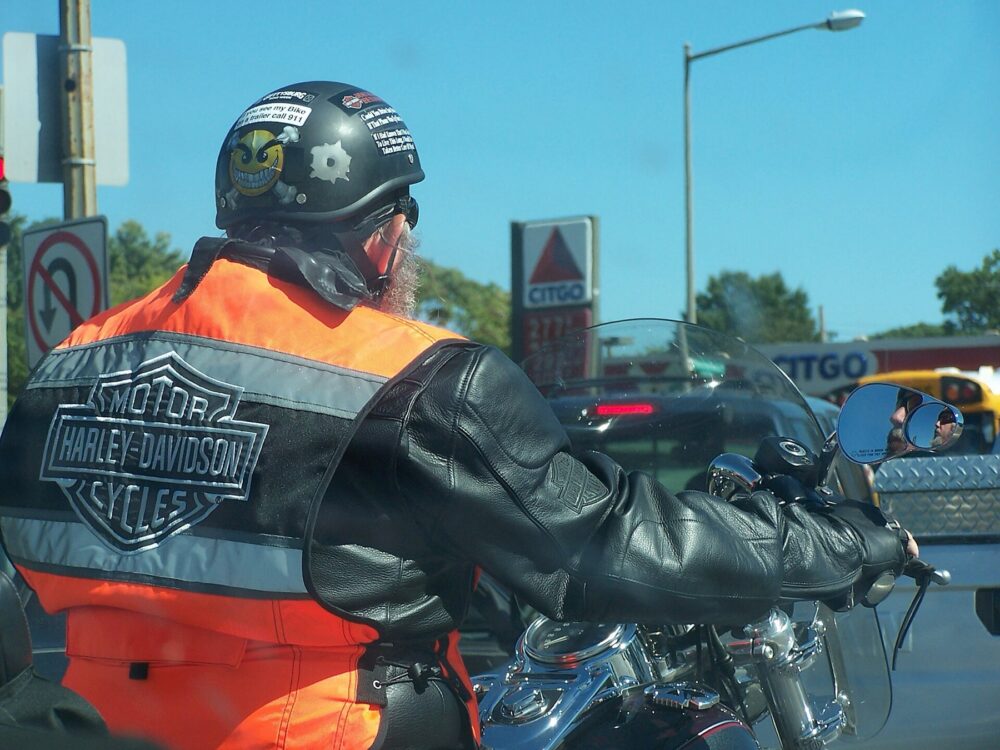
Harley-Davidson wholesale clothing today usually means bulk lots of branded or motorcycle-themed apparel aimed at resellers: think packs of vintage Harley tees and sweatshirts from European and US wholesalers, or liquidation-style t-shirt lots listed for dealers. True licensed, fresh-from-factory Harley wholesale is tightly controlled and hard for a small US shop to access. If your goal is the Harley aesthetic rather than official branding, a marketplace like DHgate can instead be a way to buy generic moto-themed shirts in small batches, but you should not expect licensed Harley gear there.
For most small US ecommerce businesses, the real decision is: do you want legally licensed Harley-Davidson logos, vintage Harley pieces, or just motorcycle-style designs that feel Harley-adjacent? Each path has different sourcing channels, risks, and margins.
Inside the Harley-Davidson Wholesale Clothing Market
If you search “Harley-Davidson wholesale clothing,” you’ll see very little factory-fresh, authorized stock. What’s commonly offered are:
- Vintage Harley-Davidson packs – assortments of used or deadstock tees, sweatshirts, and sometimes jackets sold by vintage wholesalers. For example, The Vintage Labels shows mixed Harley-branded clothing packs with defined per-piece wholesale pricing and a mix of graphics, colors, and sizes.
- Brand-specific vintage categories – sites like Vintage Wholesale Supply LTD group “Harley-Davidson shirts” and other items into wholesale categories, often emphasizing sweatshirts and T-shirts with classic prints.
- Bulk vintage bales – marketplaces such as Fleek offer heavy-weight bales of mixed Harley clothing. These are usually graded vintage, with a wide range of conditions and eras.
- Liquidation-style lots – platforms including WholesaleUp list Harley-branded t-shirt deals as bulk lots targeted at resellers. These are closer to surplus or liquidation than ongoing wholesale programs.
Fresh, licensed Harley-Davidson apparel is generally distributed through the brand’s own retail and dealership network and selected partners, not open wholesale marketplaces. That’s why small resellers mostly see vintage and liquidation options, and why the Harley niche behaves more like a collectibles market than a standard apparel wholesale category.
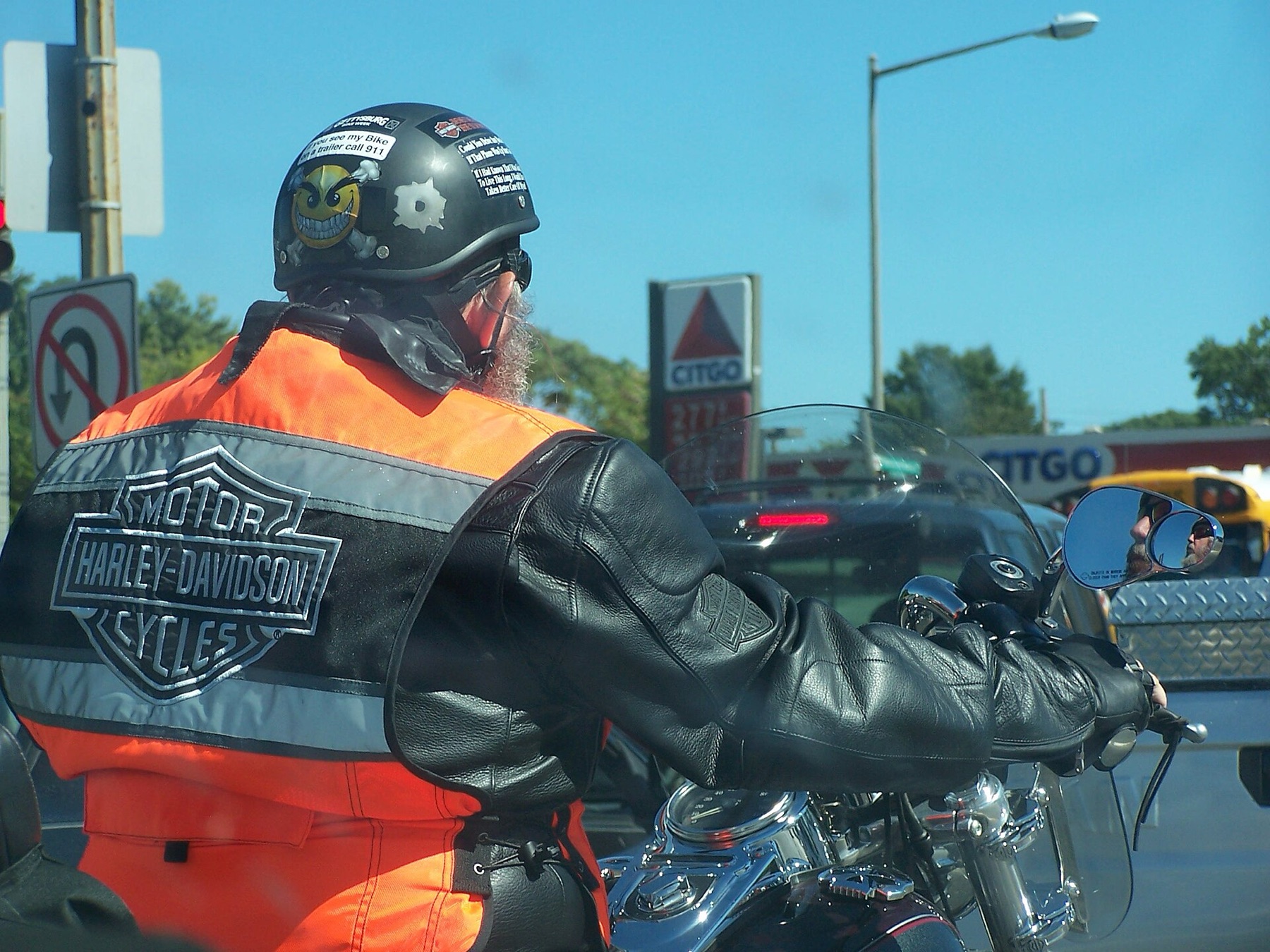
Typical products in these wholesale lots include:
- Graphic T-shirts (single- and double-sided prints, rally/event tees)
- Sweatshirts and hoodies
- Occasional woven shirts or jackets
- A mix of men’s and some unisex cuts, rarely well-balanced size runs
You’re buying assortment and story, not perfectly curated retail-ready SKUs.
Choosing and Vetting Harley-Branded & Vintage Clothing Suppliers
Because most accessible Harley wholesale is vintage or liquidation, your real job is picking suppliers who:
- Actually deliver Harley-branded garments
- Aren’t quietly mixing in off-brand or counterfeit pieces
- Offer grades and pricing that match your customer base
Know the supplier types
Use the site’s structure to understand what you’re getting:
- Vintage-only wholesalers (e.g., Vintage Wholesale Supply LTD) typically grade stock (premium, standard, etc.). Their Harley categories are usually 100% branded but still vary in condition.
- Vintage marketplaces such as The Vintage Labels showcase Harley packs as one of many brand bundles. Assortment and per-piece pricing are spelled out, which helps you estimate margin.
- Bulk marketplaces and liquidators like WholesaleUp. These are deal-driven: lots come and go, and condition may be closer to mixed surplus than handpicked vintage.
Each model has trade-offs: vintage specialists often cost more but deliver better curation; liquidators can be cheaper per piece but more inconsistent.
Signals of authenticity and quality
Because Harley graphics are highly copied, you need specific evidence:
- Listing photos and close-ups – look for real garment tags and neck labels in the product photos, not just front graphics.
- Pack description detail – The better vintage marketplaces describe that packs are “Harley-Davidson branded” with rough year ranges or style notes. Vague wording like “Harley-style moto tees” usually means unlicensed.
- Condition grading – Vintage suppliers that grade their Harley stock (e.g., “vintage grade A/B”) are at least thinking about resale value. Liquidation lots may just say “used” or “mixed condition,” which pushes you toward lower price points.
For first-time buys, favor suppliers that:
- Provide multiple photos of real sorted lots
- Specify that all (or a stated percentage of) pieces are Harley-Davidson branded
- Have clear grading language and per-piece pricing instead of only total bale price
Tactics: sampling and communication
Concrete moves to reduce risk:
- Ask for a small test pack – Even if the site advertises larger bales, message the supplier about a smaller Harley mix to check tags, print quality, and real condition. Some marketplaces facilitate this; some don’t, but asking clarifies how flexible the supplier is.
- Request tag and print photos from current stock – A short photo set of a few randomly pulled tees tells you more than any description.
- Clarify exclusions – E.g., “Are all items Harley-Davidson branded, or is there any generic motorcycle stock mixed in?” This matters if you advertise trademarked branding.
If a supplier won’t provide basic detail or pushes you to buy blind, treat that as a warning sign and keep your first order small or move on.
Pricing, MOQs, Logistics, and Where DHgate Fits in Moto Apparel
Once you know the supplier type, you need to decide whether the economics work for your shop and whether Harley branding is actually worth the complexity.
Typical MOQ and assortment realities
Vintage and liquidation channels rarely give you neat size runs. Expect:
- MOQs in the dozens of pieces for curated vintage packs, and larger bales (by weight) on marketplaces like Fleek.
- Mixed sizes and eras – from 1990s single-stitch tees to modern prints, with men’s sizes skewed toward medium–XL.
- Limited repeatability – If a particular graphic sells, you likely can’t re-order that same design; you’ll just buy another mixed lot.
Rough pricing structures and margin thinking
Sites such as The Vintage Labels show Harley packs with explicit per-piece pricing. WholesaleUp’s Harley t-shirt lots are positioned for resellers, indicating the expectation of markup. In practice:
- Vintage Harley pieces often justify higher resale prices because of brand and nostalgia.
- Liquidated contemporary tees may need to be priced closer to ordinary branded streetwear.
A simple landed cost check for a Harley vintage pack:
- Per-piece wholesale price – from the pack description.
- Shipping to the US – often a flat fee or weight-based from Europe/UK.
- Duties and fees – include customs broker or carrier fees if you’re importing a larger bale.
Divide total cost (product + shipping + duties) by number of sellable pieces (after you discard any damaged ones). That’s the number you compare against realistic resale prices in your channel (Depop, eBay, your Shopify store, or a local shop).
Short channel comparison: Harley-branded vs themed moto apparel
Here’s how the main sourcing routes differ conceptually for a small US seller:
| Channel type | What you get | MOQ feel | Repeatability |
|---|---|---|---|
| Vintage Harley wholesalers | Graded vintage Harley tees/hoodies | Dozens+ per pack | Low (unique pieces) |
| Liquidation Harley lots | Mixed-condition branded t-shirts | Medium to large | Medium (lot-based) |
| Generic moto-themed apparel | New, unlicensed motorcycle graphics | Small to medium | High (factory-made) |
If your brand relies on official Harley logos, you’re almost forced into vintage or surplus channels. If you just want “biker” aesthetics, generic moto apparel is simpler, more repeatable, and legally cleaner.
Where DHgate actually fits
DHgate describes itself in its own editorial content as a large niche-friendly wholesale marketplace for Chinese goods, with tens of millions of product listings and well over a million suppliers, including clothing, and highlights that small buyers can source clothing in relatively small batches at wholesale-like prices with lower MOQs than some traditional B2B sites (DHgate clothing overview). Its t-shirt–focused editorial piece also talks about hundreds of thousands of tee listings and wide style variety (DHgate t-shirt FAQ).
For Harley-style apparel, that means DHgate can be relevant only for generic motorcycle-themed clothing:
- Think skulls, bikes, flames, and “biker club”–style prints without using Harley-Davidson trademarks.
- You can often negotiate small batches and reorder successful designs consistently.
You should not treat DHgate as a source of licensed Harley-Davidson gear. If you see listings with Harley logos, treat them with extreme caution and consider whether buying or reselling them would infringe trademarks or mislead customers.
If you decide generic moto apparel is a better fit, you can use DHgate-focused guides on DHgateWiki to sharpen your supplier search and vetting, such as finding wholesale suppliers on DHgate, searching for DHgate suppliers, and choosing a DHgate wholesale supplier.
Scenario-based recommendations for small US sellers
To make this concrete, here’s how different businesses might decide:
- Vintage-heavy online shop (Depop, Etsy, IG drops) – Focus on curated vintage Harley packs from brand-focused wholesalers or marketplaces like Fleek. Take smaller, higher-grade packs first, tighten your photography, and accept that supply is non-repeatable.
- Discount-oriented flea market or swap-meet seller – Liquidation lots on platforms such as WholesaleUp can make sense if the per-piece cost is very low. Expect mixed condition and price your tees aggressively.
- New DTC streetwear brand inspired by motorcycle culture – Skip Harley-branded stock entirely. Commission or source generic moto graphics via factories listing on DHgate or similar platforms, with clear non-Harley branding. You get clean IP, consistent reorders, and more control over quality.
Harley-Davidson wholesale clothing is a tempting niche because of the brand’s pull, but the reality is fragmented: limited access to licensed wholesale, heavy reliance on vintage, and real counterfeit risk. Decide first whether you need the name or just the look, then choose a channel—vintage, liquidation, or generic moto apparel—that matches both your margins and your legal comfort zone.