
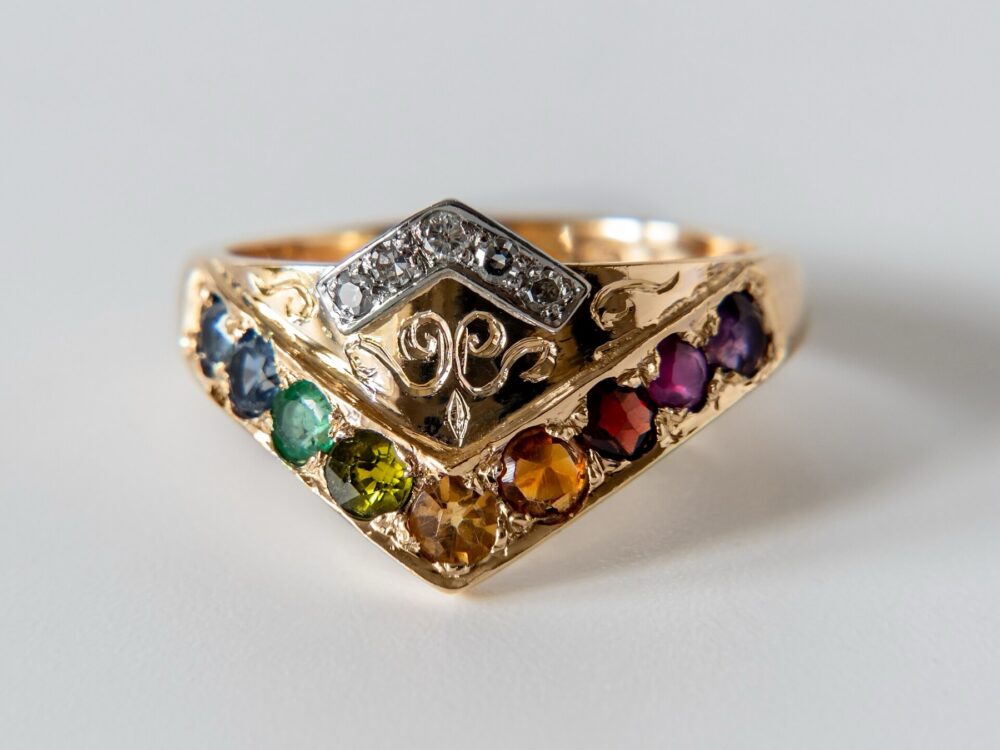
Wholesale gemstone rings and jewelry are viable products for a small US brand to import, but only if you treat sourcing as a disciplined process: define your quality level, vet suppliers, lock specs into a proper purchase order, and calculate your landed cost and reorder plan. DHgate works as a practical entry point because it functions as a large China-based B2B marketplace, listing tens of millions of products from hundreds of thousands of suppliers, including jewelry. But it’s not your only option—platforms like Alibaba and specialist gemstone wholesalers such as Ross Metals and IGMLA often make more sense for higher-end or tightly specified work.
The key decision is fit: if you want trend-driven, low-MOQ fashion gemstone rings, DHgate and similar marketplaces can be effective. If you need strict gemstone grading or branded fine jewelry, you’re usually better off with trade-focused wholesalers or domestic suppliers that specialize in gem quality and compliance.
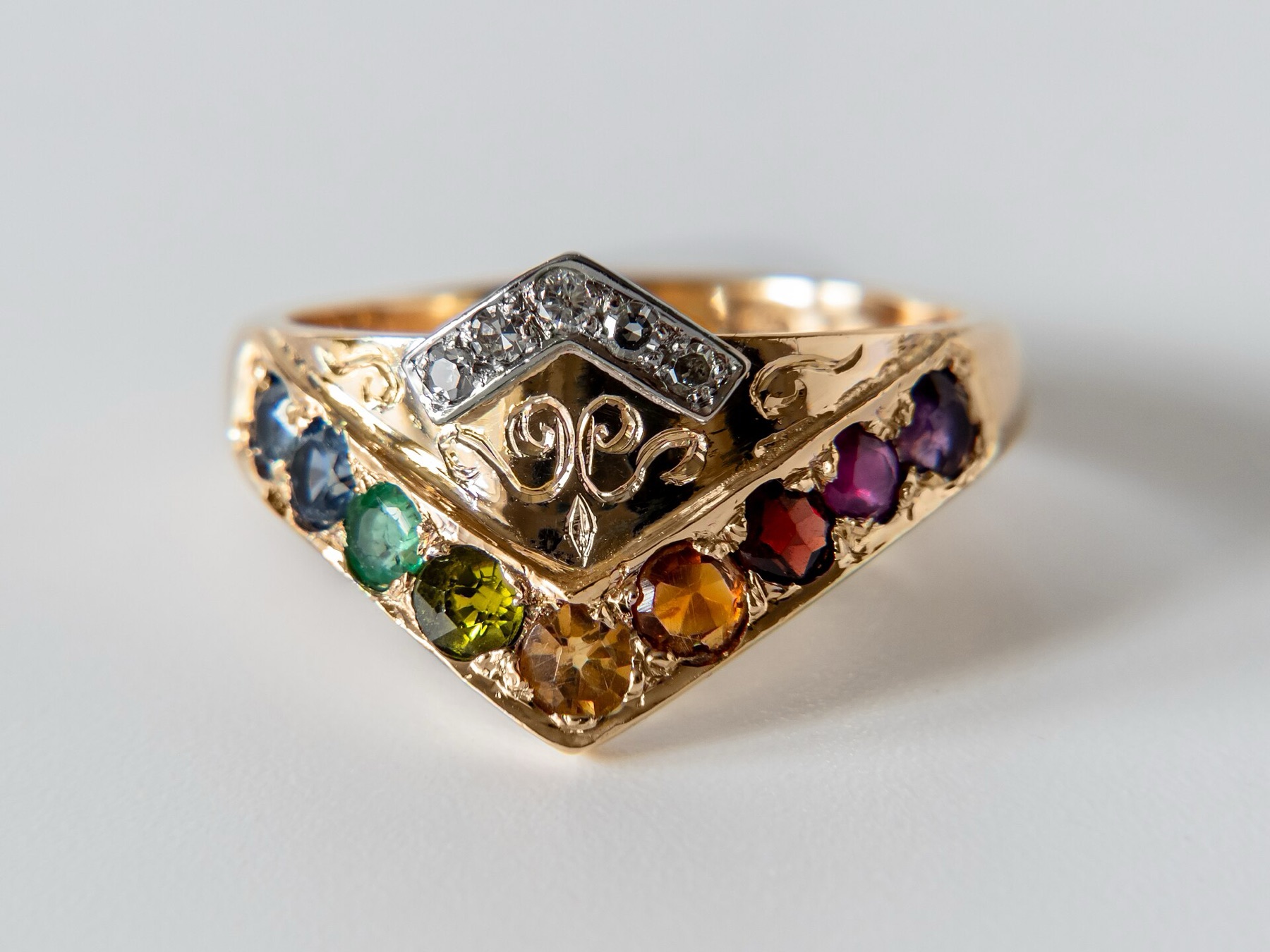
How Wholesale Gemstone Rings and Jewelry Sourcing Works Today
Most small US sellers touch the gemstone supply chain at the jewelry stage, but it helps to understand the upstream pieces so your specs and expectations are realistic.
Typical flow:
- Gem mining and cutting in hubs like India, Thailand, China, and Brazil.
- Stone trading and cutting houses: they sort, grade, cut, and sometimes certify stones.
- Jewelry factories: they buy stones and metals, design and produce rings, pendants, bracelets and sets at scale.
- Wholesalers and B2B marketplaces: they aggregate finished pieces or offer OEM/ODM production to retailers and e‑commerce brands.
For a small US business, the last two steps are where you’ll operate. You’ll either:
- Buy finished gemstone jewelry from a wholesaler or marketplace seller; or
- Commission semi-custom or custom designs with a manufacturer that also sources stones.
China-based marketplaces play a major role in that last step. DHgate describes itself on its blog as a leading B2B marketplace connecting China suppliers to global buyers, across categories including jewelry and fashion accessories. One blog article cites tens of millions of products and hundreds of thousands of suppliers, with jewelry listed among the major categories, which gives you an idea of how broad the assortment can be rather than a promise about any single listing.
By contrast, specialist wholesalers like Ross Metals and IGMLA focus specifically on gemstone jewelry for trade buyers. Ross Metals, for example, organizes bulk gemstone fine jewelry by stone type, size, and shape; IGMLA’s catalog includes dedicated sections for rings, gemstones, and related components. These companies sit closer to the traditional jewelry trade: narrower product focus, deeper detail on stones, and usually higher MOQs or prices that reflect that specialization.
Understanding where each channel sits in this chain helps you avoid mismatches—like expecting lab-grade gemstone certs from a fashion ring supplier on a broad marketplace, or expecting ultra-low MOQs from a trade-only gemstone house.
Evaluating Gemstone Jewelry Suppliers and Structuring Your First Order
The biggest avoidable risk in wholesale gemstone rings is vague communication. You need both a serious supplier vet and a tight purchase order (PO) tailored to jewelry.
How to vet a gemstone jewelry supplier
Make your checks specific to gemstones and metal, not just generic reviews:
- Match catalog to your niche. A supplier whose catalog is 90% non-jewelry and a few random rings is less likely to handle gemstone spec nuances than one who clearly focuses on jewelry or gemstones.
- Look for material detail. Serious suppliers describe metals (e.g., 925 silver vs alloy), plating type, and gemstone types (natural, synthetic, glass, crystal). On marketplaces, compare how detailed their descriptions are across multiple listings.
- Ask about stone sourcing and grading. For fashion-level rings, you might only need consistent color and cut, but you still want to know if stones are natural, synthetic, glass-filled, or just colored glass. Trade wholesalers such as Ross Metals and IGMLA organize products by stone size and shape, which shows the level of detail you should aim for in specs even if you buy elsewhere.
- Request real-life photos or short videos. Gemstone color and clarity vary; off-platform photos of bulk inventory or production samples often reveal more than polished catalog images.
- Check communication quality. DHgate’s own blog highlights buyer–seller communication tools and supplier reviews as features of the marketplace. Use them: ask detailed questions, gauge response times, and scan reviews for mentions of color mismatches, metal tarnishing, or loose stones.
If a supplier won’t answer basic questions about gemstone type, plating, or lead times, they’re a poor candidate for a first import.
Building a gemstone-specific purchase order
Tonglin Jewelry’s wholesale PO guide makes a simple but crucial point: a PO should be more than a product list—it’s the shared blueprint for what gets manufactured and shipped. Adapt those best practices to gemstone rings:
Your PO should at minimum include:
- Buyer and supplier information. Legal names, addresses, and contact details on both sides.
- PO number and date. So you can track the order and tie it to payments and shipments.
- SKU-level line items. Each design gets an SKU; each line should specify:
- Design reference or link to a drawing/photo.
- Ring sizes or a size curve.
- Metal type (e.g., brass, 925 silver, stainless steel) and plating (gold-tone, rhodium, etc.).
- Gemstone type (e.g., amethyst, lab-created opal, glass crystal) and any color variants.
- Setting style (prong, bezel, pave) if relevant.
- Quantity per SKU.
- Quality and finishing standards. For example: acceptable variation in stone color, minimum plating thickness, prong security, and whether stones must be hand-checked.
- Packaging and labeling. Individual polybags, carding, barcode labels, or branded boxes.
- Shipping terms and deadlines. Not platform policies, but what you and the supplier agree to: estimated production time, target ship date, and destination.
Treat this PO as a living document. Start with a small test order, note what went wrong (e.g., stone shade too dark, plating looks yellow), and adjust your next PO to reflect those learnings.
DHgate vs Other Channels for Gemstone Rings: MOQ, Pricing, and Logistics
Once you know how to vet a supplier and draft a PO, the next question is where to find those suppliers and what tradeoffs you’re making.
How DHgate positions itself for small-batch jewelry
DHgate’s blog describes the platform as an international B2B marketplace aimed at connecting China manufacturers with global buyers, with over 40 product categories and tens of millions of listed products. Editorial content from DHgate highlights several points that are relevant for small gemstone-jewelry buyers:
- Low or flexible MOQs. DHgate portrays itself as friendly to small businesses, noting that bulky orders can be discounted and that some suppliers allow very small starting quantities. In practice, MOQ is supplier-specific; treat the “low MOQ” idea as a sign that you can negotiate rather than as a promise.
- Bulk discount logic. Platform content promotes the idea that ordering more pieces often unlocks better per-unit pricing, which is typical in jewelry manufacturing.
- Multilingual support and communication tools. DHgate mentions multilingual sales support and active communication channels between buyers and sellers, plus supplier reviews. For you, that mainly means you can ask detailed gemstone questions and judge suppliers partly by how they respond and what previous buyers say.
On DHgate, you’ll mostly find fashion-oriented gemstone rings and jewelry: crystal rings, colored stones in plated settings, and trendy designs. That’s a good fit if your brand focuses on affordable fashion and impulse-buy price points.
Channel comparison: where each option tends to fit
Here’s a compact way to think about fit across channels:
| Channel type | Typical product focus | MOQ tendency (editorial judgment) | Best fit scenarios |
|---|---|---|---|
| DHgate-style B2B marketplace | Broad range, lots of fashion gemstone rings and mixed jewelry | Often low or negotiable, varies by supplier | Testing new designs, low-budget stores, online boutiques needing variety without huge commitment |
| Alibaba-style global B2B | Wide range, including factories for custom/fine jewelry | Often moderate to high, especially for custom work | Building a proprietary line, scaling volume, more control over design and materials |
| Specialist gemstone wholesalers (e.g., Ross Metals, IGMLA) | Gemstone-centric fine or semi-fine jewelry, components | Trade-oriented; MOQs and prices reflect stone quality | Jewelers and brands needing specific stone sizes, higher assurance on gem characteristics |
This table is editorial—not a guarantee of any individual supplier’s terms—but it reflects the patterns you’ll see when you start requesting quotes.
For small US e‑commerce brands:
- Starting out with fashion gemstone rings: DHgate or similar marketplaces can be attractive because of breadth and lower MOQs. Use DHgate’s reviews and messaging to screen suppliers, then lock down specs in your PO.
- Moving into semi-fine or fine gemstone jewelry: you’ll often find better control and consistency working with trade-focused wholesalers like Ross Metals or IGMLA. Their catalogs show stone sizes, shapes, and settings more clearly, making it easier to align with quality expectations.
- Scaling a custom line: Alibaba and direct factory relationships typically give you more leverage on design, metal, and stone sourcing, though you’ll face higher MOQs and more complex project management.
Don’t skip landed cost and reorder planning
Regardless of channel, you need a simple landed-cost and reorder plan before you commit:
- Landed cost: include unit price, packaging, freight, and import costs. Gemstone rings are small and light, but bulk orders can add up once you factor in shipping and duties.
- Reorder point: borrow the supply-chain basics—reorder when your on-hand stock will not cover expected demand during lead time plus a safety buffer. If your supplier quotes 30 days production plus transit, aim to reorder while you still have enough inventory to cover that window.
Cross-border gemstone jewelry can be a profitable category, but only if you align your quality level with the right channel and treat DHgate, Alibaba, and specialist wholesalers as distinct tools rather than interchangeable sources.
Before choosing a DHgate supplier, use Find wholesale suppliers on DHgate, Find DHgate suppliers, and Choose a DHgate wholesale supplier.
If you want more platform-specific tactics once you’ve chosen a channel, you can use internal sourcing guides on topics like finding wholesale suppliers on DHgate, searching for DHgate suppliers efficiently, and choosing the right DHgate wholesale supplier.