
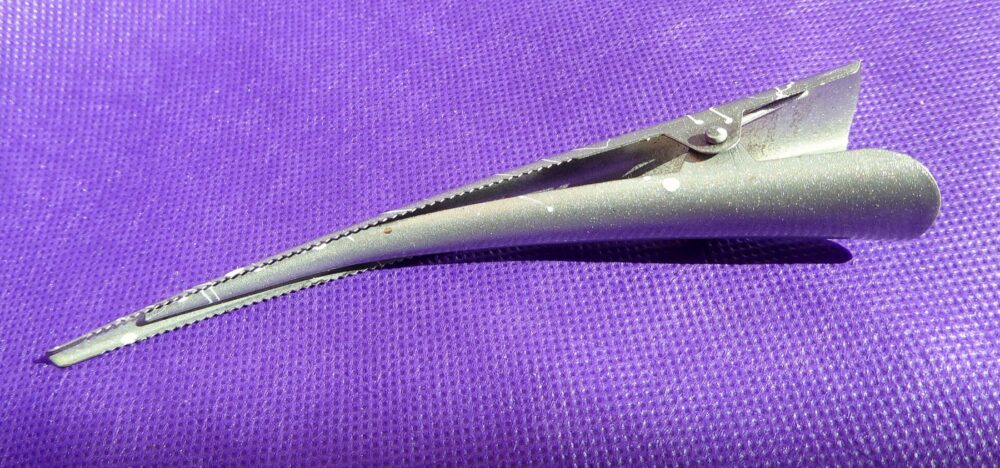
How Wholesale Hair Accessories and Clips Work for Small US Sellers
In wholesale terms, hair accessories and clips are small, lightweight fashion commodities. You’re buying cartons of hair claws, packs of barrettes, bags of scrunchies, or carded clip sets, then breaking them down into retail units. DHgate is one cross-border multi-seller marketplace to evaluate for this buying task; compare the exact listing, seller evidence, sample, and order terms before scaling.
US‑ and UK‑based wholesalers such as HACC Wholesale, Atelier Trim, CB Flowers & Crafts, and Inca UK show the range: generic metal clips for crafting, ready‑to‑retail bow barrettes, branded boutique lines, and seasonal trends. China‑based platforms like FashionTIY and TrendyWholesale offer similar categories with a heavier focus on fast fashion and broad variety.
Your margin usually comes from:
- Buying in bulk at a discount (true wholesale vs case‑packed retail).
- Value you add: branding, photography, sets, or pairing clips with other accessories.
- Channel choice: domestic suppliers often mean higher unit cost but lower freight and fewer headaches; cross‑border suppliers can lower unit cost but add time, duty, and quality risk.
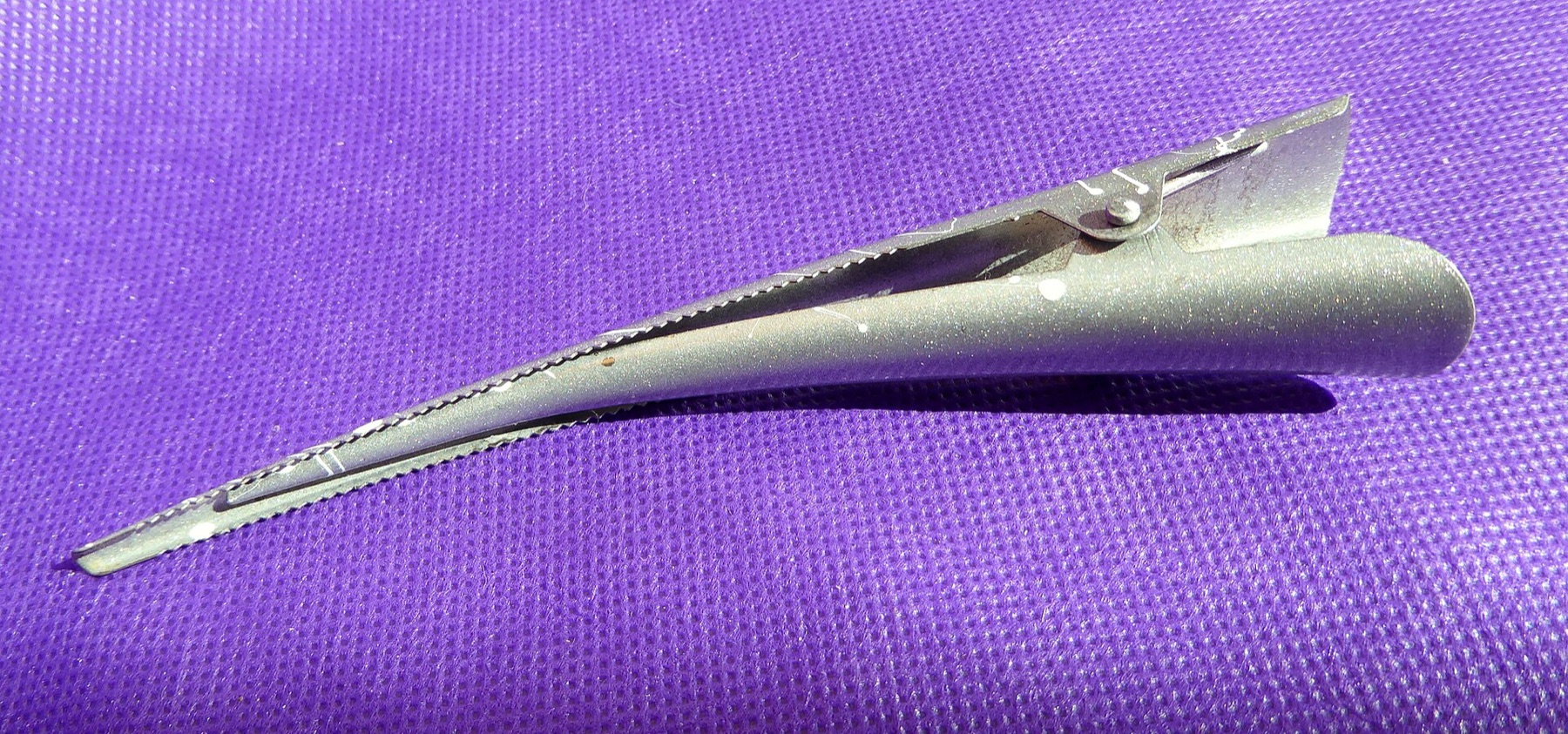
Finding and Vetting Hair Accessory Suppliers Across Channels
Instead of hunting for a single “best” source, treat suppliers by type, then vet them.
Examples of supplier channels
| Channel type | Concrete examples | Typical strengths | Typical weaknesses |
|---|---|---|---|
| US/UK fashion wholesalers | Fame Accessories, Atelier Trim | Trend‑ready, US‑friendly packs, easier communication | Higher unit cost, less ultra‑cheap fast fashion |
| Craft/blank clip wholesalers | HACC Wholesale, CB Flowers & Crafts | Great for DIY/branding, simple hardware | You must add labor/decoration |
| China digital wholesale | FashionTIY, TrendyWholesale, Cross-border multi-seller | Huge variety, access to factory‑adjacent suppliers | Longer lead times, more variance in quality |
Use those examples as starting points, then vet individual suppliers with specific questions:
- Product specialization: Does the supplier clearly focus on accessories or hair hardware? A site like FashionTIY has dedicated hair accessory categories; a DHgate seller might mix hair clips with bags, jewelry, and other small commodities.
- Catalog depth and consistency: Are there multiple colourways and styles using the same base hardware, or a random assortment? Consistent catalog design usually signals a real brand or factory relationship.
- Wholesale signals: Look for “wholesale” language, case‑pack descriptions, and bulk categories (all clearly present on Atelier Trim’s wholesale section and HACC’s bulk clip offers).
For marketplaces (including DHgate), zoom down to the listing level:
- Check photos for real‑world shots vs obvious mockups.
- Scan text for material details (e.g., acetate vs brittle plastic, metal spring type) and any mention of plating or coating.
- Look at how variants are organized: clear size/colour options indicate at least some catalog discipline.
A short first email or message can clarify fit:
Hi, we’re a small US accessories retailer and are interested in testing your [style name] hair clips. Can you confirm:
>
• Standard pack size and minimum order quantity
>
• Available colours/finishes
>
• Whether you offer samples or small test orders
>
• Typical production/handling time before shipment
> >
If it goes well, we’ll look at repeat bulk orders. Thank you.
Suppliers that answer these points clearly and quickly are generally easier to work with over time; vague or evasive responses are a red flag, especially for cross‑border orders.
MOQ, Pricing, Logistics and Where DHgate Fits in Your Sourcing Mix
China‑based platforms typically emphasize low unit prices and large assortments. FashionTIY and TrendyWholesale position themselves as wholesale platforms for international buyers, and DHgate is a broader B2B marketplace with millions of products and over a million suppliers, where minimum order requirements tend to be lower than some traditional wholesale platforms. That lower MOQ profile matters for testing:
- A US boutique trying a new claw clip trend might buy a few cases from a domestic wholesaler first to keep cash risk low and get stock quickly.
- An Amazon/Etsy seller chasing high‑volume clips or claws might use DHgate or FashionTIY to test multiple factories via small orders, then scale with the best‑performing style.
Think about your order in three cost layers:
- Unit price: What you pay per clip or per set.
Cross‑border sourcing also carries specific risks:
- Communication gaps over materials and finishes can lead to brittle clips or weak springs.
Using DHgate in this context works best if you:
Before choosing a DHgate supplier, use Find wholesale suppliers on DHgate, Find DHgate suppliers, and Choose a DHgate wholesale supplier.
- Treat each seller as a separate business: verify catalog, ask questions, and start with samples or very small MOQs.
- Reserve it for styles where variety and price matter more than instant replenishment.