
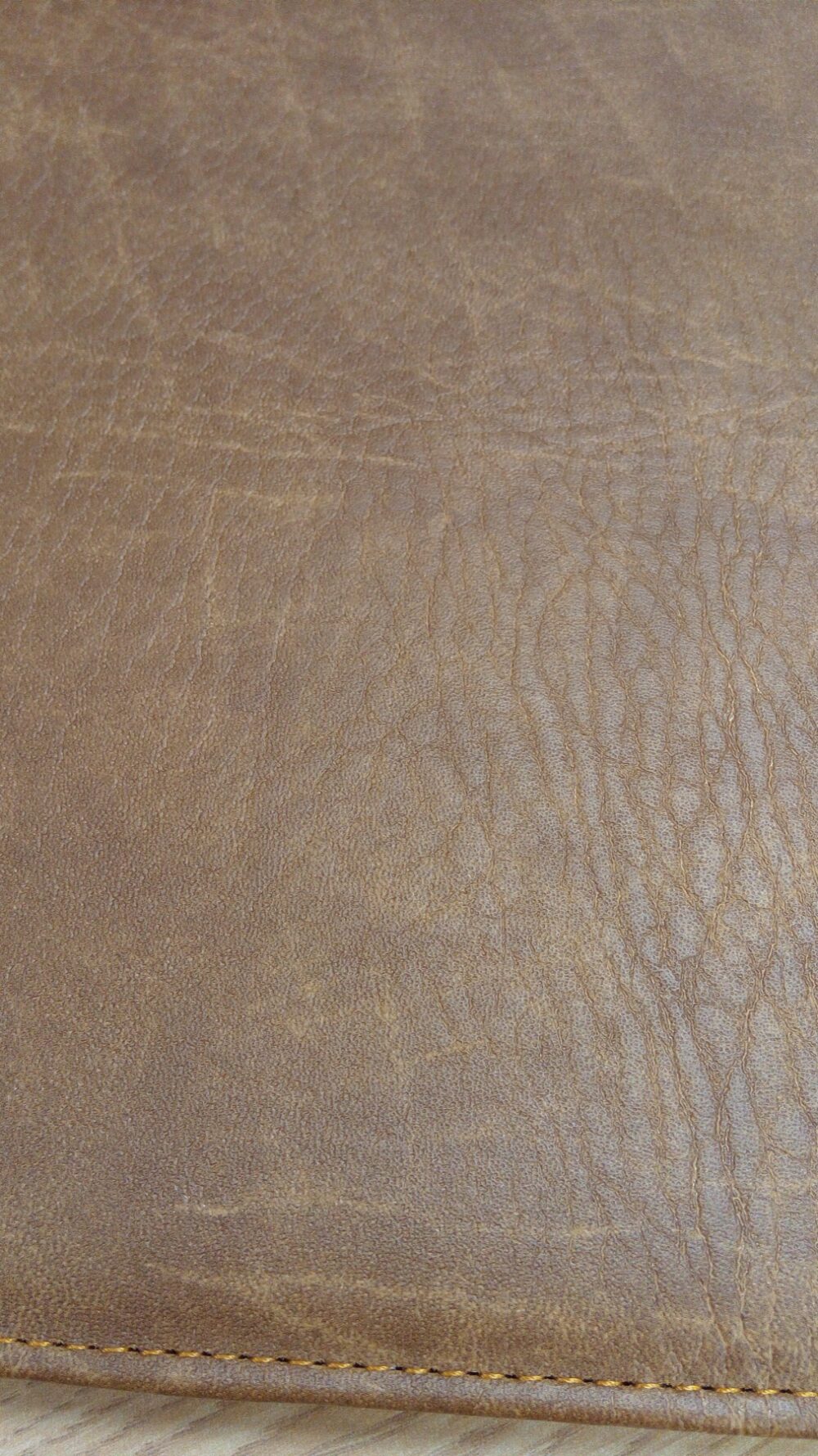
Synthetic leather and faux leather wholesale is usually handled by fabric and plastics suppliers or Asian marketplaces that sell rolls and sheets, not by finished‑goods factories. As a small US brand you’ll define your material specs (PU vs PVC, thickness, backing, finish), get samples from a few suppliers, then compare total landed cost and reliability across channels such as US wholesalers, DHgate, Alibaba, and Made‑in‑China. DHgate, described in its blog as a China‑based B2B cross‑border marketplace launched in 2004, is one option when you want Chinese pricing with relatively low minimum order quantities (MOQs) without committing to full container loads.
How Synthetic and Faux Leather Wholesale Works for Small US Brands
Synthetic leather (often called faux leather) is a man‑made material designed to mimic genuine leather. Sources like leather‑wholesale.com describe it as typically polyurethane (PU) or polyvinyl chloride (PVC) coated onto a fabric backing, creating a sheet or roll you can cut and sew much like leather.
In wholesale, you’re not buying “a leather bag” — you’re buying:
- Full rolls (often 20-30 yards) or bolts of PU/PVC leather for bags and upholstery.
- Narrower rolls or sheets suitable for footwear uppers or small accessories.
- Specialty grains and embosses (croc, pebble, automotive vinyl) targeted at specific industries.
US‑based companies like Adams Plastics, Rex Fabrics, Vinyl‑Fabric.com and Faux Leather Sales sell imitation/synthetic leather by the roll to commercial buyers. These are typical domestic sources if you want shorter lead times and easier communication.
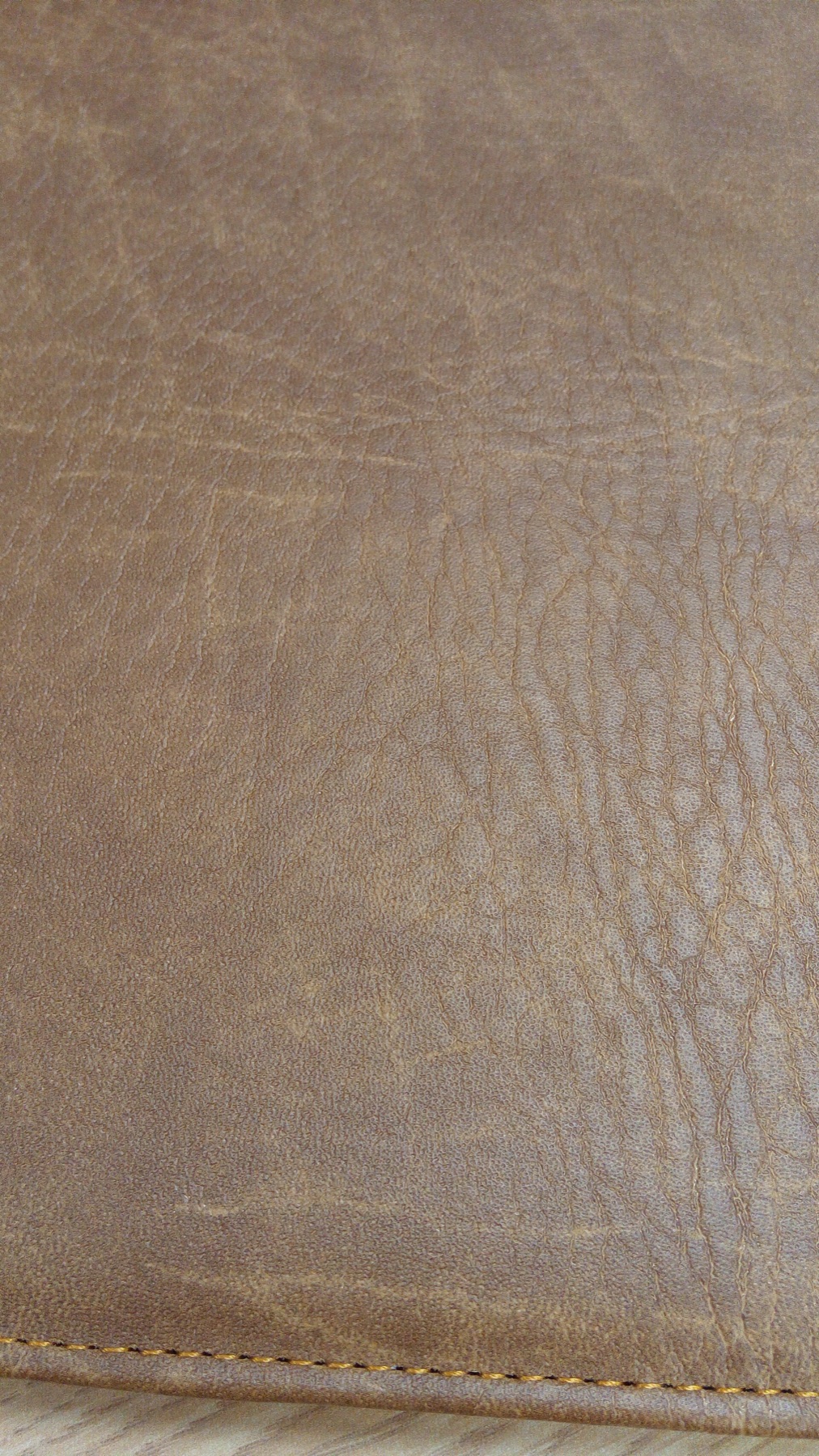
China is a major producing region for synthetic leather. Platforms like Made‑in‑China’s artificial leather category list many manufacturers offering PU and PVC leather for export. DHgate’s own blog positions its marketplace as connecting global buyers with Chinese suppliers at wholesale prices, often in smaller MOQs than some traditional wholesale platforms.
For a small US ecommerce brand, your job is to bridge that supply chain: translate your product idea into material language the mill understands, then choose a channel (domestic vs cross‑border marketplace vs direct factory) that matches your scale.
Choosing and Vetting Synthetic Leather Suppliers Across Channels
Synthetic leather is a very spec‑driven material. A supplier that’s fine for costume fabric may not be acceptable for handbags or footwear. Treat vetting as a combination of specs, samples, and evidence.
1. Nail your spec before you contact anyone
For most bag, accessory, or upholstery projects, you’ll want to define:
- Polymer & construction: PU vs PVC, or microfiber PU if you’re going more premium.
- Thickness & weight: e.g., around 0.8-1.2 mm for handbags, thicker for upholstery. Use millimeters, not “medium thickness.”
- Backing: woven vs non‑woven; soft brushed backing for bags vs stiffer backing for belts.
- Finish: matte vs glossy; smooth vs pebble vs croc emboss; color and any required grain direction.
- Use case: tell the supplier this is for “women’s totes” or “restaurant booths” — it changes what they recommend.
Having a spec lets you filter DHgate listings, Alibaba suppliers, or US wholesalers quickly instead of buying random “PU leather” that doesn’t handle the way you expect.
2. What to look for in a supplier listing or profile
On DHgate and other marketplaces, you don’t have the benefit of visiting the mill. Look for concrete signals tied to synthetic leather:
- Clear material descriptions: PU or PVC called out, thickness in mm, width in inches/cm, backing type. Vague “faux leather material” with no numbers is a red flag.
- Application photos: bags, shoes, car seats, furniture made from the material. They help you judge drape and sheen.
- Roll length or pack size: US wholesalers often state rolls like “20‑yard” or “30‑yard”; online marketplace sellers should at least specify yardage per unit.
- Repeatability: wording like “regular stock” or “ongoing production” matters if you need reorders.
On US sites such as Adams Plastics or Faux Leather Sales you’ll generally see industry‑oriented descriptions (“imitation leather” lines for seating, bags, marine use) and roll pricing. On a marketplace, you may need to message the seller to get the same clarity.
3. Sampling and quality checks
Before any bulk order:
- Ask for swatch cards or small cuts from each candidate supplier. This is standard for fabric wholesalers and mills; DHgate and Alibaba sellers can often provide paid samples.
- Test how the material behaves: crease it, fold it, sew it on your usual machines, wipe it with a damp cloth. Keep notes by supplier.
- Check color consistency under different light (daylight vs indoor) and compare multiple pieces from the same supplier for variation.
If a supplier won’t send samples or can’t match your basic spec, treat that as a major warning sign — especially cross‑border, where returns are costly.
4. Communication and documentation
For synthetic leather, you want everything about the material in writing before you pay:
- Confirm spec sheet (PU/PVC, thickness, width, backing, finish, color code) in your chat or email.
- Clarify MOQ per color and per pattern — many mills have higher MOQs for custom embosses.
- For DHgate or other marketplaces, save screenshots of the listing details you’re relying on. Listings can change.
This extra friction is worth it; one mis‑specified roll can make an entire production run unsellable.
Comparing DHgate with US Wholesalers and Other Marketplaces
Here’s how the main channels usually stack up for synthetic/faux leather, based on supplier sites and DHgate’s own editorial descriptions:
| Channel / Platform | Typical Buyer Fit (Editorial View) | MOQ & Flexibility (Heuristic) | Product Breadth for Synthetic/Faux Leather (Editorial View) |
|---|---|---|---|
| US fabric/plastics wholesalers (Adams Plastics, Rex Fabrics, Vinyl-Fabric.com, Faux Leather Sales) | Small brands needing reliable rolls and faster delivery inside the US | Often sold by the roll; MOQs in rolls, but accessible for small shops | Good range of PU/PVC leather for upholstery, bags, apparel; more limited on ultra‑low prices or niche embosses from China |
| DHgate | Global buyers wanting Chinese‑made goods in smaller wholesale quantities | DHgate’s blog says MOQs tend to be lower than some sites like Global Sources or Alibaba | Very broad overall catalog; synthetic leather appears as part of wider fabric goods from many suppliers |
| Alibaba | Brands and importers ready for factory‑level engagement and larger runs | Often higher MOQs per color; geared to bulk and custom orders | Wide synthetic leather coverage from mills, including custom specs and OEM projects |
| Made‑in‑China | Buyers sourcing directly from manufacturers and trading companies | Usually bulk‑oriented; MOQs vary by manufacturer and project | Strong concentration of synthetic/artificial leather manufacturers, especially for export |
This table is editorial judgment based on how these channels position themselves and the type of listings visible on platforms like Made‑in‑China’s artificial leather page. DHgate’s lower‑MOQ positioning is taken from its own blog; real MOQs for synthetic leather listings will still vary by seller.
If you:
- Need 1-3 rolls quickly for a new bag line and can live with standard colors, a US wholesaler may be your least risky start.
- Plan 500+ units per style with tight specs and long‑term repeat orders, talking to mills via Alibaba or Made‑in‑China and eventually moving to direct relationships is usually more sustainable.
Mini Scenario: Sourcing PU Leather Rolls for a Bag Brand
Say you’re a US‑based ecommerce brand launching a small line of PU tote bags and crossbody bags.
- Define your spec
You decide you want PU leather around 1.0 mm thick, matte finish, smooth grain, with a soft backing suitable for bags. You pick three colors: black, tan, olive.
- Shortlist channels
You identify one domestic option (e.g., a tan and black PU from Rex Fabrics’ PU leather collection), one roll‑seller like Faux Leather Sales, then plan to compare that against a few DHgate and Alibaba sellers offering similar specs.
- Request samples
From US wholesalers, you order swatches or 1‑yard cuts of each color. On DHgate and Alibaba, you contact sellers with listings that show PU, thickness around 1.0 mm, and bag applications, asking for small paid samples of each color.
- Test and score
You sew sample bags from each material, rate sewing behavior, feel, crease marks, and visual look. You also note quoted MOQs: the US suppliers might sell rolls that cover your first 100-200 bags per color; marketplace suppliers may offer lower‑priced material but require you to accept longer shipping and more variation between lots.
- Compare landed cost and risk
For each candidate, you add up: material cost per bag, estimated freight into your US location, and your confidence in reordering the same material in six months. You might find that DHgate sellers offer lower per‑yard pricing but your first PO needs more cushion for quality variation, while US wholesalers cost more but reduce risk and speed up initial production.
In many cases, brands start domestically to validate designs, then layer in DHgate or Chinese factory sourcing once they know exactly what spec and volumes work.
If you decide DHgate is worth exploring for synthetic leather, you’ll still need to do the legwork of searching and verifying individual suppliers. Our guides on finding wholesale suppliers on DHgate, finding DHgate suppliers effectively, and choosing a DHgate wholesale supplier walk through the marketplace‑specific steps for screening sellers, requesting samples, and planning repeat orders.