
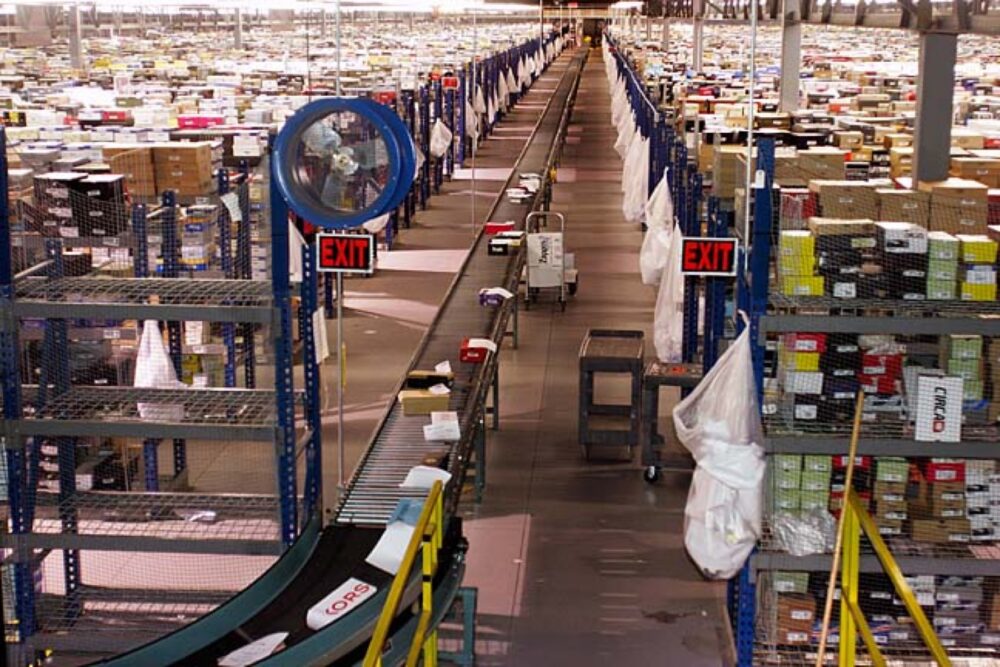
What Zappos Wholesale and Pallets Actually Are
Zappos is a consumer-focused retailer and brand partner. Its public resources emphasize retail sales and vendor programs like “Powered by Zappos,” where brands sell through Zappos while Zappos handles returns and customer service.Powered by Zappos and vendor resources explain this retail/vendor focus; they do not describe a direct pallet marketplace for small resellers. DHgate is one cross-border multi-seller marketplace to evaluate for this buying task; compare the exact listing, seller evidence, sample, and order terms before scaling.
The “Zappos pallets” you see advertised online are built and sold by separate closeout and liquidation firms. These companies typically purchase truckloads of Zappos merchandise—often shoes—and break them into smaller reseller-friendly lots and pallets. One example from closeout dealer Closeout Explosion describes Zappos liquidation pallets as assorted brand-name footwear across styles, colors, sizes, and conditions.
You’ll often see offers like a fixed-count lot of 100 pairs of Zappos shelf-pull shoes in original boxes, marketed to discount footwear stores.This example lot is presented as assorted brands and styles; the advertised per-pair price is just one seller’s historic marketing figure, not a universal benchmark. Other liquidators—such as those listing Zappos shoe pallets on Liquidation4Sale’s shoe category or regional pallet outlets—market similar mixed assortments aimed at bin stores, flea market sellers, and discount chains.
Typical characteristics of these Zappos-related pallets:
- Assorted brands: Often mid- to higher-tier labels Zappos carries, but not guaranteed in any specific ratio.
- Mixed sizes: A full size run across men’s, women’s, and kids’ shoes, with no control over size distribution.
- Conditions: Customer returns, shelf pulls (unworn but handled), and sometimes damaged or single shoes.
- Packaging: Many pairs in original branded boxes; some loose or reboxed, depending on how the liquidator processes inventory.
You’re buying Zappos-origin merchandise through a third party, not buying from Zappos.
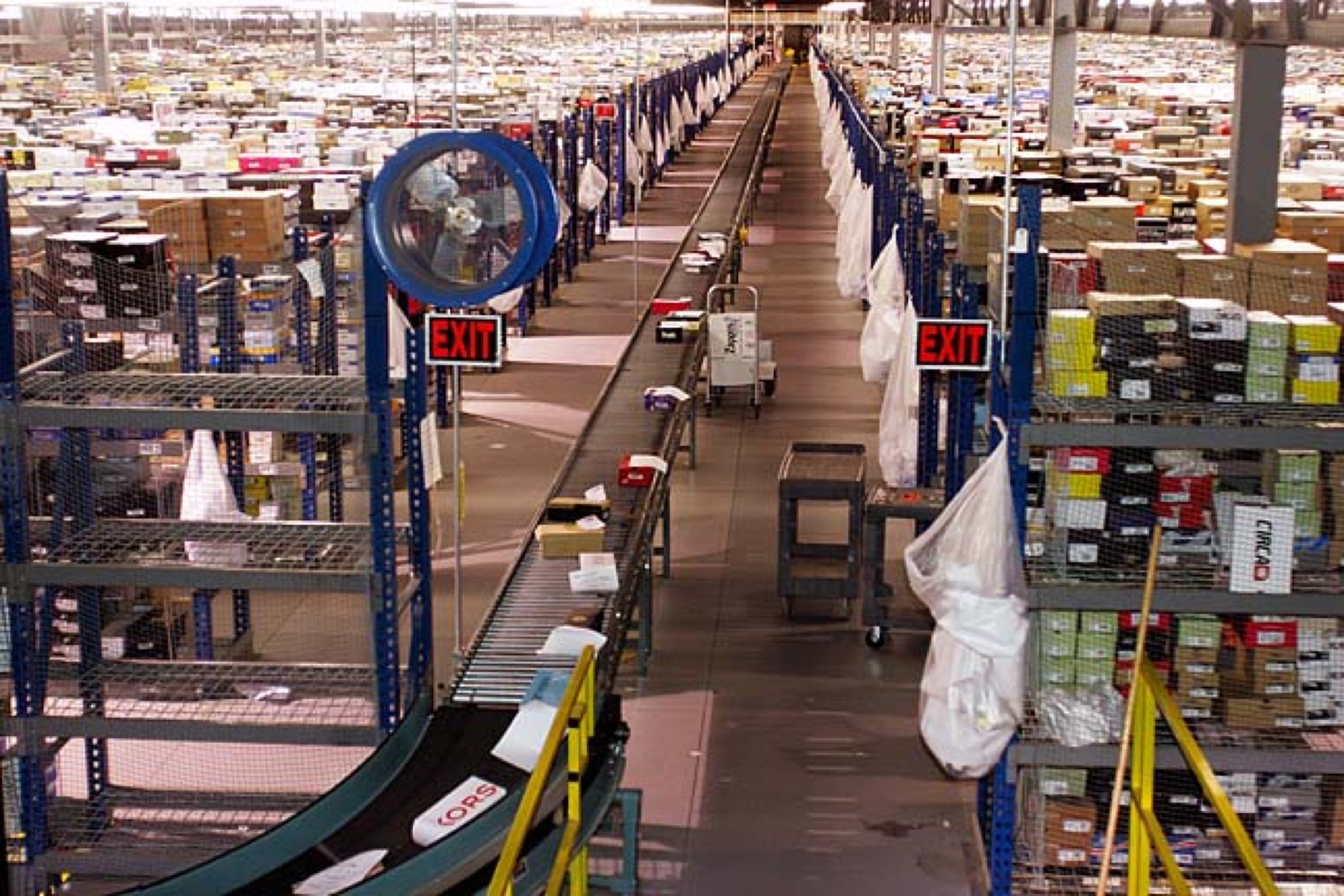
How to Evaluate Zappos Pallet Suppliers, Pricing, and Landed Cost
Because these pallets are built by independent liquidators, your real risk and margin depend far more on which supplier you use than on the Zappos name stamped on the boxes.
1. Scrutinize the supplier, not just the pallet label
Look for liquidators that:
- Clearly explain where their Zappos merchandise comes from (truckload buys, long-term contracts, etc.).
- Have consistent operations (warehouse address, business details, and repeat customers) rather than anonymous social accounts.
- Show sample photos of actual pallets or lots, not just stock images.
Some companies, like Closeout Explosion’s Zappos-focused pages, emphasize repeat business with discount footwear resellers and give at least high-level detail on what’s in their lots. Treat that kind of transparency as a baseline.
2. Demand a usable manifest and grading language
For shoe pallets, the manifest is your main tool. At minimum, you want to see:
- Total pairs and whether singles are included.
- Brand mix (even if approximate: % athletic, % dress, etc.).
- Condition breakdown: e.g., X% shelf pulls, Y% returns, any “salvage” category.
- Any known defects categories (worn soles, missing insoles, damaged boxes).
Liquidation grading terms vary. Ask the seller to spell out, in writing, what their grades mean for footwear. For example:
- Shelf pulls: Unworn store inventory, often in original boxes, with minor handling wear.
- Customer returns: Tried on, possibly worn outside; may show creasing, dirt, or minor damage.
- Salvage: Heavily worn or damaged pairs, often best suited for parts or deep discount bins.
High-quality shoe-focused liquidators usually can provide at least a partial manifest and clear grading language. If the answer to “How many salvage or damaged pairs should I expect?” is vague, treat that as a risk.
3. Do simple per-pair math before you buy
You don’t need advanced analytics to see whether a pallet pencils out. Use straightforward math:
- Start with the pallet price: Suppose a pallet is advertised with 300 pairs.
- Add freight and fees: Include shipping to you, any pallet-breaking fees, and a realistic unloading/processing cost.
- Total cost ÷ expected sellable pairs = effective per-pair cost.
The key is step 3: not every pair is truly sellable.
If a pallet advertises 300 pairs, but based on the manifest and grading you expect 15-20% to be unsellable or only $1 bin-store items, your usable inventory might be closer to 240-255 pairs. Build scenarios:
- Best case: 260 sellable pairs → total cost / 260.
- Conservative case: 220 sellable pairs → total cost / 220.
Then compare those per-pair figures to what you realistically charge in your channels (eBay, flea market booth, bin store, local shop).
4. Match pallet type to your resale channel
Pallets that are mostly shelf pulls in boxes, like the 100-pair Zappos shelf-pull lot example, tend to work better for:
- Brick-and-mortar discount shoe stores trying to preserve brand image.
- Online resellers who need clean photos and intact boxes.
Pallets with a high share of returns or salvage work better for:
- Bin stores that thrive on surprise and low price points.
- Flea-market sellers who can blow out odd sizes and slightly flawed pairs.
If your audience expects pristine condition, Zappos liquidation pallets are a tougher fit unless the manifest and grading are very tight.
Comparing Zappos Pallets to DHgate and Other Footwear Sourcing Channels
Liquidation pallets are just one way to source shoes. You can also buy new footwear from wholesale-oriented marketplaces like DHgate, or work with other liquidation and closeout channels that don’t focus on Zappos specifically.
DHgate’s own editorial blog describes the platform as a China-based B2B marketplace connecting global buyers with suppliers, including shoes, with low or sometimes no platform-level minimum order quantity and tiered bulk discounts.One overview of wholesale sites frames DHgate as suitable for bulk buying, where many suppliers offer better pricing at higher volumes. That’s a very different model from a mixed-condition pallet.
Here’s a grounded comparison of sourcing paths:
| Sourcing route | Typical product condition | Control over styles/sizes | Pricing structure | Repeatability of supply |
|---|---|---|---|---|
| Zappos liquidation pallets (via liquidators) | Mixed: shelf pulls, returns, sometimes salvage; Zappos-origin brands | Low. Assorted brands and sizes with limited control; you accept the mix described in the manifest | Pallet or lot price; effective per-pair cost depends on how many pairs are truly sellable | Medium. You can buy similar pallets from the same liquidator, but mix will vary with Zappos’ returns/overstock |
| DHgate (new shoes from China-based suppliers) | New factory or wholesale stock; often unbranded or Chinese brands | High on your chosen model and size run; low or none for Western legacy brands | Per-item pricing with volume discounts; many listings allow small test orders before scaling | High. You can reorder the same models from the same supplier if they keep producing them |
| Other liquidation pallets (non-Zappos) | Similar mixed-condition inventory from various retailers (shoes or general merchandise) | Very low; manifests may be broader across categories | Pallet pricing; often cheaper per piece but more non-footwear items in the mix | Variable. Depends on retailer source and liquidator’s contracts |
In practice, many resellers use both:
- Zappos pallets or similar liquidation for branded “treasure hunt” inventory.
- DHgate or other wholesale marketplaces for stable, always-in-stock sellers (generic sneakers, fashion boots, kids’ shoes).
If your business lives on consistent catalog listings and customer reorders (for example, Amazon or Shopify brands), pallets are rarely a core sourcing strategy; they’re more like opportunistic margin boosters.
A Quick Buyer Checklist Tailored to Zappos Shoe Pallets
Use this short checklist before you wire money for a Zappos-branded pallet:
- Supplier reality check
- Physical address, business name, and contact details match across their site and any listings.
- They can describe how they obtain Zappos inventory (e.g., truckloads, contracts) in plain language.
- Manifest quality
- There’s a written count of total pairs and clear categories for shelf pulls, returns, and salvage.
- Brands and categories are at least loosely broken out (athletic vs. dress, men vs. women vs. kids).
- Condition expectations
- You have a realistic percentage of pairs you expect to be unsellable or deep-discount only.
- The pallet type matches your audience’s tolerance for cosmetic flaws.
- Cost and margin math
- You’ve calculated effective per-pair cost using conservative assumptions.
- You’ve compared that cost against your actual average selling prices in your channel.
- Channel strategy fit
- You know whether this pallet is feeding a bin table, a discount rack, or an online catalog.
- For ongoing stock, you have a parallel plan for new shoes via wholesale marketplaces or direct suppliers.
If you decide that ongoing, repeatable sourcing of new shoes is more critical than opportunistic pallets, it may be worth exploring structured marketplace sourcing. For detailed help on evaluating those suppliers, see DHgateWiki’s guides on finding wholesale suppliers on DHgate, searching for DHgate footwear suppliers, and choosing a DHgate wholesale supplier.