
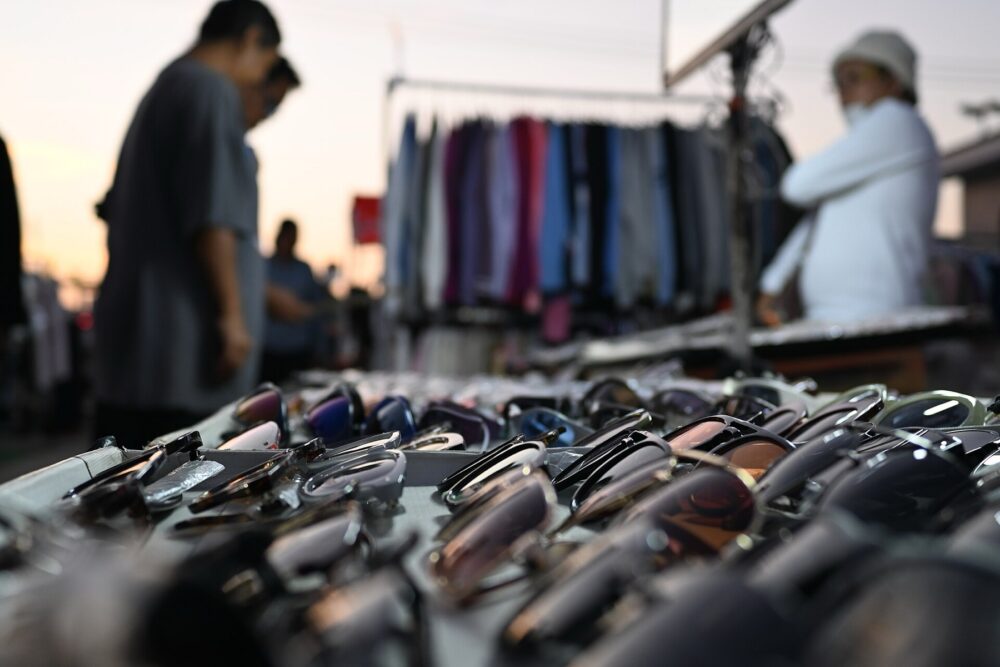
Buying sunglasses in bulk can be very profitable for a US reseller, but only if you treat it like a sourcing project, not a gamble on cheap frames. The wholesale and bulk sunglasses market is built around factories (often in China) selling large runs to distributors and marketplaces at discounted prices, then those units being resold to retailers, event vendors, and online shops. Your margin depends on where you plug into that chain: direct factory, specialist US wholesaler, or a cross‑border marketplace like DHgate, Alibaba, or similar.
For small ecommerce businesses, DHgate is relevant because it’s a large China‑based B2B marketplace with millions of products and many fashion‑accessory suppliers, including a wide range of sunglasses SKUs and bulk‑friendly pricing. But it’s one route among several. Below, we’ll map the market, then show how to vet suppliers and decide whether DHgate, a US wholesaler, or another channel fits your current stage.
How the Wholesale and Bulk Sunglasses Market Works for US Resellers
Wholesale sunglasses are typically sold in lots (dozens to hundreds of pairs) at a per‑unit discount. Industry guides like Mass Vision’s bulk sunglasses overview describe a market with wide variety: fashion styles, sport and driving glasses, kids’ sizes, polarized lenses, and different UV protection levels.
The rough supply chain looks like this:
- Factories and OEM producers – Often based in China and other Asian regions, producing frames and lenses at scale. Some can customize (OEM) logos or packaging for brands.
- Distributors/wholesalers – Bulk buyers (US and international) that import containers, then resell in smaller lots to retailers. Examples include US‑based players like California Sunglasses and OE Sunglasses.
- Marketplaces – Platforms such as DHgate and Alibaba, where factories and trading companies list sunglasses directly for global buyers.
- Retail & resale – Convenience stores, beach kiosks, festival vendors, Amazon/eBay sellers, DTC brands.
Within this chain are quality and price tiers:
- Budget fashion – Trend‑driven styles with basic UV specs, often sold in mixed assortments for flea markets, gas stations, and discount shops.
- Mid‑range sport/utility – Better lenses (polarized options, clearer optics), more consistent UV labeling, suited for outdoor or driving niches.
- Brandable/OEM frames – Plain designs you can logo‑print or white‑label to build your own brand.
Your first job is to decide where your customers sit: impulse buyers wanting cheap variety, or more demanding buyers who care about UV claims, polarization, and durability. That target dictates which tier – and which channel – makes sense.
Quick lens & UV spec callout
When you review wholesale listings, pay attention to:
- UV rating language – Phrases like “UV400” are common, but not always lab‑verified. Treat them as claims to question, not proof.
- Polarized vs non‑polarized – Polarized lenses help with glare and are a selling point; they usually cost more in bulk.
- Frame material – (e.g., plastic, metal, TR90). This affects durability and comfort, and often tracks to price tier.
These specs should appear clearly in bulk listings. If they’re missing or vague, that’s a data point about the supplier.
Choosing and Vetting Sunglasses Suppliers Across Borders
Evaluating suppliers for sunglasses is partly about eyewear quality and partly about how reliably they can repeat the same product over time. That’s especially important if you’re importing.
On any channel (US wholesaler, DHgate, Alibaba, trade show), look for:
- Depth of catalog in your niche – A supplier with dozens of models across one style category (e.g., fashion cat‑eye, sport wraparound) is usually more specialized than a general trader listing a handful of random frames.
- Coherent specs across listings – Consistent UV description, lens material, and sizing suggests real product data rather than copy‑pasted marketing.
- Evidence of repeat buyers – In marketplaces, ratings and reviews help here. For offline wholesalers, look for case studies, long operating history, or retailer references.
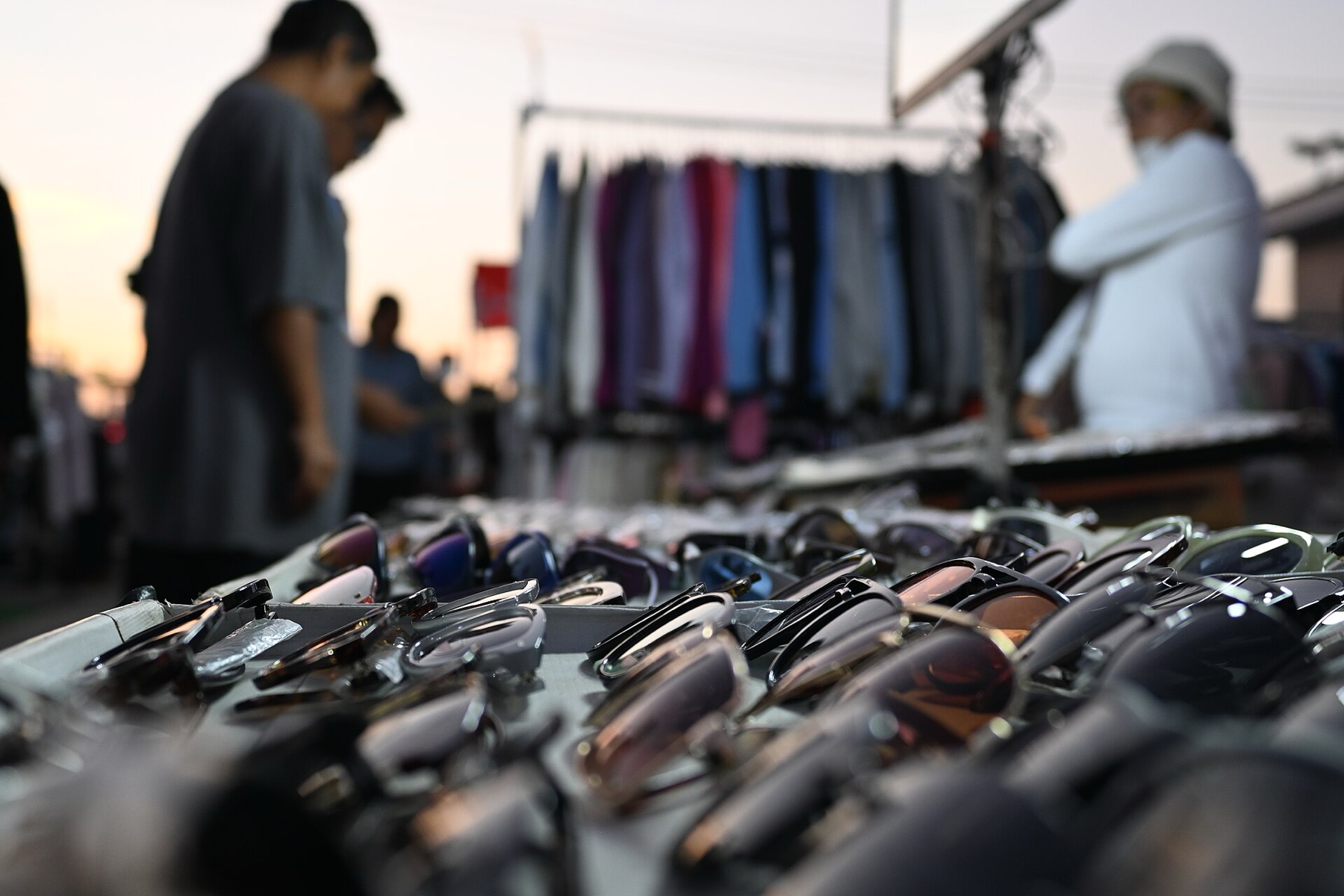
Cross‑border marketplaces add extra steps. DHgate’s own editorial guidance for bulk buying emphasizes using search filters, checking seller ratings and reviews, requesting samples, and negotiating tiered pricing before committing to a large order. That’s solid advice across platforms, but you still have to do the work listing by listing.
For any marketplace sunglasses supplier, make your vetting process concrete:
- Ask for real photos and spec sheets – Request close‑ups of hinges, nose pads, lens color, and any branding, plus a simple spec list (material, UV claim, country of origin).
- Order samples – This is non‑negotiable before serious bulk. Test for:
- Obvious defects (scratches, misaligned arms, wobbly hinges)
- Comfort on the nose and ears
- Consistency if you ask for multiple units of the same model
- Probe re‑order consistency – Ask whether the model is stable or often replaced, and what happens if you reorder months later.
- Watch for red flags – Vague or contradictory UV claims, stock photos reused across different models, no willingness to send samples, or pressure to skip questions are all reasons to walk.
On DHgate specifically, you can combine this with more marketplace‑focused research using guides like this DHgate supplier‑finding article and choosing a DHgate wholesale supplier, which go deeper into rating patterns and communication tactics.
MOQ, Pricing, Logistics and Where DHgate Fits Among Sourcing Channels
Bulk sunglasses economics revolve around MOQ (minimum order quantity), unit price, and your actual landed cost after freight and fees.
In broad strokes:
- Lower MOQ lets you test styles without huge capital, but per‑unit prices are usually higher.
- Higher MOQ unlocks better pricing, but increases inventory risk and storage needs.
Here’s a compact, scenario‑based comparison of common channels, framed as editorial judgment rather than exact figures:
| Sourcing channel | Typical MOQ feel (editorial) | Strengths for US small sellers | Weak spots / risks |
|---|---|---|---|
| Cross-border multi-seller (marketplace) | Often flexible; small lots to larger bulk depending on seller | Huge style variety; access to factories/traders; ability to test multiple models without container‑level buys | Cross‑border shipping complexity; wide quality range; listing‑level due diligence needed |
| Alibaba / similar B2B | Often higher; geared to larger wholesale orders | Better for custom/OEM and scaling proven winners; factory negotiation | Many suppliers expect big orders; more work to find small‑friendly partners |
| US wholesale specialists | Medium lots (e.g., dozens of pairs per style or mixed packs) | Faster, simpler logistics; clearer communication; often curated assortments | Higher per‑unit cost than direct import; less extreme variety than marketplaces |
| Trade shows & local importers | Varies by exhibitor | Ability to handle frames in person; relationship building | Travel cost/time; limited frequency; still need follow‑up vetting |
Industry examples like California Sunglasses or Frontier Fashion’s bulk sunglasses section show how US wholesalers often package sunglasses in assortments targeted at convenience retail and events. Their value is less about rock‑bottom price and more about predictable quality and easy reordering.
DHgate’s role is different. Blog material from the company positions it as a major marketplace with millions of products and hundreds of thousands of suppliers, offering wholesale discounts and occasional sales for bulk buyers. In the sunglasses category, DHgate editorial content highlights large inventories across fashion, sport, kids, and unbranded frames, with search filters and direct seller contact that can help you narrow down options.
Micro‑checklist: evaluating a DHgate sunglasses listing
When you’re on a DHgate sunglasses product page and thinking about a bulk order, run through a quick, very specific checklist:
- Seller track record – Check ratings, number of completed transactions, and how recent reviews are. Favor sellers with sustained activity, not just a handful of old orders.
- Listing details – Look for clear specs: lens type (polarized or not), stated UV protection level, frame material, color options, and whether sizes are specified.
- Photos vs description – Do the photos match the text? If the description mentions polarized lenses but none of the photos show polarization tests or tags, ask questions.
- MOQ and price tiers – Use DHgate’s messaging tools to confirm MOQ and any bulk discounts; don’t rely only on the default dropdown. The platform’s own bulk buying guide explicitly encourages contacting sellers to verify tiered pricing.
- Sample agreement – See if the seller will ship a small paid sample batch of a few styles instead of jumping straight into full bulk.
If two or three of these points feel weak (unclear specs, few reviews, no sample cooperation), treat that listing as a test at very small quantity or skip it.
Two practical scenarios: test small vs scale big
To make the channel choice concrete, think in terms of scenarios:
1. Testing a new sunglasses niche You’re trying festival fashion or kids’ sport glasses on Etsy or a Shopify store.
- Goal: validate styles and price points with minimal capital.
- Often best routes:
- DHgate or similar marketplace with small MOQs and lots of styles.
- A US wholesaler offering mixed packs, even if per‑unit cost is higher.
2. Scaling a proven bestseller You already know one frame family sells reliably and want hundreds or thousands of units.
- Goal: lower per‑unit cost and secure repeat production.
- Often best routes:
- Factory‑level sourcing via Alibaba (or DHgate suppliers willing to work at OEM scale) for direct bulk runs.
- Larger contracts with a US wholesaler if you value domestic logistics and consistent quality over maximum margin.
- Moves: use marketplace orders to confirm the exact model and specs you want, then negotiate higher MOQs and better pricing with the same supplier or their factory partner.
If your sunglasses business stays small, a mix of DHgate test orders plus one or two reliable US wholesalers can cover most needs. As you scale, you may gradually shift toward factory relationships where you control molds, colors, and branding more tightly.
Making a channel choice for your next order
A practical way to decide is to write down three numbers: how much cash you’re willing to tie up, how many pairs you realistically expect to sell in 90 days, and what level of product risk you can tolerate.
- Tight budget, unknown demand – Start with small‑MOQ routes like DHgate, using the listing checklist and samples. Keep orders tiny and diversified across styles.
- Larger budget, proven demand – Invest the time to build factory‑level relationships via Alibaba or marketplace OEM contacts, focusing on documentation and re‑order consistency.
You can deepen the DHgate side of this decision with guides such as how to find wholesale suppliers on DHgate, but the core choice always comes back to your risk appetite and customer expectations. Sunglasses are a forgiving category for testing – they’re small, shippable, and trend‑driven – yet they still carry quality and UV‑protection claims that your brand reputation will own. Make your bulk buying decisions as if you’ll be selling this same frame for years, not just this season.