
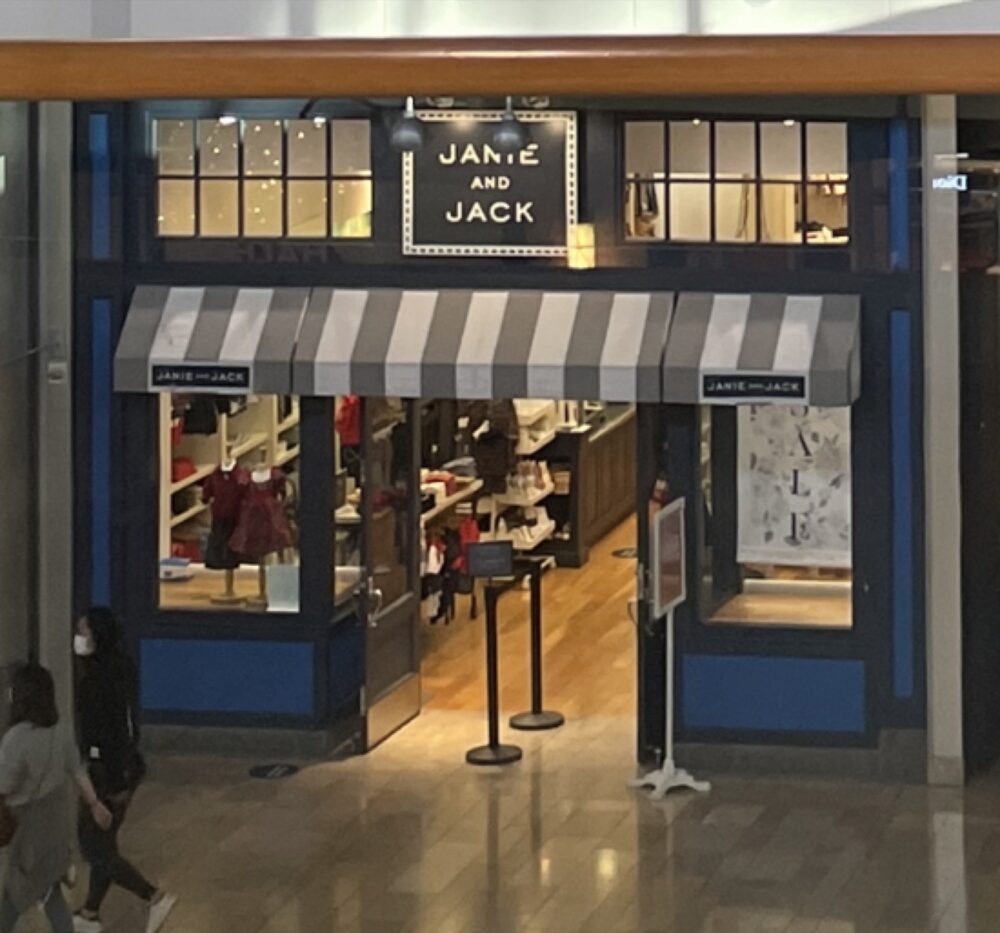
If you’re searching for “Janie and Jack wholesale and login,” the core reality is this: there’s no open, self-serve wholesale portal you can just sign into like a typical B2B site, and you won’t find official Janie and Jack stock on DHgate. The visible Janie and Jack sign‑in page is for consumer retail accounts, not small‑shop wholesale ordering. As a boutique or ecommerce seller, your realistic choices are to apply to carry the brand through its own or partner channels, buy mixed branded lots through off‑price wholesalers, or pivot to Janie‑and‑Jack‑style kids’ apparel from marketplaces such as DHgate where you build a private‑label assortment instead of chasing the logo.
What “Janie and Jack Wholesale and Login” Actually Is
Janie and Jack is a U.S. children’s clothing brand known for classic, dressy styles, with brick‑and‑mortar locations and a direct ecommerce site.Source Their public login page — the one you see labeled “My Account” — is designed for retail shoppers to manage orders and wishlists, not to access wholesale pricing.Source
Wholesale information isn’t advertised front‑and‑center on the site. Third‑party wholesale directories such as PortalWholesale’s Janie and Jack page treat the brand like a stockist‑only label: they point you back to brand contact routes and suggest you inquire about carrying the brand.Source That pattern generally means:
- If a wholesale/stockist program exists, it’s invite‑ or application‑based.
- Terms, minimums, and pricing are negotiated, not published.
- You won’t get in just by creating a normal “customer” login — you need to talk to the brand or its authorized partners.
So if you’re a small U.S. boutique hoping there’s a hidden “wholesale login” you can plug into for Janie and Jack the way you might for a mass‑market brand, that’s not how this label is set up publicly.
Ways to Source Janie and Jack or Similar Children’s Apparel
If direct wholesale is opaque, what can you actually do? In practice, U.S. small retailers use three broad channels.
1. Apply Through Brand or Partner Platforms
Some wholesalers and brand owners use B2B marketplaces as their access point. Janie and Jack product appears on B2B marketplace Faire, where retailers can apply to buy curated assortments.Source That doesn’t guarantee approval or specific margins, but it gives you a concrete door to knock on: you submit your store information, see available lines if accepted, and order through Faire’s ecosystem.
You can also treat the brand’s own site as a lead source. A practical checklist:
- Use the main site to understand current assortments and price bands.
- Find corporate or wholesale contact information (usually within “Contact” or corporate pages) and send a clear stockist inquiry.
- Be ready with your resale certificate, store URL, social presence, and a realistic opening order size.
This route is about becoming an authorized retailer, not about finding closeouts or off‑price deals, so expect tighter brand controls and curated assortments.
2. Buy Off‑Price or Liquidation Lots
Off‑price and liquidation wholesalers sell mixed brand assortments — sometimes including Janie and Jack — by the case or pallet. For example, WholesaleUp lists a mixed children’s lot that bundles Polo Ralph Lauren and Janie and Jack pieces alongside other labels.
Used carefully, liquidation can seed your store with recognizable labels at lower unit cost. Trade‑offs include:
- Limited control over exact styles or sizes; assortments are pre‑packed.
- Stock is opportunistic — what’s available this month may not repeat.
- Condition and authenticity are not automatically guaranteed; you must vet how the liquidator sources returns or overstock.
3. Shift to Non‑Branded but Similar Aesthetics
For many small shops, the smarter move is to decouple from the Janie and Jack name and focus on the look: classic kids’ occasionwear, soft baby sets, matching sibling outfits. That opens you up to:
- Smaller minimums and more flexible sizing runs.
- Custom labeling, hangtags, and packaging.
- Avoiding logo and trademark issues entirely.
You can source that type of product through domestic wholesalers, trade shows, or cross‑border marketplaces. Your brand story then becomes about “our curated children’s line,” not “we stock Janie and Jack.”
Sourcing Channels Side by Side
The table below compares the three main sourcing routes from a small‑boutique perspective.
| Channel | Branded Janie and Jack logo access | Assortment control on styles/sizes | Likely repeat‑order stability |
|---|---|---|---|
| Brand/partner wholesale (e.g. Faire) | Possible if accepted as retailer | High within the offered line | High, aligned to brand seasons |
| Off‑price/liquidation lots | Possible within mixed lots | Low; assortments are pre‑defined | Low–medium; depends on closeouts |
| Non‑branded / private label suppliers | No logo, similar aesthetic only | High; you choose styles and specs | Medium–high if supplier relationship is strong |
Using DHgate for Janie and Jack–Inspired Inventory
DHgate is described in its editorial materials as a China‑based B2B cross‑border marketplace linking global buyers to Chinese suppliers, with a large catalog of products and relatively low minimum order quantities for categories like clothing.Source It is not a source of official Janie and Jack stock, but it can be useful if you decide to build your own kids’ apparel line with a similar aesthetic.
Based on DHgate’s own buying guides, becoming a wholesale buyer is framed as a standard business setup: you register a buyer account, have your business and sales documentation in place, then start contacting suppliers and requesting quotes.Source For a small U.S. children’s boutique, a practical sourcing workflow on DHgate looks like this:
Define the Look and Quality Level
Think in specific product types — cotton baby rompers, smocked dresses, boys’ chinos and button‑downs. Save example images (including Janie and Jack screenshots for inspiration) to show suppliers, without asking for logos or trademarks to be copied.
Search and Shortlist Suppliers
Use precise product keywords and filters to find baby and children’s clothing categories. DHgate’s editorial blog notes that the platform carries a wide catalog of baby clothes from many providers,Source which means you’ll see multiple factories for similar items. Shortlist vendors that:
- Specialize in kids’ apparel rather than a random mix of unrelated goods.
- Offer size ranges aligned with your target ages.
- Show clear product photos and fabric composition details.
For more detail on evaluating vendors, see:
Request Samples and Compare
Rather than trusting listings blindly, contact several vendors and request sample orders. Ask specific questions about fabric weight and content, shrinkage, stitching details, care labels, and customization options for hangtags and packaging. Use your first sample round to decide who meets your quality bar.
Build a Repeatable Core Range
Once you’re confident in a supplier, pick a small set of evergreen styles — baby sets, party dresses, basic trousers — and treat them as your “house line.” You can tweak colors seasonally while keeping sizing and fit consistent.
Decide Whether You Really Need the Logo
For a small U.S. kids’ boutique, the defensible route to the Janie and Jack logo is through authorized wholesale/stockist channels or legitimate off‑price lots sourced from that ecosystem. If your real goal is “clothes that feel like Janie and Jack,” you’ll likely get more control and better margins by building your own line through flexible suppliers — DHgate included — and keeping your brand promise rooted in quality and design rather than a single label.