
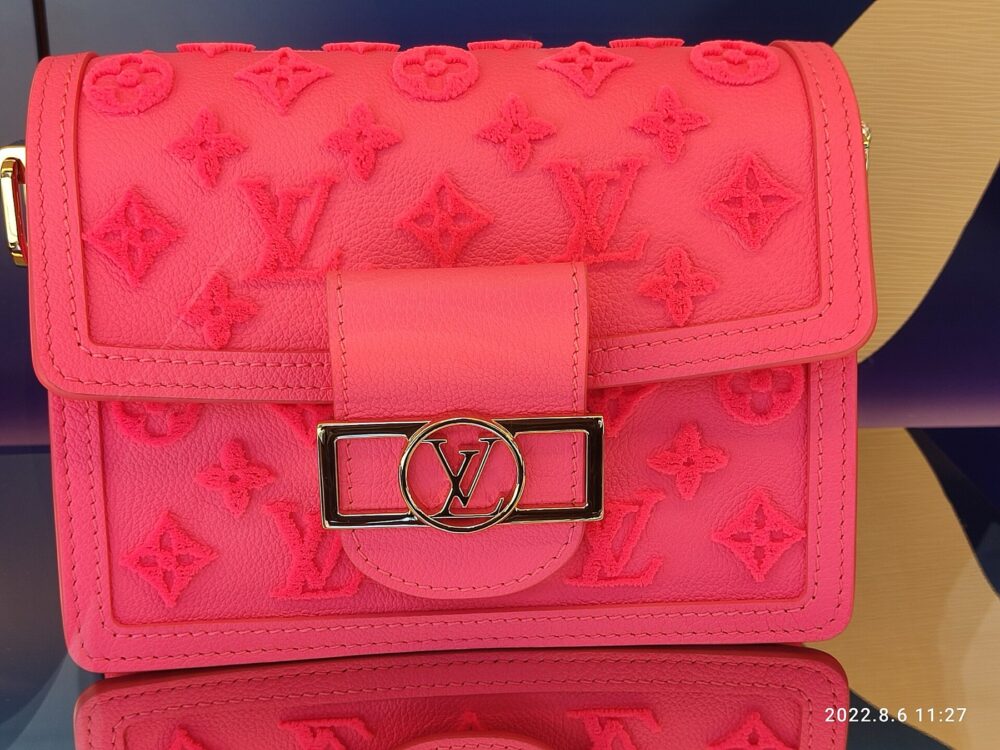
If you’re searching for “Louis Vuitton and designer inspired handbag wholesale,” the uncomfortable truth is that you can’t realistically buy new authentic Louis Vuitton bags at true wholesale prices. LV sells its products through its own boutiques and official site, not open B2B channels, so most cheap “LV wholesale” offers are either pre-owned, grey-area liquidations, or outright counterfeits. For a small US ecommerce business, the safer play is usually to avoid claiming anything is Louis Vuitton and instead build an assortment of clearly unbranded, designer-inspired handbags from vetted suppliers on marketplaces like DHgate, Alibaba or Made‑in‑China plus domestic wholesalers.
The rest of this guide breaks down what that actually looks like and where each sourcing channel fits.
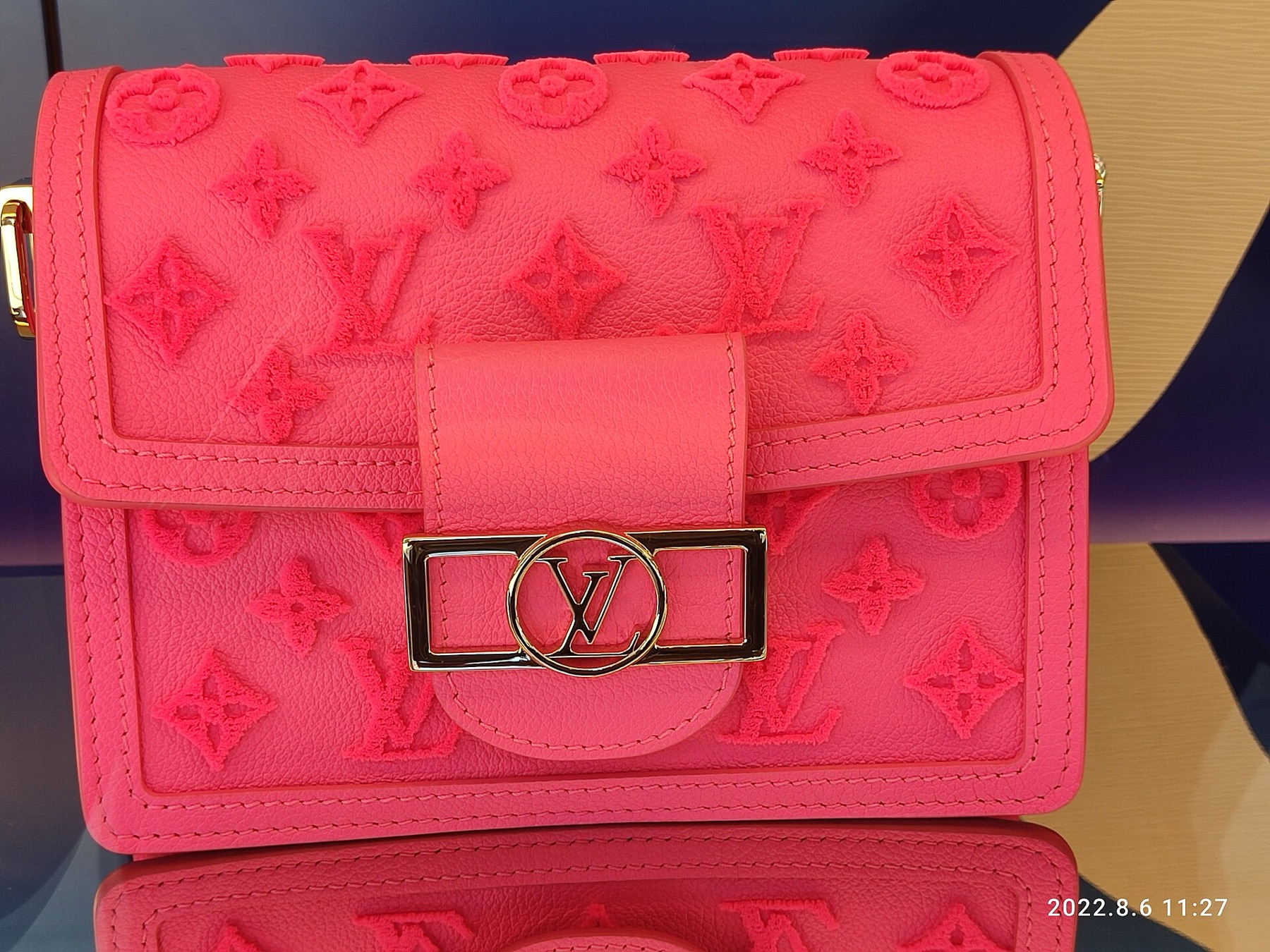
What “Louis Vuitton and Designer-Inspired Handbag Wholesale” Really Means
Louis Vuitton is a prestige luxury house. New LV handbags are sold through LV’s own stores and its official site, not through open discount wholesalers. Even LV’s own editorial content and independent guides emphasize that if the price looks like wholesale or “too good to be true” for a new LV bag, you should assume it isn’t coming from LV’s primary channel.
So where do genuine LV bags ever show up in bulk?
- Pre-owned/consignment marketplaces. Some platforms and specialist resellers aggregate pre-owned LV bags on a consignment model. In theory, that can create small “wholesale-ish” opportunities if you buy multiple pieces, but every item needs careful authentication and the pricing is still far from classic wholesale.
- Liquidation and mixed pallets. US liquidation sellers sometimes offer mixed-brand handbag pallets that may include mid-tier brands or department-store labels. These are usually not LV, and when a pallet advertises “designer” it’s often talking about accessible brands rather than true luxury.
Because LV aggressively protects its trademarks, most “LV wholesale from factories” offers you’ll see online are either counterfeit or use LV-like patterns and logos without permission. Building a business around that exposes you to IP and customs risk.
That’s why many small handbag sellers shift their search from “LV wholesale” to designer-inspired LV-style handbags:
- Same general silhouettes (totes, crossbody, keepall-style duffels).
- Similar color palettes or textures.
- No LV monogram, logos or trademarks.
These can be sourced legally as long as they don’t copy protected marks or trade dress. Your listing language should reflect that: “luxury-inspired,” “designer look,” or “monogram-style pattern,” not “Louis Vuitton” or “LV.”
How to Source Designer-Inspired Handbags Safely and Profitably
Once you drop the idea of true LV wholesale, you’re choosing suppliers for LV-style and other designer-inspired handbags. Here’s a focused way to do it.
1. Choose your supplier type
Common options for inspired handbags include:
- Cross-border B2B marketplaces such as Alibaba, DHgate and Made‑in‑China. These host many suppliers producing designer-inspired handbags at competitive bulk prices; you’ll find everything from minimalist faux-leather totes to bags with generic monogram patterns.
- US-based wholesalers and importers. Sites like BestHandbagWholesale and other fashion wholesalers carry “designer-inspired look” collections with domestic warehousing.
- Liquidation pallet sellers. Companies like American Liquidation Deals sell handbag pallets that can suit flea market or discount resellers who want volume with quick domestic shipping.
Pick one or two segments that match your customer and your shipping appetite. Cross-border marketplaces offer more variety and lower unit costs but require more work on quality and logistics.
2. Vet suppliers with handbag-specific signals
For cross-border marketplaces, you’re not just “checking reviews”; you’re looking for product and seller evidence that matters for handbags:
- A catalog that shows consistent stitching, hardware, and lining in photos across multiple SKUs.
- Clear material descriptions (PU leather vs. genuine leather) and weight/size details.
- Multiple buyer-uploaded photos in reviews, ideally showing the bag “in real life.”
- Responsive messaging when you ask about logo-free customization or small tweaks.
DHgate’s own editorial guides on handbags and luxury goods stress browsing categories, using filters for styles, reading detailed seller ratings and reviews, comparing multiple listings for similar bags, and messaging sellers directly to clarify materials and features before ordering.
If a supplier’s catalog is full of trademarked logos or explicitly uses brand names they don’t own, treat that as a red flag and move on.
3. Do the landed-cost math (mini example)
For a cross-border inspired handbag order, your profit lives or dies on landed cost. As a simple mental model:
- Say you’re looking at a generic monogram-style tote on a B2B marketplace, advertised at a competitive bulk price.
- You negotiate a quote for 50 units.
- On top of the per-unit price, you’ll typically face:
- International shipping (often quoted as a flat shipping fee or per kilo).
- Possible customs duties and brokerage, depending on declared value and category.
Your target “all-in” number might be something like:
Retail price (e.g., $45) − landed unit cost (e.g., mid-teens) − marketplace fees (if you sell on Amazon/eBay) − marketing spend = acceptable margin.
Whatever the exact figures, insist that suppliers break out product cost vs. shipping. Use that to decide whether you need to increase MOQ, switch shipping methods, or source domestically.
4. Sample first, then scale
For handbags, photos are never enough. Before a serious order:
- Ask for 1-3 samples of your top styles, even if they cost more per unit.
- Inspect stitching, zippers, strap strength, lining, and smell (cheap PU can be off-putting).
- Test how your customers respond: social posts, small local events, or a limited drop.
Only after samples pass your quality bar should you lock in MOQs and a repeat order rhythm. A common pattern is quarterly reorders with small style refreshes, using each batch to refine your supplier list.
DHgate and Other Channels for LV‑Style Wholesale: Where Each Fits
Designer-inspired bags sit in a crowded sourcing landscape. Here’s how the main channels tend to fit different business models.
Quick channel comparison
| Channel | Typical fit for LV-style handbags | Strengths for small US sellers | Key trade‑offs (editorial judgment) |
|---|---|---|---|
| Cross-border multi-seller | Cross-border designer-inspired fashion & accessories | Huge variety, competitive pricing, flexible quantities | Must vet individual sellers; cross-border logistics |
| Alibaba / Made‑in‑China | Factory-level sourcing, larger batches | Access to manufacturers, customization possibilities | Higher MOQs common; more negotiation work |
| US handbag wholesalers | Trend-driven, designer-inspired assortments | Domestic shipping, simpler returns & communication | Higher unit cost; narrower style range |
| Liquidation handbag pallets | Discount, bin-store and flea-market style businesses | Very low per-piece cost in bulk lots | Mixed condition/brands; limited control over styles |
| Faire & similar boutique platforms | Boutique-friendly inspired bags from small brands | Curated styles, brand stories, domestic or near-domestic stock | Less “secret” margin; more retail-like pricing |
This table is based on public descriptions of platforms like Faire’s inspired handbags and handbag pallet sellers, plus DHgate’s own editorial positioning as a B2B‑leaning marketplace connecting buyers with suppliers at wholesale-style prices.
How DHgate can fit a LV-style assortment
DHgate’s editorial guides describe it as a marketplace with millions of listings, including designer-inspired fashion, where buyers can order in flexible quantities and negotiate wholesale-level prices. For a US seller building a “luxury look for less” assortment, DHgate can be useful when:
- You want variety without huge MOQs: testing several tote and crossbody silhouettes across 2-3 suppliers.
- You’re comfortable doing hands-on vetting: digging through seller ratings, reading reviews with buyer images, and comparing similar products to avoid the lowest-quality options.
- You’re disciplined about staying logo-free: searching for “monogram style,” “checker pattern,” or “fashion tote” rather than brand names.
Use DHgate’s category filters to narrow by bag type and material, then apply your sampling and landed-cost process. Internal guides like Find wholesale suppliers on DHgate and Find DHgate suppliers can help you structure that search.
When a different channel is a better fit
You might skip DHgate or other cross-border marketplaces if:
- Your customers care more about known mid-tier brands than inspired looks; US wholesalers or consignment marketplaces for pre-owned authentic bags make more sense.
- You need ultra-fast, predictable restocks; domestic wholesalers and platforms like Faire typically win on logistics simplicity.
- You sell in an environment with high counterfeit scrutiny (luxury resale marketplaces, upscale boutiques). In that case, inspired handbags should be clearly listed as unbranded fashion, and authentic LV should be sourced one-by-one from trusted consignment with professional authentication.
Before choosing a DHgate supplier, use Choose a DHgate wholesale supplier.
For most small US ecommerce businesses asking about “Louis Vuitton and designer inspired handbag wholesale,” the practical path is: design a logo-free luxury-inspired assortment, test suppliers via cross-border marketplaces like DHgate and Alibaba plus one domestic wholesaler, and grow only with partners whose quality holds up across multiple orders.