
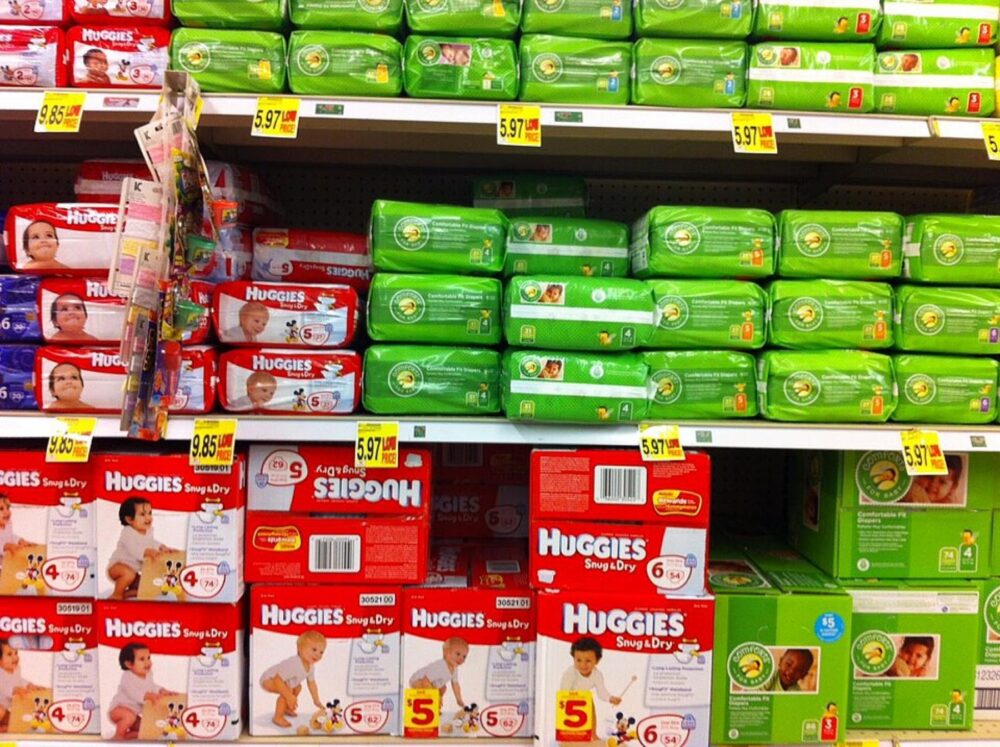
The wholesale diapers market is a network of manufacturers, distributors, liquidators, and online marketplaces selling baby and adult diapers in bulk at discounted unit costs. As a small US seller you can tap it through domestic wholesalers, pallet liquidators, or cross‑border platforms like DHgate and Alibaba—but your profit and risk profile change dramatically depending on which path you choose and how well you vet suppliers and calculate landed cost.
Below is a practical way to look at the category and decide whether importing via DHgate belongs in your plan.
How the Wholesale Diapers Market Works for Small US Sellers
Wholesale diapers are simply diapers sold in bulk to retailers and institutions at prices lower than typical retail, following the same pattern described for wholesaling in general by Wikipedia. For diapers, the main structures you’ll encounter are:
- True wholesalers/distributors. Companies that buy direct from major brands or manufacturers and resell cartons or cases to retailers, childcare centers, and clinics. Sites like AKN Wholesale’s diaper category show typical assortments—mixed baby brands, sizes, and sometimes wipes.
- Specialized diaper wholesalers. Niche players focused on baby or adult diapers, often under private labels or regional brands. Examples include operators like Diaper Mart, which market bulk diaper supply to resellers and organizations.
- Liquidation and pallet sellers. These sell truckloads or pallets of overstock and customer returns from large retailers. Listings at liquidation sites (like the baby diaper pallet examples surfaced in research) often mix brands and conditions; margins can be high but consistency and packaging may be rough.
- Online B2B marketplaces. Platforms that list many manufacturers and trading companies offering baby and adult diapers, typically FOB from Asia or Europe. Alibaba and Chinese marketplaces such as DHgate fall in this bucket.
Product types break down further into:
- Baby disposable diapers: by size (NB, 1-6), absorbency, and brand or private label.
- Adult incontinence briefs and pull‑ups: often differentiated by absorbency ratings, size/waist range, and use case (overnight, bariatric, etc.). Guidance from adult-diaper wholesalers, such as AdultDiapers365’s wholesale vs bulk overview, stresses these performance differences.
- Cloth/reusable diapers and accessories: a smaller but growing niche, often sourced from specialist manufacturers or brands.
For a US micro‑seller, the practical access points usually look like this:
- Buying cartons from domestic wholesalers and reselling via Amazon, Walmart Marketplace, or local shops.
- Buying mixed pallets from liquidators and flipping via discount stores or Facebook Marketplace.
Each route has different minimum order quantities (MOQs), consistency, and regulatory exposure—which is why supplier choice and vetting matter so much.
Choosing and Vetting Diaper Suppliers Across Borders
Diapers are hygiene products, used by infants, older adults, and patients. That raises the bar on supplier vetting compared with, say, T‑shirts. Adult diaper wholesale advice from sources like AdultDiapers365 highlights three themes that translate directly to both baby and adult stock: quality/performance, consistent sizing/fit, and supplier reliability.
Here’s a compact checklist to apply whether you’re evaluating a DHgate listing, an Alibaba factory, or a US pallet seller:
1. Product and performance evidence
- Ask for technical specs: materials, SAP (super absorbent polymer) content range, layers, and advertised absorbency category (daytime/overnight).
- Request photos of packaging and individual diapers; for cross‑border suppliers, insist on clear images of outer cases, barcodes, and any printed safety marks.
- For adult diapers, look for sizing charts and descriptions that match the kind of guidance you see at specialist sites—waist ranges and absorbency descriptions, not just S/M/L.
2. Certifications and compliance
- For imports, ask what country certifications or tests the product has passed (e.g., basic skin irritation tests or textile safety marks). Don’t accept vague “EU standard” or “US standard” claims without documentation.
- Clarify whether the diapers are branded, private‑label, or completely generic. Branded overstock will carry the brand’s compliance work; private‑label requires more diligence on your part.
3. Supplier reliability markers
On marketplaces:
- Evaluate the seller’s history and catalog. A seller who focuses on hygiene or baby products is usually a safer bet than one listing a random mix of unrelated categories.
- Look for meaningful buyer feedback specifically mentioning diapers—quality, leaks, rash issues, packaging damage.
On liquidators and domestic wholesalers:
- Check whether they specialize in diapers or carry them as part of a broader FMCG line.
- Ask directly about typical defect rates and how often cases arrive damaged or partial.
4. Samples before commitment
Adult diaper wholesalers regularly recommend testing product quality and absorbency yourself before committing to big runs. Treat baby diapers the same way:
- Order the smallest practical batch or paid sample run.
- Have real users try them: parents, caregivers, or volunteers, with clear feedback on leaks, fit, skin reaction, and packaging.
This sample round is often where cross‑border listings get weeded out. If the supplier refuses samples, or the sample branding/packaging differs from the listing images, treat it as a red flag.
For more marketplace‑specific vetting tactics, you can cross‑reference our DHgate‑focused guides on finding wholesale suppliers, searching for DHgate suppliers, and choosing a DHgate wholesale supplier.
Costs, Logistics, and Where DHgate Fits in Diaper Sourcing
To decide whether DHgate is worth using for diapers, you need to understand both your landed cost and how DHgate’s typical marketplace structure compares with alternatives.
In practice, that means a diaper listing on DHgate is likely to show:
- A per‑piece or per‑pack price range that decreases at higher quantity tiers.
- An MOQ that may be relatively low compared with traditional factory contracts, making it easier to run test batches.
Here’s how to compare DHgate and other channels using landed cost math.
A simple landed‑cost checklist for imported diapers
For a shipment of generic baby diapers from China to the US, your per‑unit cost typically looks like:
- Product cost – the price per diaper or per pack at your chosen tier.
- International freight + local delivery – air vs ocean, plus domestic carrier fees.
- Customs duties and brokerage – tariffs on hygiene goods where applicable, plus any customs broker fees.
- Packaging, labeling, and storage – translating packaging, adding US‑compliant labels, and warehouse costs.
A rough comparison table of sourcing channels might look like this (values are editorial judgments, not specific prices):
| Channel | Typical MOQ for a test run | Price transparency | Quality consistency |
|---|---|---|---|
| DHgate (cross‑border) | Low–moderate (carton level) | Listing shows tiered pricing; negotiation via messaging | Varies by seller; must be confirmed via samples |
| Alibaba / direct factories | Moderate–high (multiple cartons or pallets) | RFQ and negotiated quotes; less instant | Can be strong with established factories, but requires deeper vetting |
| US wholesale distributors | Low–moderate (small case multiples) | Published wholesale price lists or portals | Generally consistent, especially for branded stock |
| US liquidation pallet sellers | High (full pallets or truckloads) | Pallet price fixed; limited granularity | Highly variable; mix of overstock and returns |
For a small ecommerce operation, DHgate’s appeal is usually:
- Lower barrier to entry than direct factory contracts: you can often buy a few cartons instead of full container loads.
- Ability to test unbranded/private‑label diapers without committing to long‑term contracts.
The trade‑offs:
- You shoulder more quality and compliance risk than if you buy branded diapers from US distributors.
- Lead times and logistics for cross‑border orders can be less predictable than local replenishment.
How to make DHgate part of a repeat‑order plan
If you decide DHgate is worth testing for diapers:
- Start with a narrow SKU set. Pick one size and product type (e.g., size 3 baby diapers, day use) so you can judge performance clearly.
- Use samples plus a micro‑order to validate real‑world performance and packaging.
- Track landed cost per diaper for that test order—including freight and any duties—then compare to domestic wholesale options and to target retail pricing.
- Only after you’ve proven both quality and margin, consider locking in a regular reorder pattern with the same seller, and keep a backup supplier channel (such as a domestic wholesaler) for emergencies.