
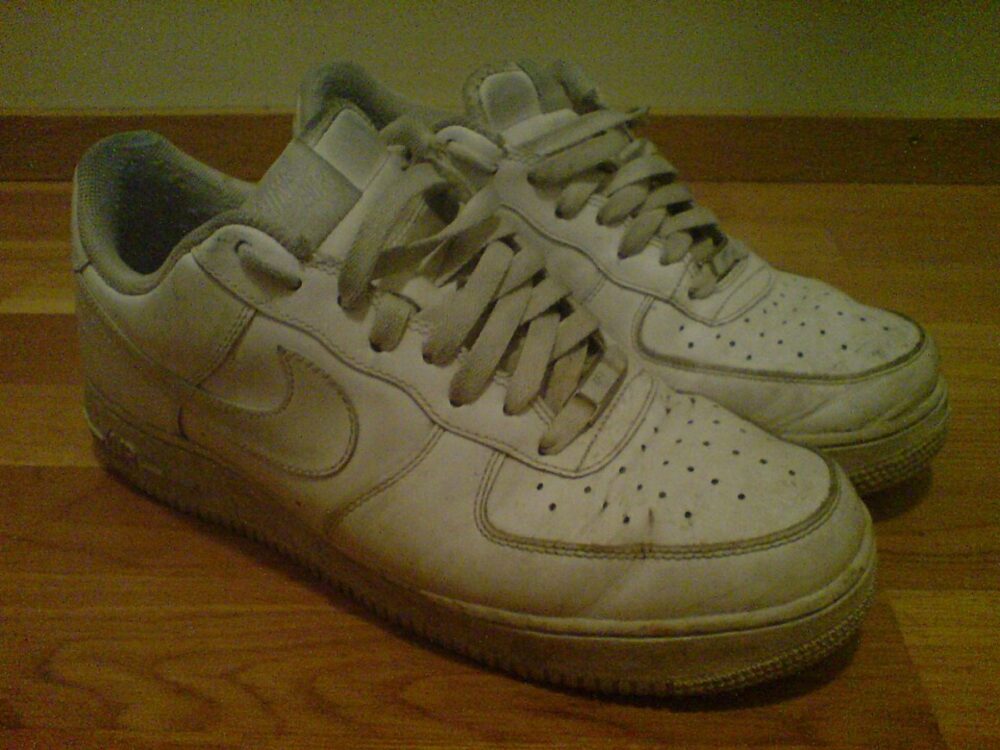
Nike Air Force 1 and Air Max are long‑running flagship lines with huge demand and a history of heavy counterfeiting and replica production.https://en.wikipedia.org/wiki/Nike_Air_Force That popularity is exactly why you rarely see clean, obviously legitimate bulk offers for these models on random B2B marketplaces. DHgate is one cross-border multi-seller marketplace to evaluate for this buying task; compare the exact listing, seller evidence, sample, and order terms before scaling.
How Wholesale Nike Air Force 1 and Air Max Supply Actually Works
For genuine Nike inventory, there are three broad routes:
- Authorized Nike/brand distribution
Larger retailers usually get AF1 and Air Max through Nike’s own wholesale and distributor relationships. Those programs require applications, financials, and brand‑control standards, and they don’t typically run through open B2B sites. For a small ecommerce seller, getting into Nike’s official ecosystem is possible but slow and paperwork‑heavy.
- Liquidation and overstock pallets (gray‑market)
Some US liquidation firms sell pallets that include Nike shoes. For example, City Wholesale Liquidations has advertised an “Air Force 1 Sneakers Nike Wholesale Pallet” of 200 pairs, and Pallet Liquidators USA markets mixed Nike shoe pallets. These are not described as Nike‑authorized; they’re typically customer returns, shelf pulls, or excess stock.
With pallets, you’re buying:
- Mixed conditions (new, damaged, missing box).
- Mixed sizes and sometimes mixed models.
- Limited or no brand‑backed authenticity guarantees.
- Offshore and EU B2B sneaker wholesalers
Sites like Sneaker‑Wholesale.com list wholesale Nike Air Force 1 and Nike Air Max. Platforms such as Merkandi and B2Kicks also act as B2B hubs for Nike sneaker lots and closeout deals across Europe and beyond.
These can be useful, but again they’re intermediaries. You still need to verify the individual supplier’s stock source and rights.
Where DHgate sits: DHgate’s own blog pitches itself as a China‑based B2B cross‑border marketplace with millions of listings, aimed at small businesses buying products like shoes and sneakers in bulk.https://www.dhgate.com/blog/?p=10805 It also markets wholesale shoes, including branded sneakers, to resellers and dropshippers.https://www.dhgate.com/blog/?p=4503 In practice, that means you’ll see plenty of “Nike‑style” and “Air” sneakers, and sometimes Nike‑branded pairs—but these are not part of any official Nike distribution program.
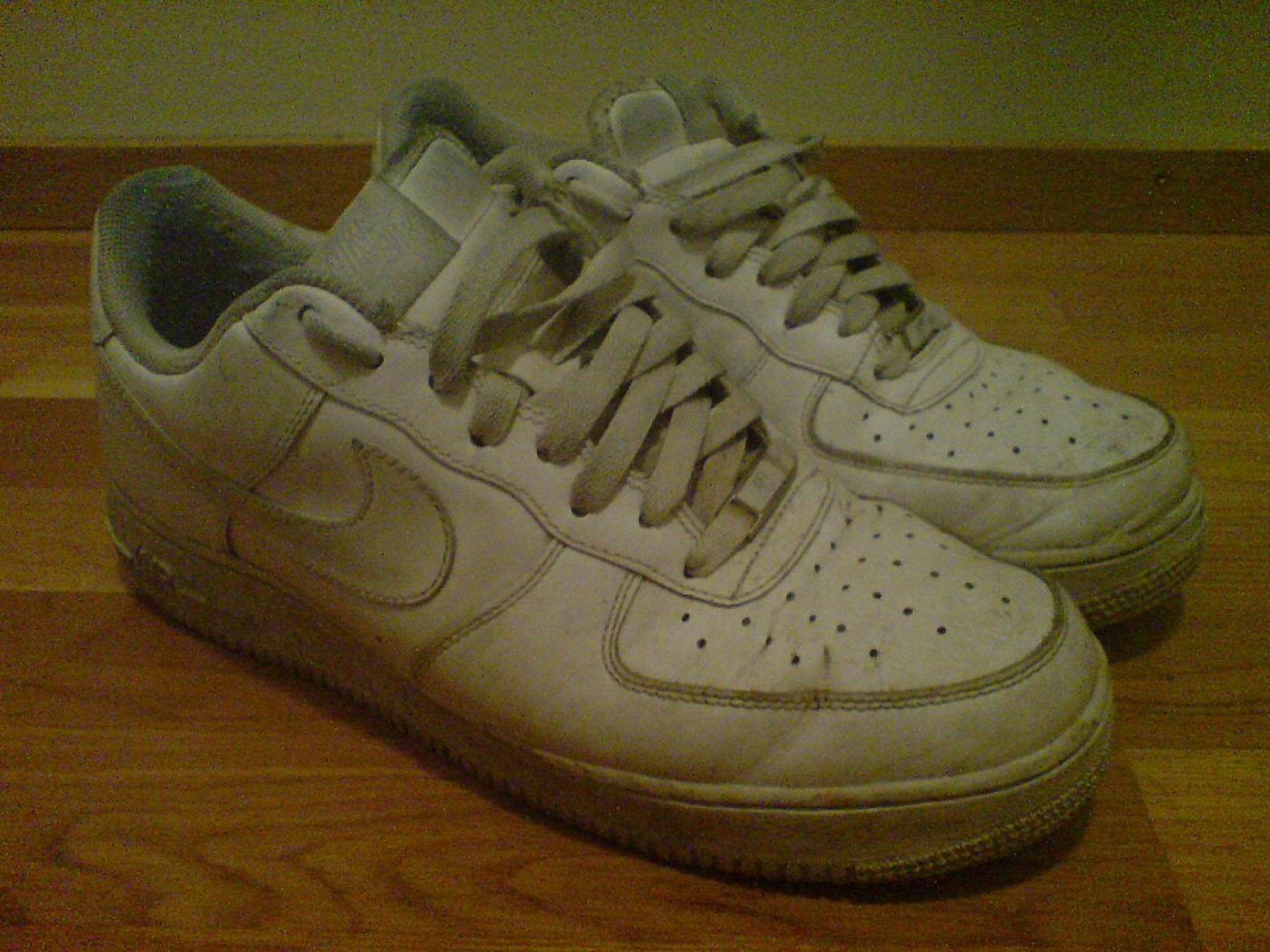
The takeaway: if you want fully authorized, clearly documented Nike AF1 and Air Max, your first stop is Nike and recognized distributors. If you accept gray‑market risk, liquidation pallets and some EU/US wholesalers are the more realistic paths. DHgate is best viewed as an experimental, high‑due‑diligence channel for non‑authorized or custom sneakers, not a shortcut into Nike’s wholesale network.
Evaluating Air Force 1 and Air Max Suppliers: Authorization, Authenticity, and Risk
Because AF1 and Air Max are so heavily counterfeited, your main job is separating:
- Authorized stock (Nike accounts, documented distributors).
- Gray‑market stock (liquidation, overstock).
- Replica/counterfeit (unauthorized logo use, “too good to be true” pricing).
Here’s a focused workflow you can use across channels.
1. Ask how the supplier gets Nike inventory
For any seller claiming Nike AF1 or Air Max in bulk, you want a direct answer to:
- Are they an authorized Nike retailer or distributor? If yes, they should be able to show current paperwork from Nike or a known distributor.
- Are they selling liquidation/returns? Then you’re in gray‑market territory and should expect mixed conditions and limited documentation.
- Are they selling “factory surplus,” “OEM,” or “UA” pairs? Those labels often accompany unauthorized production or replica segments. Treat them as high‑risk for trademark issues.
On pallet sites, the language often spells this out. For instance, the Air Force 1 pallet at City Wholesale Liquidations is framed explicitly as a pallet offer, not an authorized Nike deal.https://citywholesaleliquidations.com/product/air-force-1-sneakers-nike
2. Check documentation and physical evidence
For serious wholesale orders, ask for:
- Photos of full cartons, label close‑ups, and box details.
- Any invoices showing where the supplier bought the stock.
- For EU distributors, EU‑side documentation that shows they can legally resell branded goods.
If the supplier resists basic documentation but is willing to drop prices dramatically, that’s a red flag—especially for AF1 Triple White or core Air Max colorways that usually sell through easily.
3. Make pricing reality checks
You won’t find a single “correct” wholesale price, but you can sanity‑check:
- Compare the supplier’s per‑pair ask to current US retail for the same model. Large gaps need a story (liquidation, damaged boxes, older production).
- Look at pallet examples like the Nike shoe pallet at Pallet Liquidators USA. Pallet pricing usually reflects mixed models and conditions, not pristine AF1/Max only.
If a seller claims brand‑new, current‑season AF1 or Air Max at a fraction of even typical pallet pricing, assume replicas until proven otherwise.
4. Extra DHgate‑specific vetting
For Nike‑branded AF1 or Air Max on DHgate, go further:
- Search seller history: How long have they been active? Do reviews mention Nike specifically, or only generic “shoes”?
- Scrutinize photos: Look for discrepancies in logos, stitching, box labels, and size tags. Many DHgate sneaker listings use studio shots or re‑used images that don’t match actual stock.
- Start microscopic: For any listing that might be legitimate, buy the smallest allowed quantity and treat it as an inspection batch, not real inventory.
For more DHgate‑specific filtering ideas, it’s worth pairing this section with the internal guides on finding wholesale suppliers on DHgate, finding DHgate suppliers, and choosing a DHgate wholesale supplier.
5. Legal and trademark risk (US context)
Reselling genuine Nike shoes bought from legitimate channels is usually fine under US “first sale” principles. The risk spikes when:
- Authenticity is doubtful (replicas, unauthorized factory runs).
- You advertise products as “Nike” or as specific AF1/Air Max models without being certain they are genuine.
- You use Nike’s logos or imagery beyond what’s needed to honestly describe lawful resale.
If your business model revolves on non‑authorized cross‑border Nike sourcing, it’s wise to speak with a US lawyer familiar with trademark and resale issues before scaling.
Buying in Bulk: MOQ, Pricing, Logistics and When DHgate Makes Sense
Once you’ve identified plausible suppliers, the next question is how to structure orders so you don’t blow up your cash flow—or your reputation.
How different channels usually feel in practice
Here’s a compact comparison of what you can expect across key sourcing routes:
| Channel type | Typical access to AF1/Air Max | MOQ style | Condition & mix | Risk profile (authenticity/IP) |
|---|---|---|---|---|
| Nike‑authorized wholesale | Strong, but limited to approved accounts | Ongoing buys, seasonal buys | New, boxed, controlled assortments | Lowest; brand‑backed documentation |
| US liquidation pallets | Intermittent AF1/Air Max in mixed pallets | Pallet (tens–hundreds pairs) | Returns, shelf pulls, mixed models | Medium–high; authenticity less vetted |
| EU/US B2B sneaker distributors | Variable, often closeout lots | Carton/lot (dozens+ pairs) | New/like‑new, sometimes older seasons | Medium; depends on supplier documentation |
| DHgate & similar marketplaces | Mixed; many replicas/customs | Listing‑level (few–dozens+) | Highly variable; seller‑dependent | High; no platform‑wide Nike authorization |
This table is editorial judgment grounded in the cited examples—actual MOQs and prices vary by supplier and date.
Building orders that won’t sink you
A practical sequence for AF1/Air Max sourcing looks like this:
- Try to qualify for authorized supply first.
If you have a brick‑and‑mortar presence or significant online volume, explore Nike’s official business/wholesale programs or large authorized distributors. Securing even a limited AF1/Air Max allocation solves most authenticity headaches.
- Use liquidation pallets only if your business model fits them.
Pallets like the Air Force 1 example at City Wholesale Liquidations or mixed Nike pallets at Pallet Liquidators USA mean:
- Size and color randomness.
- Time spent sorting, cleaning, and grading.
- Resale channels that accept “open box” and “customer returns” (local outlets, flea, secondary marketplaces).
If your brand promise is “new, pristine AF1 only,” pallet‑heavy sourcing is usually a mismatch.
- Treat DHgate as a controlled experiment, not a core Nike channel.
DHgate is positioned by its own editorial content as a B2B cross‑border platform where shoe suppliers sell to small businesses and dropshippers.https://www.dhgate.com/blog/?p=10805 It also highlights Nike and Jordans among the categories resellers can source.https://www.dhgate.com/blog/?p=4503
For AF1 and Air Max specifically, a cautious playbook is:
- Limit orders to test batches even if MOQ is low—your first goal is to inspect real pairs.
- Budget for failure: assume some shipments will be unusable for Nike‑branded resale and plan alternative outlets (generic “fashion sneakers,” personal use, or simply sunk cost).
- Avoid building your brand around DHgate‑sourced “Nike.” Use it, if at all, to fill gaps in non‑branded or custom sneaker lines where IP risk is lower.
- Run landed‑cost math before you commit.
For each channel, calculate:
- Cost per pair after shipping, duties, and pallet or marketplace fees.
- Expected sell‑through rate for each condition grade (new, open box, B‑grade).
- How many pairs need to sell at your target margin to cover the entire lot, including duds.
If those numbers only work when you assume every AF1 or Air Max sells at top‑tier resale prices, your plan isn’t resilient enough—especially with gray‑market or DHgate sourcing.
If your top priority is long‑term brand safety and predictable quality, concentrate your energy on authorized Nike channels and well‑documented regional distributors. Liquidation pallets and DHgate can play tactical roles, but for flagship models like Air Force 1 and Air Max they should be small, carefully managed experiments, not the backbone of your sneaker business.