
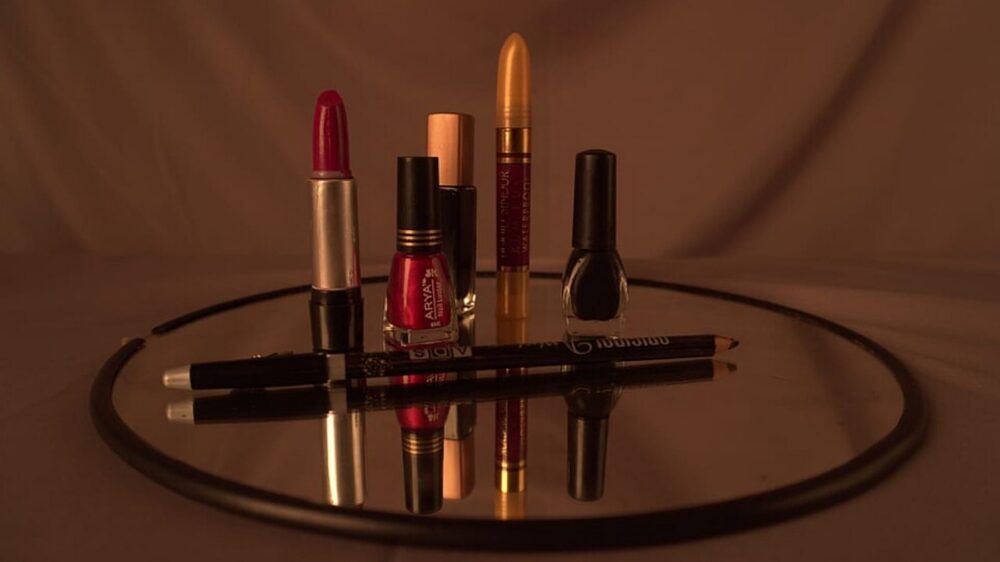
Wholesale cosmetics and makeup manufacturing means buying beauty products in bulk directly from factories or authorized distributors, sometimes with your own branding on the packaging. For a small US brand or salon, it’s a way to fill shelves or launch a private line without building a lab—but it only makes sense if you can trust the formula, meet US regulations, and reorder consistently. Marketplaces like DHgate can connect you to overseas manufacturers and wholesalers, but you should treat every listing as unvetted until you’ve checked documentation, tested samples, and confirmed that the supplier can meet your safety and repeat‑order needs.
How Wholesale Cosmetics & Makeup Manufacturing Works
At the production end, specialized cosmetics factories formulate and fill products—lipsticks, foundations, palettes, mascaras—at scale. They supply several types of buyers: brand owners, private‑label clients, distributors, and retailers, often with the same core formulas packaged differently.
A few basic models you’ll see:
- OEM/private label factories. These manufacturers produce in bulk, then print your logo on packaging or tweak shades and scents. As described by cosmetics manufacturers such as those on bijiangcosmetic.com, they focus on serving private labels, brand owners, and distributors with large‑scale runs.
- Wholesale distributors. Companies like Wholesale Cosmetics USA and WholesaleMakeup.com buy branded inventory (often closeout or overstock) and resell it in bulk to retailers, salons, and online sellers.
- Hybrid players. Some businesses offer both private‑label manufacturing and wholesale distribution of existing brands, letting small buyers test the market before committing to full custom production.
For a US small business, the first decision is which of these channels matches your stage:
- If you want your own brand, you’re looking at OEM/private label. Expect custom packaging work, longer lead times, and higher minimum order quantities (MOQs).
- If you just need inventory to resell, branded wholesale distributors or marketplace sellers can be simpler—no formulation choices, just assortments and prices.
Cross‑border, most US buyers either negotiate directly with factories (often in China or other manufacturing hubs), work through importers, or use B2B marketplaces such as DHgate, Alibaba, or trade‑focused platforms that list cosmetics suppliers.
Selecting Safe, Reliable Cosmetics Manufacturers and Wholesalers
With cosmetics, safety and authenticity matter more than a small price difference. Wholesale distributors such as Wholesale Cosmetics USA emphasize that they source products for retailers, salons, and online sellers—your customers are expecting professional‑grade items, not mystery formulas.
Counterfeit and unsafe beauty products are a known issue, especially in less‑vetted channels. Investigations summarized by outlets like Woman & Home describe fake items that can contain irritants or unhygienic ingredients. That risk doesn’t magically disappear online, so you need a tighter vetting process for any overseas supplier.
Practical vetting micro‑checklist for cosmetics
Use this as your short shortlist filter before you send serious money overseas:
- Product scope. Does the supplier focus on cosmetics/beauty, or are they a general merch seller with random lipsticks mixed into toys and electronics? Specialists are usually safer for formulas.
- Documentation. Ask for ingredient lists, safety data sheets, and any test reports (e.g., microbiological testing). For US sales, you are responsible for meeting FDA cosmetic labeling and safety requirements, even if the factory is overseas.
- Brand relationship. If the products carry an existing brand name, ask whether the supplier is an authorized distributor or overstock trader. Compare their story with what that brand’s official site says about distribution.
- Quality signals. Look for repeat buyers, detailed product photos (including INCI ingredient panels), and clear batch/expiry information.
- Communication. A good supplier answers detailed questions about formulas, lead times, and packaging rather than pushing you to “just order.” Slow or vague replies around safety or legality are a red flag.
Red flags specific to beauty products
- Unbranded “designer” look‑alike palettes claiming famous shade names but with slightly misspelled brand logos.
- Very broad claims (“organic”, “hypoallergenic”, “FDA approved”) with no supporting documentation or clear US labeling.
- No batch numbers or expiry dates anywhere in product photos.
- Sellers unwilling to provide ingredient lists before you order.
If a supplier fails this basic micro‑checklist, treat them as a test‑only vendor (small samples for personal inspection) or walk away. The regulatory and reputational downside of selling unsafe makeup in the US is much larger than the savings from a risky source.
Buying Wholesale Cosmetics on DHgate vs Other Channels
DHgate describes itself as a China‑based online wholesale marketplace that connects manufacturers and suppliers with global buyers, covering categories from clothing to health and beauty.Source It positions the platform as a way for small and medium retailers to source directly from manufacturers at competitive prices, especially when ordering in bulk.Source
For cosmetics, DHgate’s own guidance on sourcing products highlights some useful mechanics:Source
- Use filters and search tools. Narrow results by category, price range, and other attributes to avoid random general‑merch sellers.
- Evaluate suppliers. Check ratings, reviews, and transaction history to find sellers with a track record.
- Request samples. Order test units to check packaging, shade accuracy, and product performance before committing to larger orders.
- Explore OEM opportunities. Many factories on DHgate offer custom/branding services, which can be relevant if you want private‑label cosmetics.
Here’s how that plays out for a small US beauty business, and how it compares with other sourcing routes.
How to actually source cosmetics on DHgate
- Search specifically. Instead of “makeup,” try phrases like “private label matte lipstick,” “OEM eyeshadow palette,” or “wholesale cosmetic brush set.” This helps surface factories rather than general resellers.
- Deep‑dive on seller pages. Look at:
- Years active and number of completed transactions.
- Photos of production or packaging (factories often show lines or QC setups).
- Any mention of OEM/private label services and minimum quantities.
- Request samples and a quote. Use DHgate’s messaging to ask for:
- Ingredient lists and labeling mockups for US‑bound products.
- Sample units of key SKUs with your planned packaging (if OEM) or standard retail packaging (if wholesale).
Because DHgate is a marketplace, not a single manufacturer, every seller operates differently. You should treat DHgate’s best‑practice tips as a starting point, then layer on your own safety and compliance checks from the previous section.
DHgate vs other wholesale channels: where each fits
You’re not limited to DHgate. Many US and international businesses source cosmetics through a mix of channels like domestic wholesalers, direct factories, and trade shows. The table below reflects typical roles based on industry practice and the cited wholesale sites—not specific prices or policies.
| Sourcing channel | Best fit scenarios | Typical pros (editorial judgment) | Key trade‑offs (editorial judgment) |
|---|---|---|---|
| Cross-border multi-seller & similar B2B sites | Testing overseas OEM/private‑label; small bulk buys of accessories | Wide supplier choice; direct contact with factories; bulk discountsSource | Vetting burden on you; variable quality; cross‑border logistics to manage |
| US wholesale distributors | Stocking known brands for salons, retail, or online stores | Easier authenticity checks; domestic support; faster reorders | Less customization; generally higher unit cost than factory‑direct |
| Direct factories (off‑platform) | Established brands ready for full private label lines | Deeper control over formula and packaging; long‑term partnerships | Higher MOQs; more complex regulatory and import legwork |
| Trade shows & industry events | Networking, discovering new lines, and meeting suppliers in person | Face‑to‑face vetting; chance to see products and packaging live | Travel cost; limited frequency; not ideal for quick small tests |
For a new US online shop or salon, DHgate can make sense as a testing ground for accessories (brushes, tools, organizers) and for exploring private‑label color cosmetics via small OEM runs—if you’re disciplined about samples and documentation. For high‑risk items and big brand names (e.g., “overstock” luxury lipsticks), domestic distributors with clearer brand relationships may be a better first step.
If you decide DHgate is relevant, you can go deeper on platform‑specific supplier screening and negotiation strategies using guides like Find DHgate suppliers and Choose a DHgate wholesale supplier, which focus on marketplace listing evidence rather than beauty compliance alone.
Before choosing a DHgate supplier, use Find wholesale suppliers on DHgate.