
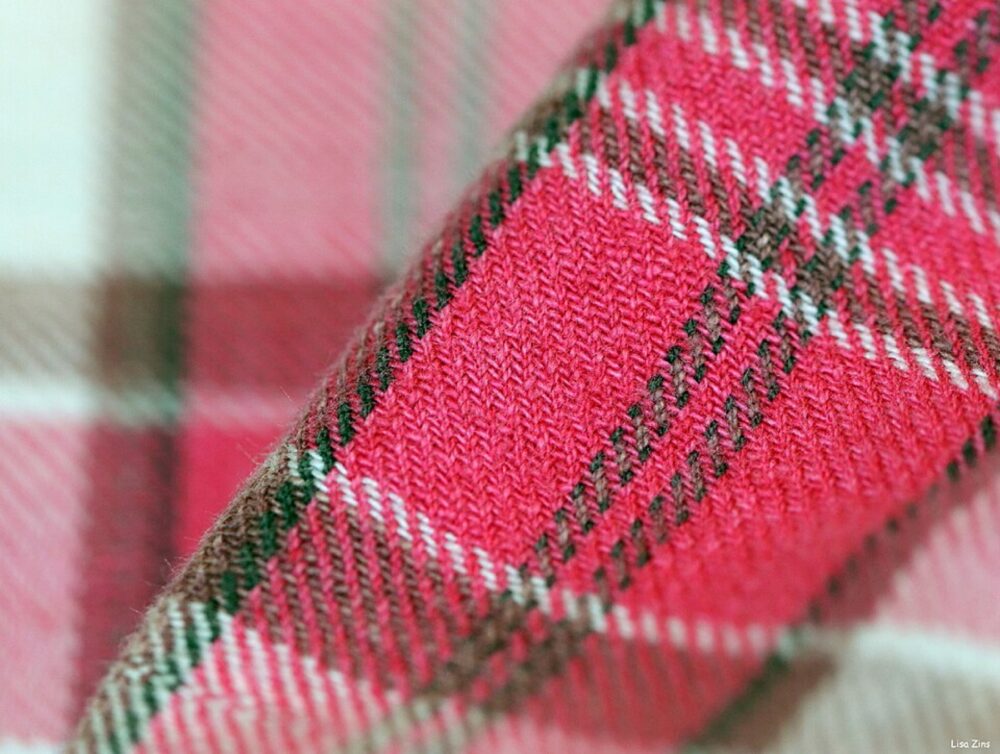
Wholesale flannel fabric and shirts are best sourced by first locking in the fabric specs and shirt quality your customer expects, then comparing channels on minimum order quantity (MOQ), reliability, and total landed cost. For a small US brand, that usually means testing styles with low-MOQ marketplaces like DHgate and other platforms, while leaning on US-based mills and distributors once you know which weights, plaids, and fits actually sell.
Flannel itself is a soft woven fabric, traditionally wool or cotton, used heavily for shirts and casual apparel.Source Wholesale supply splits into three main groups: fabric mills selling yardage and rolls, OEM manufacturers making finished flannel shirts, and domestic distributors who hold stock and break bulk for small buyers. Knowing which group you actually need is the difference between a smooth first season and a pile of unsellable flannels.
Wholesale Flannel Fabric and Shirts: How the Supply Side Actually Works
If you only search “wholesale flannel” you’ll see a mix of fabric yardage and finished shirts. Here’s how the supply side usually breaks down.
1. Fabric mills and wholesalers (yardage and rolls)
US-based wholesalers like Fabric Wholesale Direct and Big Z Fabric sell flannel fabric by the yard and in bulk rolls. They focus on solids and plaids, often in multiple weights suitable for shirts, loungewear, or crafts. This route makes sense if:
- You sew in-house or use a local cut-and-sew shop.
- You need control over pattern placement and sizing beyond standard ready-made shirts.
- You’re sampling multiple weights (e.g., lighter brushed cotton vs heavier winter flannel) before committing to production.
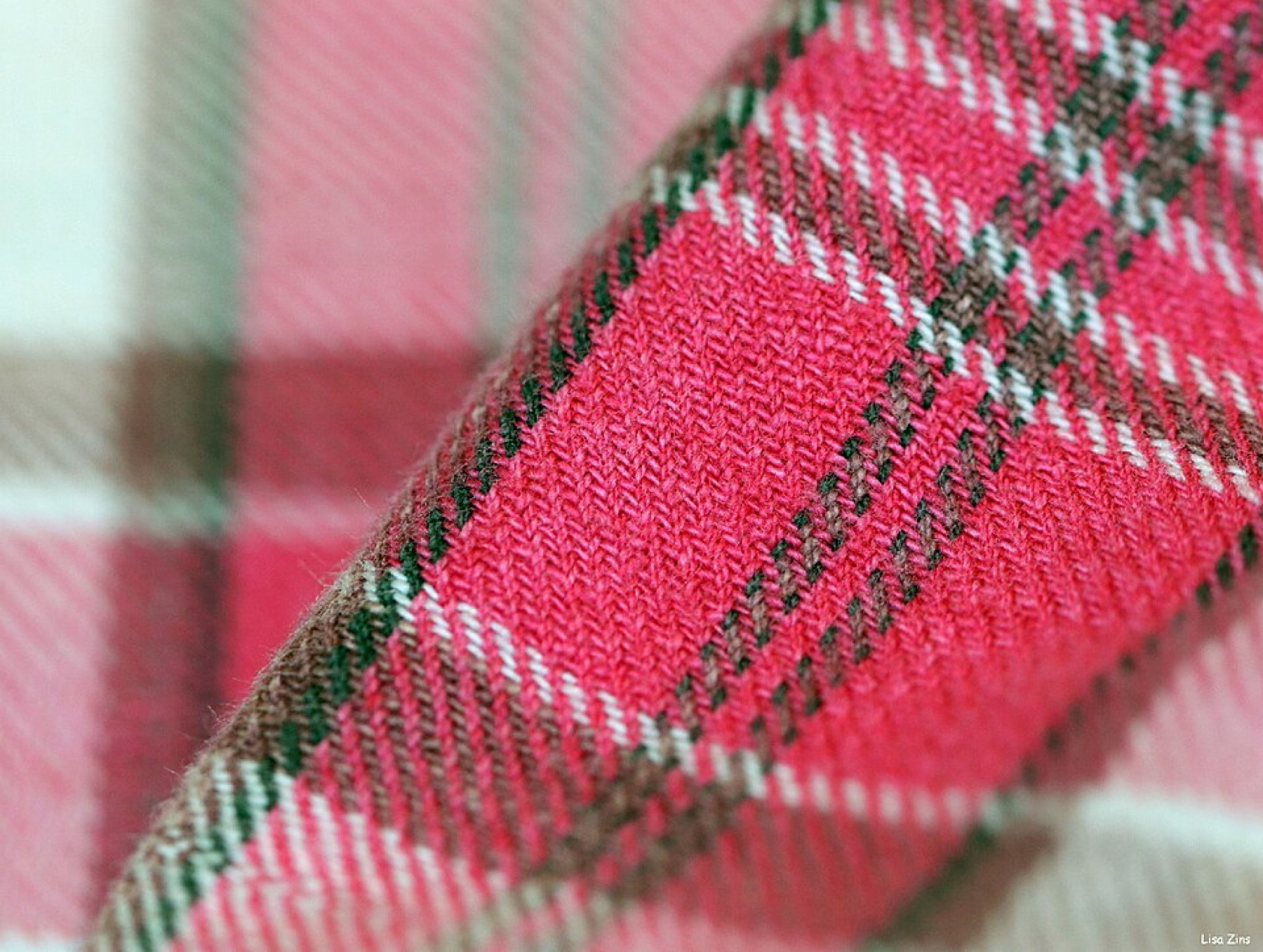
For cross-border fabric sourcing, similar mills and traders appear on marketplaces like Alibaba or Made-in-China. They tend to push higher MOQs (one or more full rolls per color) but may offer lower per-yard costs if you’re ready for volume.
2. OEM flannel shirt manufacturers
If you want finished shirts rather than fabric, you’re looking for OEM (original equipment manufacturer) or white-label producers. Brands such as Flannel Shirts USA and OEM-focused suppliers like Lisle Textile illustrate this model: they offer wholesale flannel shirts in set fits, colors, and sometimes private-label options.
This route suits you if:
- You sell standard flannel silhouettes (workwear, streetwear, lumberjack plaid) and can live with pre-defined fits.
- You prefer carton-level orders of finished garments over managing fabric, trims, and sewing capacity.
3. Distributors and stock wholesalers
US distributors and wholesalers (for example, multi-brand sites like ShirtMax’s flannel category or Joe’s USA flannels) carry finished flannel shirts from several brands, in stock, with lower MOQs. You trade away deep customization for speed and simple reorders.
For small ecommerce operations, this is often the first step: buy a modest quantity domestically, validate demand, then consider moving upstream to mills or cross-border OEMs to sharpen margins.
Choosing Reliable Flannel Suppliers: Quality, Verification, and Red Flags
Flannel can look good in photos but feel cheap or pill quickly once your customer wears it. Vetting suppliers is partly about marketplace signals and partly about asking fabric-specific questions.
Fabric and shirt quality checks
Use this short checklist when you request info or samples:
- Fiber content and weight: Ask for fiber composition (100% cotton vs blends) and fabric weight (g/m² or oz/yd²). Heavier isn’t always better; match weight to your climate and customer (workwear vs fashion).
- Brushing and handfeel: Flannel is characterized by its brushed surface. In samples, check that both sides are appropriately soft without feeling fuzzy to the point of shedding.
- Shrinkage and care: Request pre-wash measurements and care instructions. If you wash samples, measure before/after to see if shrinkage will wreck your size chart.
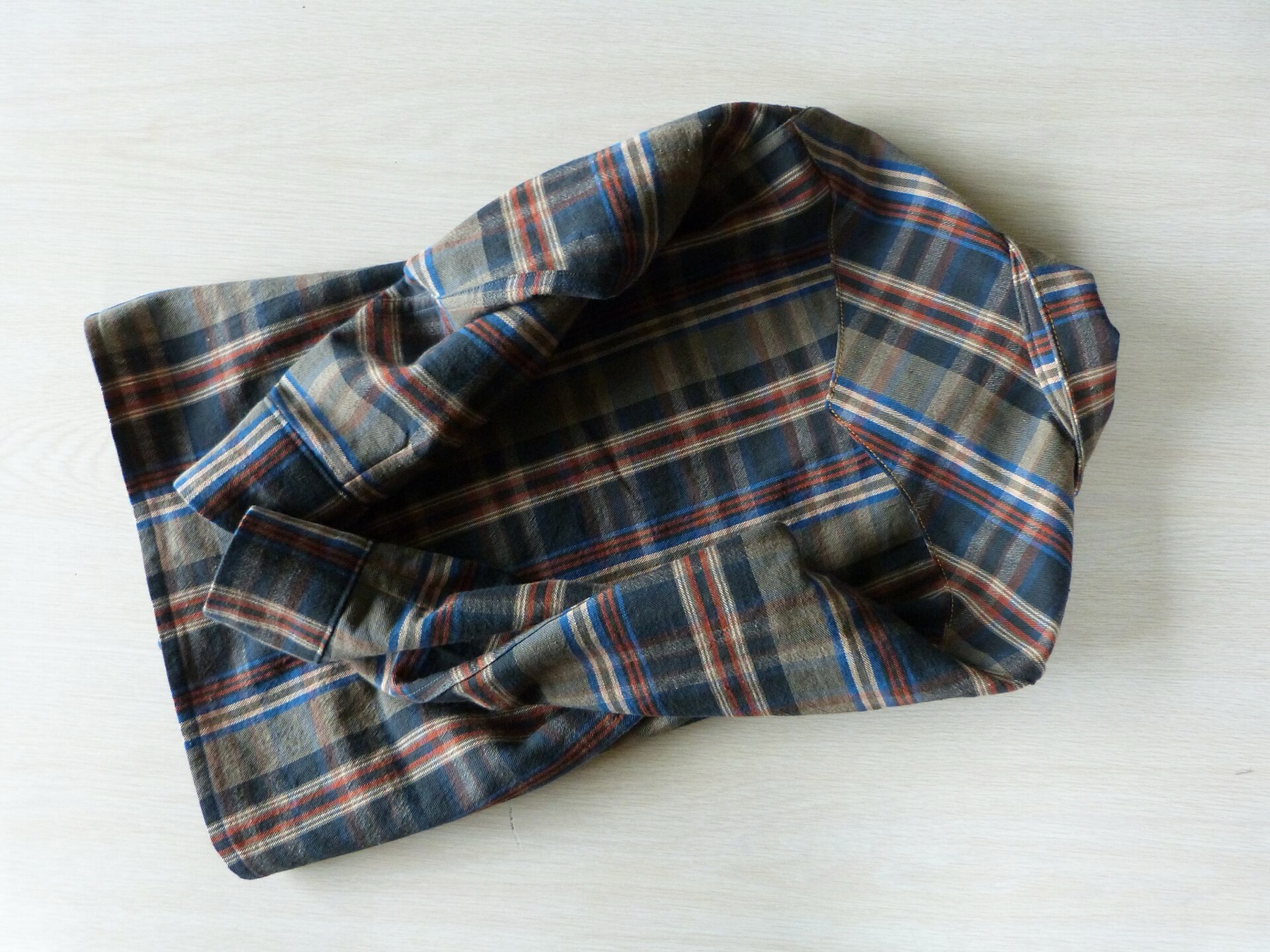
- Plaid alignment and sewing: On finished shirts, look at yoke, placket, and side seams to see whether the plaid lines match reasonably. Misaligned checks are a fast visual sign of cut-and-sew shortcuts.
Supplier verification and DHgate-specific signals
For cross-border marketplaces like DHgate, you don’t have one central “flannel supplier”; you have many independent sellers. DHgate is a China-based B2B marketplace connecting a large number of suppliers with global buyers, with tens of millions of product listings across categories.
You’ll mainly rely on listing-level evidence:
- Historical reviews: Read the specific comments for apparel items: do buyers mention fabric being thin, colors bleeding, or sizes running small? Flannel is sensitive to all three.
- Sampling before bulk: Where possible, start with the seller’s minimum sample quantity (even if it’s just a small order) to inspect fabric, fit, and labeling before moving to a carton order.
Red flags across channels:
- Vague fabric descriptions with no weight, fiber content, or clear photos of the weave.
- No real photos of actual production (only catalogue art) for OEM shirt makers.
- Sellers who refuse basic questions about shrinkage tests or sizing tolerances.
If you’re sourcing specifically on DHgate, it’s worth reading more focused guidance on finding and narrowing suppliers: Find DHgate suppliers and Choose a DHgate wholesale supplier.
MOQ, Pricing, and Channels: DHgate vs US Wholesalers and Other Marketplaces
Once you know the fabric and shirt quality you need, the practical question is: what will your order look like in each channel? Here’s a compact comparison based on typical patterns.
| Channel type | Typical MOQ pattern (editorial) | Pricing structure (editorial) | Best fit for… |
|---|---|---|---|
| US fabric wholesaler (rolls) | Full or half rolls per color (tens of yards) | Per-yard; discounts at roll-level and multi-roll buys | Brands sewing locally |
| US shirt distributor | Dozens of units per color/size mix | Per-piece; tiered discounts for case/carton orders | Small ecommerce & retail |
| DHgate apparel sellers | Often low MOQ; small lots possible | Seller-set prices with tiered per-piece discounts | Testing styles, small runs |
| Alibaba / Made-in-China OEMs | Higher MOQ (hundreds+ pcs per style, often) | Negotiated per-piece; best at scale | Scaling brands with proven demand |
How a small vs scaling brand might use these channels
Scenario: new small apparel brand (first flannel season)
- Start with US stock distributors for 50-100 shirts per style to validate patterns and fits quickly.
- In parallel, place one or two low-MOQ test orders with DHgate sellers using tiered pricing to compare costs and quality against domestic stock.
- If DHgate samples meet your quality bar and buyer reviews look consistent, you can use that marketplace for small repeat orders while you’re still under 500 units per style.
Scenario: scaling brand (hundreds–thousands of units)
- Use US flannel fabric wholesalers like Fabric Wholesale Direct or Big Z Fabric to secure fabric specs, then work with either domestic or overseas OEMs (via Alibaba/Made-in-China or direct) for cut-and-sew.
- DHgate may still be useful for occasional limited runs or experimental colorways where you don’t want to commit to a full-production MOQ.
Cross-border risk callout
Any cross-border sourcing—whether on DHgate, Alibaba, or elsewhere—adds:
- Longer lead times and more complex logistics.
- Communication challenges around specs and tolerances.
- Higher consequences if the fabric weight or shirt fit is wrong.
Before choosing a DHgate supplier, use Find wholesale suppliers on DHgate.
For flannel specifically, misaligned expectations on weight, brushing, and shrinkage can make a whole shipment unsellable. That’s why low-MOQ test orders and clear documentation of fabric specs matter more here than in categories where subtle quality differences don’t show up until months later.