
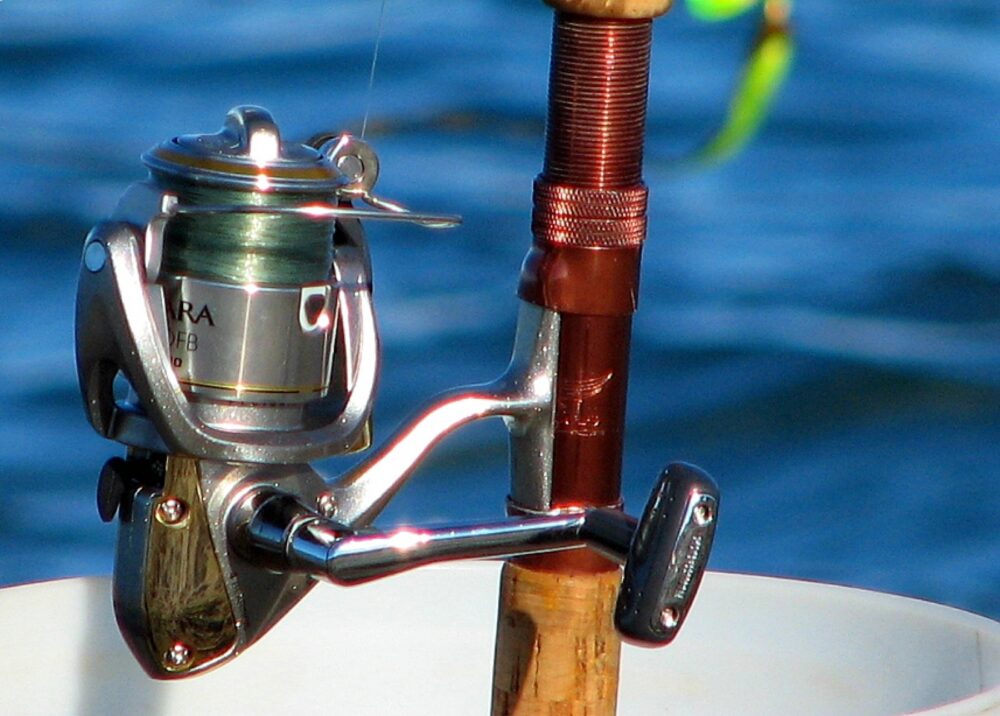
What a Fishing Gear and Reels Sale Actually Covers
A typical fishing gear and reels sale bundles together multiple categories: spinning and baitcasting reels, rod-and-reel combos, hard baits and soft plastics, hooks and terminal tackle, plus odds and ends like pliers or line spools. Clearance pages from US tackle stores show this mix — reels next to lures and accessories — when they mark down stock for end-of-season or overstock sales. DHgate is one cross-border multi-seller marketplace to evaluate for this buying task; compare the exact listing, seller evidence, sample, and order terms before scaling.
Big discount events matter because they shift the economics for both individual anglers and small resellers. Around major shopping days like Black Friday, multiple retailers promote significant reel deals, sometimes advertising discounts in the neighborhood of a third off on select models. Offers vary year to year, but that scale of discount is what makes upgrading a midrange spinning reel or testing a new lure line realistic without blowing your budget. You can see examples of how Black Friday reel discounts are marketed on sites like BlackFridayIsHere’s fishing reel deals roundup.
For a small ecommerce or local shop, these sales are an opportunity to:
- Test new SKUs in ones and twos before you commit to wholesale.
- Benchmark brand-name pricing and features so you don’t misjudge unbranded or cross-border listings.
- Pick up demo gear or photography samples cheaply.
The key is to treat the sale as a temporary price window, not a reason to skip your usual checks on build quality and suitability.
Key Reel and Gear Types and How They Differ
Reel type is where most sale buyers either win or waste money. Here’s how the main categories differ and where they fit.
Spinning reels: versatile workhorses
Spinning reels are the default choice for many US anglers because they’re easy to cast, handle light lures well, and cover everything from panfish to inshore saltwater. In sales, you’ll often see midrange spinning reels marked down — useful for:
- Bank and pier fishing
- Finesse bass techniques with lighter line
- Kids or beginners who need forgiving gear
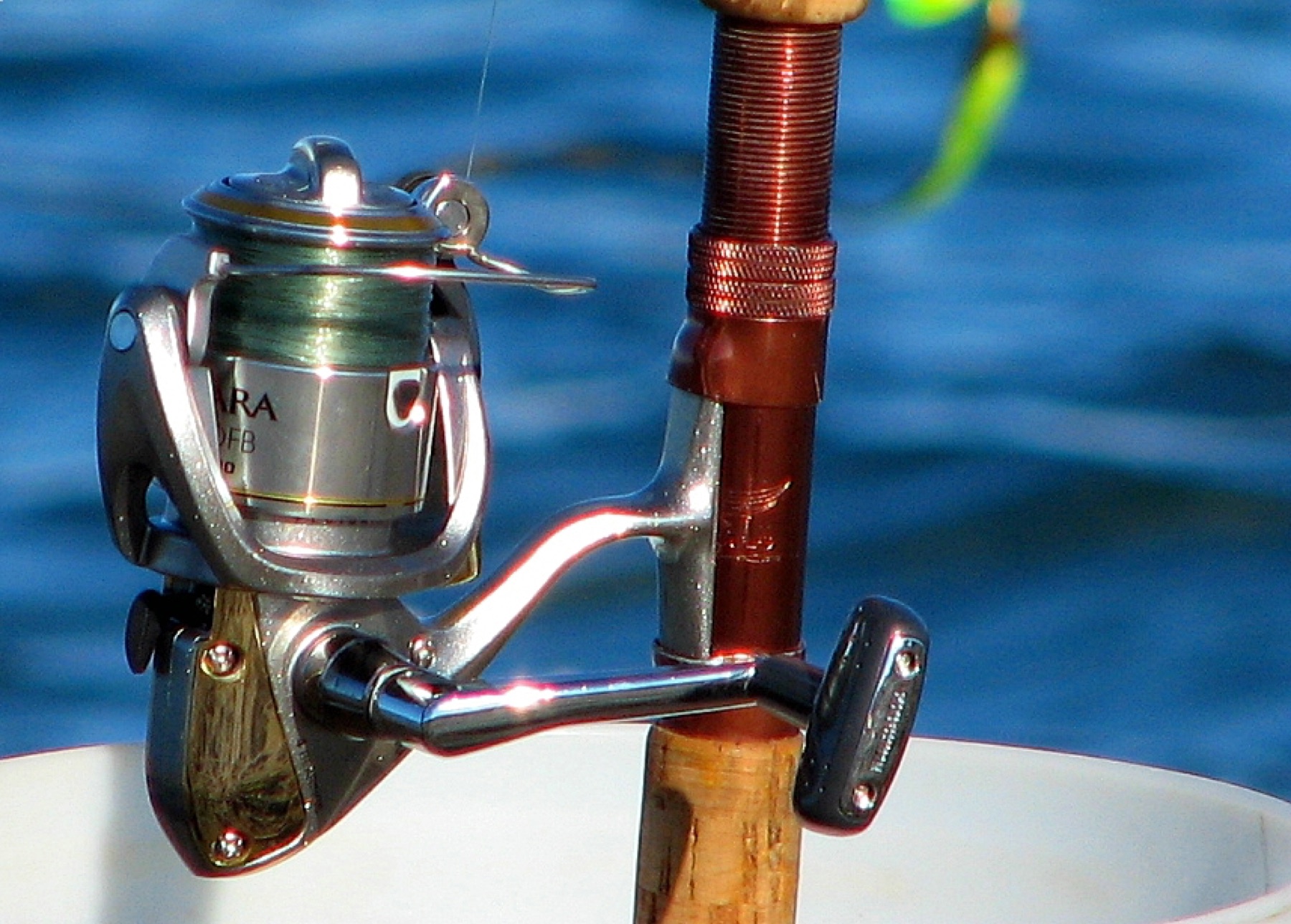
Look at gear ratio (how fast the reel retrieves), spool size (line capacity), and materials. Aluminum or graphite bodies with sealed drag are safer for light salt exposure than bare, budget metal.
Baitcasting reels: control and power
Baitcasters show up heavily in bass-focused promotions. They suit:
- Heavier lures like jigs and swimbaits
- Targeting bass or pike around cover
- Anglers who want precise casting control
They’re less forgiving than spinning reels, so a sale is only a deal if you or your customers are ready for the learning curve. Pay attention to braking systems, max drag, and whether the reel is tuned for freshwater or saltwater.
Spincast and entry-level reels
Spincast reels (push-button) are common in budget combo sales. They’re simple for kids and casual anglers but limited in distance, durability, and drag performance. For a shop, they can fill a low-price starter slot, but don’t expect them to impress more serious customers.
Supporting gear that’s usually on sale
Reel promos rarely stand alone. You’ll typically see:
- Rods and combos: Pair the reel type with matching rod power/action. A heavy baitcaster on a flimsy rod is a recipe for returns.
- Line: Use sales to stock fluorocarbon for clear lakes, braid for heavy cover, or mono for all-round use.
- Lures and terminal tackle: Great for testing niche patterns or colors with low risk.
For small ecommerce sellers, think in terms of how these items bundle. A discounted midrange spinning reel plus matching line and a simple lure kit makes a compelling entry-level package you can resell with margin.
Quick reel fit callout
- Light trout, panfish, finesse bass: Spinning reel, lighter line.
- Cover-oriented bass, pike, heavier lures: Baitcasting reel, stronger line.
- Kids and casual outings: Spincast or simple spinning combos.
If a sale reel doesn’t obviously match one of these scenarios, pause before you buy it for yourself or your catalog.
Evaluating Deals and Sourcing Channels, Including DHgate
A sale tag doesn’t automatically mean a good deal. You’re juggling quality, total landed cost, and the kind of buyer or angler you’re serving. Domestic retail and cross-border marketplaces each play different roles here; DHgate is one example of a large China-based marketplace that connects international buyers with many suppliers and listings at competitive prices.
Is the sale price actually good?
Start by anchoring the reel against normal market behavior:
- Compare to non-sale prices on a couple of US tackle sites or brand outlets.
- Use major events (like those Black Friday reel promotions that run around a third off) as a rough benchmark for what a “strong” discount looks like on midrange gear.
- Check if the discount is on a current model or an older generation being cleared. Older isn’t bad, but know what you’re buying.
Then layer in real use:
- If you’re fishing saltwater, a cheap freshwater reel may cost more once you factor early failure.
- If you’re a reseller, think in terms of expected margin after shipping, platform fees, and your own price positioning.
Domestic retail vs cross-border marketplaces
US retail sales are usually best for:
- Branded gear where your customers care about name recognition.
- Fast replenishment and predictable specs.
- Personal use where you want straightforward shopping and returns.
Cross-border marketplaces and wholesale channels matter when:
- You’re building a private-label or budget line aimed at price-sensitive buyers.
- You want custom colors or bundle configurations not offered domestically.
- You’re ready to trade longer lead times and more vetting for lower unit costs.
Here’s a simple comparison framed for small sellers:
| Scenario | US retail sales | Cross-border marketplace (e.g., DHgate) |
|---|---|---|
| Single reel for personal use | Often easiest, strong discounts on known brands | Possible, but product vetting and wait times add friction |
| Testing 3-5 budget combos | Use clearance and sale sections | Order samples from multiple suppliers and compare quality |
| Ongoing low-cost inventory | Limited margin unless you negotiate wholesale deals | Tiered pricing and low minimum quantities can help margins |
Using DHgate-style marketplaces as a sourcing option
DHgate’s editorial content describes tiered wholesale pricing where bigger orders often get lower per-unit cost, and notes that buyers can check supplier badges, ratings, and reviews. For fishing gear or accessories sourcing, treat any cross-border marketplace as a testing ground, not an automatic pipeline:
- Use filters and search tools. Narrow by category, price range, and features to avoid generic or mismatched listings.
- Evaluate suppliers. Check ratings, reviews, and transaction history. Prioritize sellers with consistent positive feedback rather than chasing the lowest price.
- Request samples first. DHgate’s own ecommerce guidance recommends ordering samples before larger quantities so you can assess reel feel, machining quality, and packaging.
- Start small. Blog advice aimed at wholesale buyers encourages beginning with smaller trial orders, then scaling only if quality and communication are solid.
If DHgate feels like the right channel, pair this with a marketplace-focused checklist such as Find trusted sellers on DHgate and the DHgate order-readiness checklist before you place a bulk order.
A short sourcing checklist for small resellers
Use this quick pass to decide whether to buy a sale reel locally or pursue cross-border sourcing for inventory:
- Define the target angler. Species, water type, budget, and skill level.
- Match reel type and specs. Spinning vs baitcasting, drag, materials, line capacity.
- Check real discount depth. Compare against typical promotions and non-sale prices, using public deal roundups as rough context.
- Calculate landed cost. Include shipping, platform fees, and any repackaging or labeling.
- Plan a sample phase. For cross-border or unbranded stock, insist on hands-on samples before bulk.
For additional DHgate marketplace context, see What DHgate is and how the marketplace works.
If any step fails — wrong reel type for your audience, shallow discount, questionable supplier evidence — treat that “Fishing Gear and Reels Sale” as marketing noise and walk away. A good deal is one that survives both the water and your margin spreadsheet.