
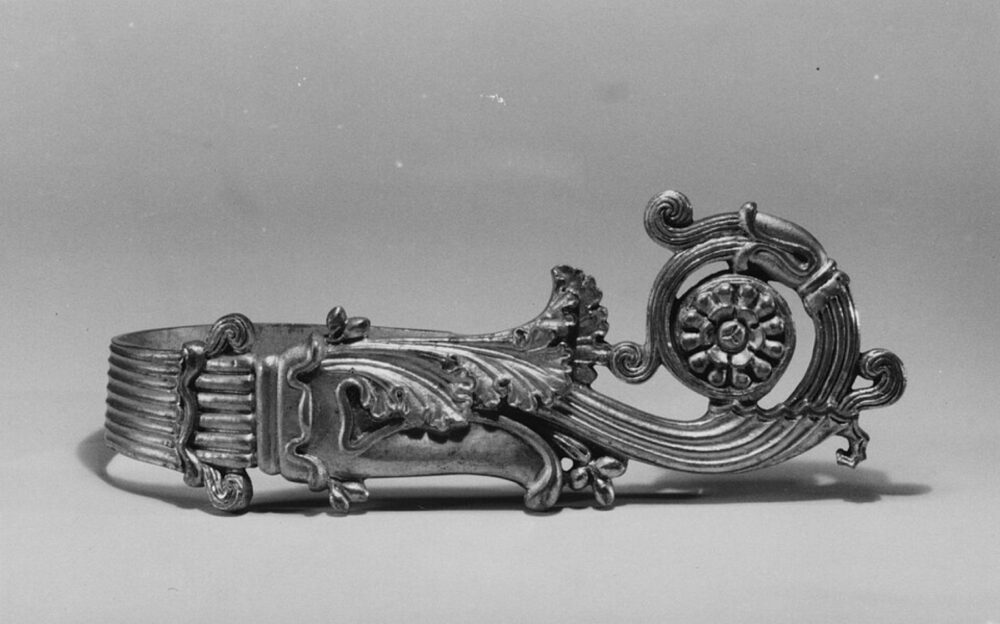
If you’re a US-based small decor brand or online shop, the goal is simple: buy a design you can reorder, hit an illustrative 40%+ margin on retail, and avoid surprises on second and third orders. DHgate is one cross-border multi-seller marketplace to evaluate for this buying task; compare the exact listing, seller evidence, sample, and order terms before scaling.
What Actually Makes Up the Cost of Wholesale Curtain Tiebacks
For imported curtain tiebacks, your true cost per unit is the landed cost – everything it takes to get each piece ready for sale in the US.
A practical formula you can use:
Landed cost per tieback =
(Product cost + International shipping + Duties/tariffs + Payment & banking fees + Handling/overhead) ÷ Number of tiebacks
Those buckets work like this:
- Product cost – the invoice total for the tiebacks themselves. On DHgate this is the unit price times quantity; with a manufacturer it might be a contract price for custom tassel, rope, or beaded tiebacks.
- International shipping – freight from the seller to you. Express air, postal parcels, and freight forwarders will all produce very different numbers per unit.
- Duties/tariffs – any import charges assessed at the border. These depend on HS code and current rules; talk to a customs broker or consult official US sources rather than guessing.
- Payment & banking fees – card processing, currency conversion, or transfer fees spread across the order.
- Handling/overhead – packaging, storage, and any labor involved in receiving and repacking.
Sample landed-cost math for a tieback order
Say you test a bulk order of decorative tassel tiebacks:
- Product subtotal: $600
- International shipping: $160
- Duties/tariffs: $70
- Payment & banking fees: $20
- Handling/overhead allocated to this order: $50
- Units: 400 tiebacks
Total cost = 600 + 160 + 70 + 20 + 50 = $900
Landed cost per tieback = 900 ÷ 400 = $2.25
If you plan to retail them at $5.00, your gross margin is:
Margin % = (Retail price − Landed cost) ÷ Retail price × 100
>
= (5.00 − 2.25) ÷ 5.00 × 100 ≈ 55%
DHgate’s own editorial on wholesale notes that online sellers can see margins around the mid‑40% range as a good benchmark, with brick-and-mortar often lower. Treat those numbers as directional: if your tieback math comes out far below that, your plan may be too tight.
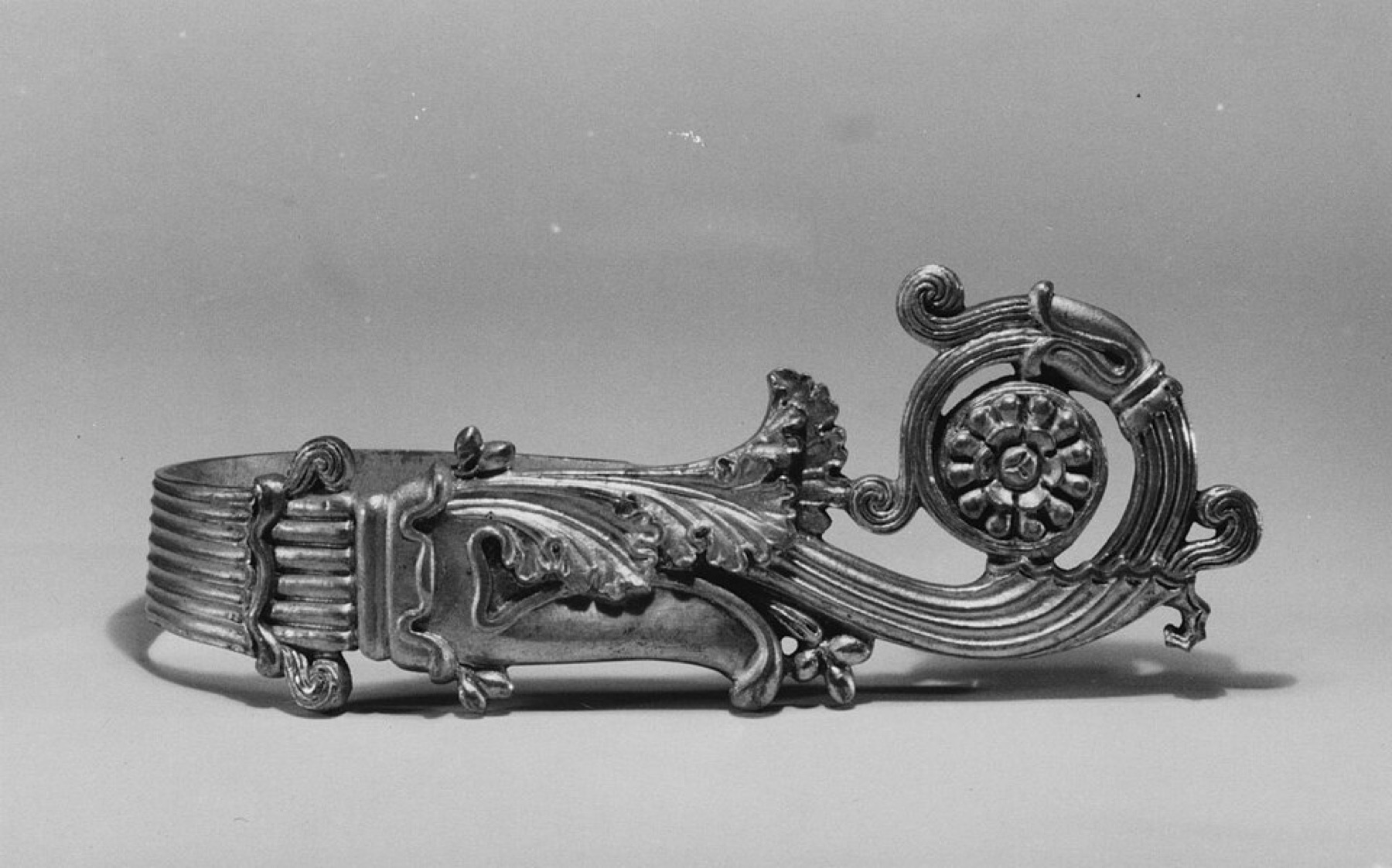
How MOQ, Customization, and Shipping Choices Change Your Price
On DHgate and most wholesale channels, price isn’t static. Three levers move your unit cost and risk profile:
1. MOQ and tiered pricing
DHgate’s wholesale guidance makes it clear that prices vary with order quantities. Sellers often set price tiers – for example, one unit price at the minimum order quantity (MOQ), and lower unit prices at higher breaks.
Practically, that means:
- Ordering just at MOQ keeps cash outlay low but usually locks you into the highest unit price tier.
- Stepping up to the next price break can lower landed cost per tieback even after extra shipping and duties.
Margin callout:
If raising quantity from 200 to 400 pieces drops the unit price enough that landed cost falls by, say, 15-20% per unit, your margin can jump from something like 35% to over 45% – but only if you can actually sell the extra inventory.
So you should spreadsheet at least two quantity scenarios before deciding.
2. Custom designs and complex styles
Specialist trim makers such as Evnub Trims and Mohit Handicrafts showcase OEM/custom tiebacks – rope, tassel, beaded and more.
Customization drives cost in three ways:
- Development cost – artwork, sampling, and set-up that have to be amortized over your first big run.
- Higher piece cost – more material or handwork per tieback.
- Risk of misfit – if your branding or colorway misses the market, you own that inventory.
For a budget-first buyer, custom is usually only worth it when you have a clear brand story and a path to repeat orders. Otherwise, standard collections from these manufacturers or mass-market DHgate listings are safer.
3. Shipping method and lead time
Shipping choices change your cost curve:
- Fast air shipping raises your landed cost per unit but protects against stockouts or missed seasonal windows.
- Slower, cheaper methods can lower unit cost significantly for steady, evergreen tieback designs.
The trick is to align method with reorder rhythm. For example, you might:
- Switch to slower, cheaper shipping once you’ve validated a seller and locked in a design you’ll reorder.
DHgate vs Other Channels: Where Does It Really Save You?
Here’s how they typically stack up for budget decisions:
| Channel type | Typical product offering | Cost & pricing behavior | Best budget-fit scenarios |
|---|---|---|---|
| DHgate (global marketplace) | Broad mix of generic and branded tiebacks, from simple rope loops to decorative tassels, sold by many independent sellers. | Unit prices often drop with quantity tiers; DHgate editorial highlights bulk discounts and occasional promotions that help offset tariff-driven cost pressure. | Good when you want low unit cost on relatively standard designs, are willing to compare multiple sellers, and can take advantage of bulk tiers or sales campaigns. |
| Specialist trim manufacturers (e.g., Evnub Trims, Mohit Handicrafts) | Deep collections of tassel, rope, and beaded tiebacks, plus OEM/custom designs tailored to your brand. See examples at Evnub Trims. | Prices are usually structured around larger bulk orders and custom work; you may pay more per unit but get tighter control over design and consistency. | Best if you’re building a signature look or need consistent trims for drapery lines, and you’re ready to commit to bigger volumes and longer relationships. |
| Wholesale marketplaces with domestic-focused logistics (e.g., Faire) | Curated brands offering tiebacks and holdbacks alongside other home decor; often more design-forward, less generic. | Pricing tends to be higher than factory-direct but wrapped into simpler domestic shipping and payment flows. Discounts are brand- or platform-promotions rather than factory tiers. | Strong fit for boutiques that value design and simplicity over rock-bottom cost, and prefer domestic-style ordering and replenishment. |
In short, DHgate tends to win on raw cost per piece, especially when you push into bulk tiers or catch a promotion. Trim manufacturers win on depth and customization. Domestic wholesale platforms win on simplicity and brand cachet.
If your strategy is mainly budget-driven resale, DHgate is worth a hard look as long as you do the math and compare landed cost against offers from trim specialists and marketplaces.
A Simple Sample Order Walkthrough (And How to Use It for Reorders)
Use this worked example as a template for your own curtain tieback deals.
- Define your test SKU and channel
Suppose you pick a midrange tassel tieback from a DHgate seller and a similar style from a specialist like Evnub Trims. Your goal is 40-50% margin at a $6 retail price.
- Request quotes and, if possible, samples
- From the DHgate seller: get tiered prices at 100, 300, and 500 units.
- From the manufacturer: request bulk pricing for 300 units of a standard collection style (not fully custom yet).
- Estimate landed cost for each option
Use the landed-cost formula, plugging in each quote plus realistic shipping and duty estimates. Don’t forget payment fees.
- Compare margin per unit and cash tied up
If the DHgate 300‑unit tier gives you a landed cost of, say, $3.00 on a $6.00 retail (50% margin), while the manufacturer comes out at $3.70 (38% margin), you now have a concrete tradeoff: better margin vs potentially better branding/consistency.
- Plan the reorder trigger
Decide the inventory level at which you’ll reorder and at what quantity tier. Because DHgate’s editorial stresses that building relationships with reliable suppliers can unlock extra discounts, it makes sense to:
- Start at the mid tier (300 units), validate quality over a month or two.
- Move to a higher tier for reorders only if sell-through is strong and your landed-cost math stays favorable.
For US buyers who want more context on duties as they refine these calculations, see the separate guide on customs, tariffs and import fees.
If you find that all your DHgate scenarios barely clear a 30% margin while offers from trim manufacturers or curated wholesale platforms land closer to 40-45%, your budget decision is straightforward: DHgate isn’t the right channel for that SKU. You’re better off paying a bit more for a design-forward product that still meets your margin targets.
For broader marketplace tradeoffs beyond curtain tiebacks, you can compare DHgate to other major platforms in more depth here: Compare DHgate with AliExpress, Alibaba and Temu. And if you decide DHgate is the right cost play, this overview on finding wholesale suppliers on DHgate will help you narrow your seller list before you run the numbers.