
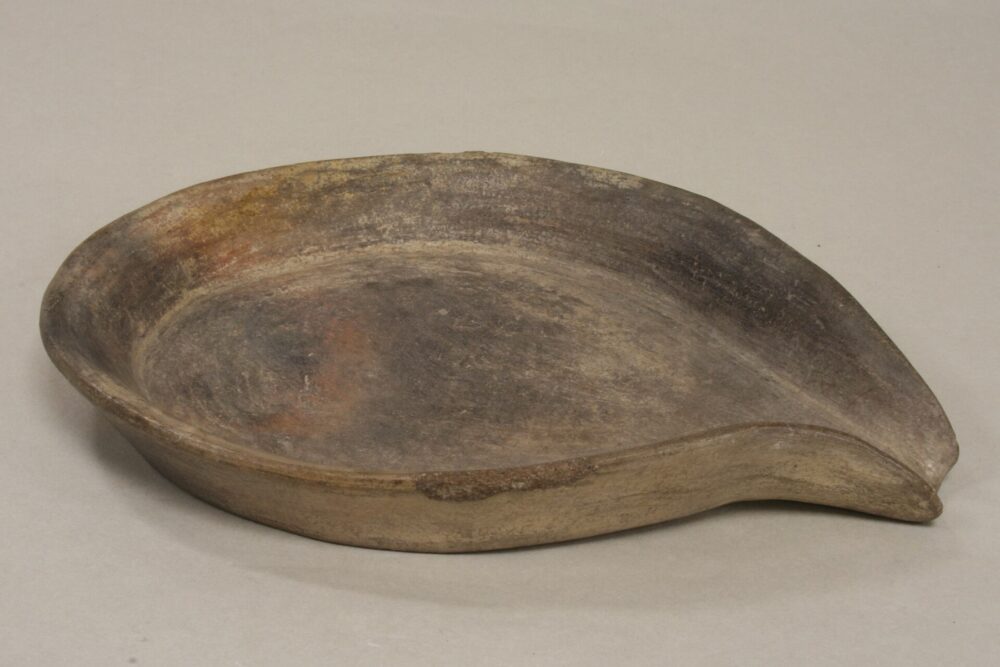
Wholesale sourcing ceramic paint mixing trays for a US art or craft business means turning artist needs into a clear spec, then testing suppliers and samples before you commit to heavy, fragile inventory. In practice you’ll define material, glaze, well layout and size, ask overseas factories for quotes and samples, and compare the total landed cost across channels like DHgate, Alibaba, domestic wholesalers, and curated platforms such as Faire or FCLUB. DHgate can be useful for small test runs because many sellers there promote flexible quantities and tiered pricing, but you still have to judge each listing on its own merits.
How Wholesale Ceramic Paint Mixing Tray Sourcing Works
Ceramic paint mixing trays are durable palettes with a smooth, kiln-fired surface that resists staining and is easy to wipe clean. They’re popular with watercolor and gouache artists because the hard, usually white surface keeps colors bright and doesn’t degrade over time the way some plastics can.
For wholesale, the distinct factors are:
- Material and glaze: Most trays are porcelain or stoneware with a glossy white glaze. You want smoothness (for easy lifting of paint) and stain resistance, not a matte, absorbent finish that grabs pigment.
- Well layout: Trays range from simple dishes to complex palettes with many wells. Bulk sets like the 100-piece ceramic palettes offered by art suppliers such as FCLUB Art Supply show the demand for multi-well trays in classrooms and workshops.
- Dimensions and weight: A multi-well ceramic palette can be fairly large and heavy. That affects carton weight, freight class, and breakage risk when you move from a few pieces to pallet quantities.
- Intended use case: Individual artist palettes, classroom sets, paint brand bundles, or gift-boxed sets all drive different packaging and branding needs.
If you want to see how finished palettes are described at retail, marketplaces like Amazon carry small ceramic artist trays that emphasize easy cleaning and suitability for watercolor and gouache. For example, an Amazon listing for a set of three 7‑well porcelain trays highlights their stain resistance and smooth surface for mixing water-based paint.Amazon ceramic artist paint trays
To keep supplier conversations on track, build a simple spec sheet. Here’s a template you can copy into email:
Ceramic Paint Mixing Tray Spec Template
- Use: watercolor/gouache trays for retail sale in the US
- Material: porcelain or stoneware, high-fired
- Glaze: glossy white, smooth, stain-resistant, lead-free
- Size: overall length x width x height (inches or cm)
- Well count and layout: e.g., 12 round wells plus 3 mixing areas
- Bottom finish: flat or footed; must sit stable on table
- Logo/branding: printed mark on underside (yes/no), artwork supplied by buyer
- Packaging: individual box or bulk-packed; insert options (kraft box, foam, etc.)
- Quality tolerance: no sharp edges; glaze coverage consistent, no obvious pinholes
- Target order: first order sample quantity, then test batch (e.g., 50-200 pcs)
Sending a spec like this up front tends to produce faster, more accurate quotes from both domestic and cross-border suppliers.
Choosing and Managing Cross-Border Suppliers for Ceramic Palettes
For overseas sourcing, your main challenges with ceramic trays are consistency (glaze, shape) and survival during shipping. You reduce risk by combining supplier checks with aggressive sample testing.
Use these steps when approaching factories or marketplace sellers:
- Shortlist 3-5 suppliers that clearly make ceramics
On open marketplaces, filter for “ceramic” or “porcelain” palettes and ignore generic kitchenware traders that don’t show art trays. On factory directories, look for kilns and ceramic tableware/palette product lines.
- Check evidence of experience, not just stars
Editorial guidance from DHgate’s blog on sourcing components recommends looking at reviews, transaction history, and ratings when evaluating suppliers. Apply the same logic here: you want demonstrated orders for ceramic or dinnerware items, not only a few sales of unrelated products.
- Send a detailed spec and ask 5 targeted questions
Use your spec template and add:
- What firing temperature and clay body do you use?
- Can you share close-up photos of glaze and tray edges?
- How do you pack trays to prevent breakage for export shipments?
- What is your usual defect allowance and how do you handle replacements in future orders?
- Lead time for samples and for a 100-200 piece test order?
- Order samples before any bulk commitment
Several DHgate blog pieces on sourcing and bulk buying stress ordering samples before large orders and testing quality. Treat those samples like a mini quality audit:
- Check glaze smoothness and coverage under good light.
- Rub strong staining pigments; see how well the tray cleans.
- Inspect the underside and edges for chips or warping.
- Drop-test packaging: re-pack a sample tray as received, then gently shake or drop the box from desk height to see if the packing is realistic for parcel shipping.
- Document defects and manufacturing variation
With ceramics, minor glaze specks may be acceptable, but warped trays or sharp edges are not. Decide what you’ll accept and write that into your email when you move from samples to a test order.
Clear expectations and sample-based decisions matter more here than in many other categories because ceramic production is batch-based and heavy products amplify shipping problems.
To sharpen your supplier search and evaluation flow, you can also lean on DHgateWiki’s broader guides like Find wholesale suppliers on DHgate or Find DHgate suppliers when you’re specifically looking at DHgate listings.
MOQ, Pricing and Channel Choices: DHgate and Alternatives
Cross-border marketplaces, including DHgate and Alibaba, usually connect you directly with suppliers in China and other manufacturing hubs:
- DHgate’s editorial blog describes it as a marketplace where you source products directly from suppliers, using filters to find items, then checking supplier ratings, reviews, and transaction history before ordering samples.DHgate sourcing guide
- Other DHgate articles highlight tiered pricing and flexible order quantities: sellers often quote lower prices at higher quantities and allow small buyers to start with modest orders rather than strict high MOQs.DHgate tiered pricing overview
- Additional guidance encourages buyers to start with smaller quantities to test quality and notes that higher prices don’t automatically mean better quality; you still need to consider seller reputation and product details.DHgate bulk buying tips
| Channel type | Typical MOQ feel* | Pricing feel* | Logistics burden for US buyer* |
|---|---|---|---|
| Cross-border multi-seller marketplaces (e.g., Cross-border multi-seller) | Often flexible; samples and small test orders are commonly offered | Often lower per unit at higher quantities; tiered pricing common | Higher: you arrange international shipping and customs, and must manage breakage risk with each seller |
| Factory portals (e.g., Alibaba) | Often medium–high, especially for custom work; samples negotiable | Factory-level prices can be strong for larger runs | Higher: you may be dealing with freight, customs brokers, and larger consolidated shipments |
| Curated wholesale platforms (e.g., Faire) | Usually case packs but smaller MOQs than factory orders | Higher per piece; you pay for curation and brand positioning | Lower: domestic shipping, consolidated billing, and simpler communication |
| Niche art wholesalers or distributors | Case packs or bulk cartons focused on art supplies | Mid–high; you pay for specialization and predictable specs | Lower: they already understand artist needs and typical palette use cases |
\*Editorial impressions based on typical marketplace behavior and retailer offerings, not fixed rules.
Because ceramic trays are heavy and fragile, always fold a basic landed-cost checklist into your buying decision:
- Unit price + printing/branding
Compare across channels: cross-border factory trays may be cheaper per unit, but curated domestic palettes often include branding and packaging tuned for retail.
- Packaging upgrade cost
Factor in inserts, dividers, foam, and stronger cartons. Cheap packaging can erase savings if breakage is high.
- Freight
- Expected breakage rate
Use your sample packing tests to set an expected damage percentage and cost it out.
- Time and effort to resolve issues
Communicating across time zones and languages adds friction; domestic wholesalers may cost more but absorb some of that complexity.
Once you run those numbers and see what your customers will actually pay for a ceramic palette, you’ll know whether a cross-border marketplace makes sense for small experimental batches, or whether the predictability of a domestic or curated wholesaler is worth the extra margin squeeze.
If you decide DHgate is part of your sourcing mix, you can deepen your playbook with DHgateWiki’s process articles such as Choose a DHgate wholesale supplier, which walk through selection and vetting in more detail, and Find wholesale suppliers on DHgate for practical search strategies tailored to the platform.