
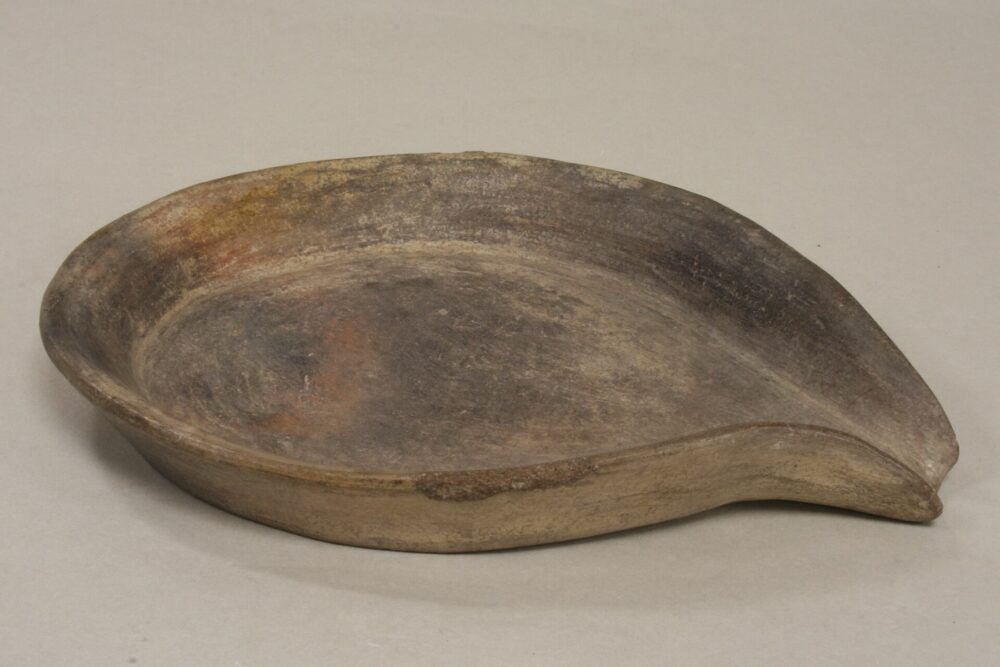
Ceramic paint mixing trays are worth treating as a niche, fragile art tool, not a generic bulk item. For a small US shop, the most practical path is to use DHgate and similar China‑based marketplaces to shortlist a few tray designs and suppliers, order samples first, and then lock in a repeatable minimum order that matches your real demand. DHgate is useful here because its suppliers often work with relatively low MOQs and tiered pricing, which lets you test small ceramic batches before you commit to larger imports.
How Ceramic Paint Mixing Trays Fit into Cross-Border Wholesale
Ceramic trays are essentially artist palettes made from porcelain or other ceramics. Retail listings for products like Pintar or Meeden ceramic palettes on sites such as Best Buy and Michaels show the typical features: multiple wells, smooth white non‑porous surfaces, and shapes optimized for watercolor, gouache, or ink.
Most of these trays are manufactured in China and broader Asia, where ceramics factories and OEM art‑supply makers cluster. That makes cross‑border sourcing natural, but it also means you’re shipping breakable goods across an ocean. Trays are heavy and fragile, so shipping costs and packaging standards matter more than they would for, say, plastic palettes or brushes. Demand is also niche: serious watercolorists, studio programs, and curated art shops buy them, but they’re not a mass commodity like canvas panels.
Those realities shape your wholesale expectations:
- You’ll often find many small factories and trading companies rather than a few big brands.
- Unit prices can look attractive, but shipping and breakage risk can erase savings if you buy blindly.
- Sensible MOQs for a small US seller are modest (dozens, not thousands), which aligns with marketplaces like DHgate that are comfortable serving small importers.
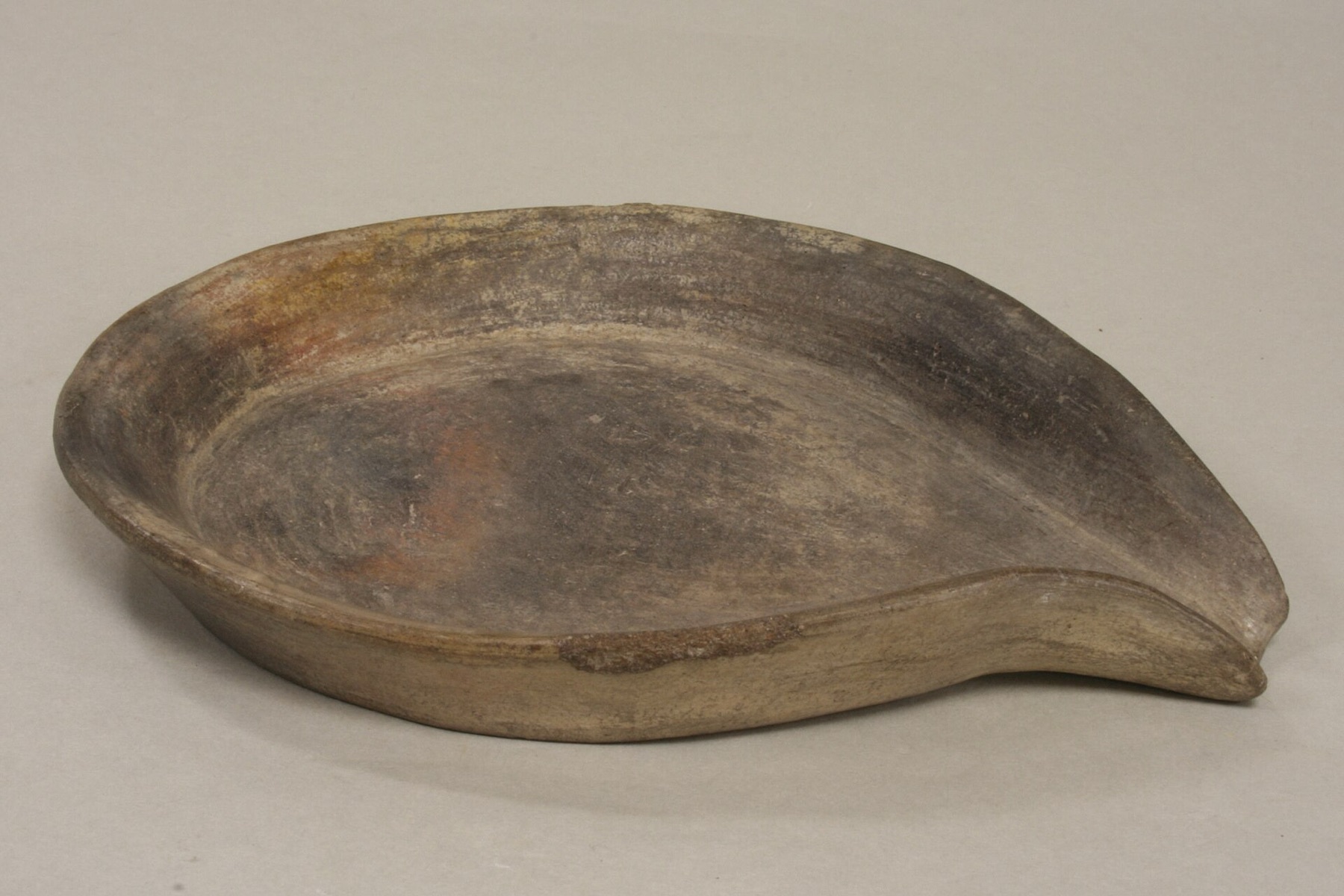
Evaluating Ceramic Tray Suppliers and Listings on DHgate and Other Marketplaces
DHgate is a large China‑focused B2B marketplace that connects manufacturers and suppliers with global buyers. Its own editorial guidance suggests a structured sourcing flow: use filters and search tools to find products, check supplier ratings, reviews, and transaction history, and order samples before bulk purchases. That generic advice becomes much more specific once you’re dealing with fragile ceramic trays.
A practical workflow for a small art or ecommerce business:
- Define your tray spec before you search
Decide what you actually need for your customers: number of wells, approximate size, whether you want a lid, and whether the tray should feel premium (heavy porcelain) or more utilitarian. Pull concrete examples from retail sites like Etsy’s ceramic mixing tray category to clarify the look and finish you’re aiming for.
- Shortlist a few promising DHgate suppliers
On DHgate, search for terms like “ceramic watercolor palette” or “porcelain mixing tray.” Use filters where available (material, category) to narrow down. DHgate’s own blog advises buyers to avoid grabbing the first listing and instead focus on a few specific items and suppliers, then compare them on MOQs, capabilities, certifications, and feedback. Treat that as your rule: 3-5 candidates is a good working set.
- Read the listing as if you’re reading a technical spec
For trays, you care about:
- Exact dimensions and weight (for both usability and freight cost).
- Glaze description (smooth, stain‑resistant, suitable for watercolor/gouache).
- Photos of the underside and edges (you can often spot sloppy casting or glazing there).
- Any mention of packaging: inner boxes, bubble wrap, or custom cartons.
If a listing barely describes the product and only shows stock images, treat that as a red flag for a fragile item.
- Check marketplace signals and external presence
DHgate’s editorial content highlights ratings, reviews, and transaction history as key evaluation tools. For ceramic trays, prioritize suppliers with:
- A meaningful history of transactions in related categories (ceramics, dinnerware, art tools).
- Detailed buyer feedback that references packaging or breakage.
If you can identify the factory or brand name from the listing, search that name directly online. Some manufacturers selling via DHgate also have their own sites or appear in directories like Made‑in‑China under overlapping ceramic palette products. That cross‑presence is a useful signal that they’re established beyond a single marketplace account.
- Message suppliers about breakage, QC, and small orders
Before you pay for anything, send a concise message covering:
- Your target quantity for a test order.
- Your destination (e.g., “ship to US, East Coast”).
- Your concern about breakage and the packaging they use.
DHgate’s blog recommends talking to several suppliers to understand who is established and reputable, who has the best price and service, and who can handle your MOQ. For ceramics, their willingness to discuss packaging and minor customizations (like adding a logo later) is as important as price.
- Order samples like a mini stress test
DHgate’s own guidance strongly encourages ordering samples before bulk. For ceramic trays, treat samples as:
- A quality check: glaze smoothness, stain resistance, weight, and flatness.
- A packaging check: how many layers of protection, box strength, and whether trays arrived chipped.
If a supplier’s sample arrives damaged or clearly under‑protected, assume bulk orders will be worse unless they explicitly upgrade packaging.
For broader advice on narrowing DHgate suppliers and reading marketplace signals, you can look at DHgateWiki’s focused guides like Find DHgate suppliers and Choose a DHgate wholesale supplier.
MOQ, Pricing, Shipping and When DHgate Makes Sense for Ceramic Trays
DHgate’s own editorial content positions it as a niche‑friendly B2B marketplace where small and medium buyers can source Chinese goods in relatively small amounts at wholesale prices. It also notes two patterns that matter directly for ceramic trays:
- Vendors often use tiered pricing, where the unit cost drops as ordered quantity rises.
For a fragile, niche product like ceramic mixing trays, those patterns can be an advantage.
How to think about MOQ and tiered pricing
You want your MOQ and price breaks to match realistic sell‑through and risk tolerance. A simple editorial comparison:
| Channel | Typical MOQ tendency* | Best fit scenario for trays |
|---|---|---|
| DHgate | Often lower, small orders common | Testing 20-100 trays, boutique art or Etsy shops |
| Alibaba / Made‑in‑China | Often higher, aimed at big buyers | Hundreds+ trays, large importers or brand programs |
| Domestic wholesalers/brands | Small case packs but higher unit cost | Fast replenishment, no cross‑border shipping risk |
\*Based on DHgate’s own blog descriptions comparing MOQ tendencies across platforms; always confirm actual MOQs on individual listings.
On DHgate, you might see unit pricing structured roughly like “1-49 units at one price, 50-199 at a lower price, 200+ at the lowest.” You can’t rely on any specific numbers without checking current listings, but the pattern is useful for planning: start at the smallest tier that still justifies freight, then move up a tier as repeat orders prove demand.
A simple landed-cost thought exercise
Because we don’t have live DHgate listing data here, treat this as a conceptual checklist rather than a numeric quote. For a first tray order, you should model:
- Hidden ceramic-specific costs:
- Extra protective inner cartons and void fill.
- A realistic breakage rate you’re willing to absorb.
- Customs brokerage or DIY clearance time on your side.
The goal isn’t perfect precision but an honest comparison: does the total landed cost per tray beat domestic wholesale or direct brand deals enough to justify the extra risk and effort?
When DHgate is the right tool—and when it isn’t
DHgate makes sense for ceramic paint mixing trays when:
- You want to test a new tray line and can’t commit to high MOQs.
- You’re comfortable doing hands‑on supplier vetting and accepting some trial‑and‑error.
- Your business model (Etsy shop, small art store, online class kits) benefits from a distinctive tray that’s not widely stocked by US wholesalers.
By contrast, Alibaba or Made‑in‑China may be better if:
- You already know you’ll move large, regular volumes of trays.
- You’re hunting for custom OEM work at factory scale (e.g., branded tray sets with matching ceramics).
And if your priority is simplicity and reliability over margin, working with domestic wholesalers or established brands—found via marketplaces like Faire or direct brand sites referenced above—may beat any cross‑border route. You’ll pay more per unit but avoid long transit, customs complexity, and high breakage risk.
For a small US seller, the safest play is usually a hybrid: test ceramic tray concepts via a low‑MOQ DHgate supplier, track real sell‑through and damage rates, and only after that decide whether to scale that relationship, seek a higher‑capacity factory through Alibaba/Made‑in‑China, or switch to domestic sources.
If you’re just starting to source on DHgate in general, you may also find Find wholesale suppliers on DHgate useful for broader marketplace navigation beyond ceramic trays.